Romain Berger: Staging Desire Between Cinema and Fiction
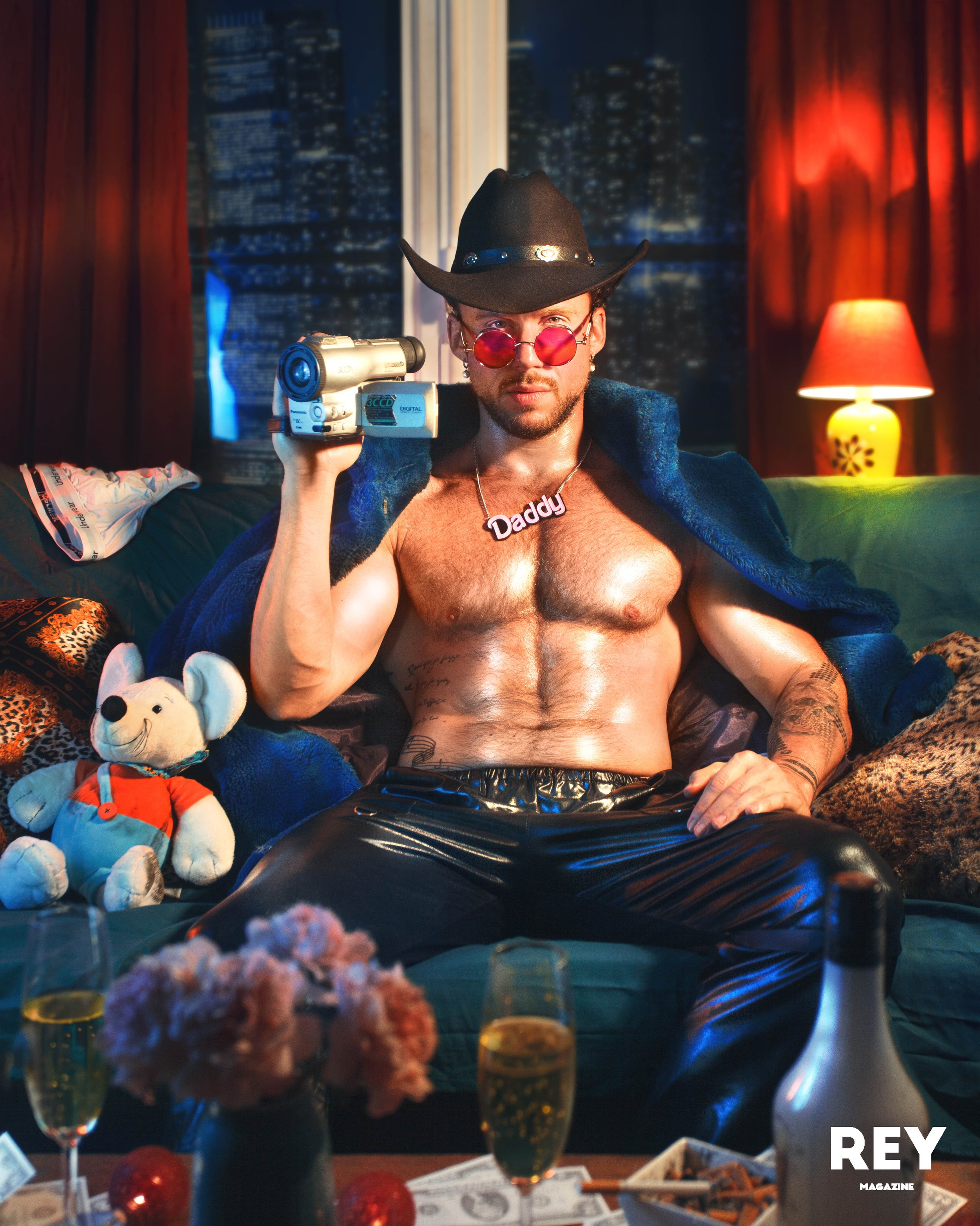
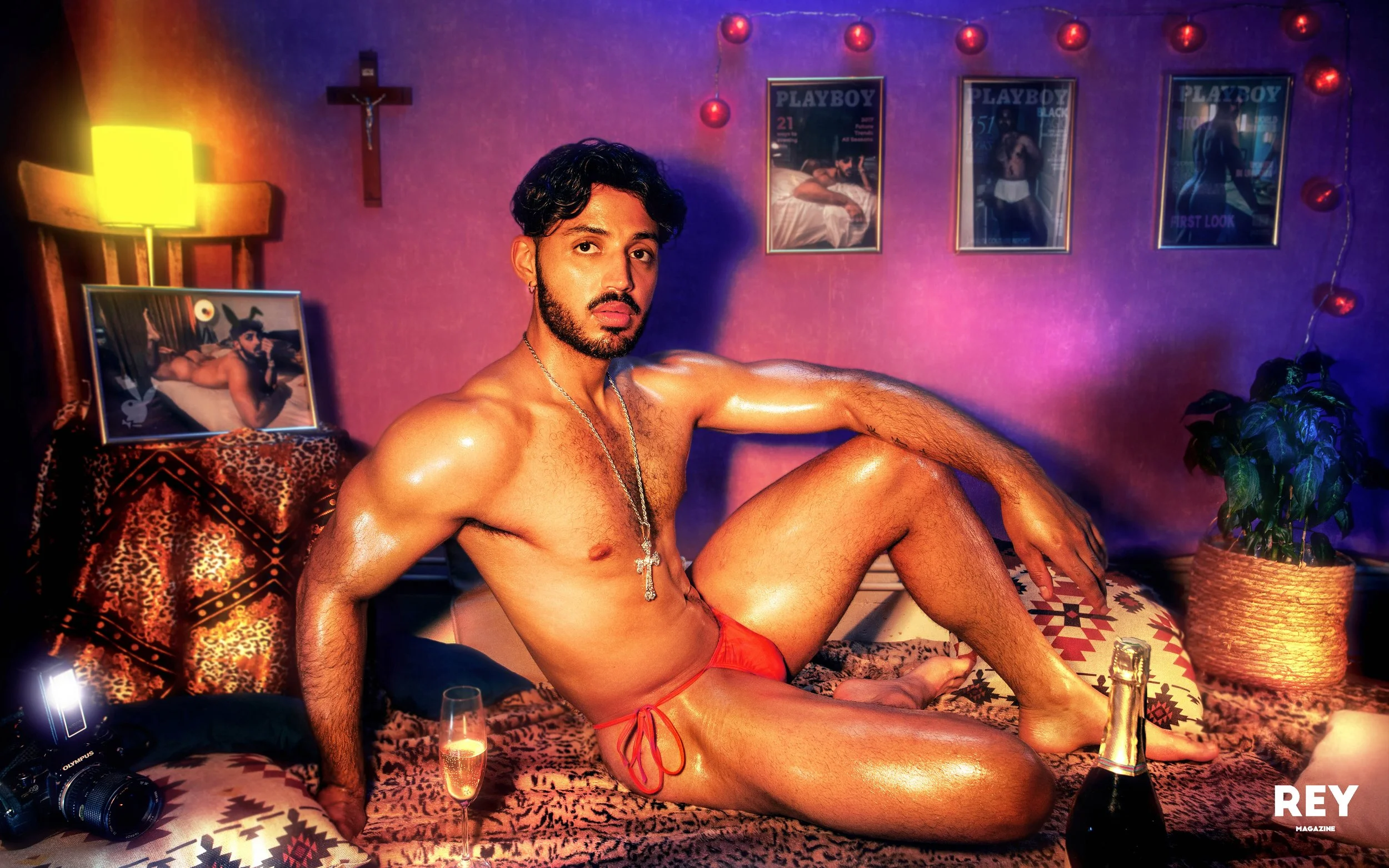
In the visual universe of Romain Berger, every image feels like a scene paused mid-story. Photographer, scenographer, filmmaker, and art director, Berger constructs worlds where cinema and photography collide, creating images that function as suspended narratives rather than simple portraits.
Atmosphere is everything. Color, lighting, and composition are meticulously orchestrated to build emotionally charged environments where each frame feels deliberate and theatrical. Berger’s practice exists at the intersection of staging and fiction, transforming photography into a space where storytelling unfolds without words.
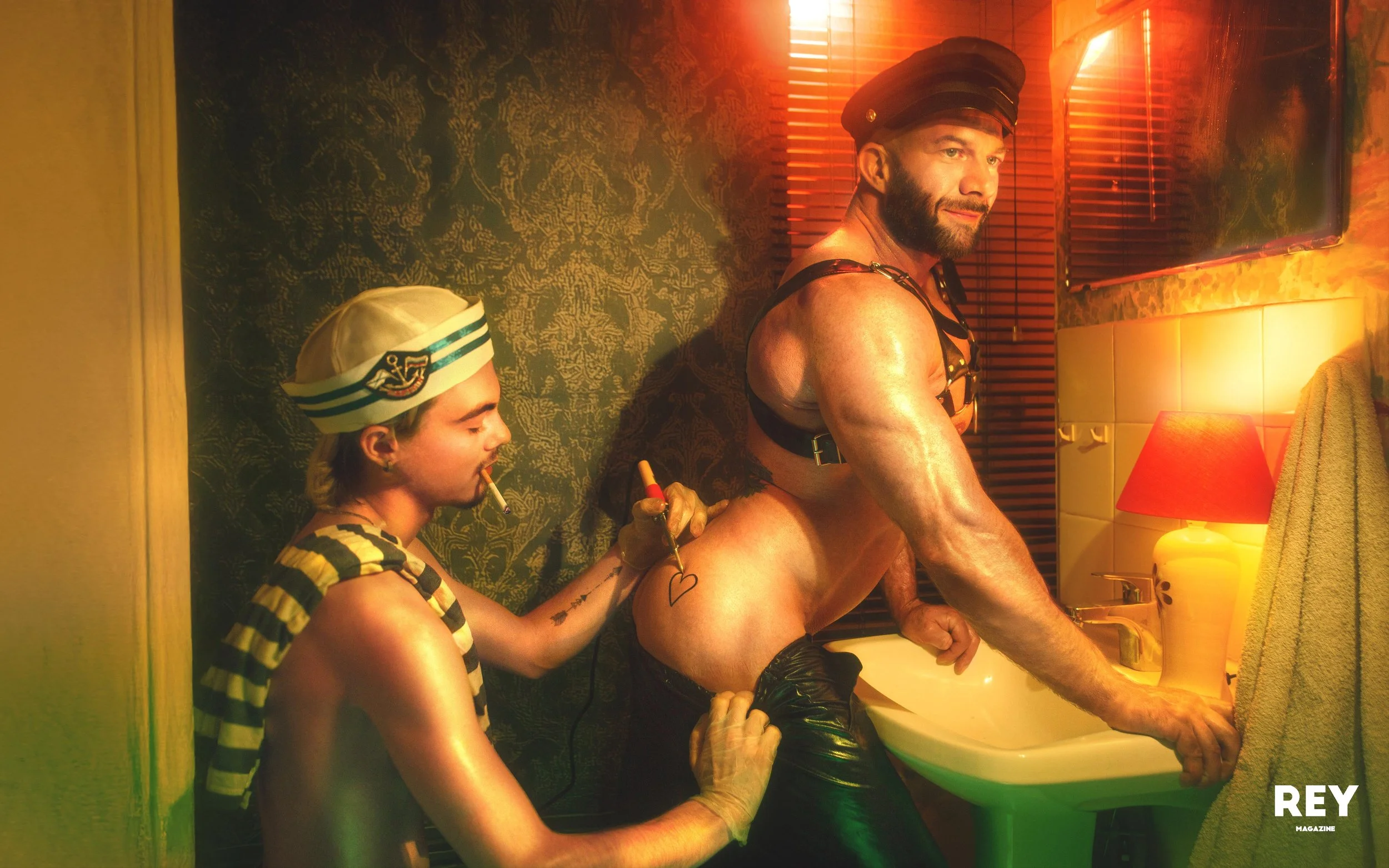
At the center of his visual language is the male body. Rather than serving as a manifesto, it becomes a recurring symbol within Berger’s carefully constructed scenes. Through this approach, he examines cultural codes, familiar clichés, and contemporary archetypes, presenting masculinity as something performative, stylized, and open to interpretation.
While his work often resonates with queer visual culture, Berger avoids framing it as an overtly militant statement. Instead, the imagery naturally reflects the worlds and identities that shape his personal experience. The result is a body of work that feels both intimate and universal—images that invite viewers to enter a space where conventions are quietly challenged and emotions remain just beneath the surface.
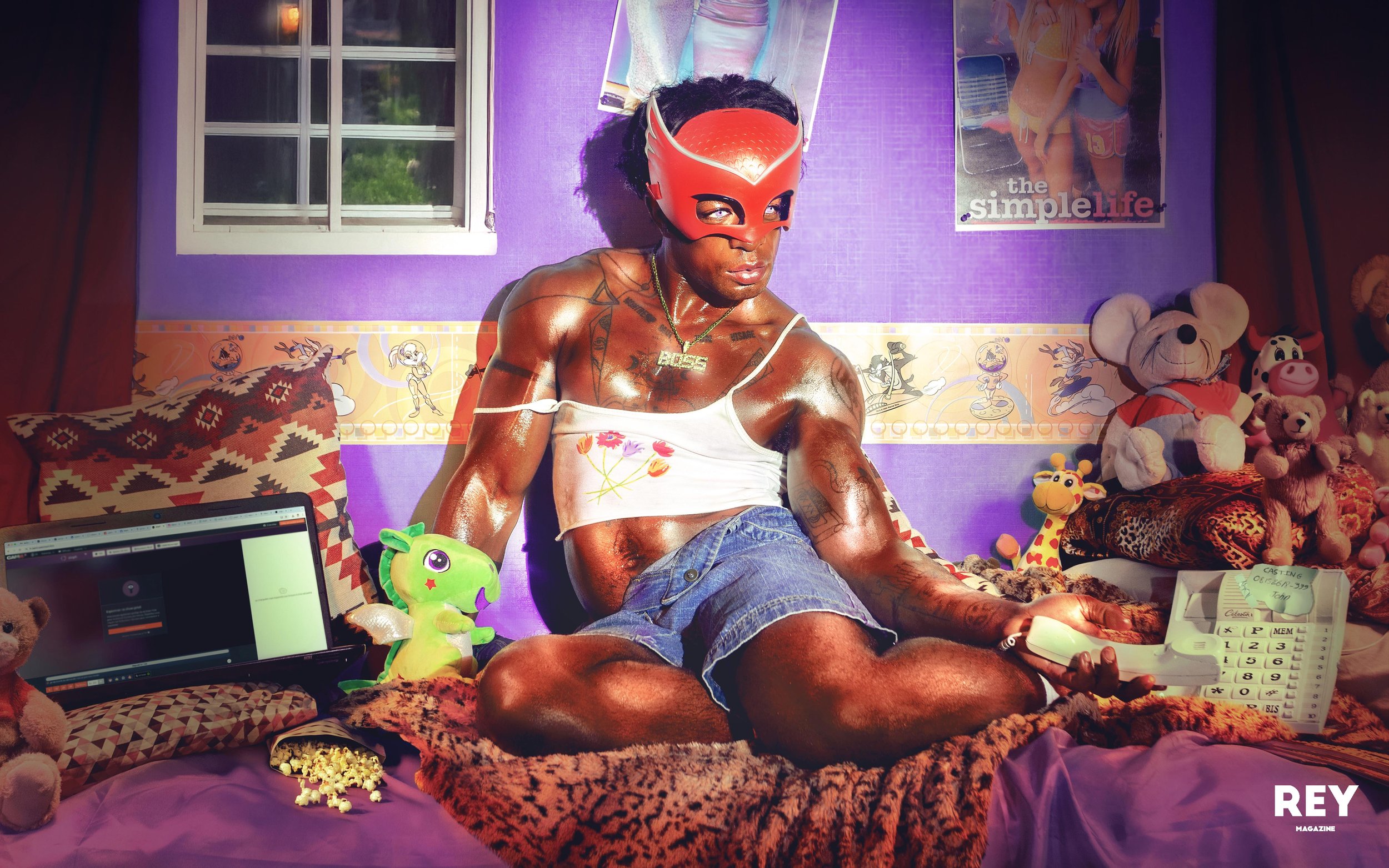
Each photograph stands as its own autonomous fiction. Berger’s cinematic eye is deeply informed by filmmakers and visual artists whose work reshaped the aesthetics of desire and identity. Among his influences are directors such as Rainer Werner Fassbinder, Wong Kar-wai, and Gregg Araki—as well as iconic image-makers like David LaChapelle, Robert Mapplethorpe, and Tom of Finland.
In 2022, Berger published his first photographic book, Life’s a Cabaret, with Men On Paper Art—a retrospective gathering three years of creative work. He also contributed to Sex Utopia, a collective publication featuring major artists including Pierre et Gilles and Bruce LaBruce.
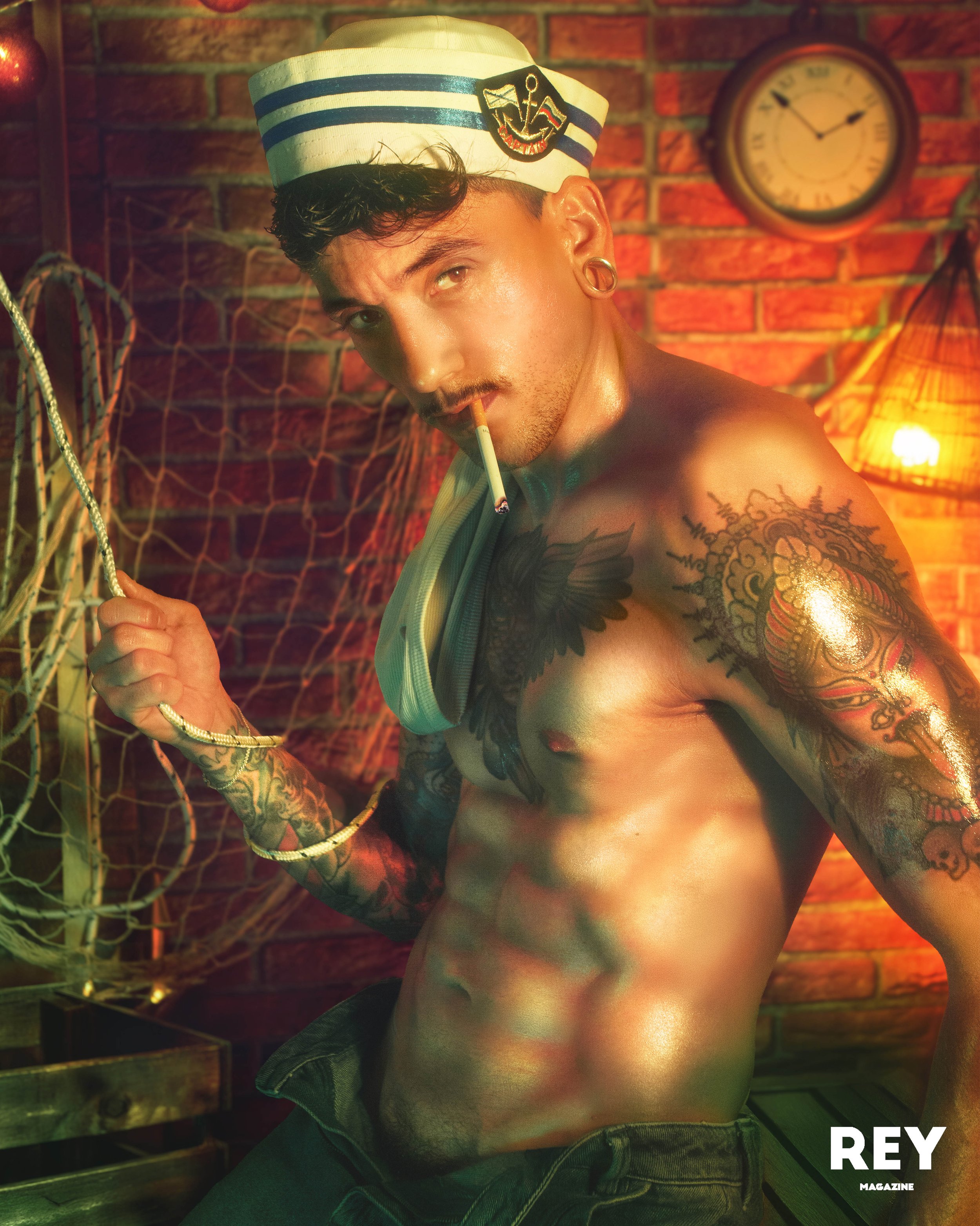
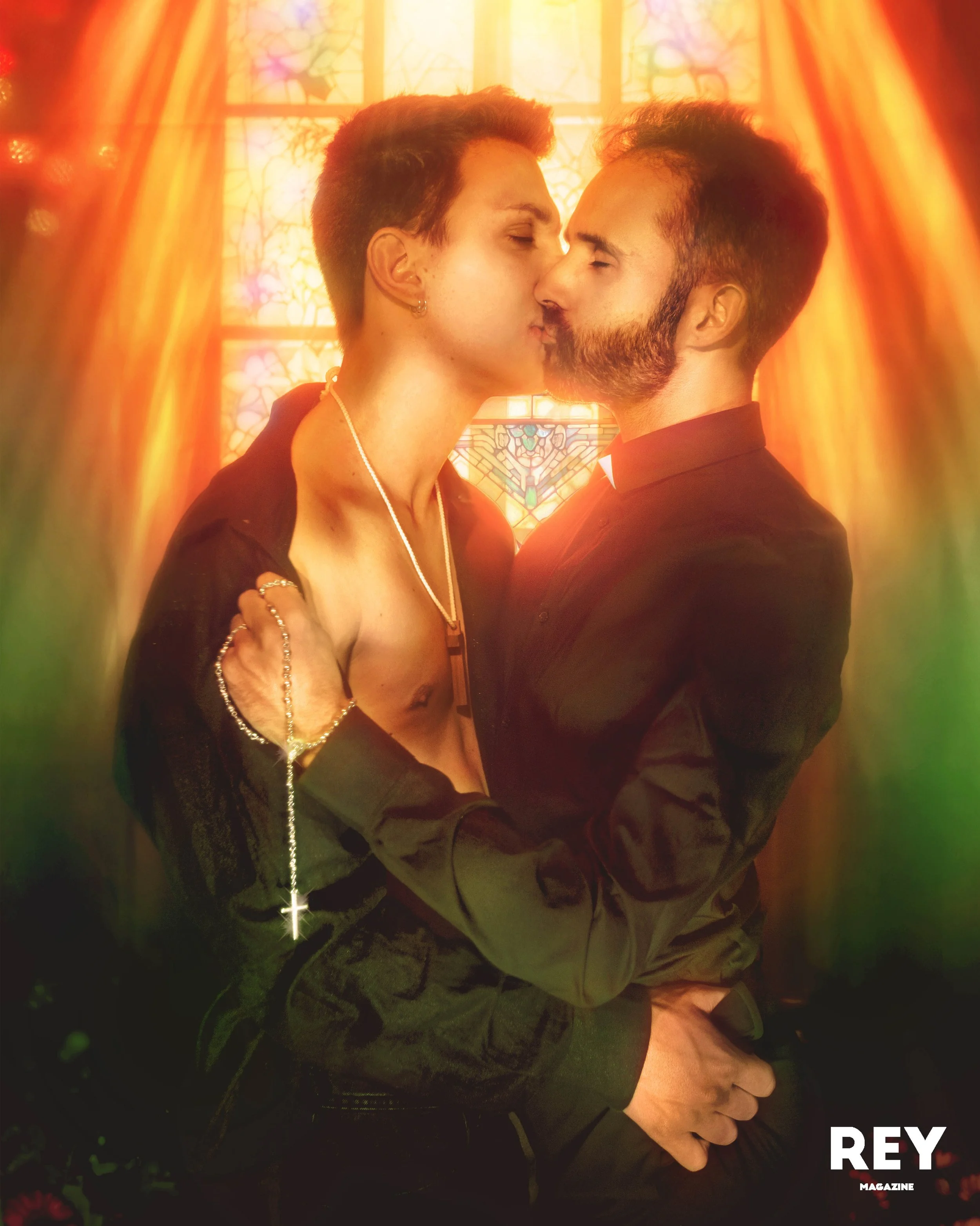
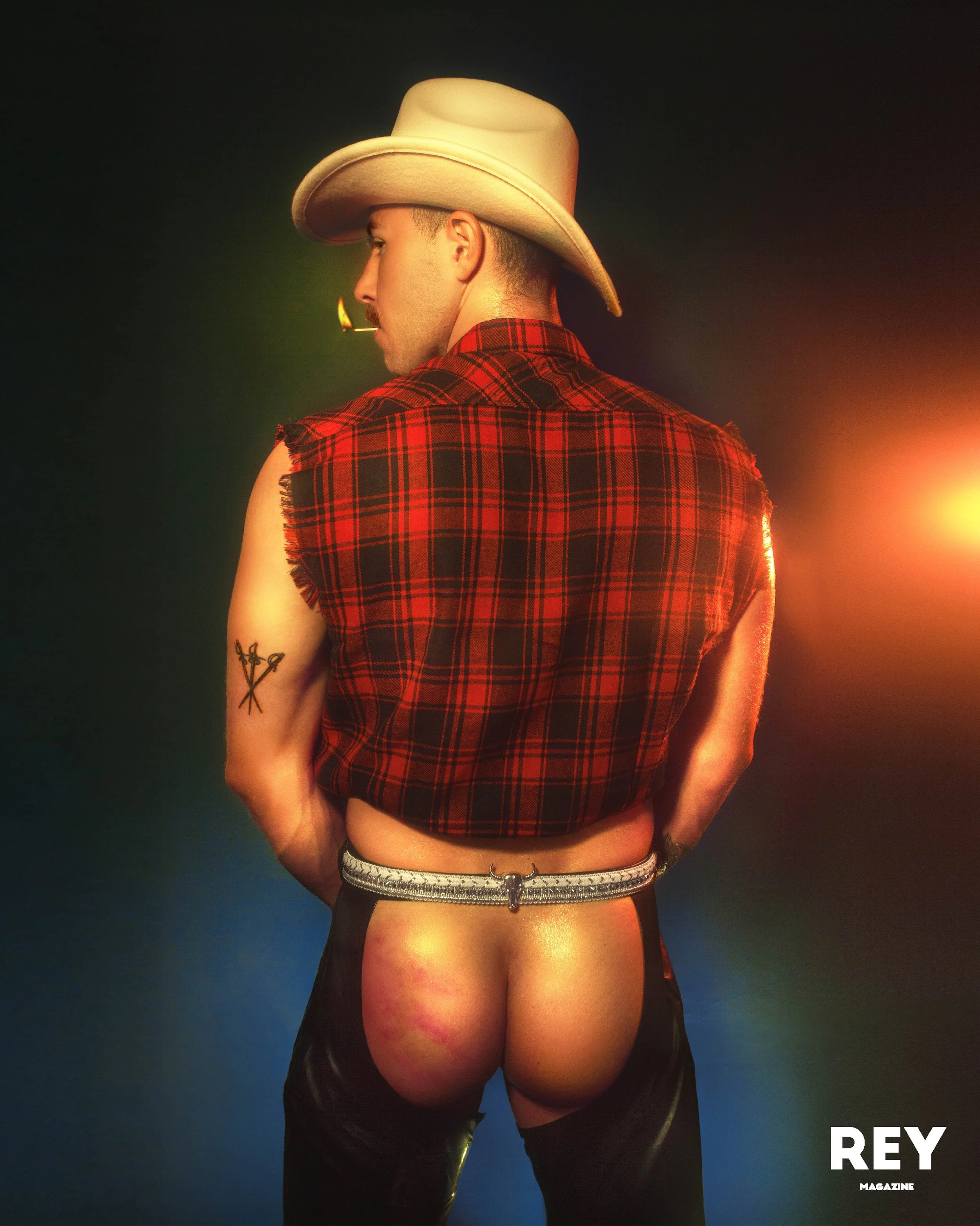
Over the past seven years, Berger’s work has been exhibited internationally in galleries and featured in magazines worldwide, steadily establishing a distinctive voice within contemporary image-making. His practice blurs the boundaries between cinema, fashion, and art photography—creating visual fictions that linger long after the viewer looks away.
For Berger, the photograph is never just an image. It is a moment suspended between fantasy and reality, where narrative, desire, and aesthetic precision come together to form a world entirely of his own.