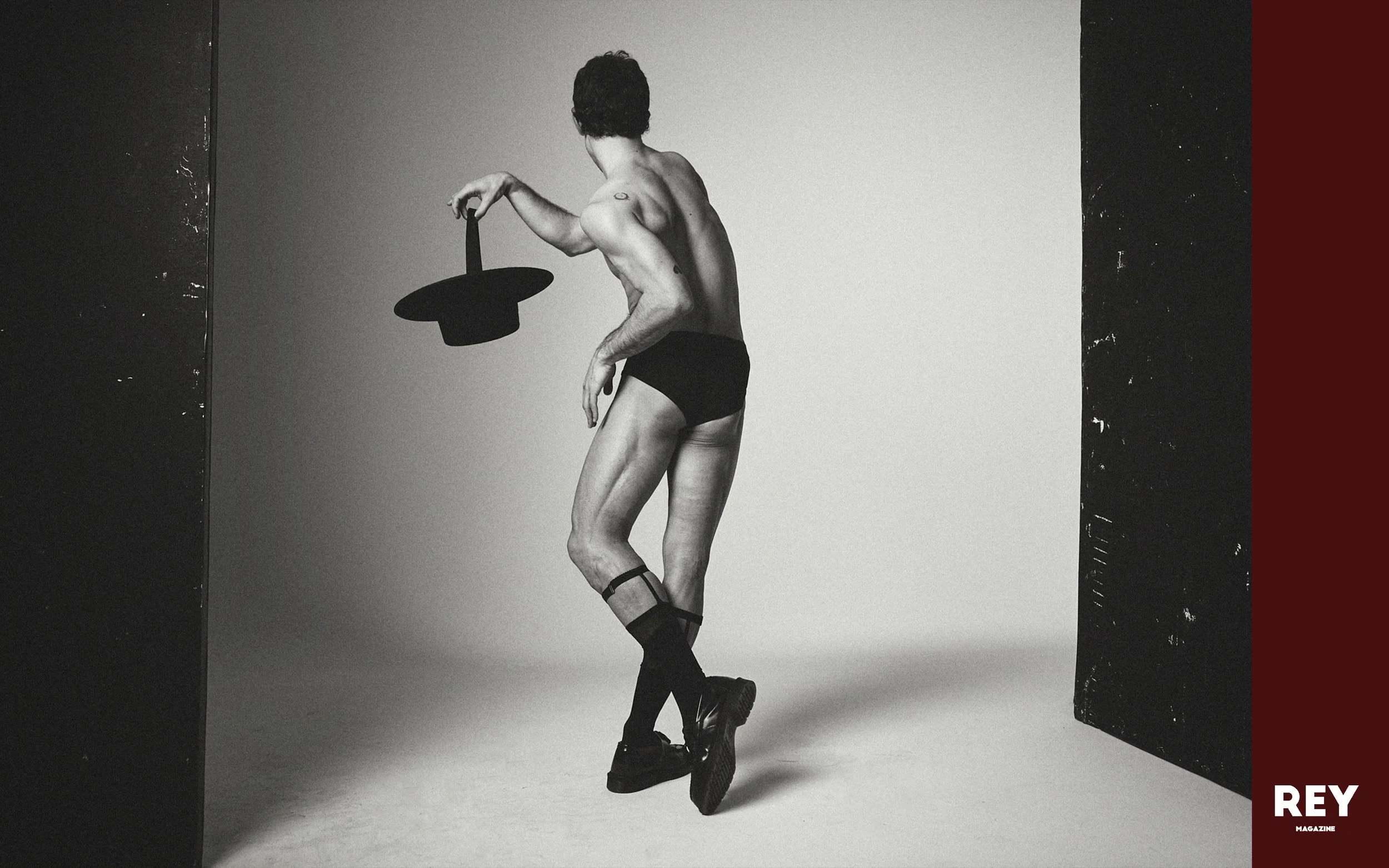
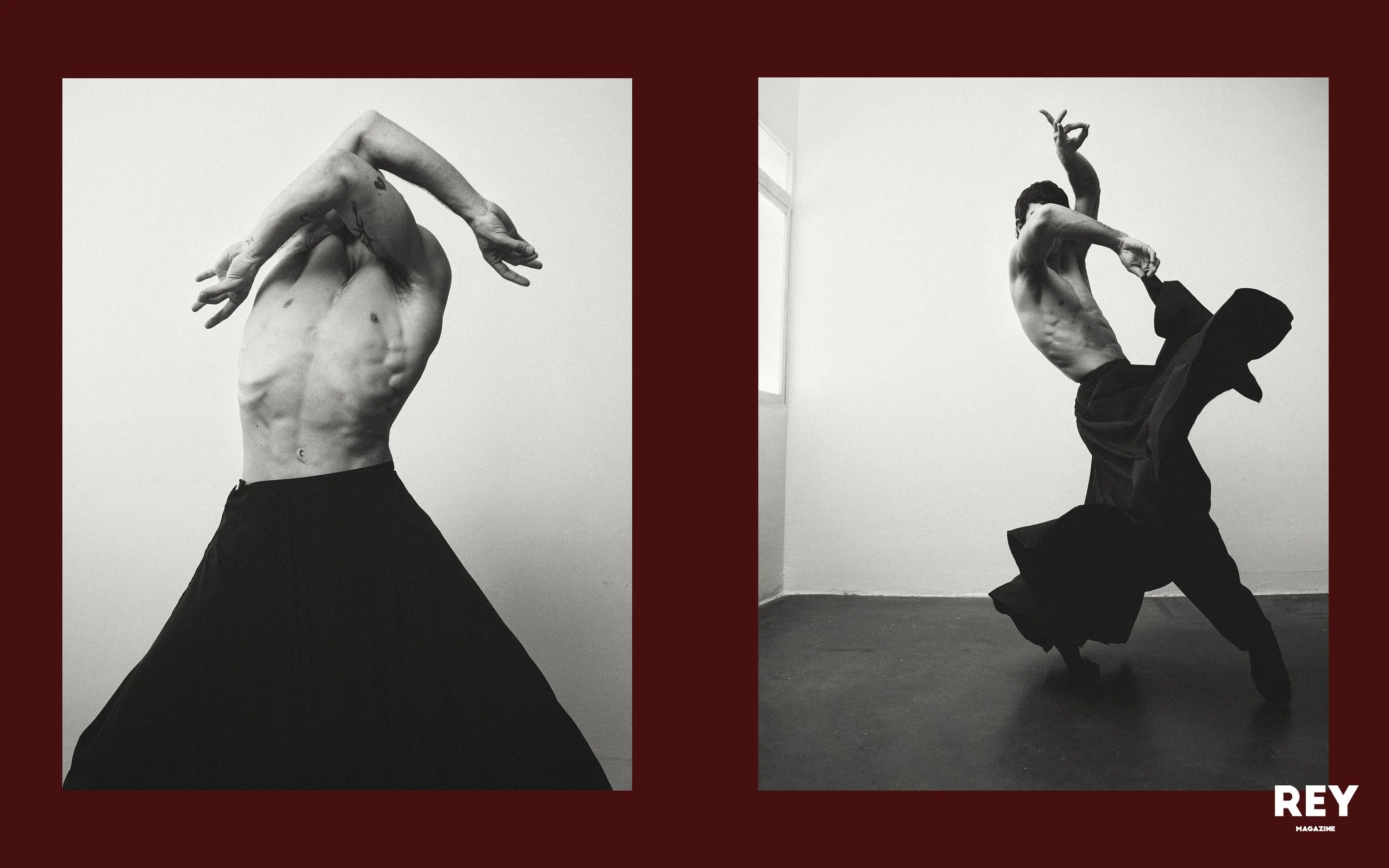
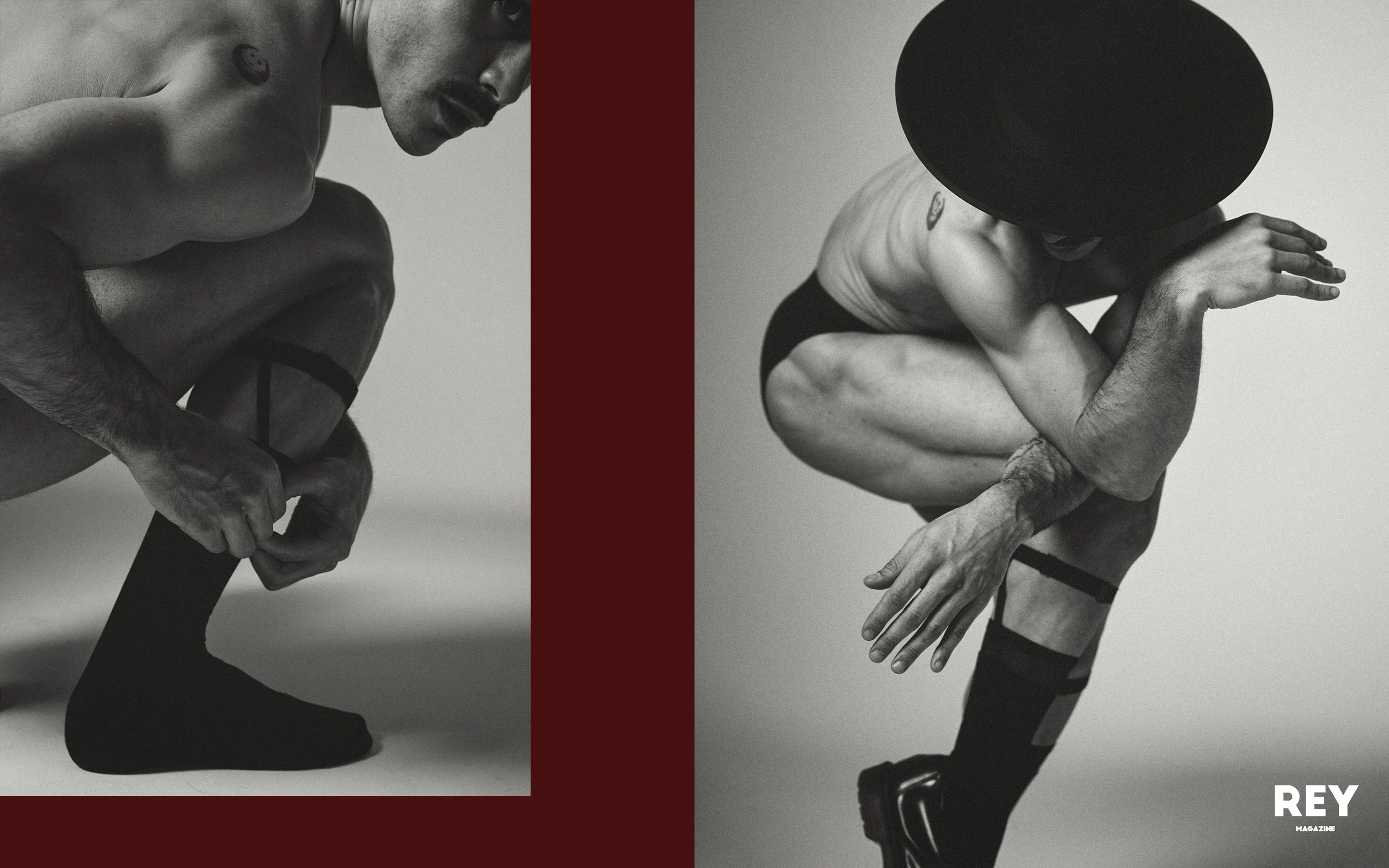
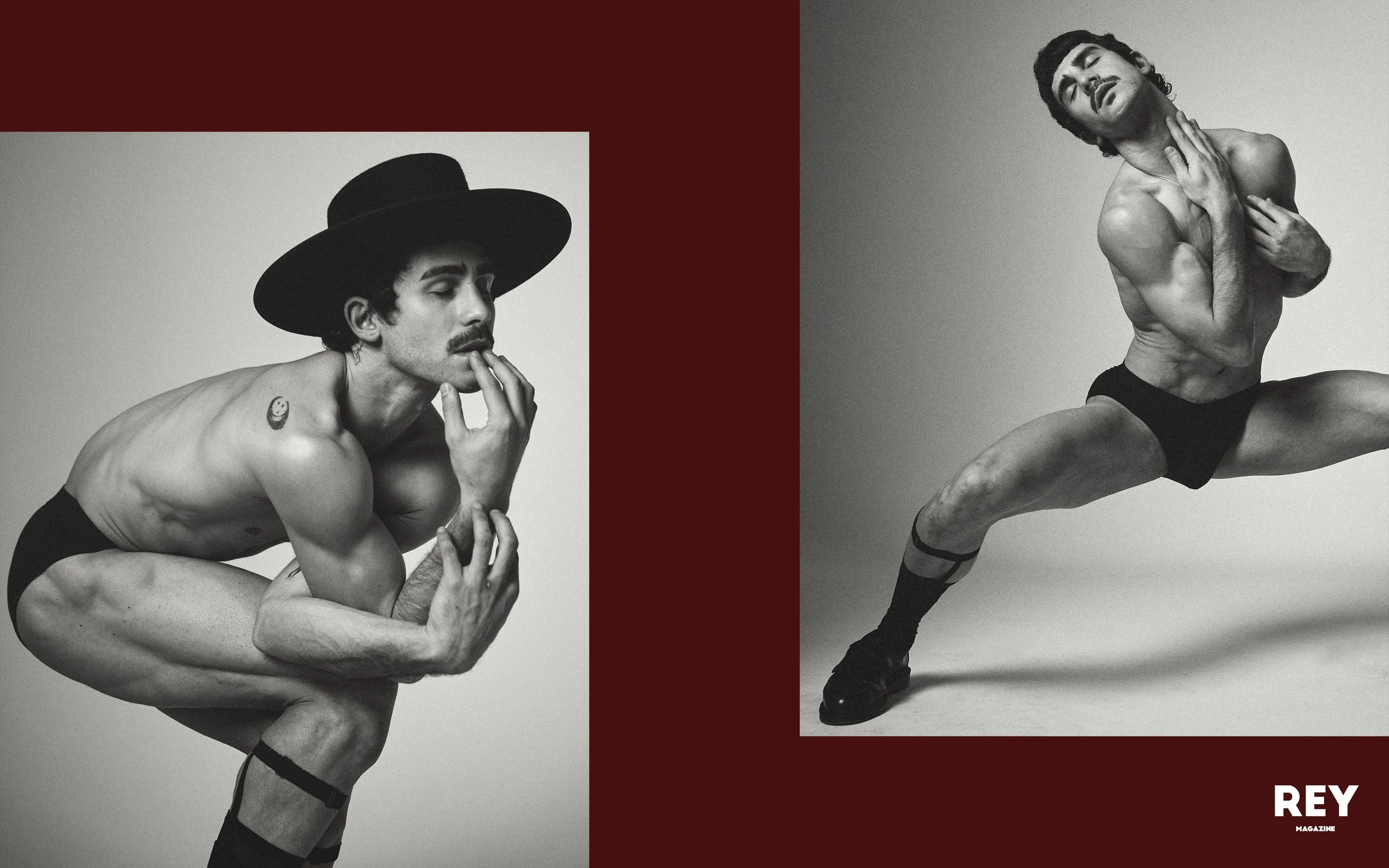
The themes of excess, desire, and control feel very current. Were you reflecting society, or something more personal?
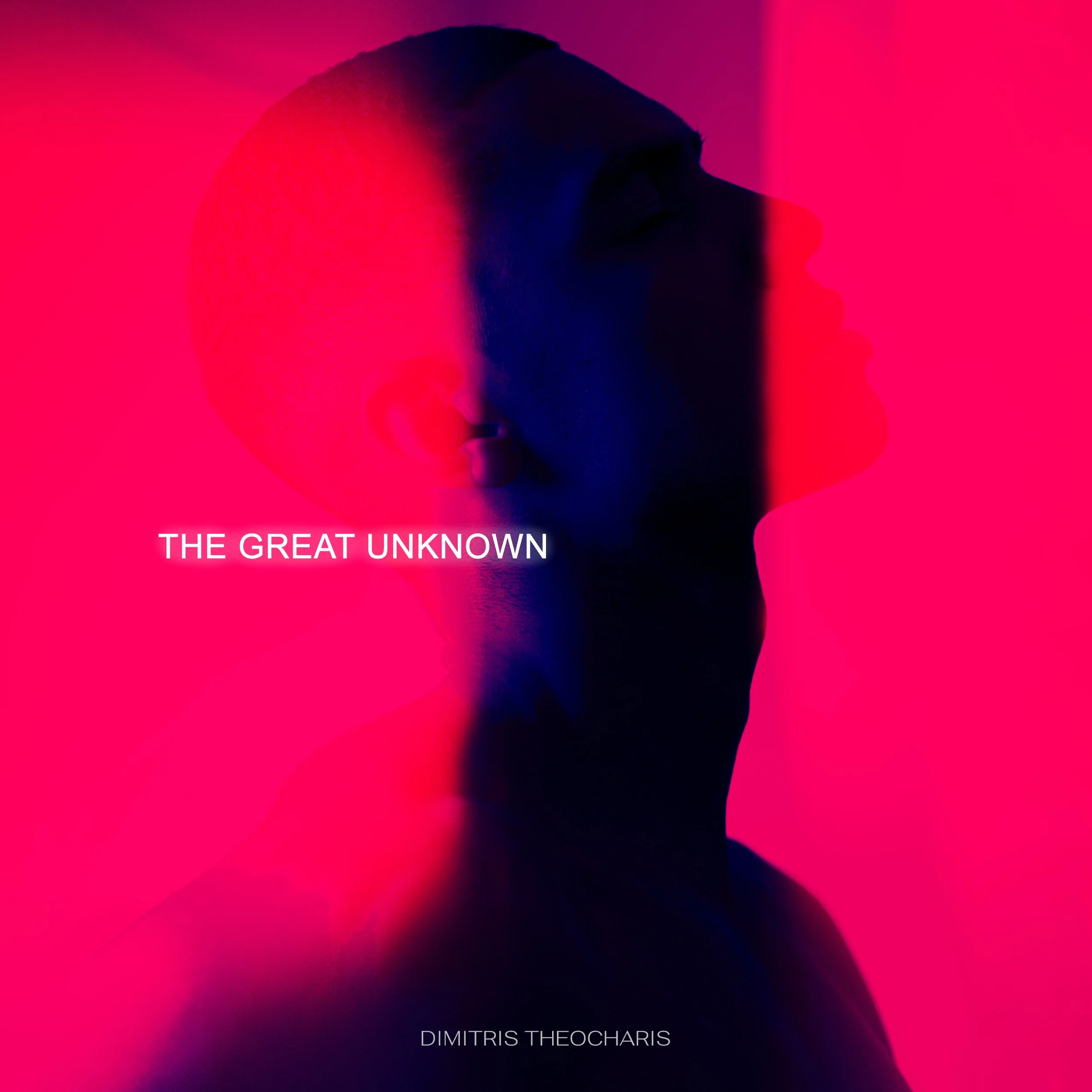
Primarily the societal structure we’ve inherited and continue to perpetuate. It’s built around control and manipulation. Nothing new, but nowadays it feels far more evident in almost every aspect of our lives. The “watchful eye of God” has now become an algorithm that tracks and analyses every step. The question is to what end? How is the access to every small detail of our lives being used? Is there a way out? Are we eventually going to be subscribing to freedom? Could living off-grid become a utopia? Or is utopia a state of mind? Desire has been reduced to swiping left or right, to momentary satisfaction that leads nowhere and ultimately means nothing, as expressed in Pleasure on Repeat, a song partly inspired by gay club culture and chemsex parties. It comes from a very real need for human connection, yet there’s something deeply ephemeral and addictive about the way we deal with desire that resembles a quick fix, void of emotional depth. I quite like how this song exists in two versions within the album. The electronic version feels innocent and fragile whereas the acoustic version feels more mature, sung from experience, almost with hindsight and wisdom. Then Money starts with the question: how much does your life cost? A very strong statement derived from the expression “time is money.” If time is money, then a lifetime has a price. That’s a disturbing conclusion, but as abrupt as it sounds, we live in a society that is addicted to consumption on every level and the pursuit of wealth.
The Sanskrit message, “it is never enough,” feels like the spine of the project. Why was that the idea that anchored everything?
Because it’s universal. It cuts through culture, time, and identity. That endless cycle of wanting more is both the cause of suffering and the force that drives change. It drives everything forward, but it also traps us. Once that became clear, everything else aligned around it.
Utopia is a clear turning point. What does that moment represent for you creatively and emotionally?
Utopia is a state of mind. It’s a pause. A bridge. Up until that point, everything is outward-facing and observational. Utopia breaks that momentum and demands stillness. It represents the desire, or perhaps the need, to escape from everything negative happening around us. It asks us to stop for a moment, breathe, and reconnect with what still exists: the sun, the sea, nature, ourselves. When all the noise stops, the senses awaken again. But underneath that stillness, the storm is always near. The lingering fear of war, destruction and collapse remains.
The second half of the album feels more vulnerable. Was it harder to create than the first?
Not really. The first half was actually harder because it’s more controlled. The political, philosophical, and existential themes pushed me technically as a writer and forced me to experiment more with genre, sound and structure. The second half required letting go of that control. I was more exposed, less protected by the concept itself, but I was entering a more familiar territory as I’ve always been drawn to emotionally charged and introspective music. The real challenges were Illusive Reality, Eternal Youth, Dominion, and Post Love. For example, with Post Love, I didn’t want it to become melodramatic or fall into the typical clichés that come with breakup songs. I wanted it to remain honest, dignified, minimal, and personal, while still open enough for listeners to project their own experiences. Those songs were difficult to finish. I probably wrote several hundred variations.