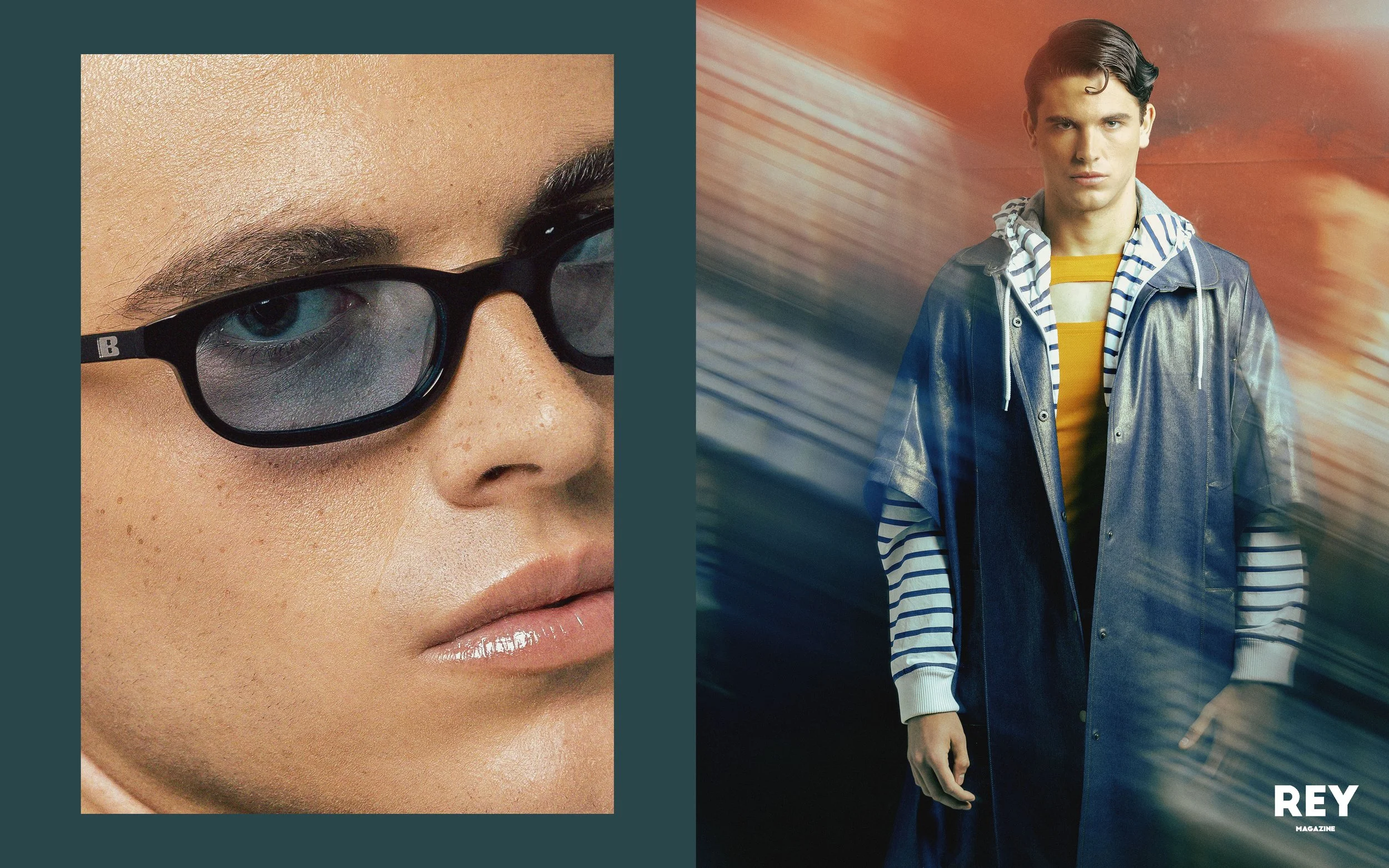
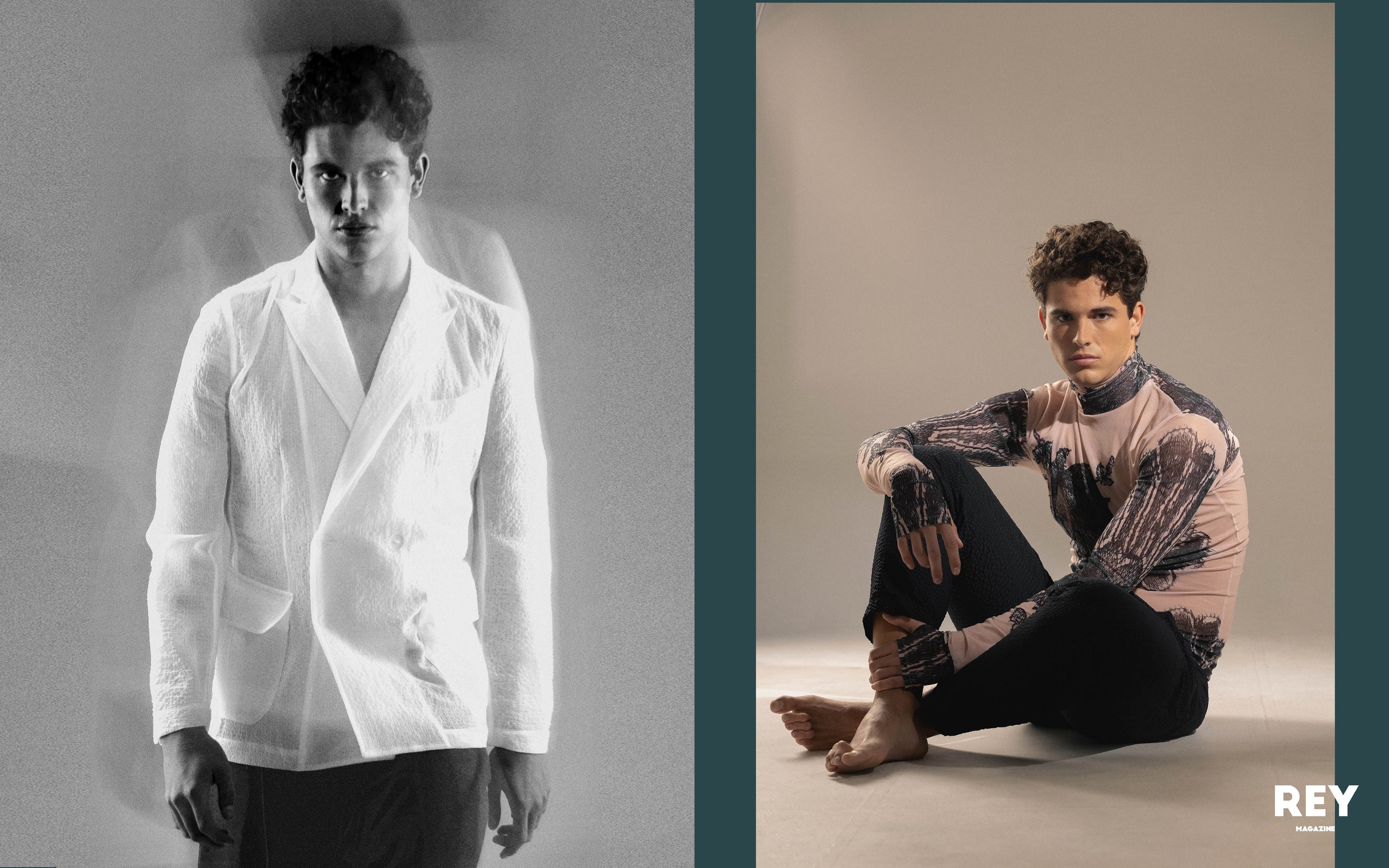
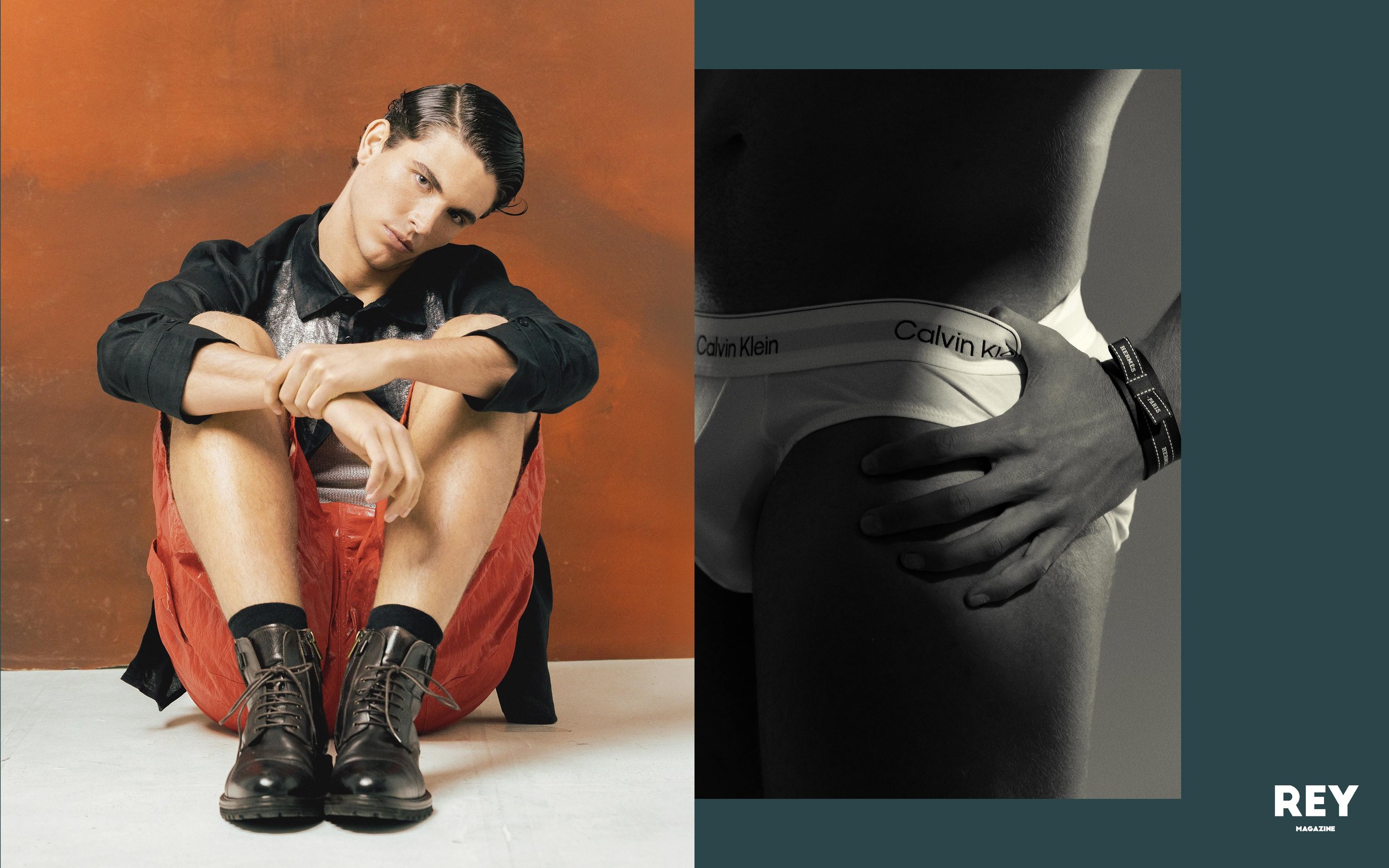
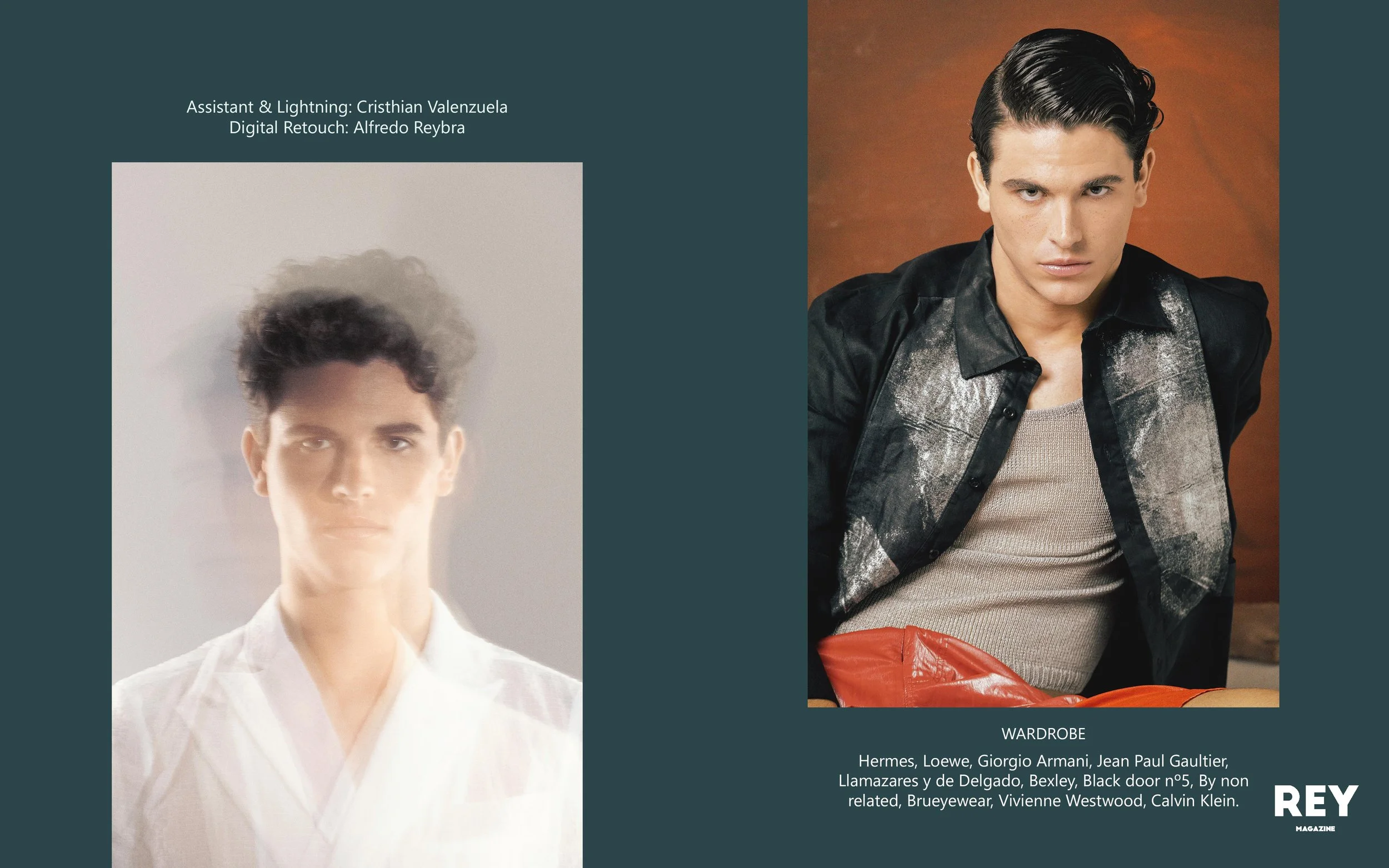
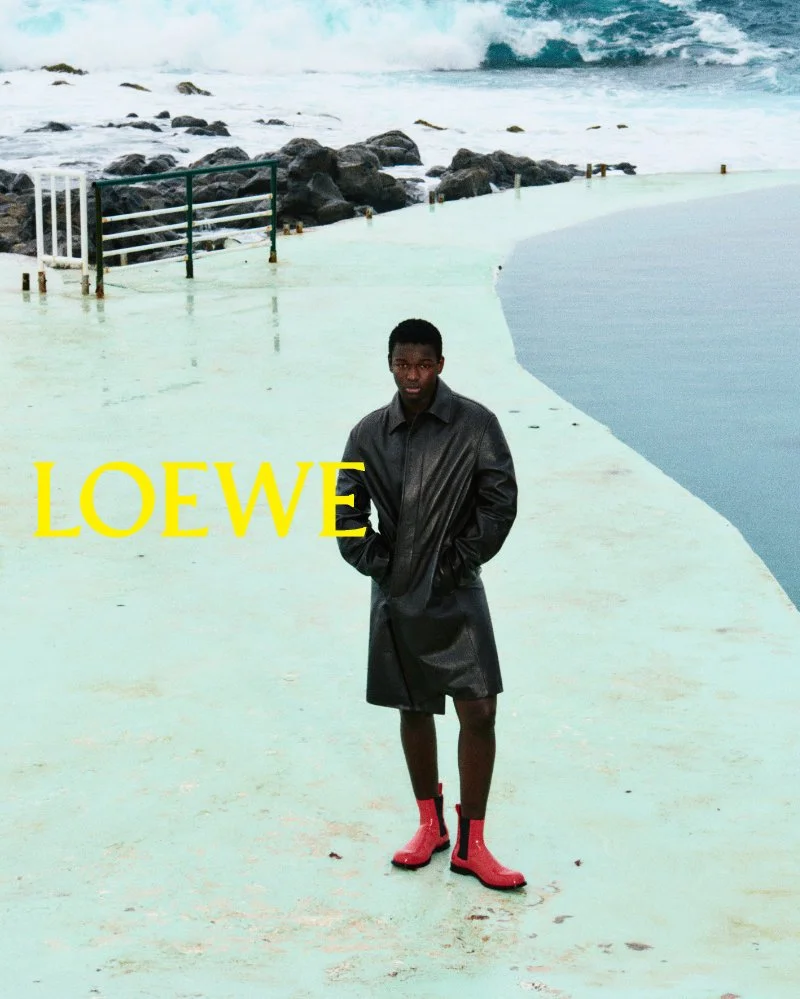
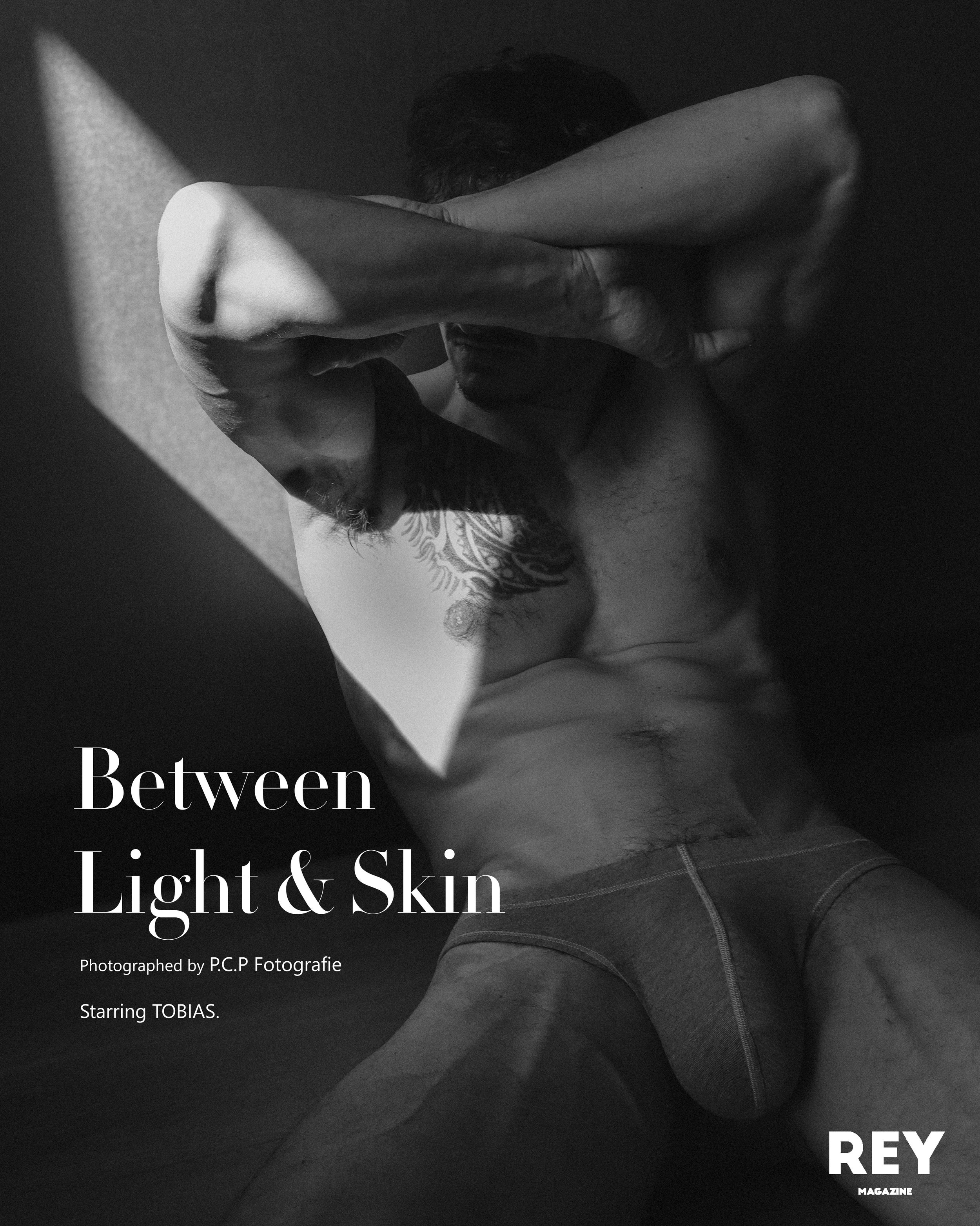
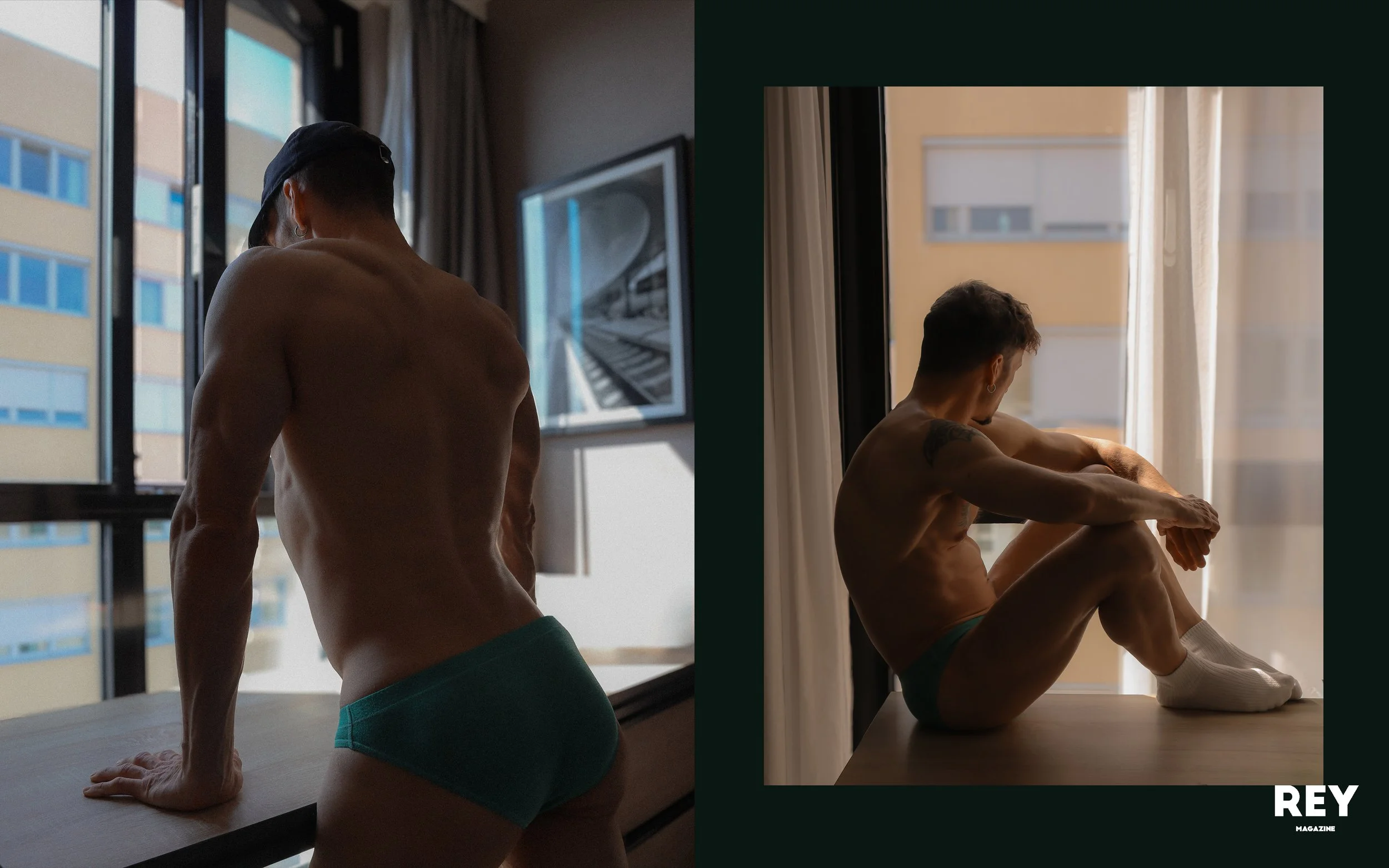
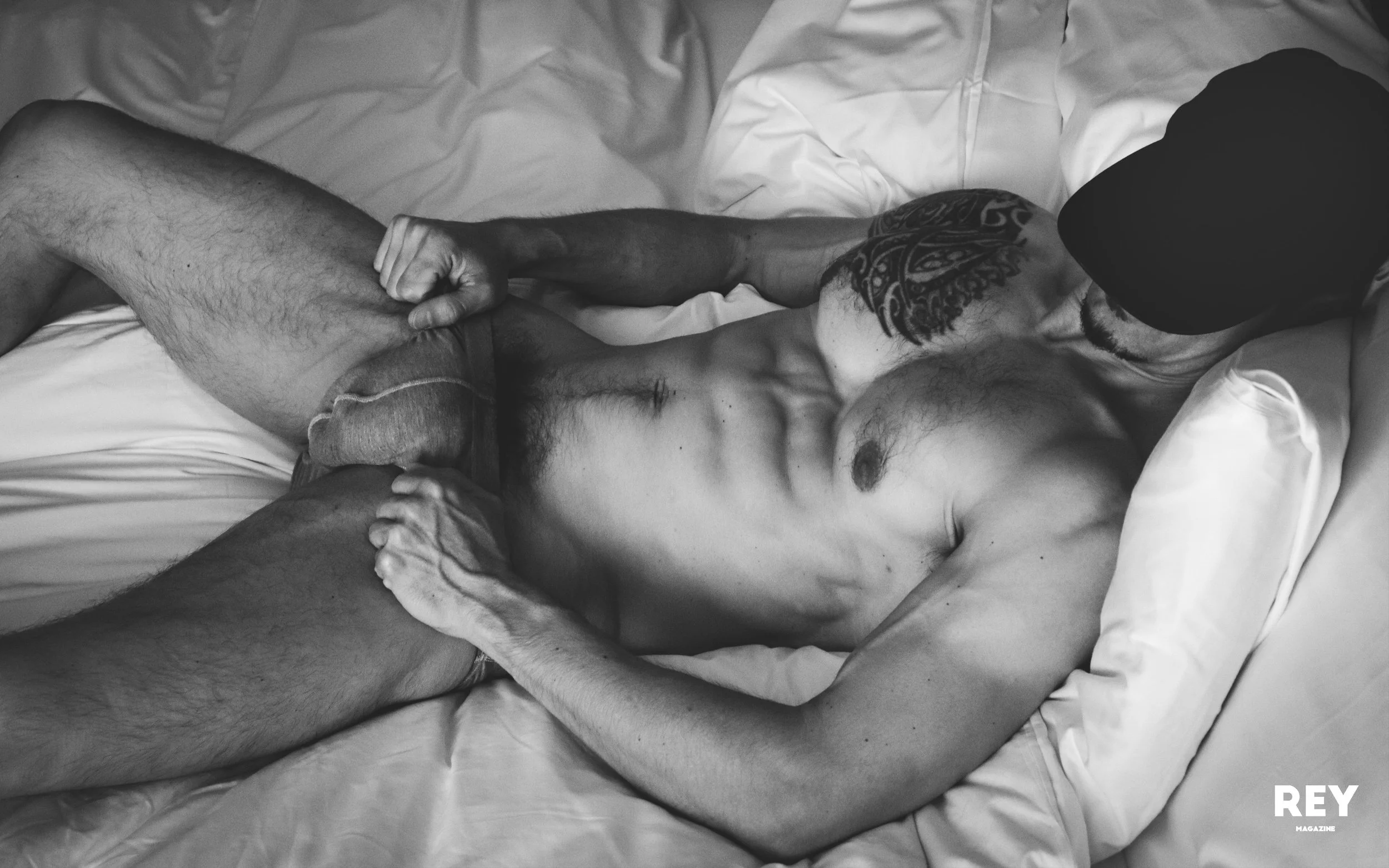
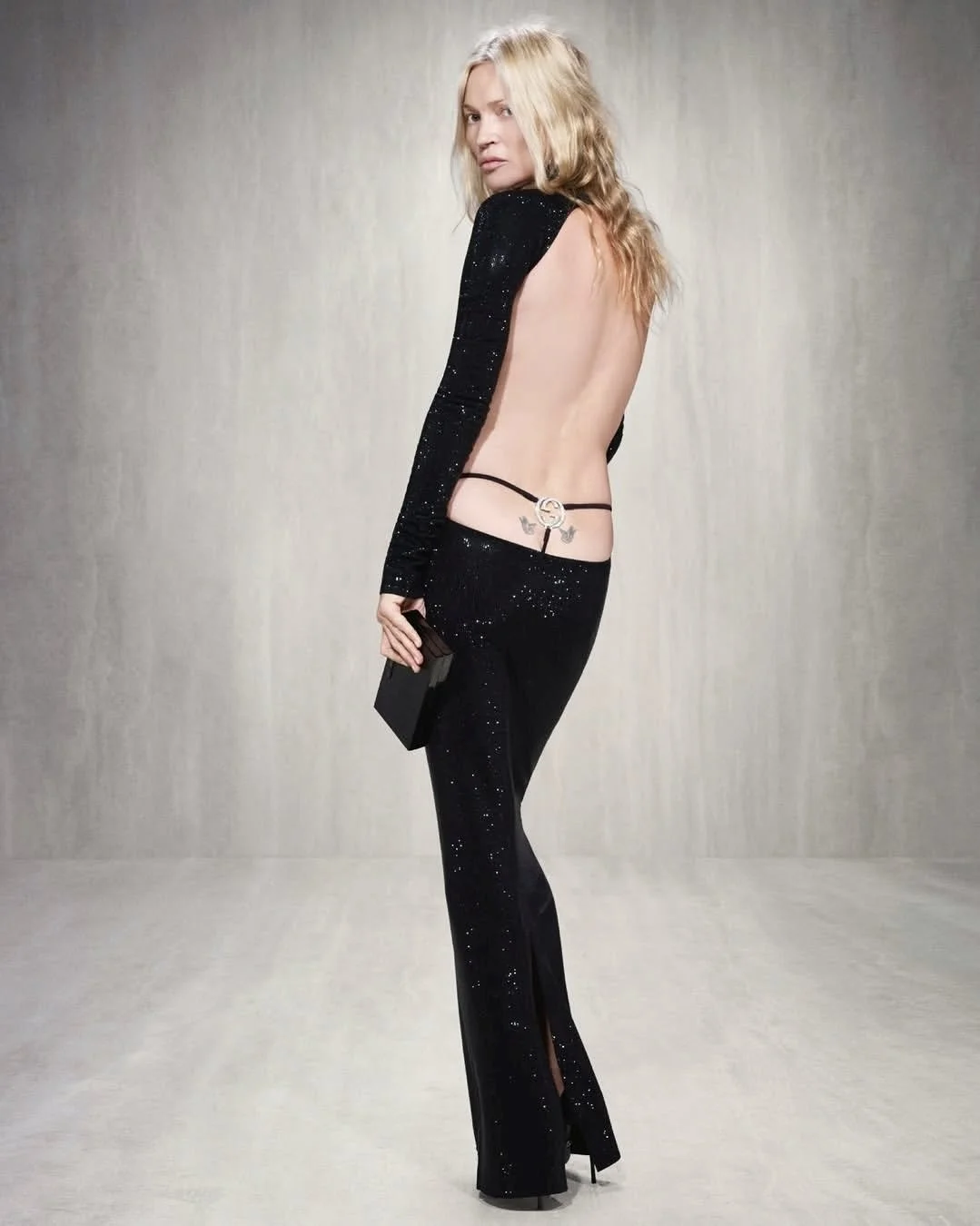
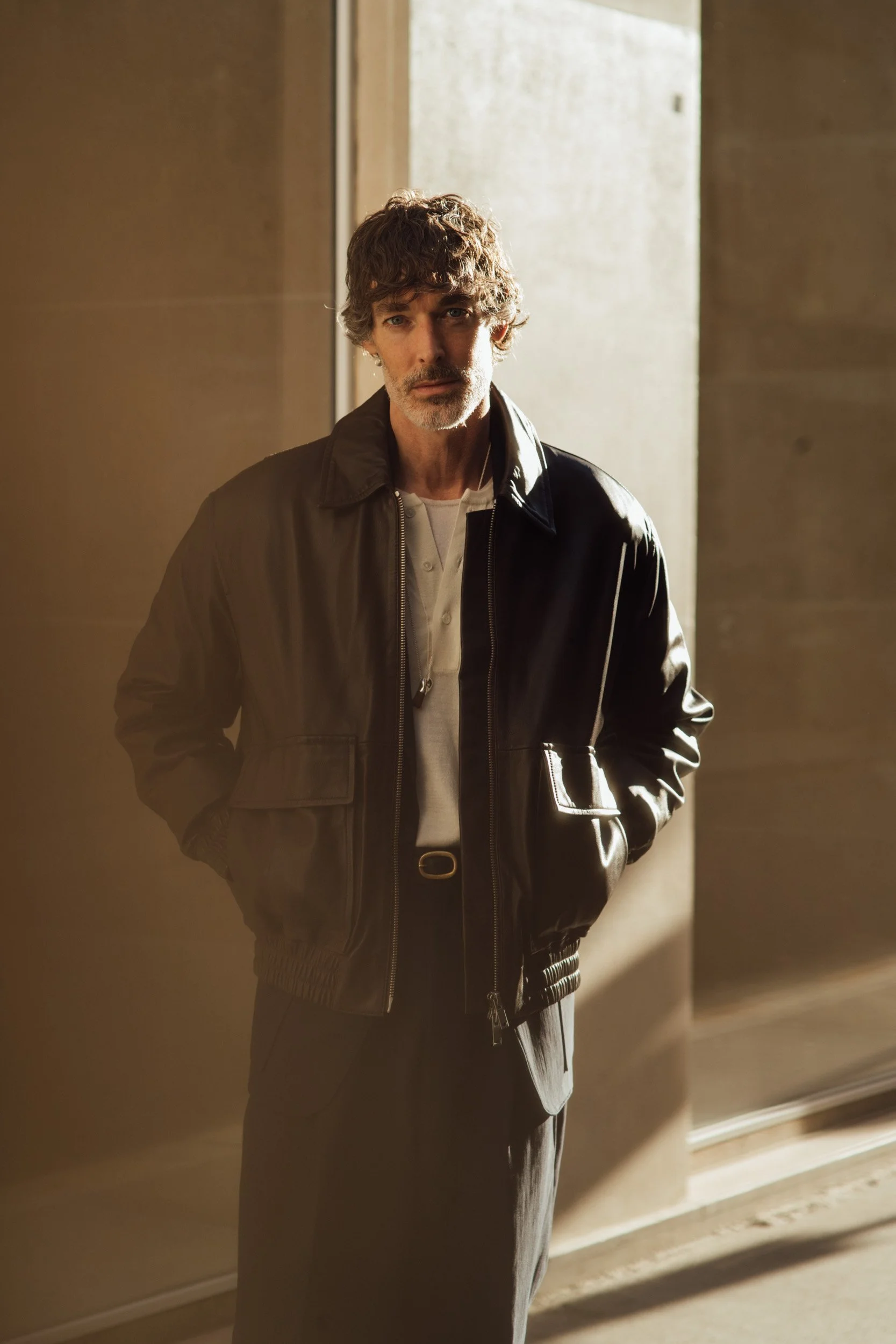
Inside Celine Fall Winter 2026: The Men’s Looks and Details We Love

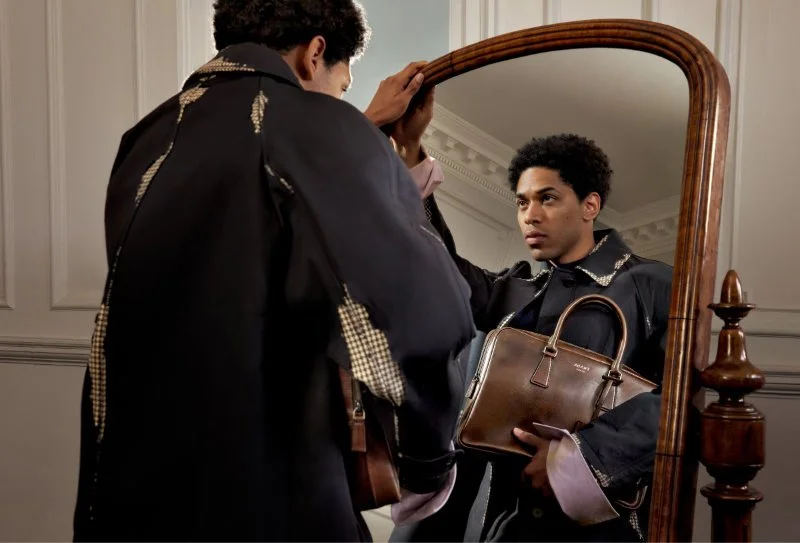
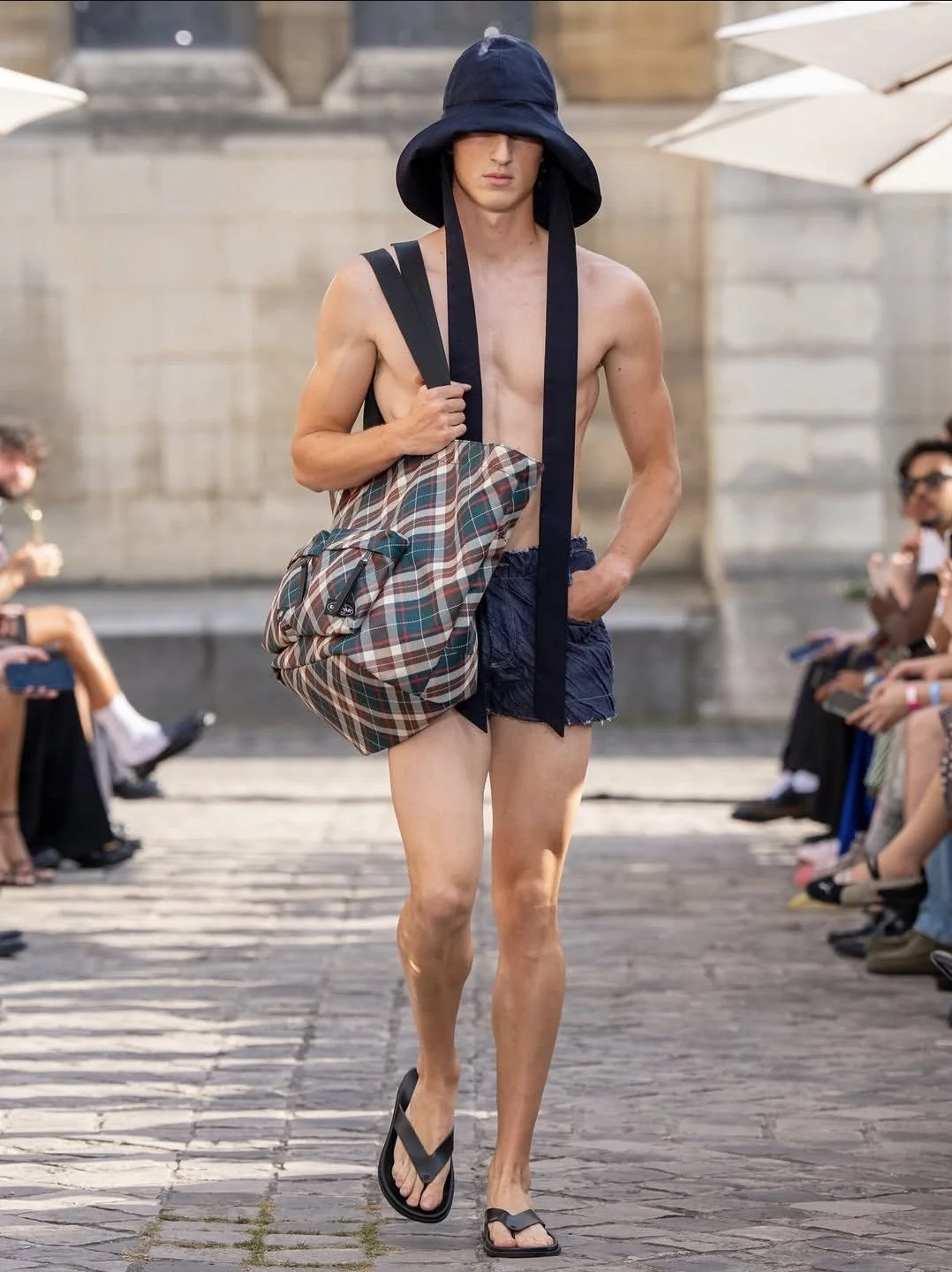
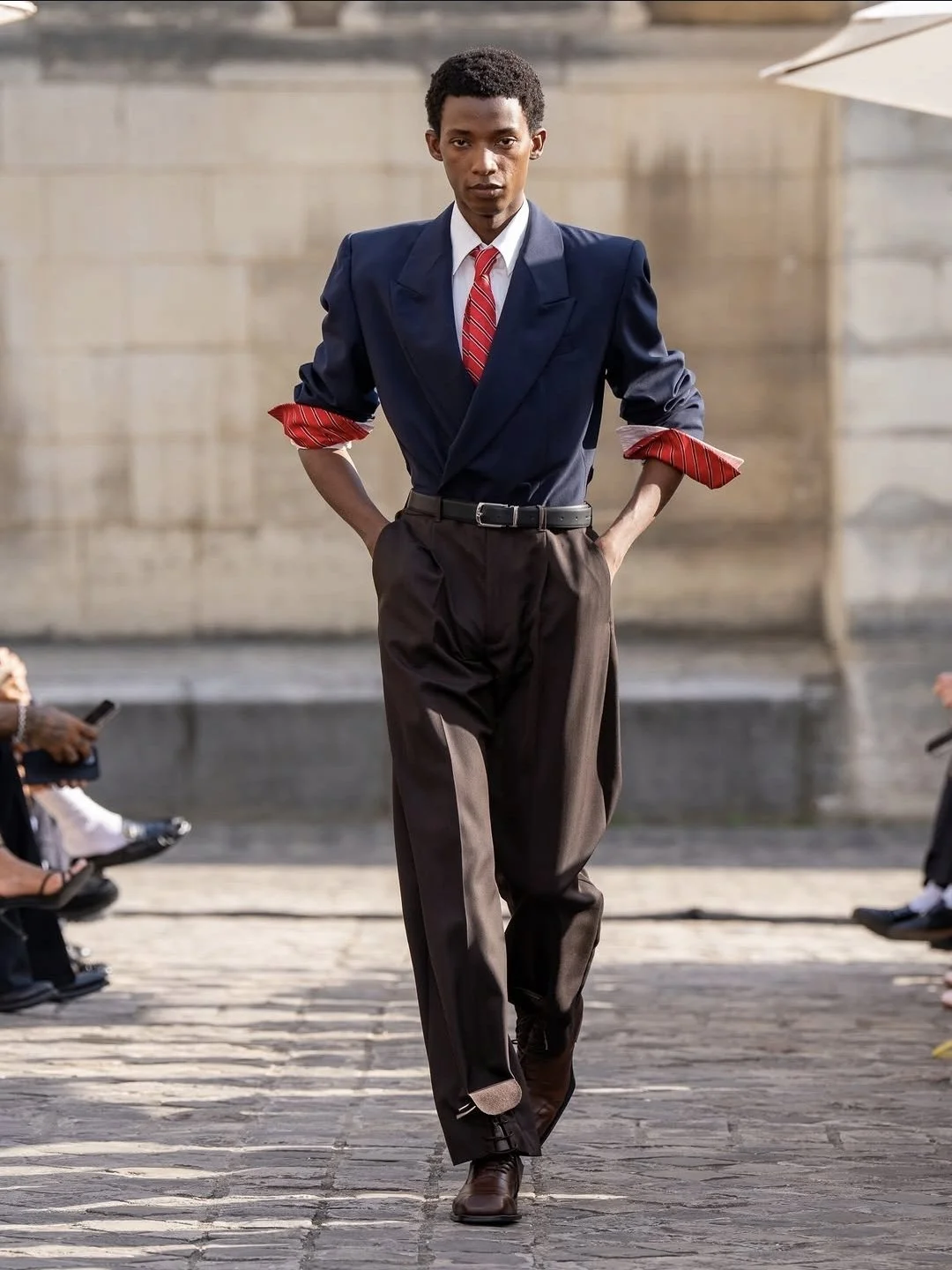
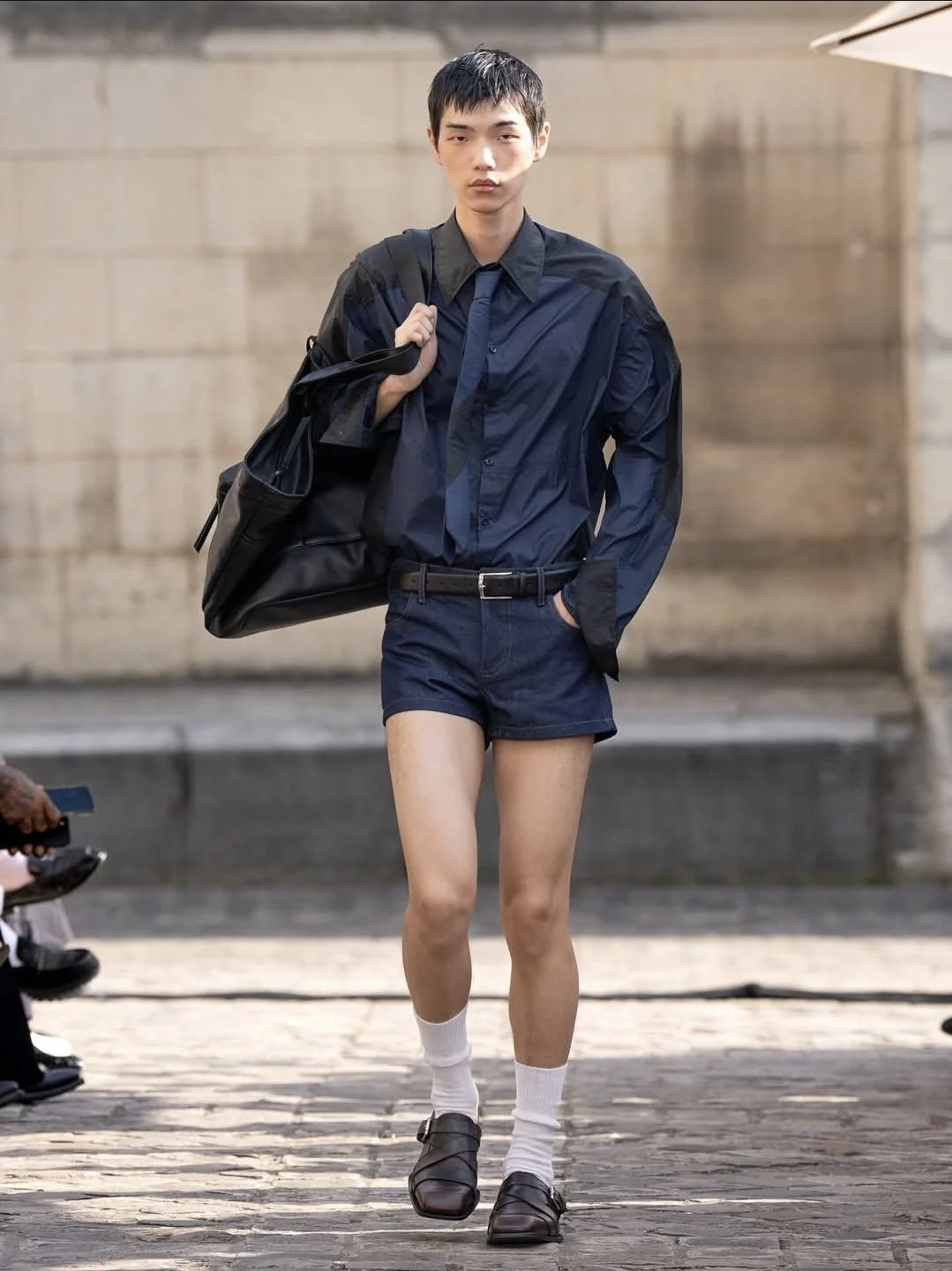
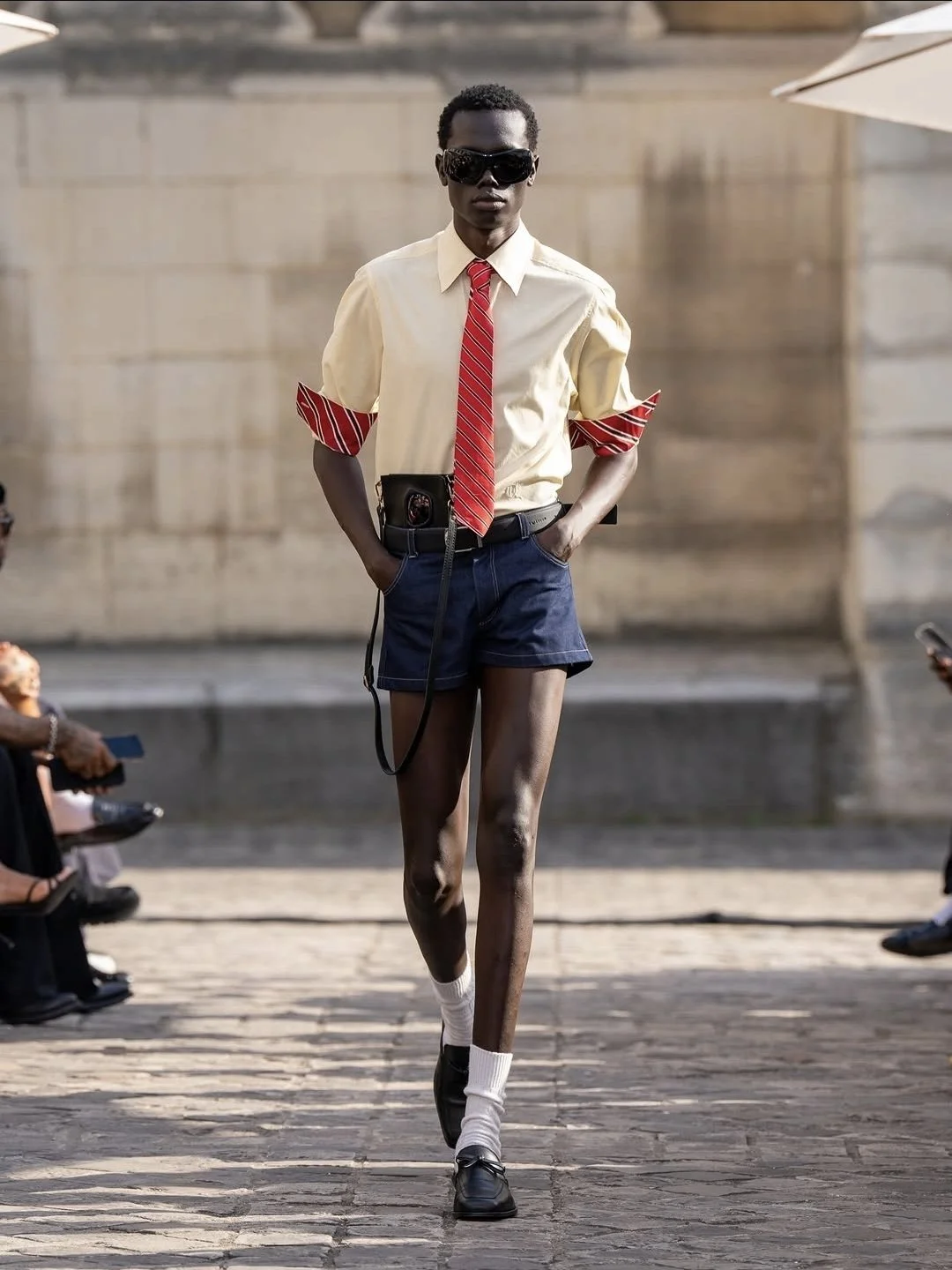
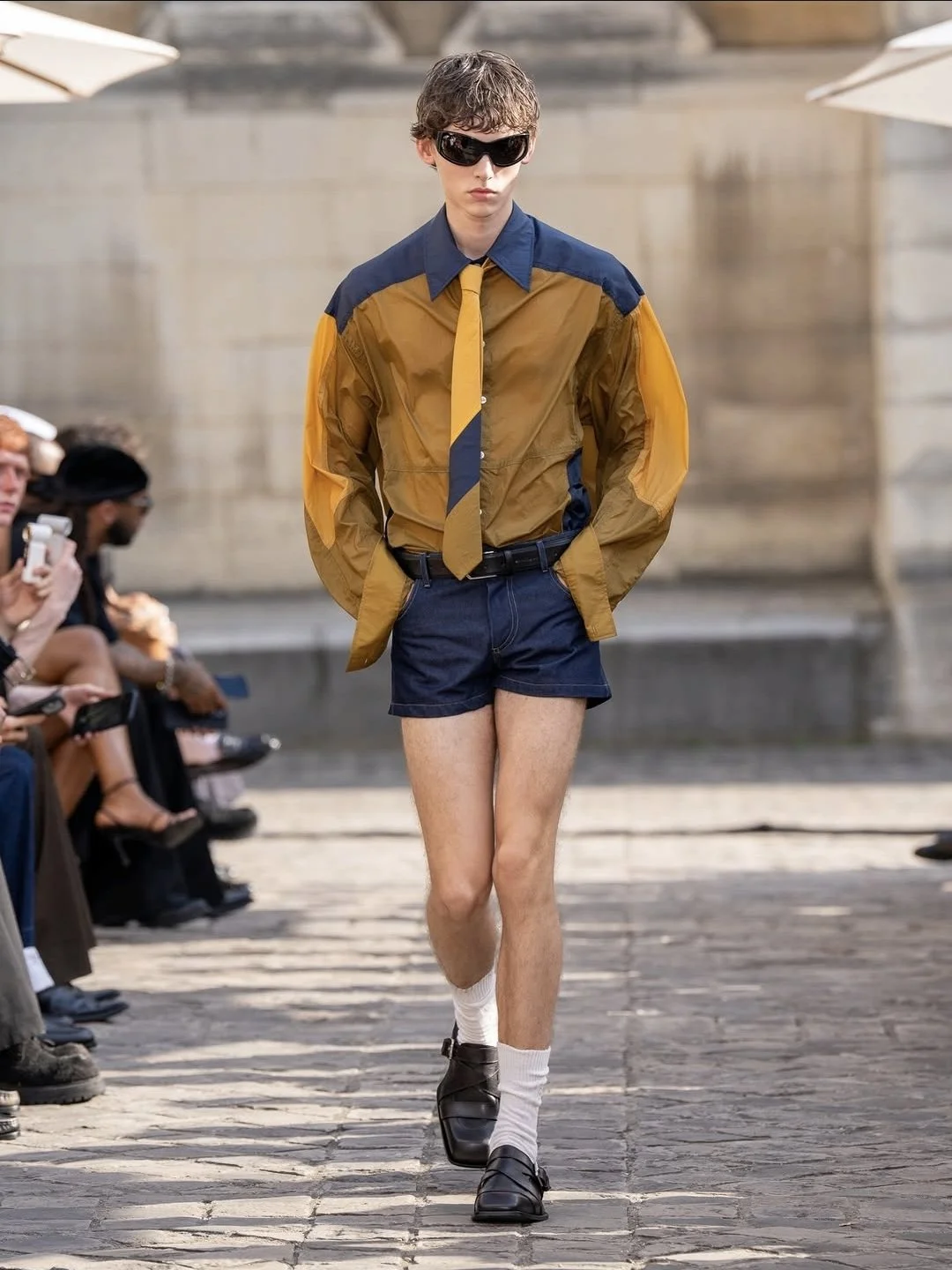
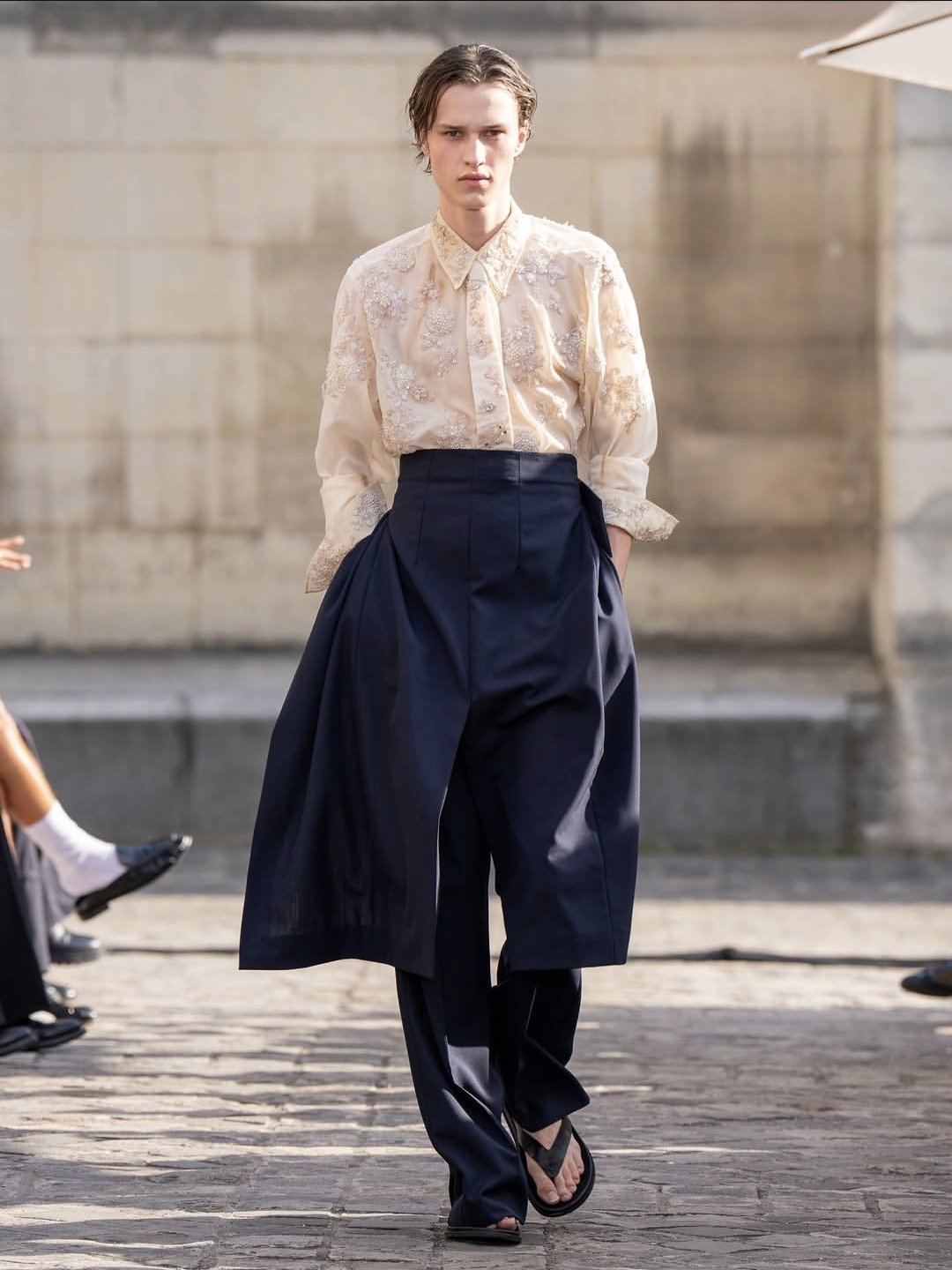
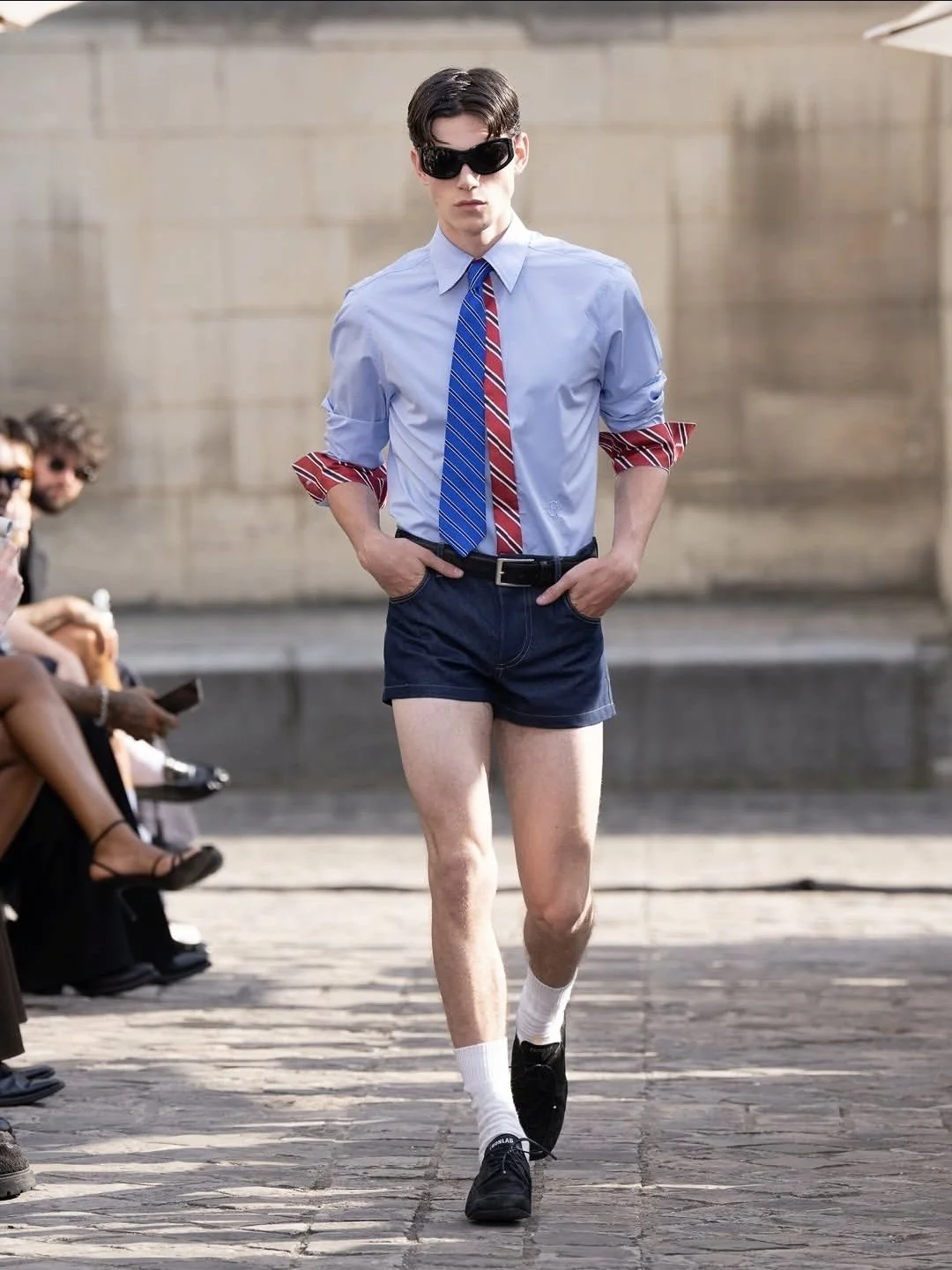
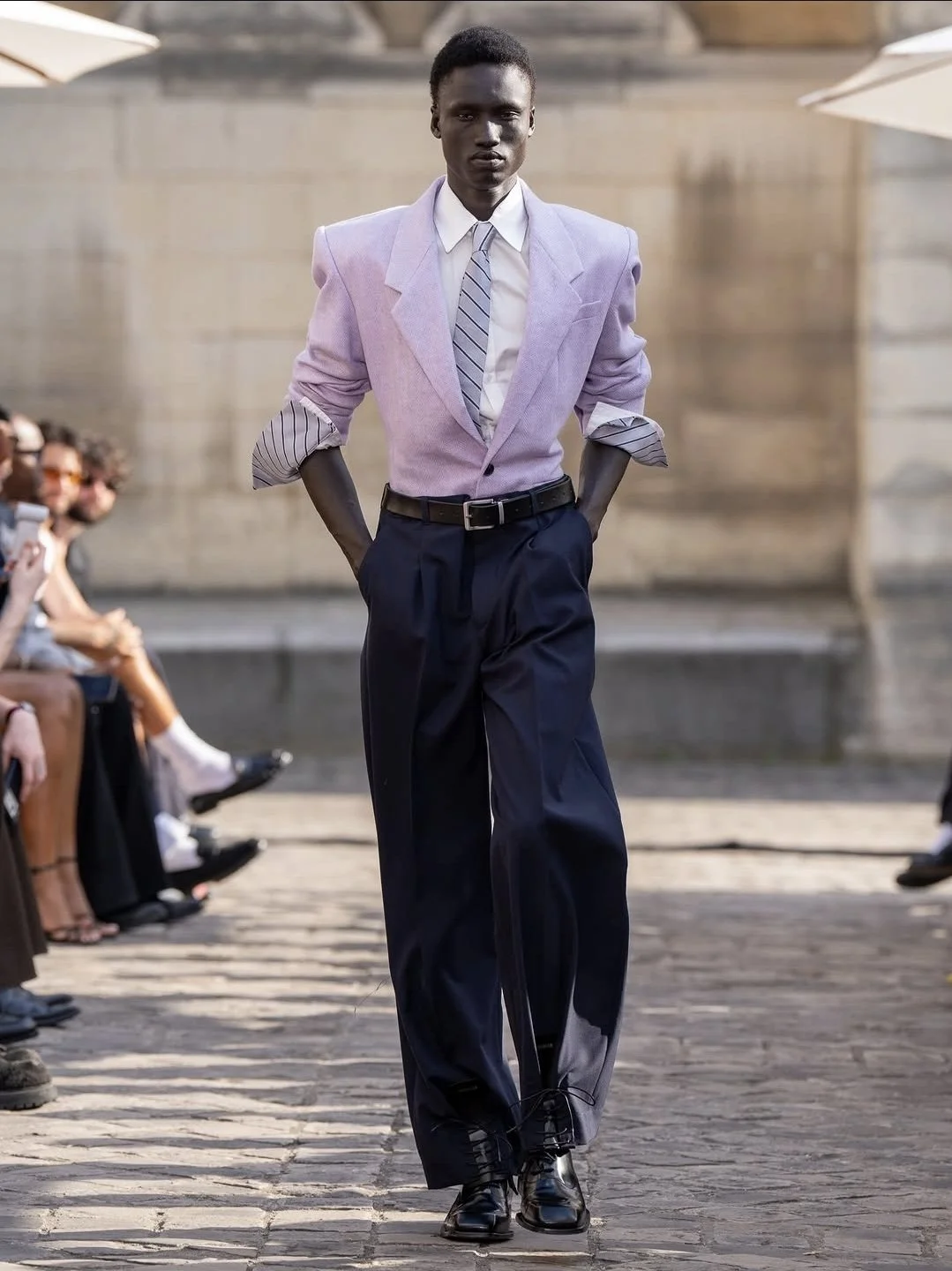
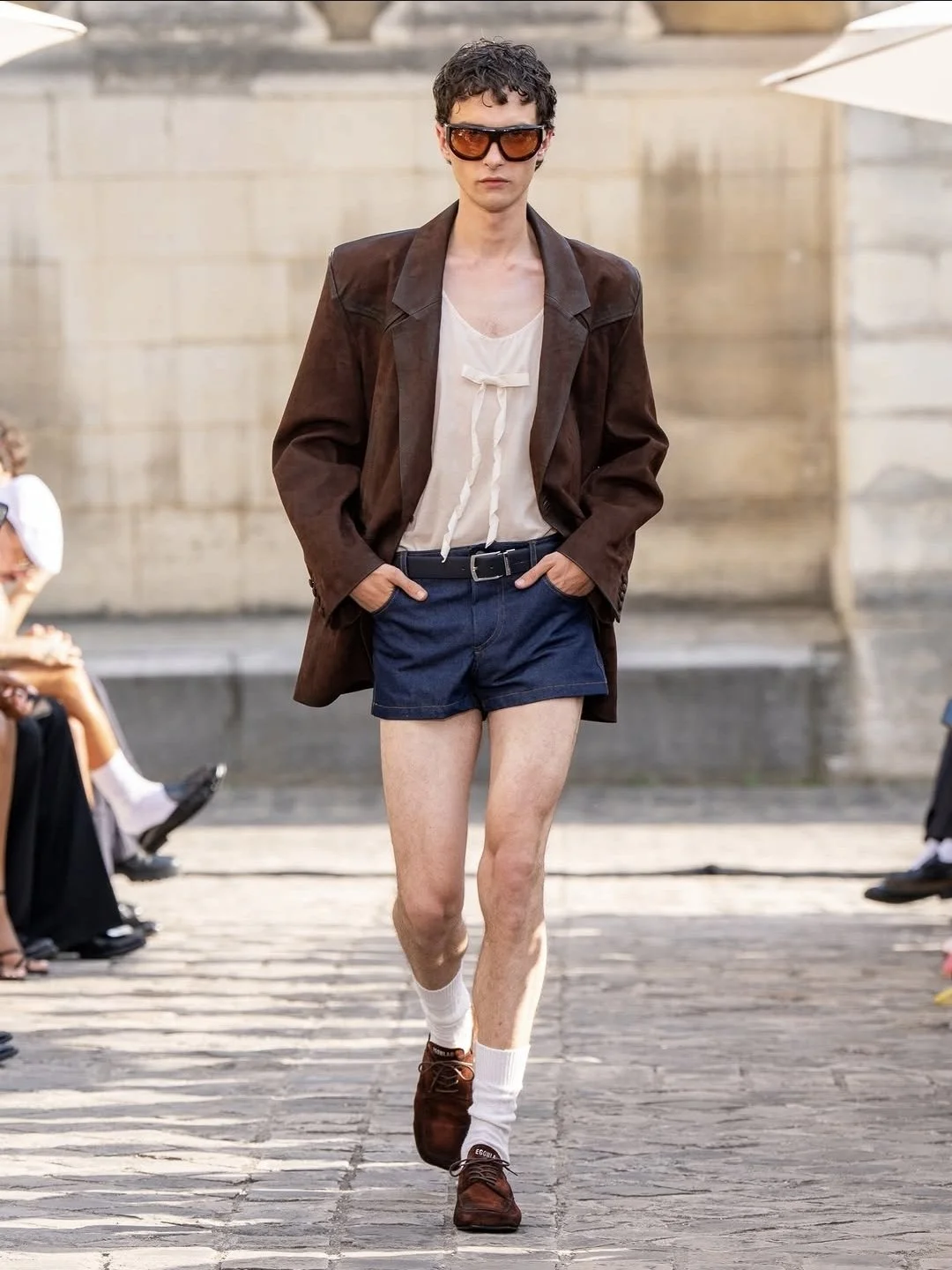
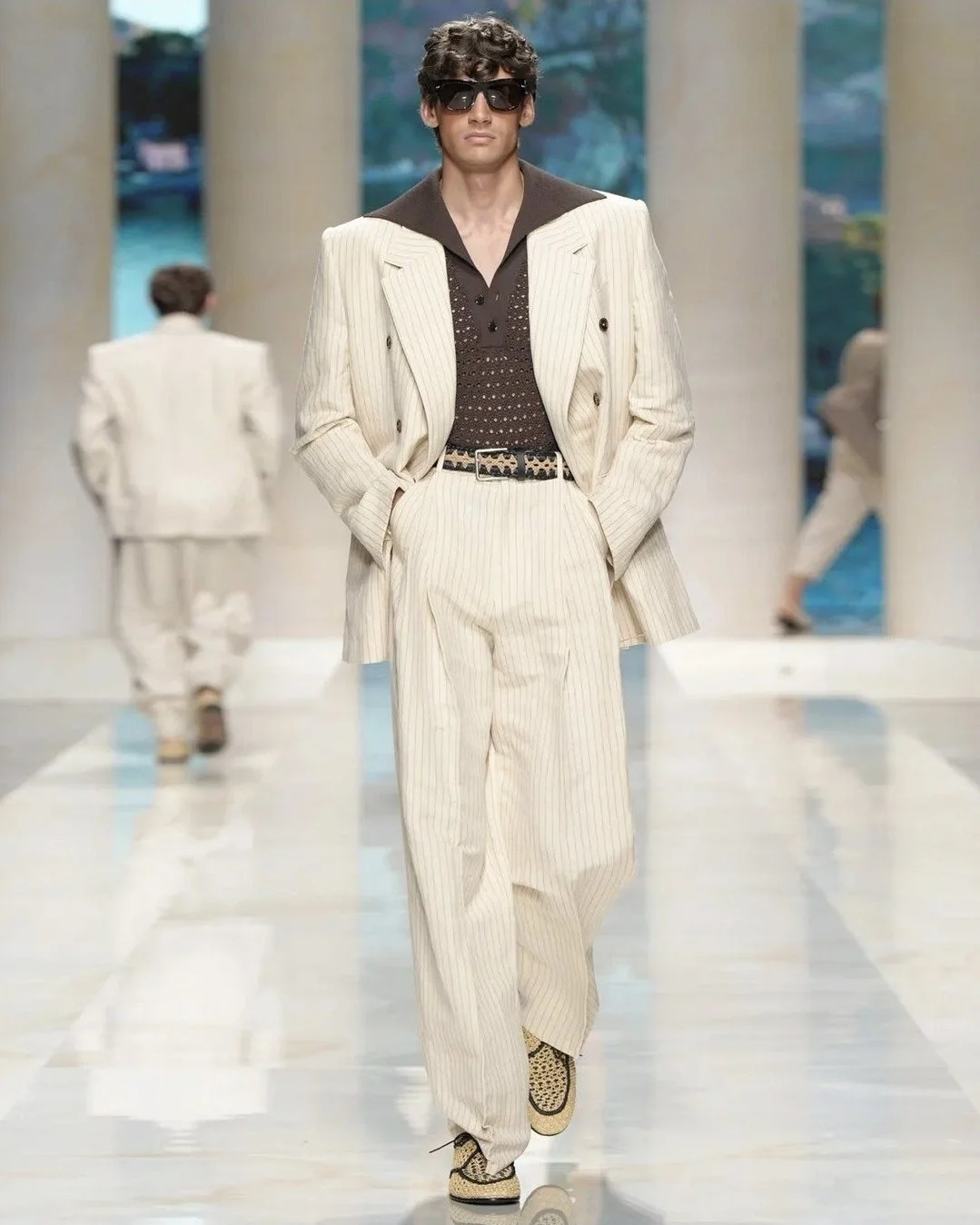
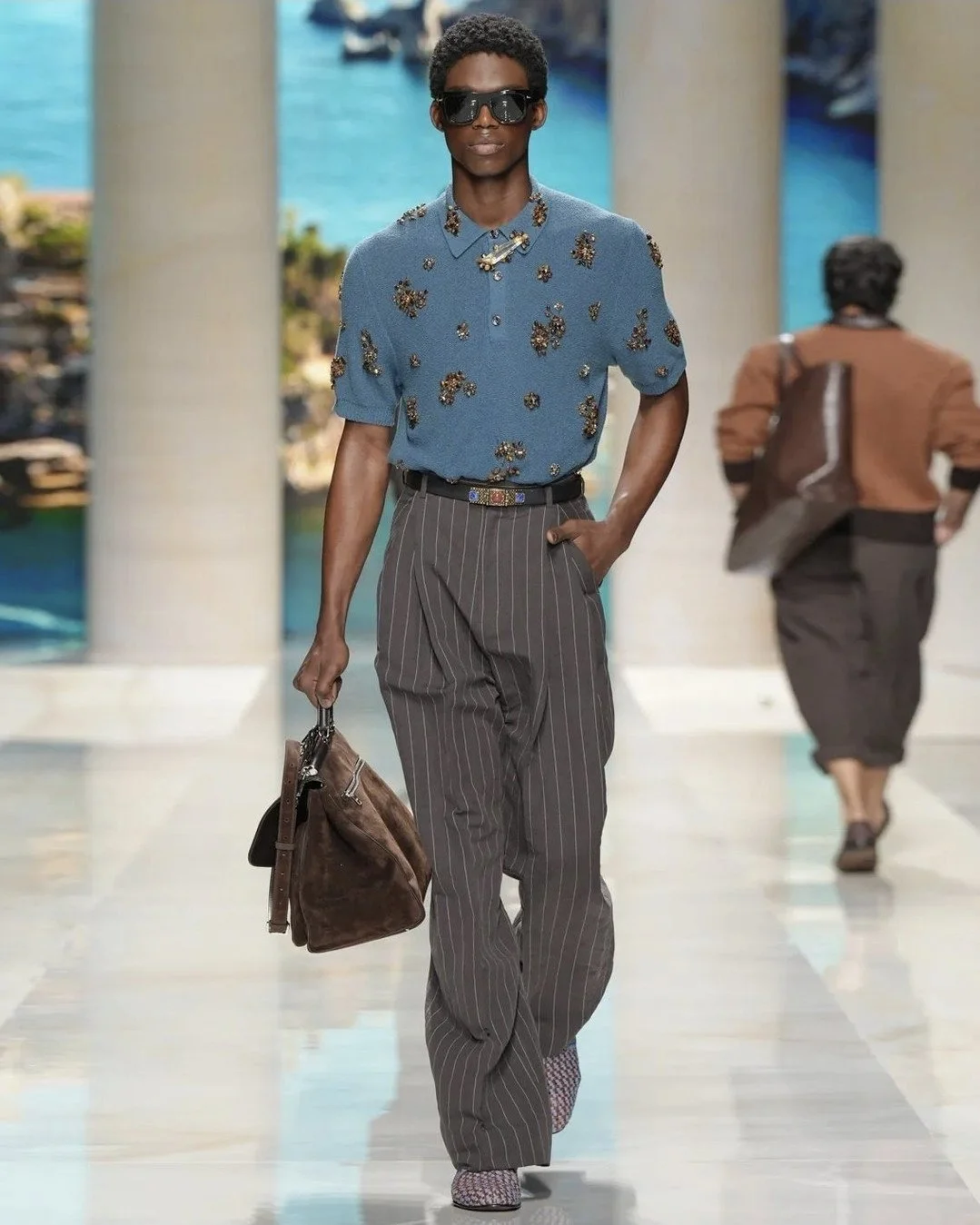
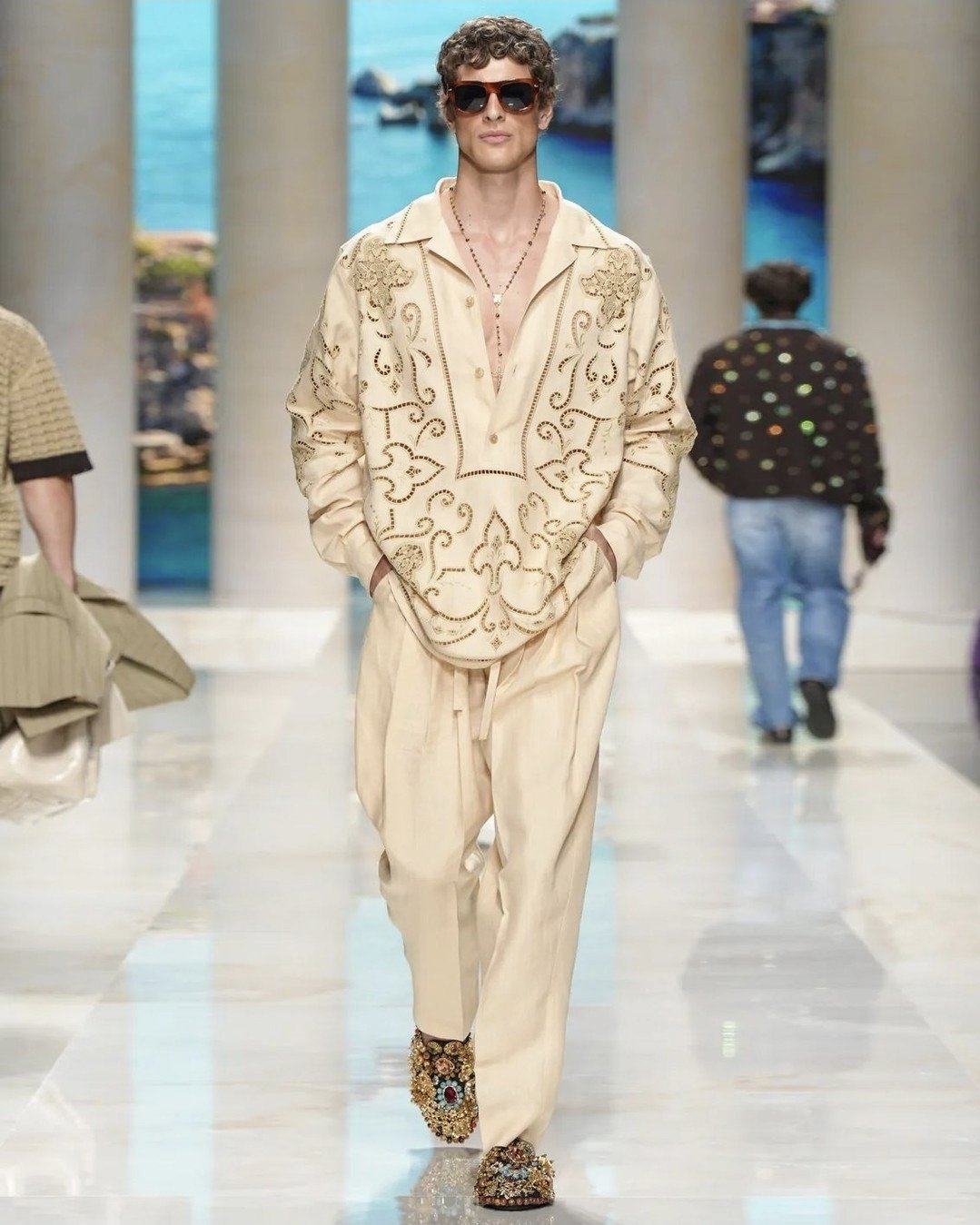
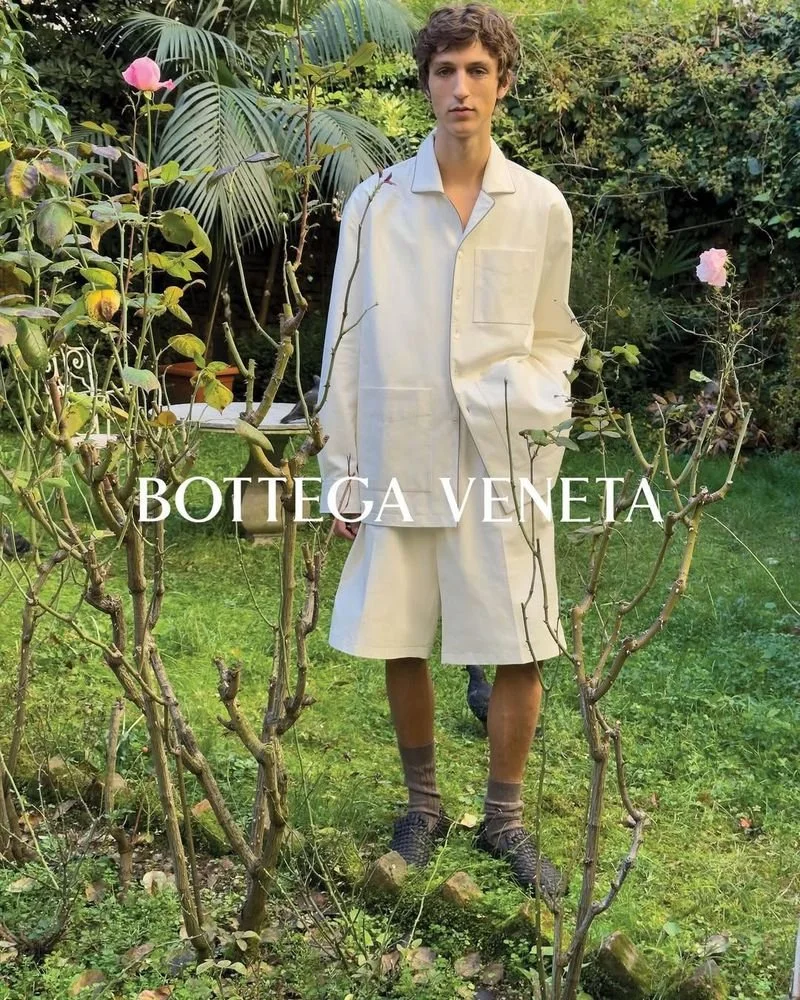
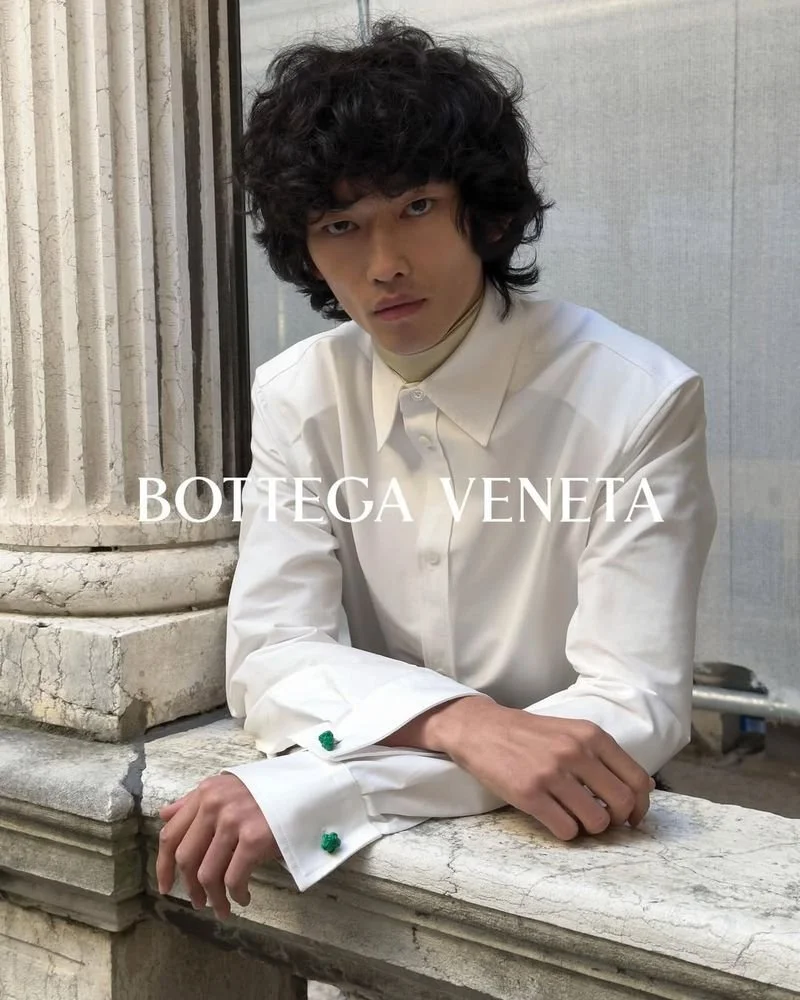
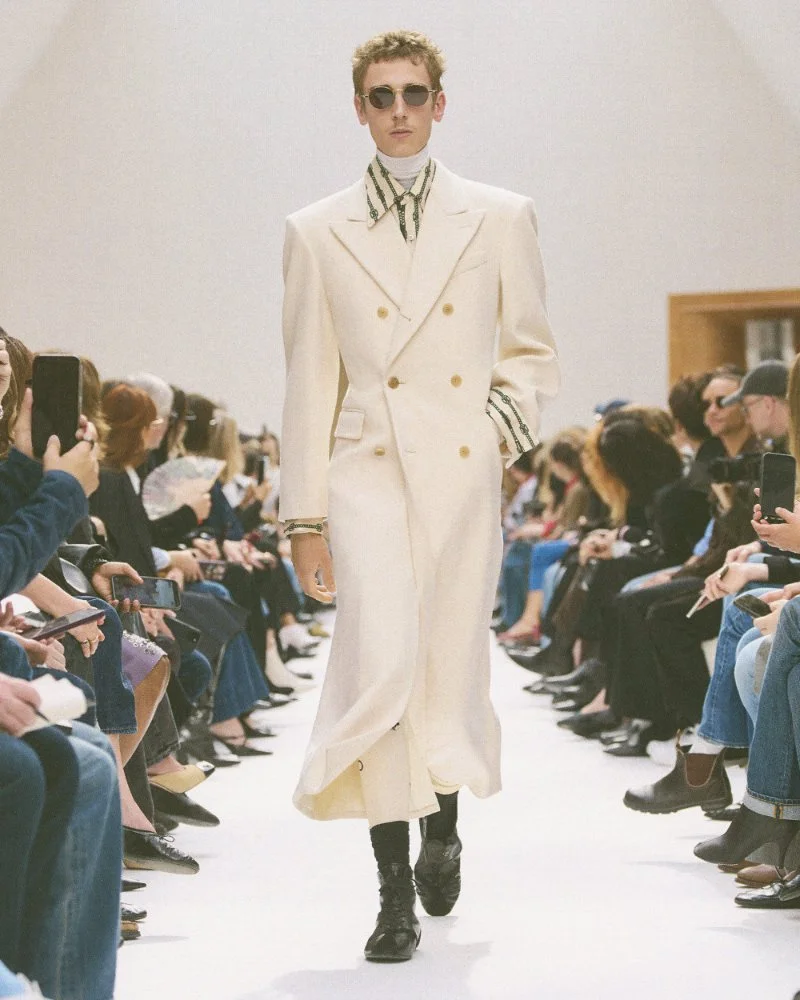
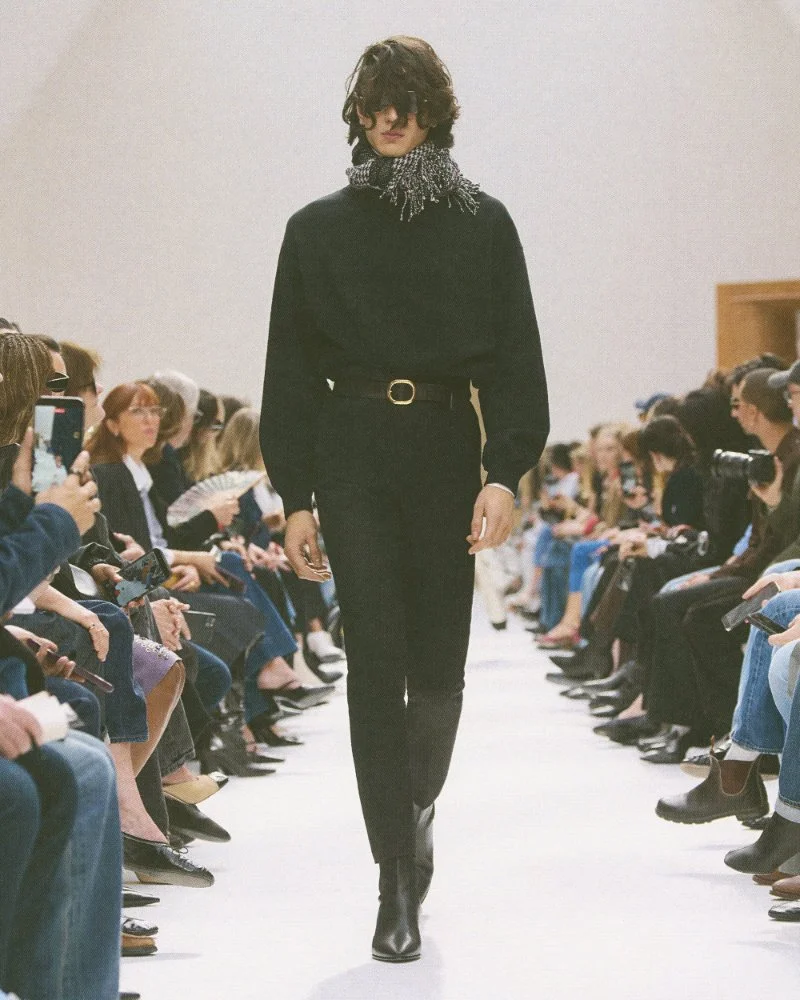
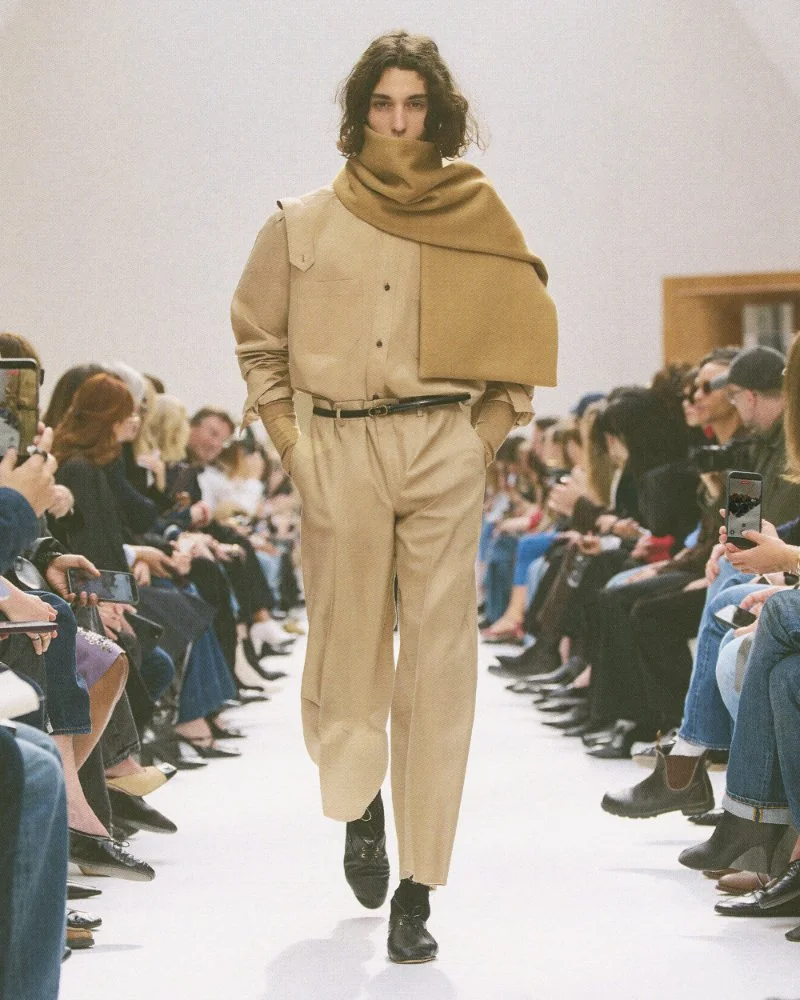
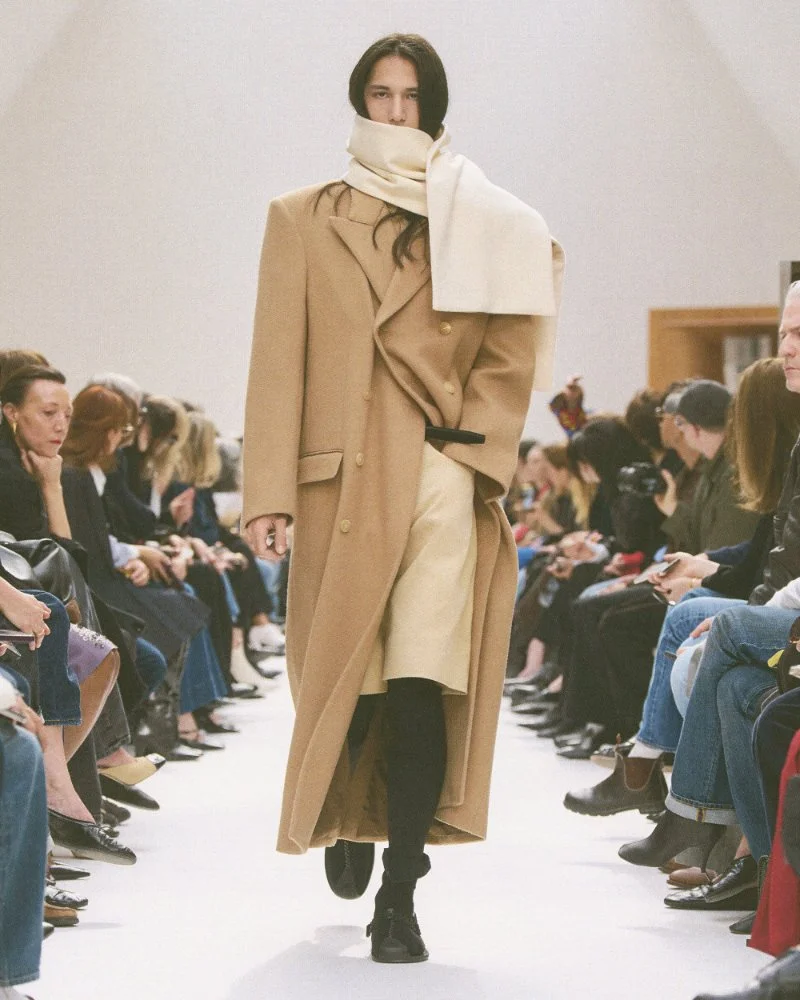
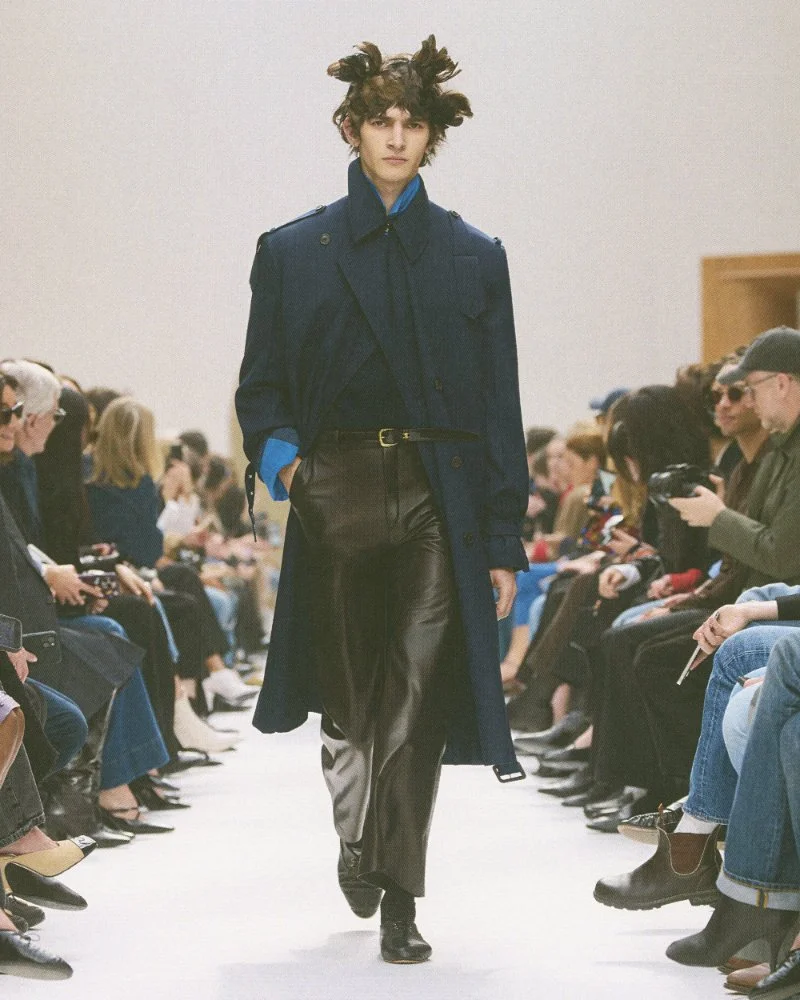
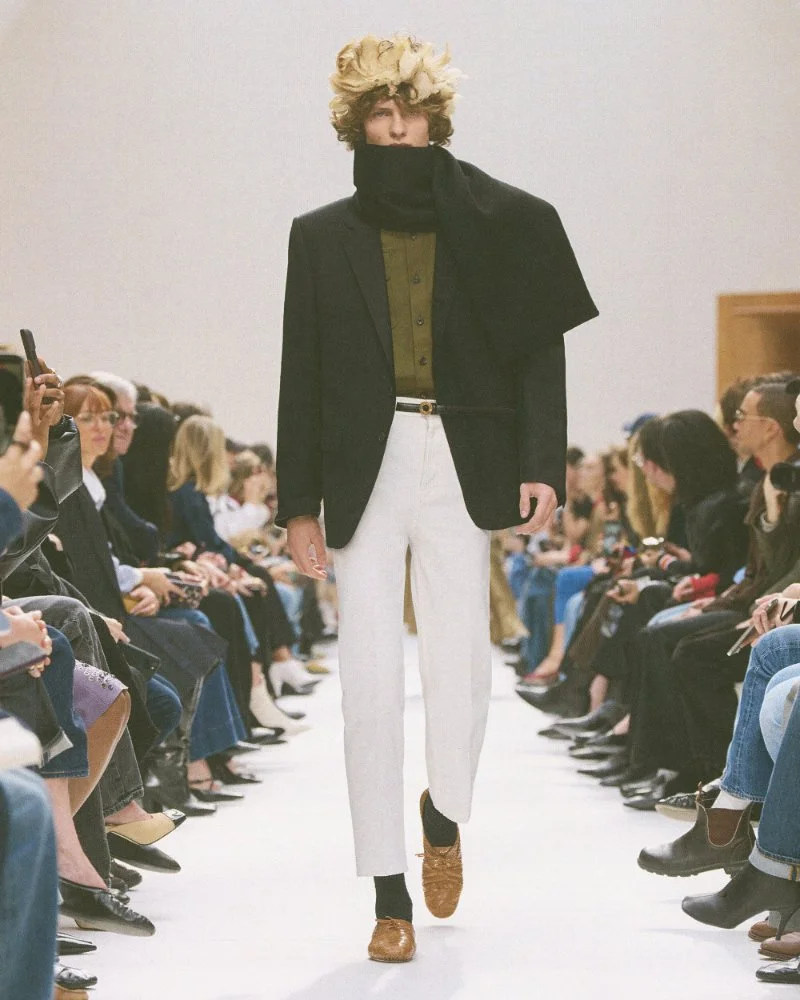
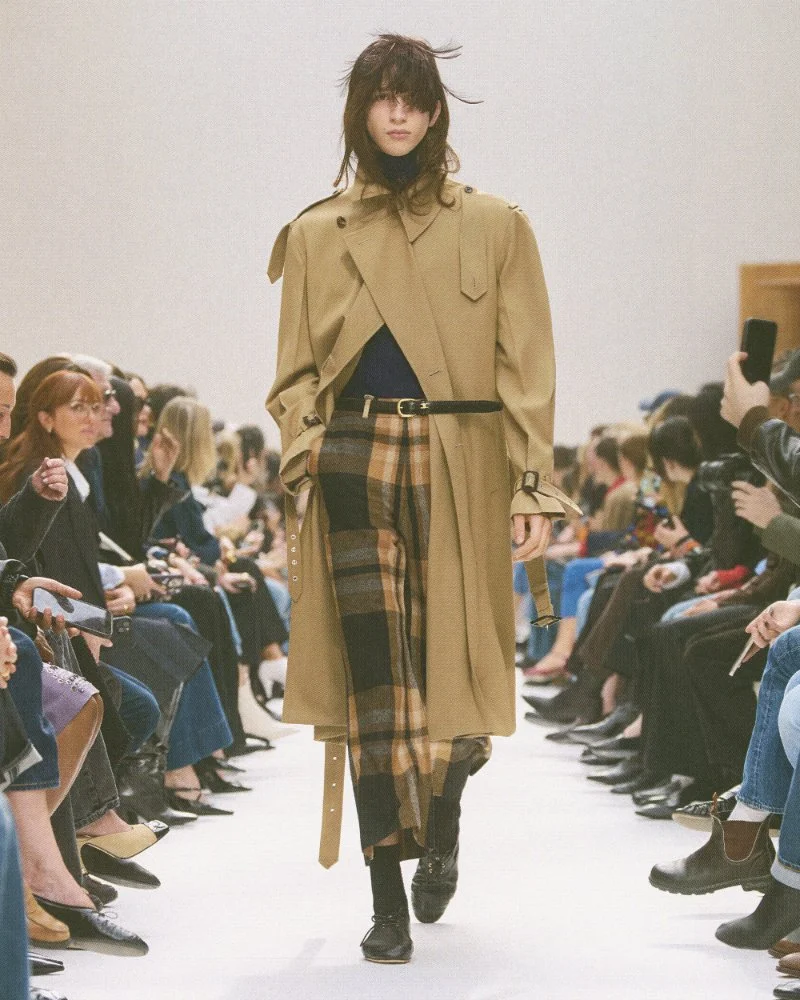
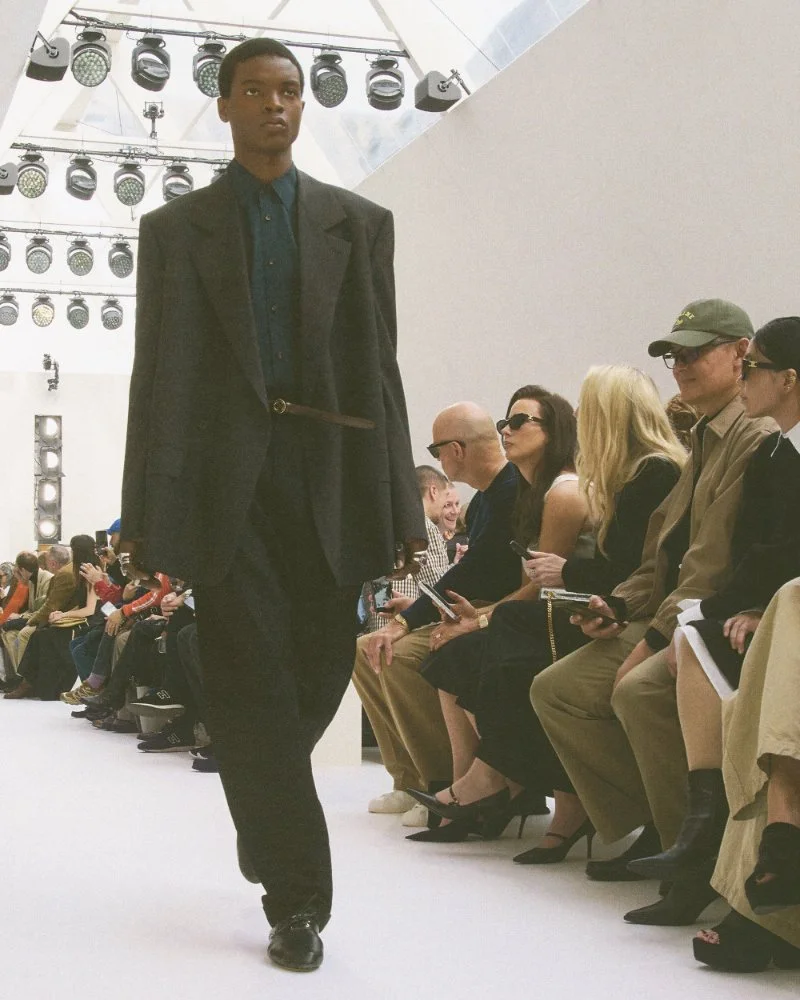
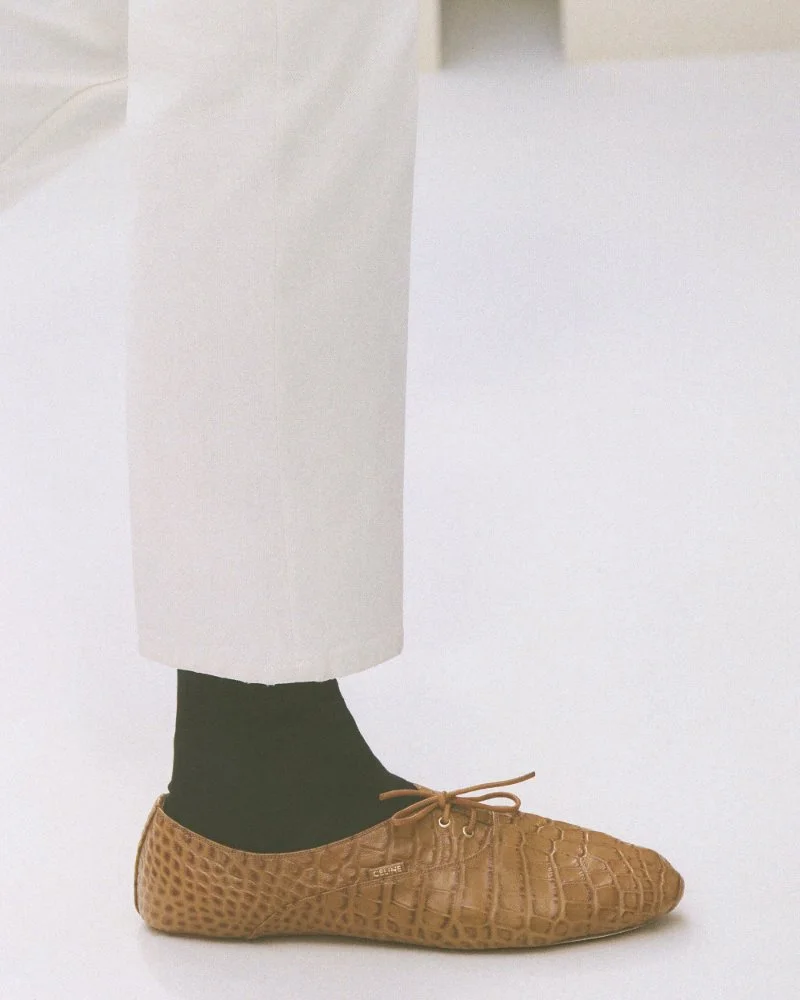
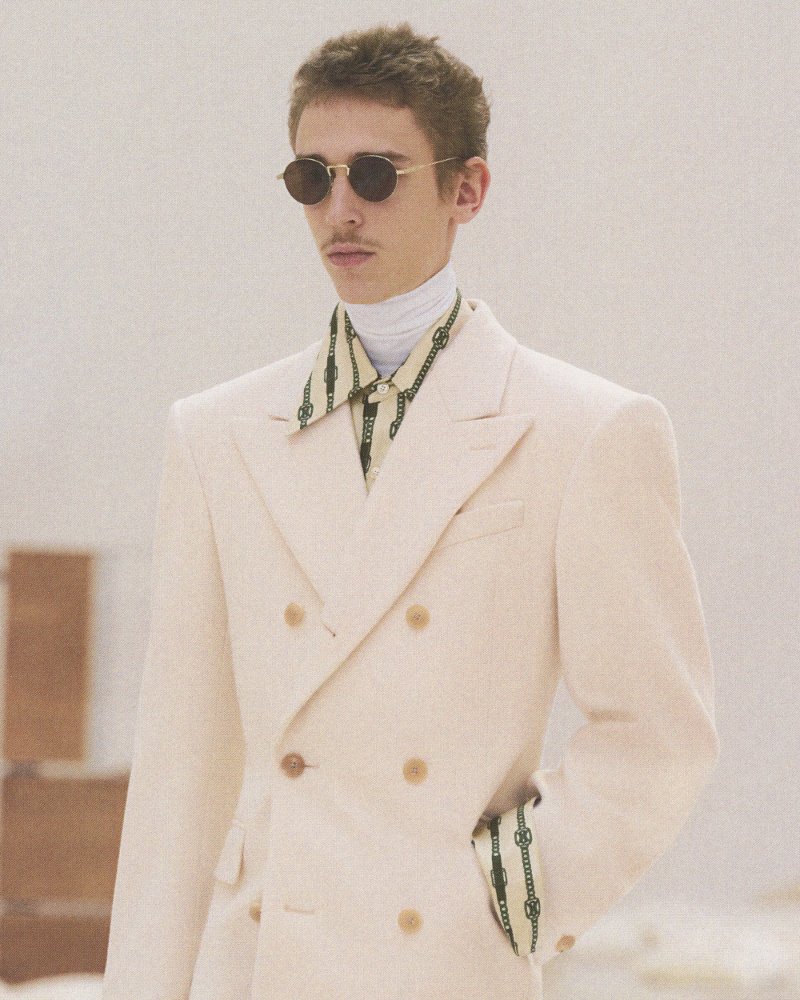
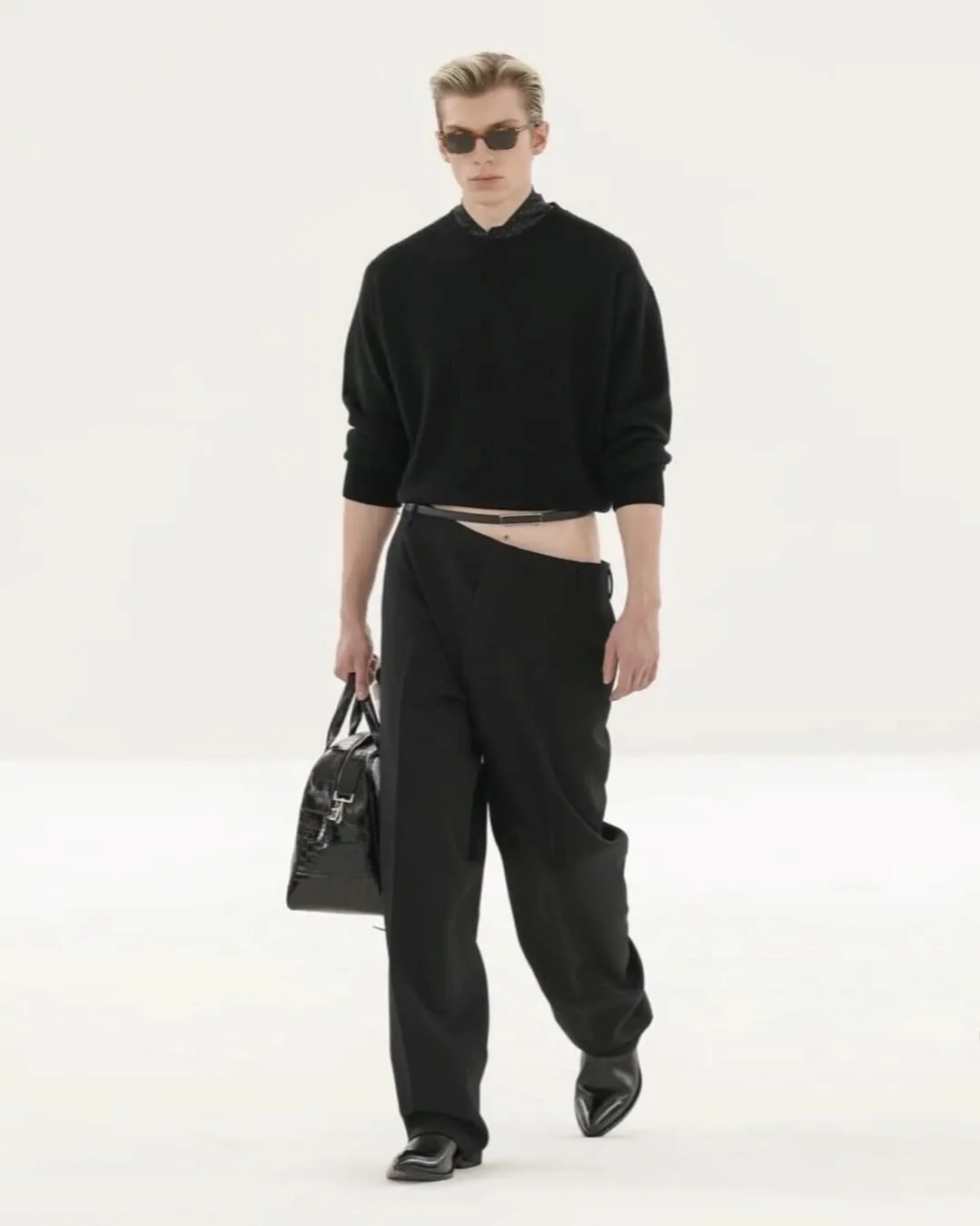
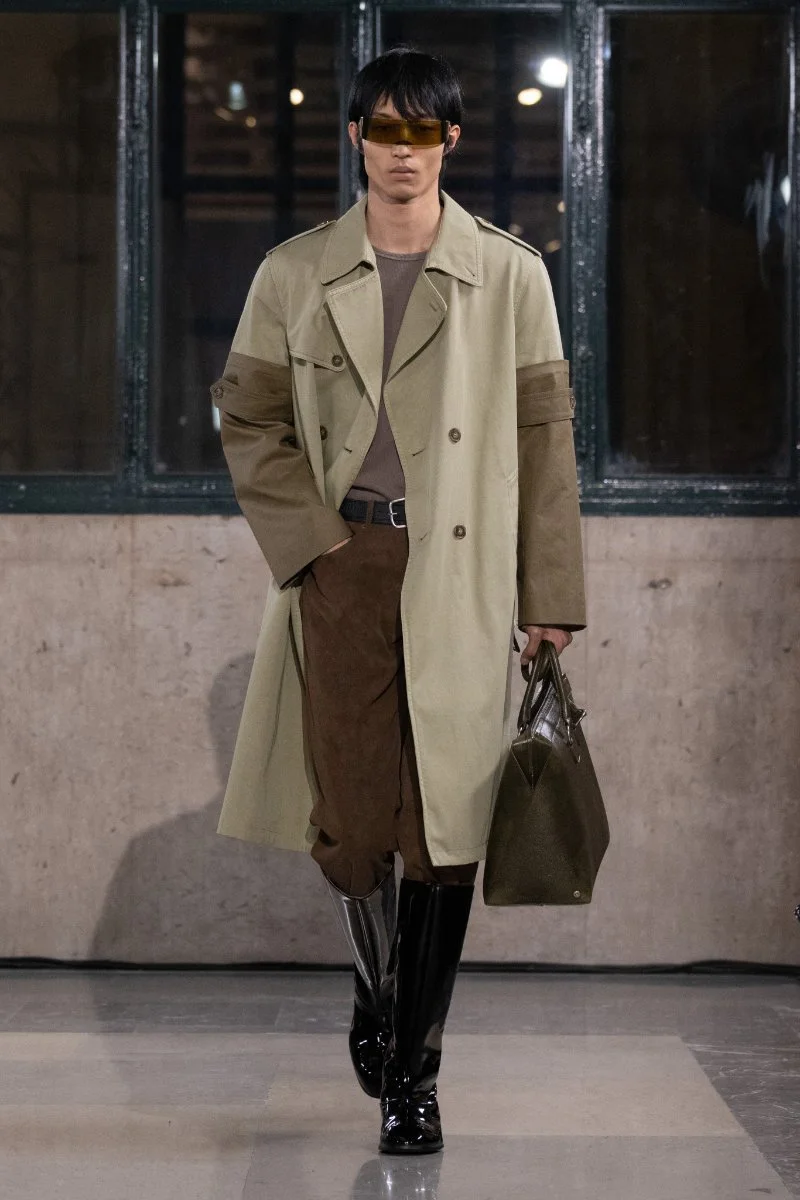
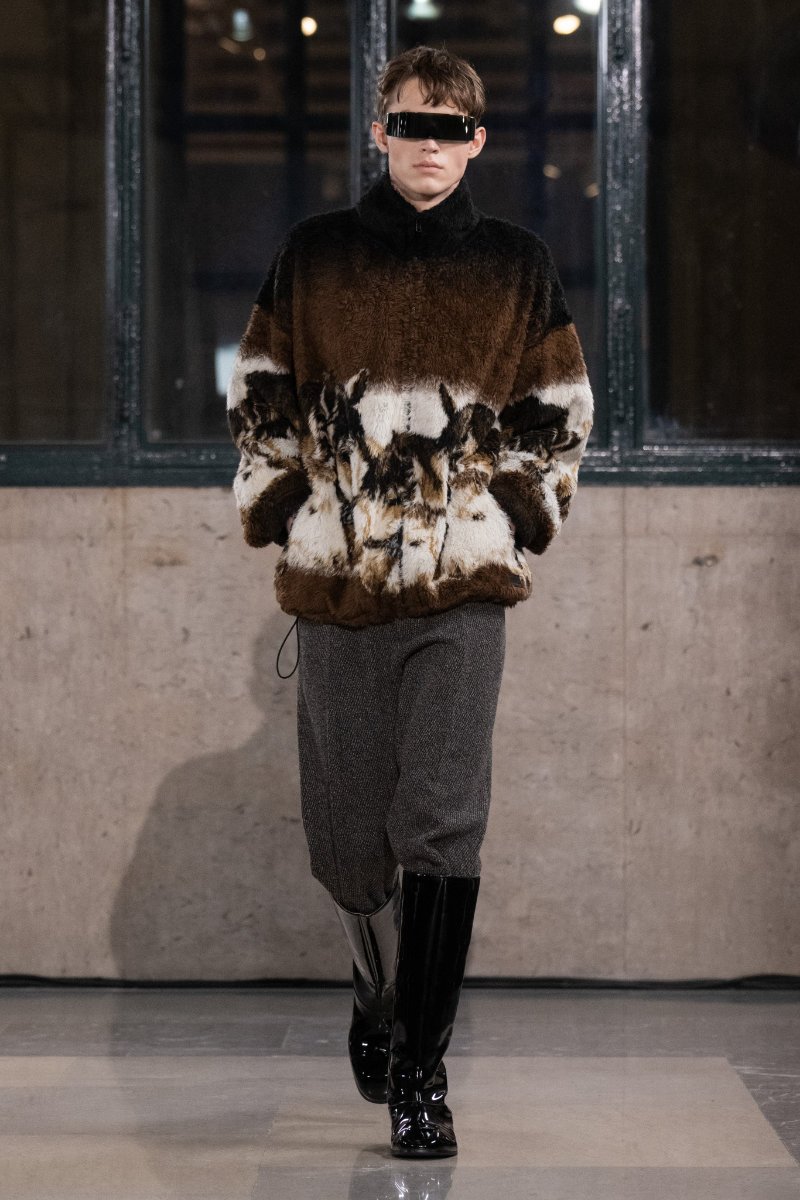
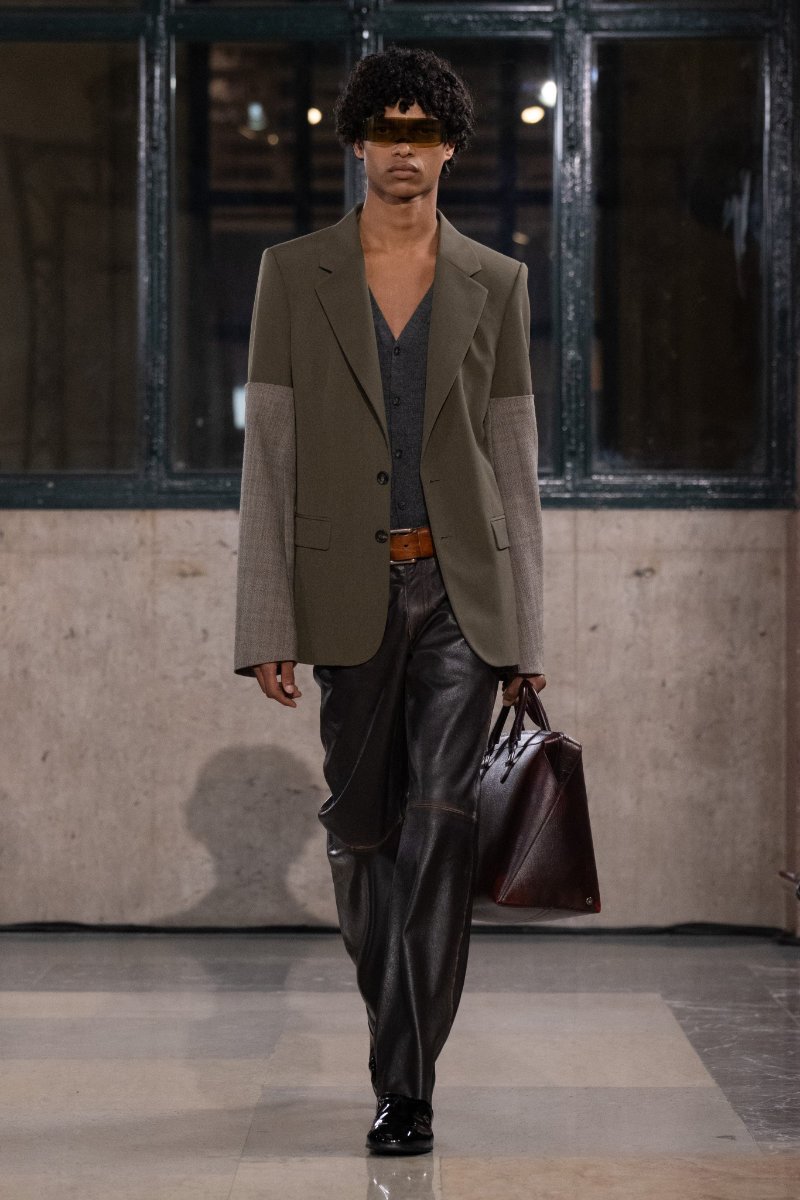
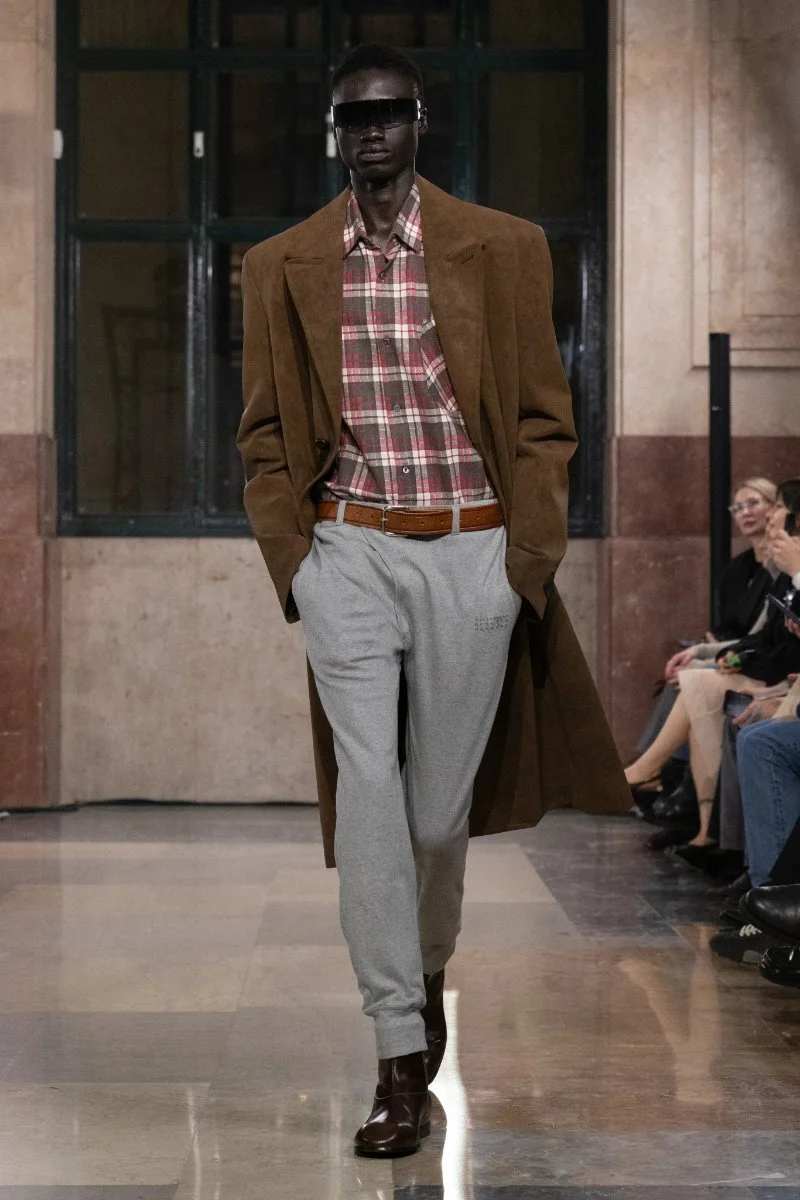
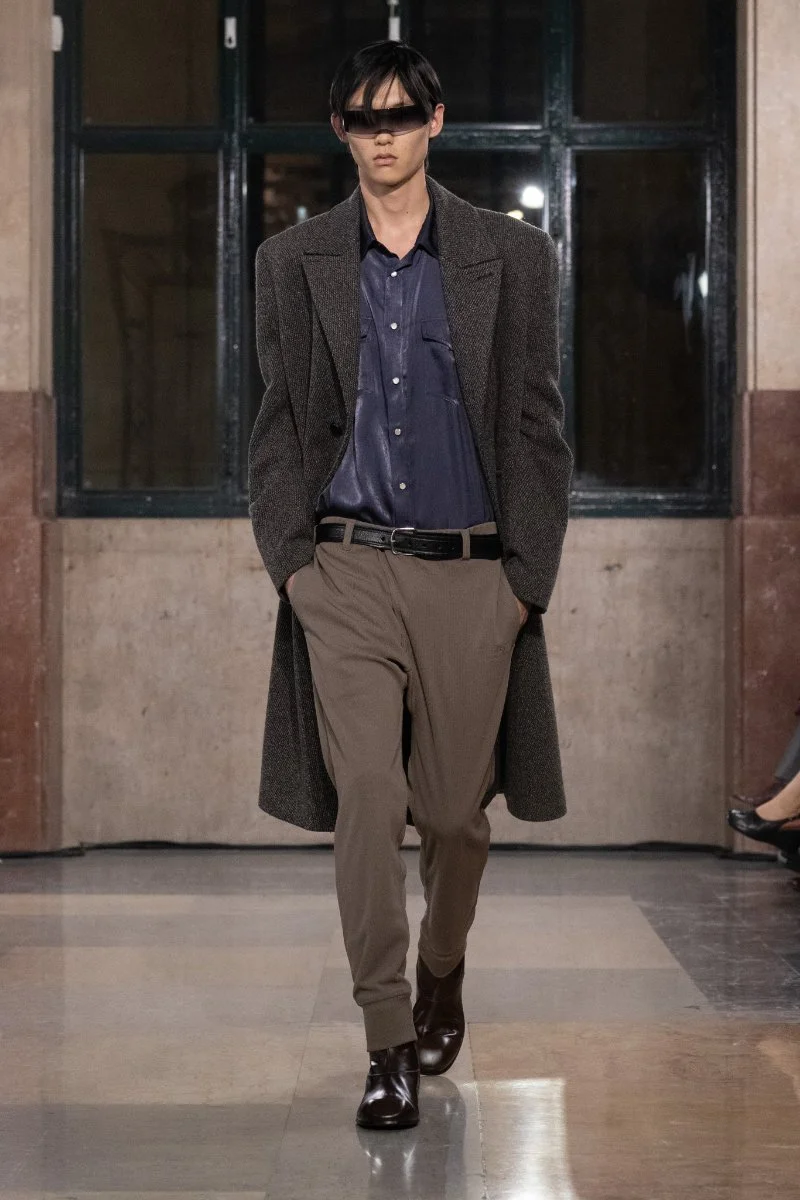
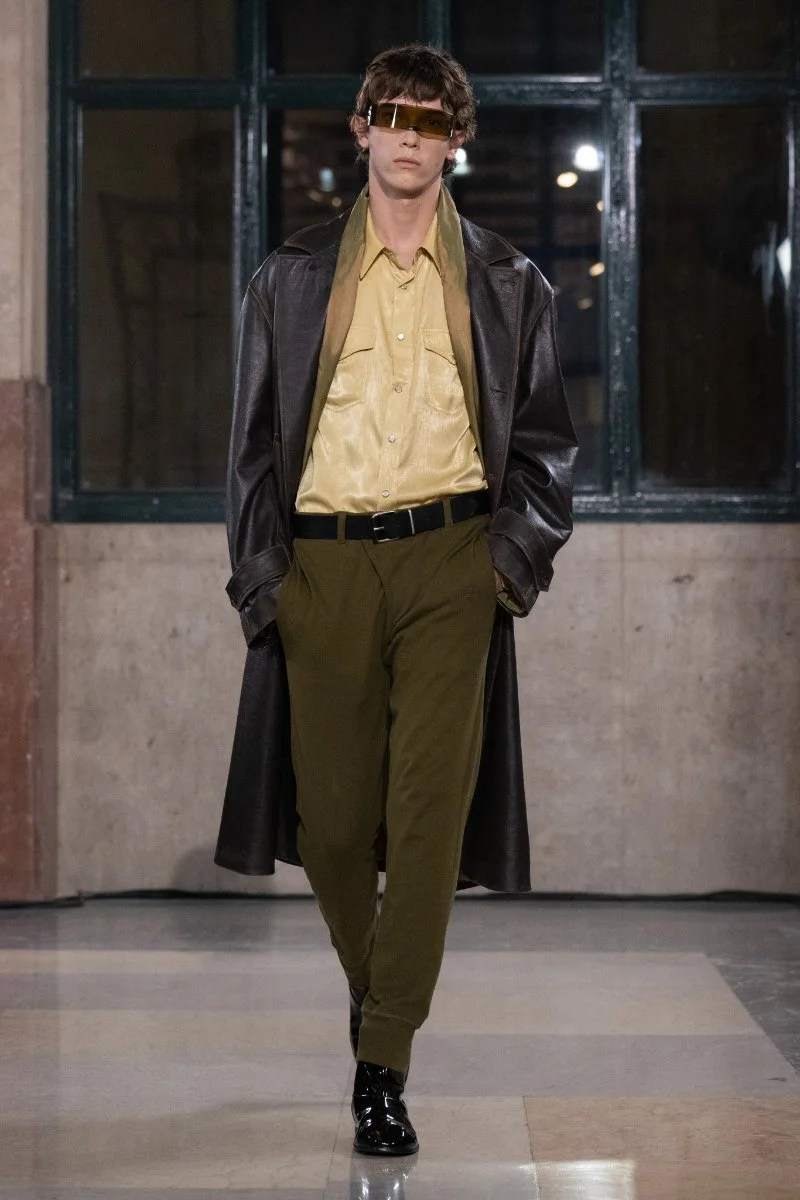
At Paris Fashion Week, Michael Rider presented his third collection for Celine at the historic Institut de France. For REY, the focus naturally falls on the men’s looks — and this season they carried a relaxed confidence that felt instinctive rather than calculated.

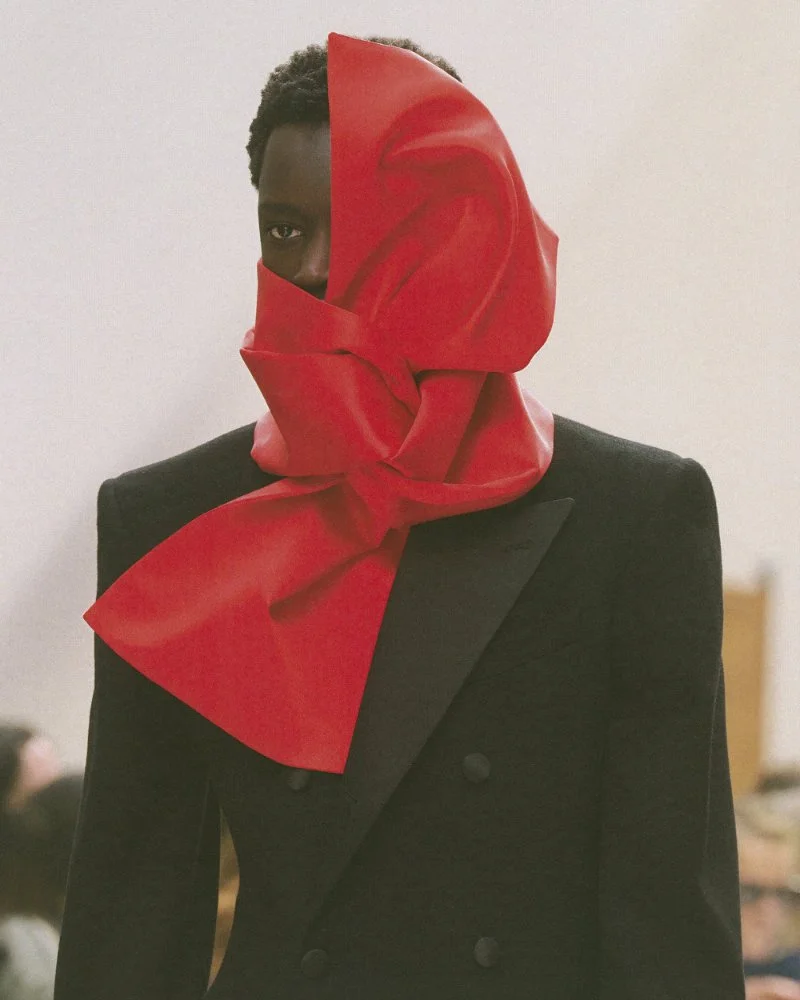
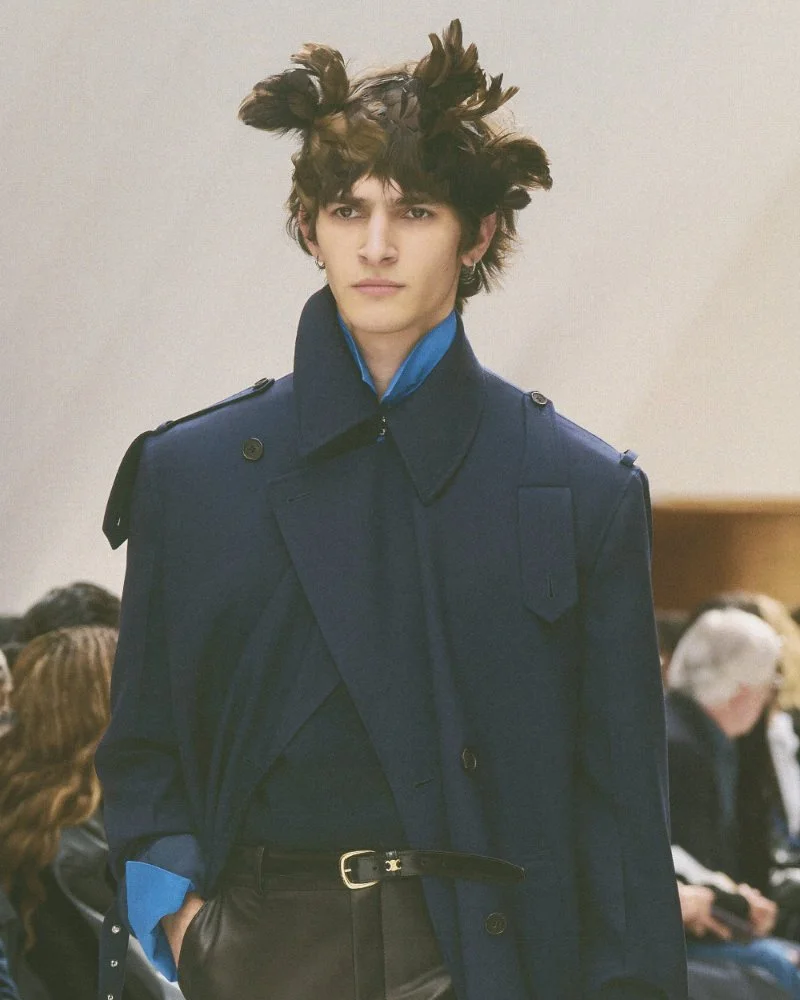
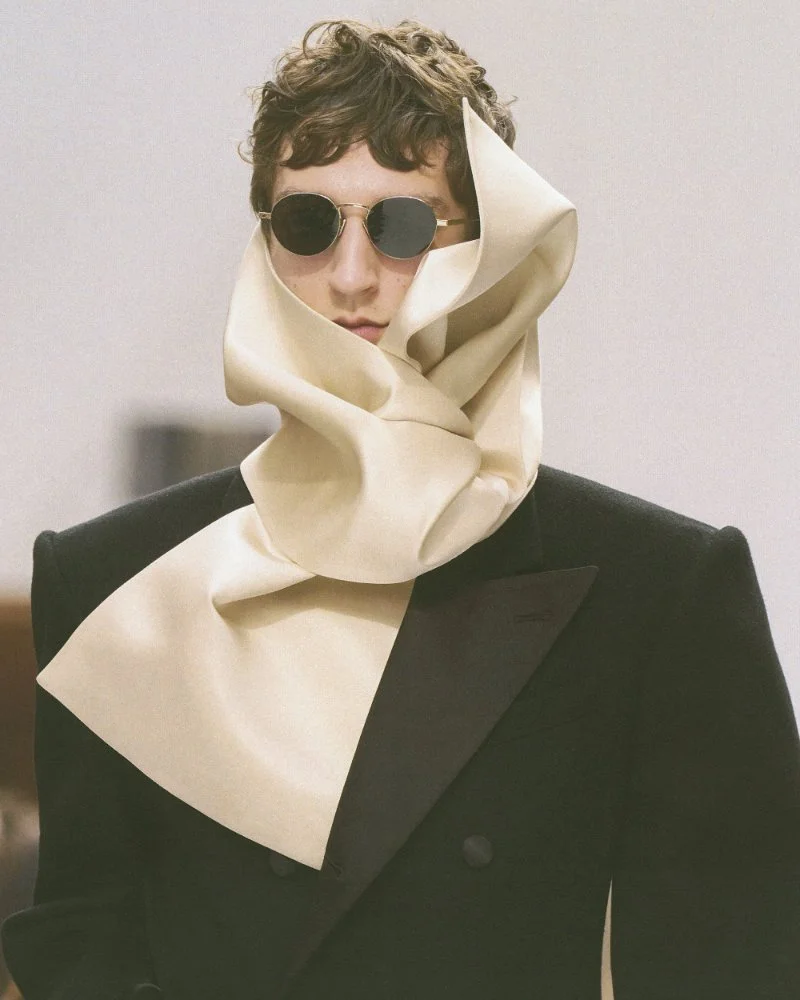
The menswear silhouettes moved with ease. Trousers were tucked in or gently flared at the ankle, creating a casual but deliberate line. Necklines twisted and wrapped in unexpected ways, while feathers scattered through slightly messy hair added a playful irreverence. The clothes felt wearable and fluid, designed to mix easily with each other or slip naturally into an existing wardrobe. What stood out most was a subtle eccentricity — a willingness to let pieces feel a little offbeat without losing their polish.

Accessories, always a strong pillar of the house, remained central. Bags and sunglasses reinforced the brand’s established codes, but scarves quietly stole the spotlight. For those who collect vintage Celine, this season’s designs already feel like the future classics.

In a letter accompanying the collection, Rider spoke about confidence and intuition, rejecting the need for heavy conceptual frameworks. Instead, he celebrated style as something personal and instinctive. The message resonates strongly through the menswear: great clothes worn with individuality, where imperfection, character, and personal attitude matter more than rigid fashion formulas.

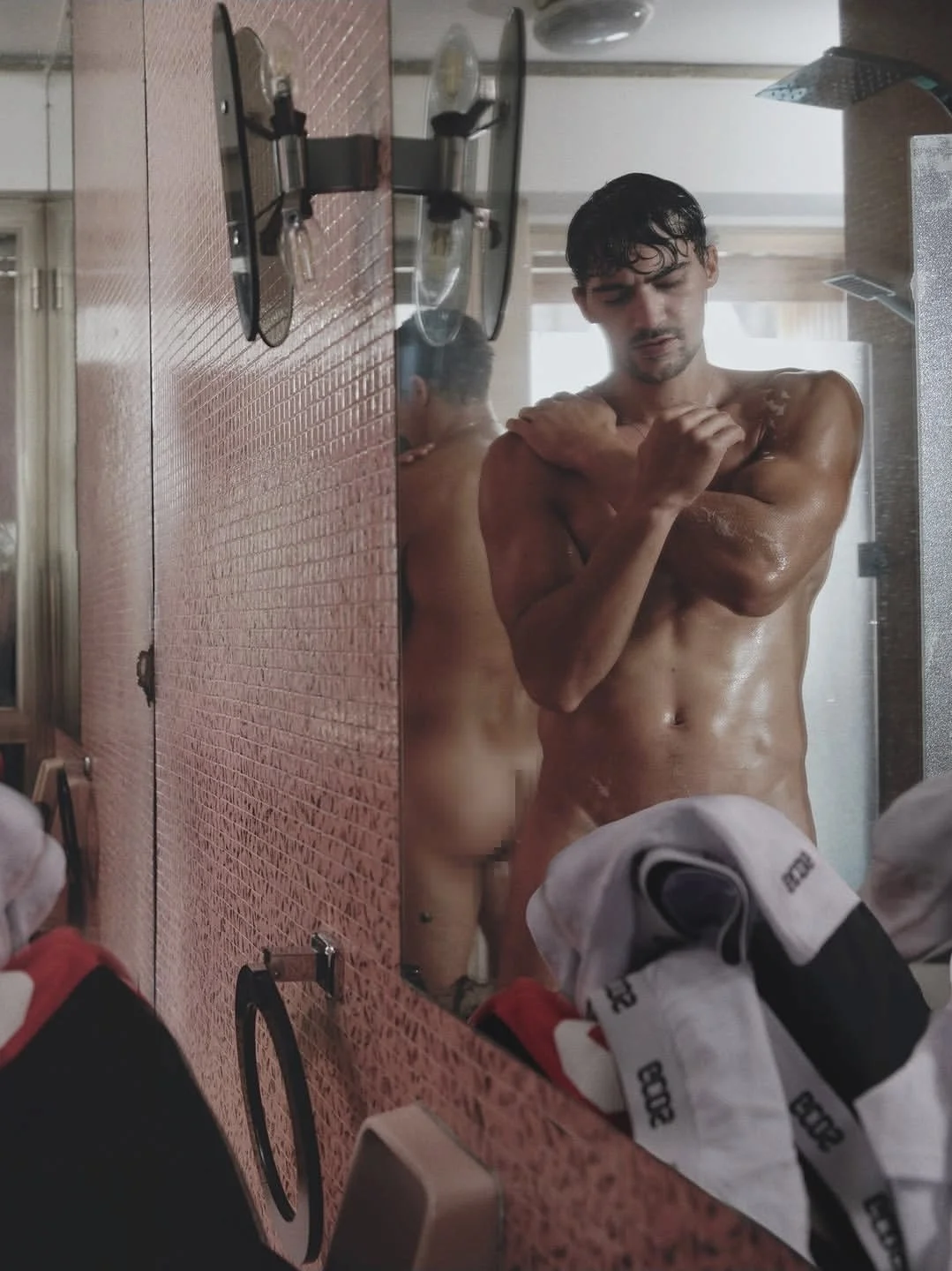
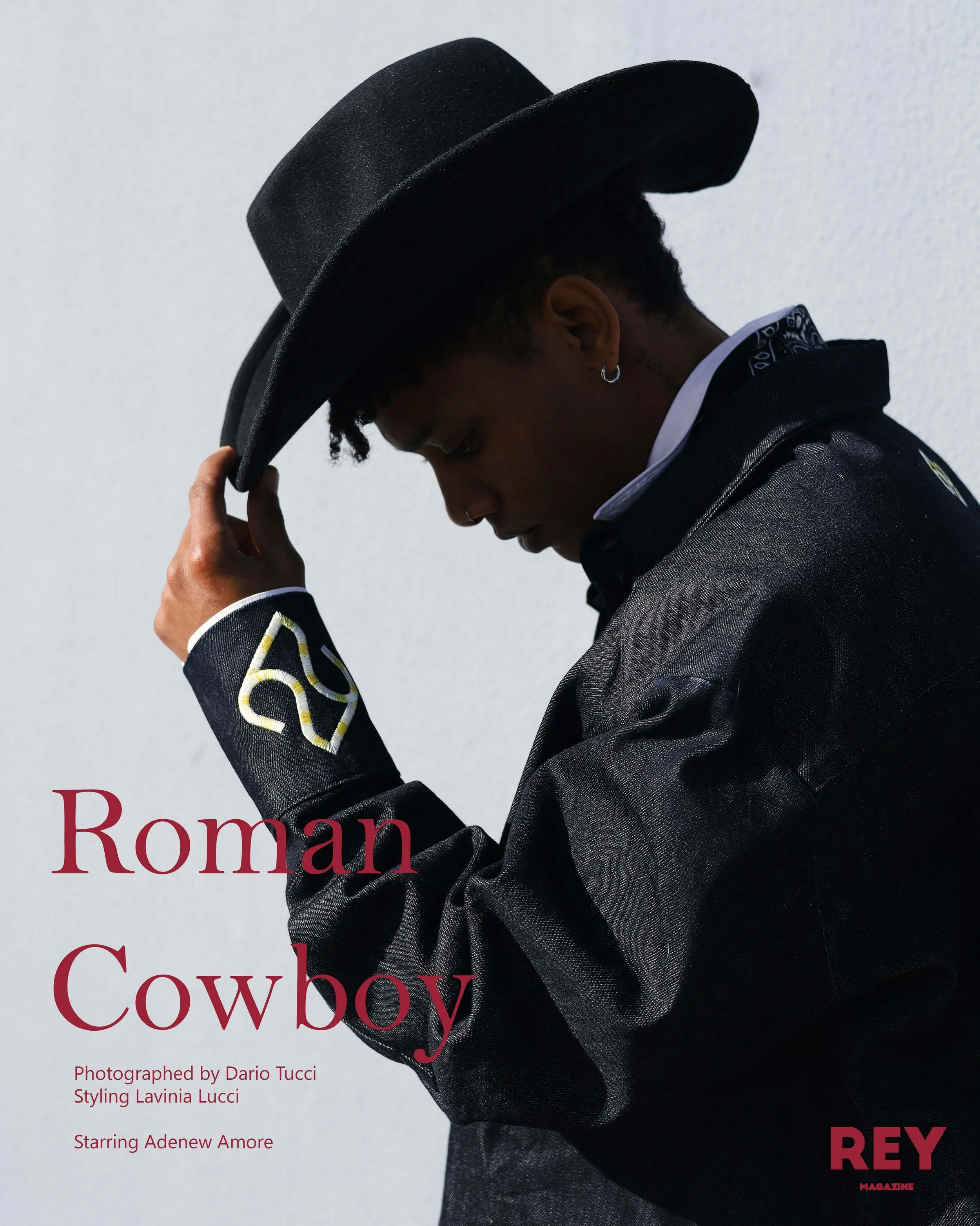
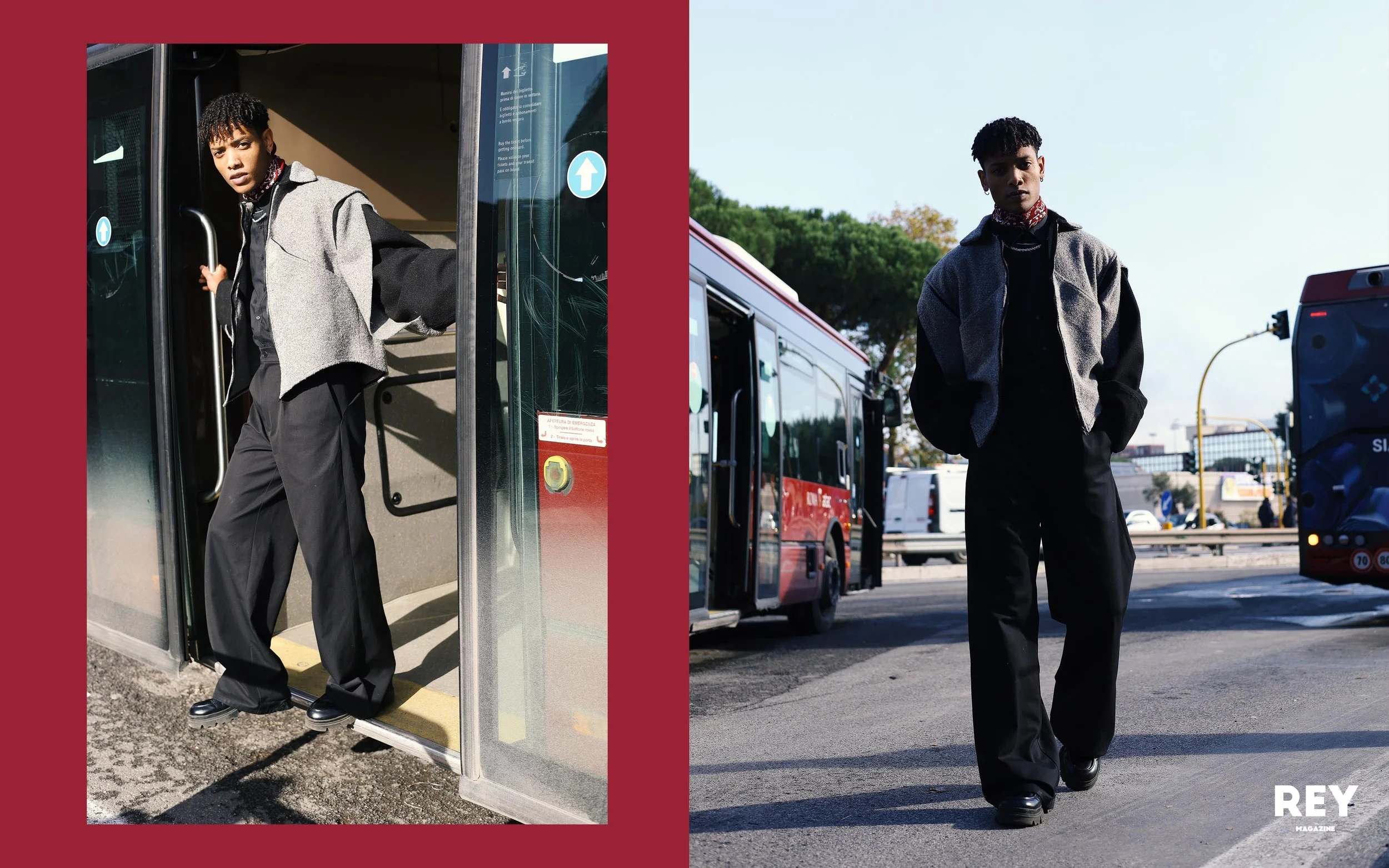
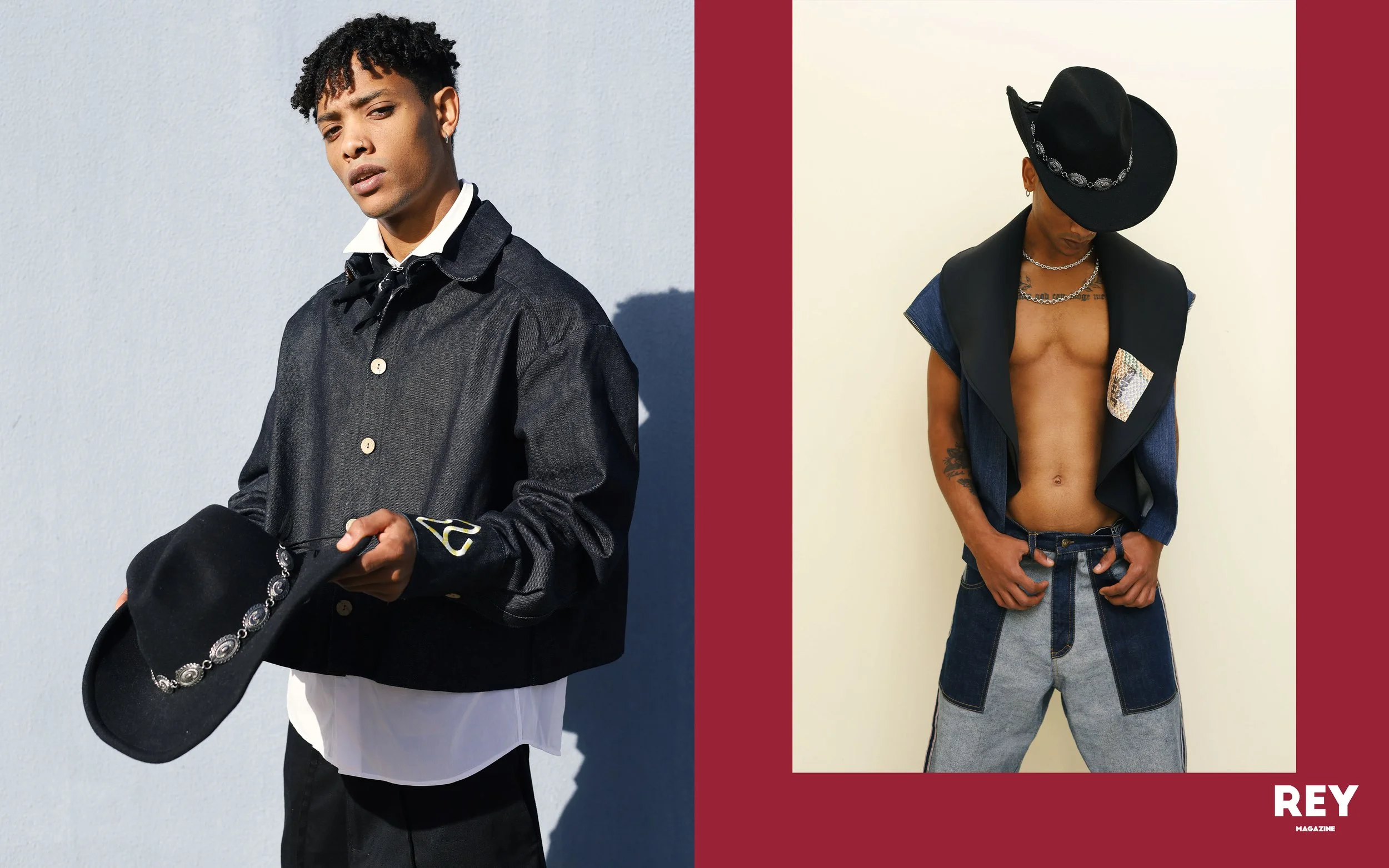
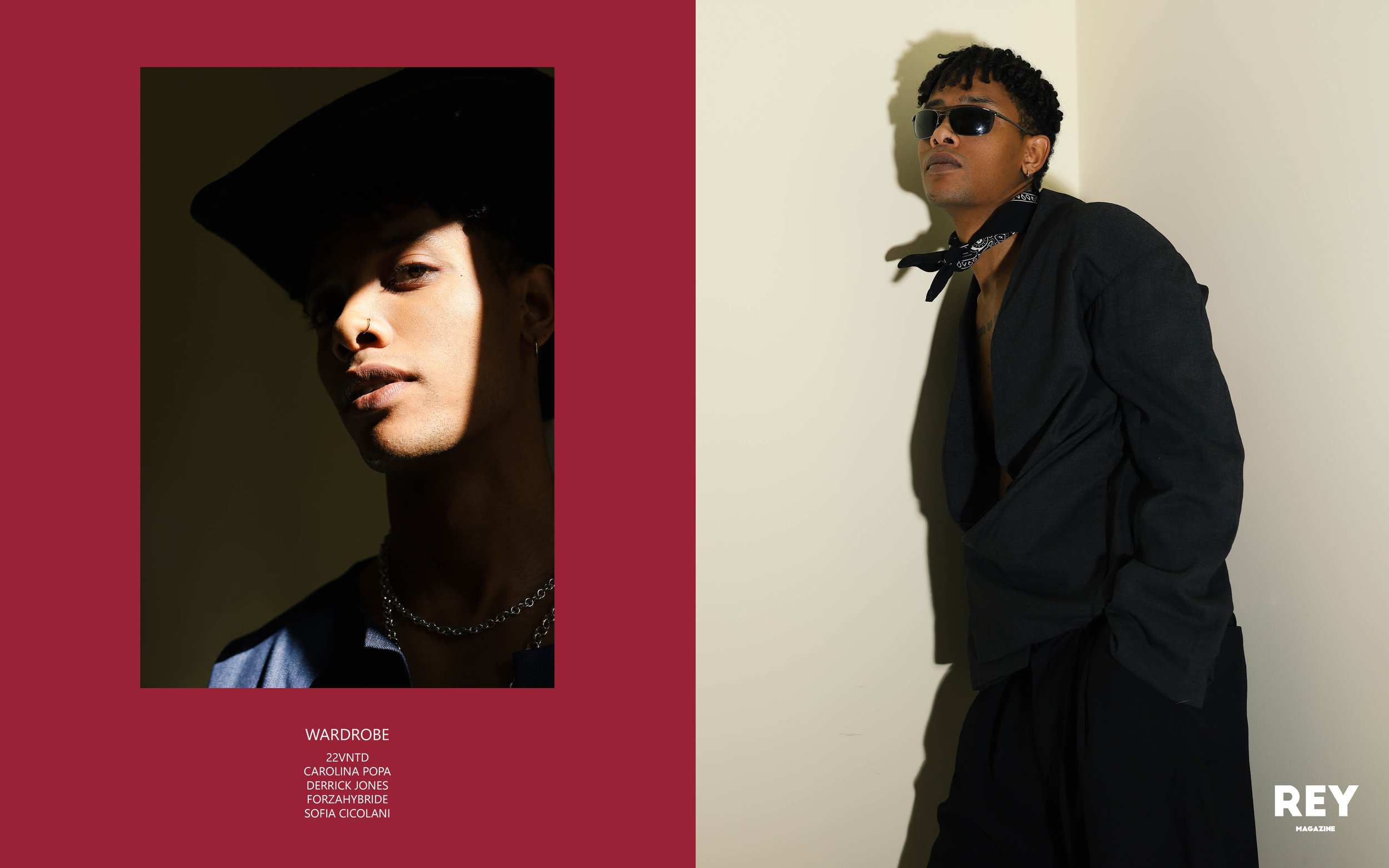
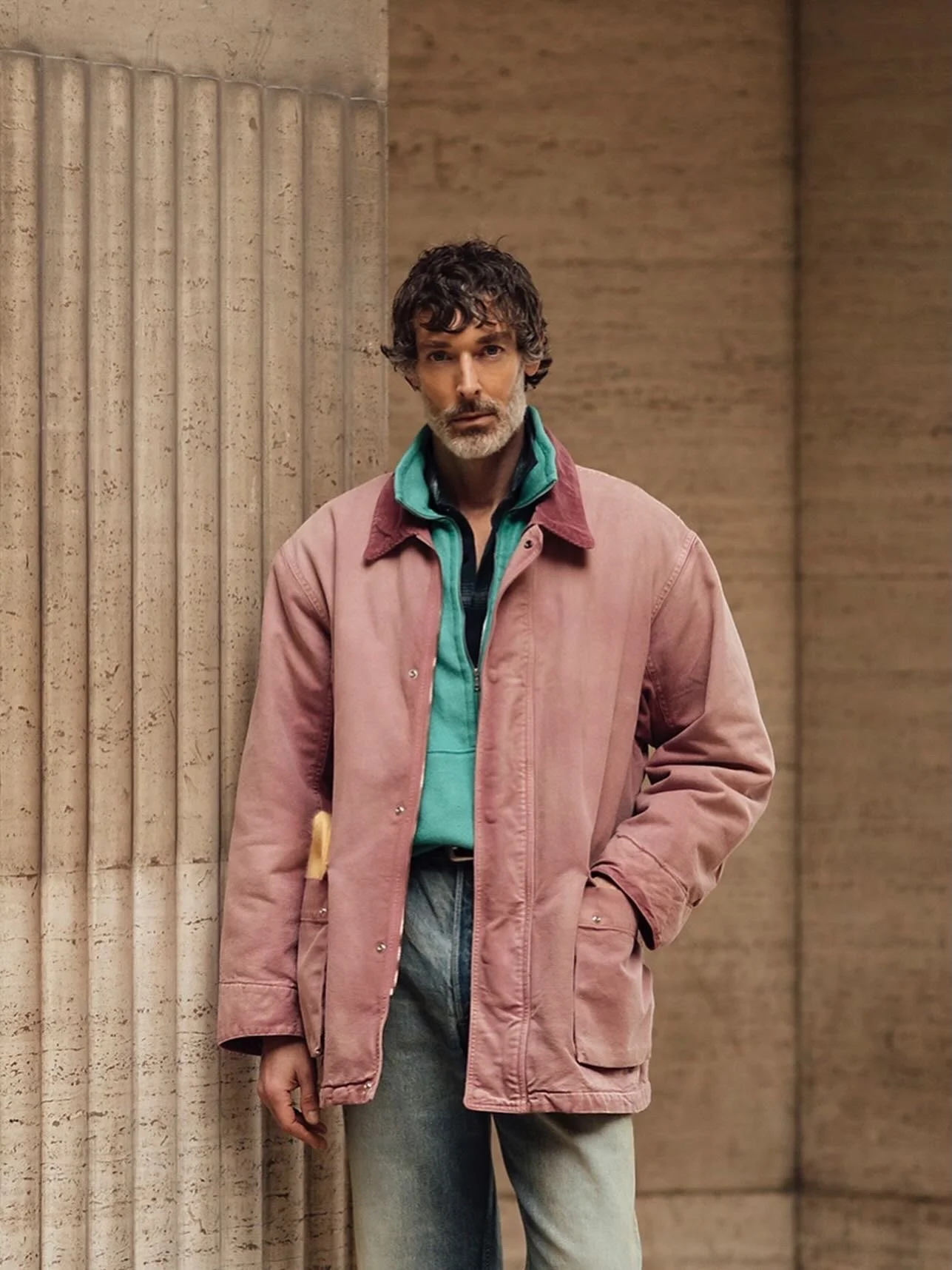
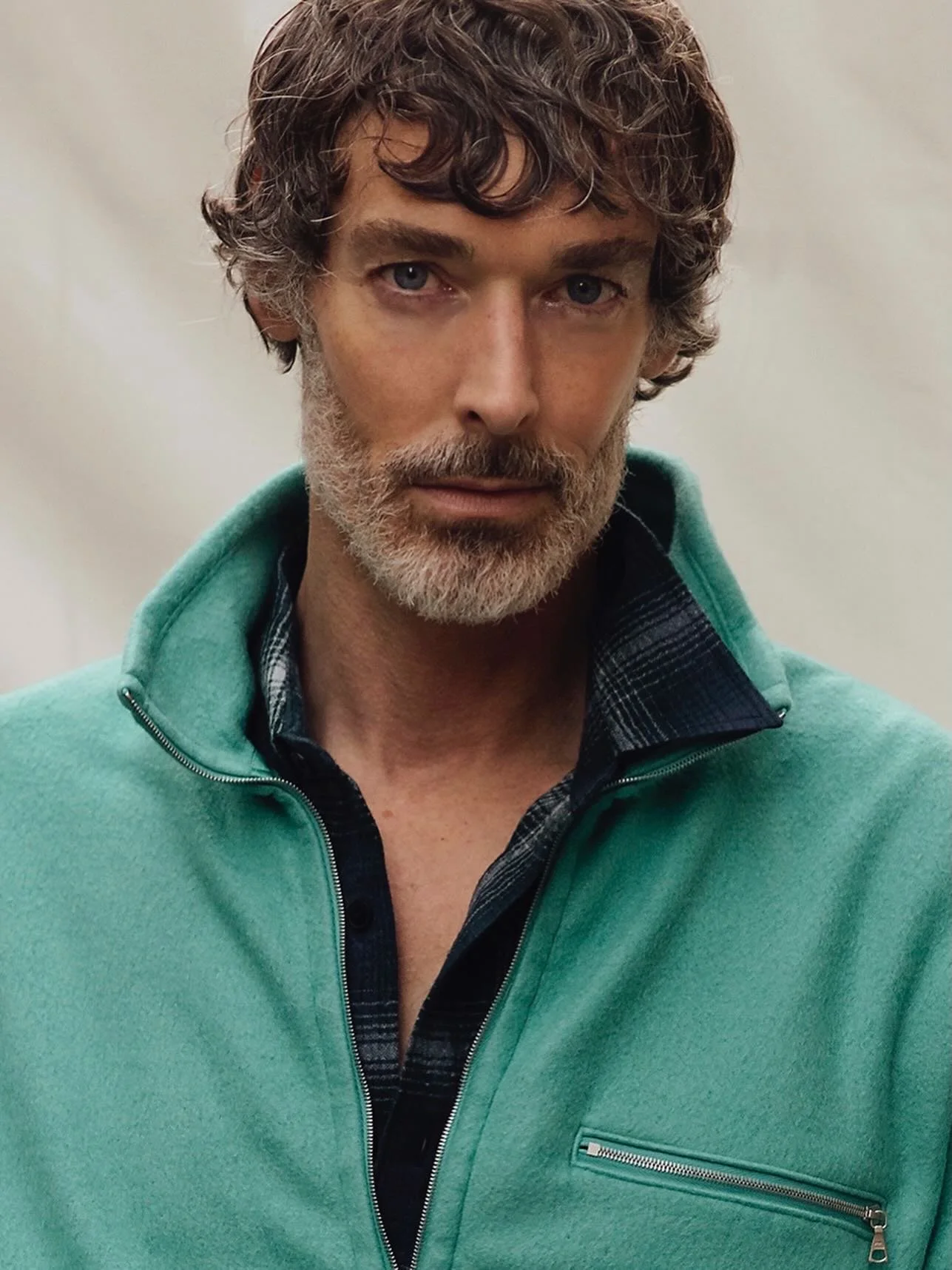
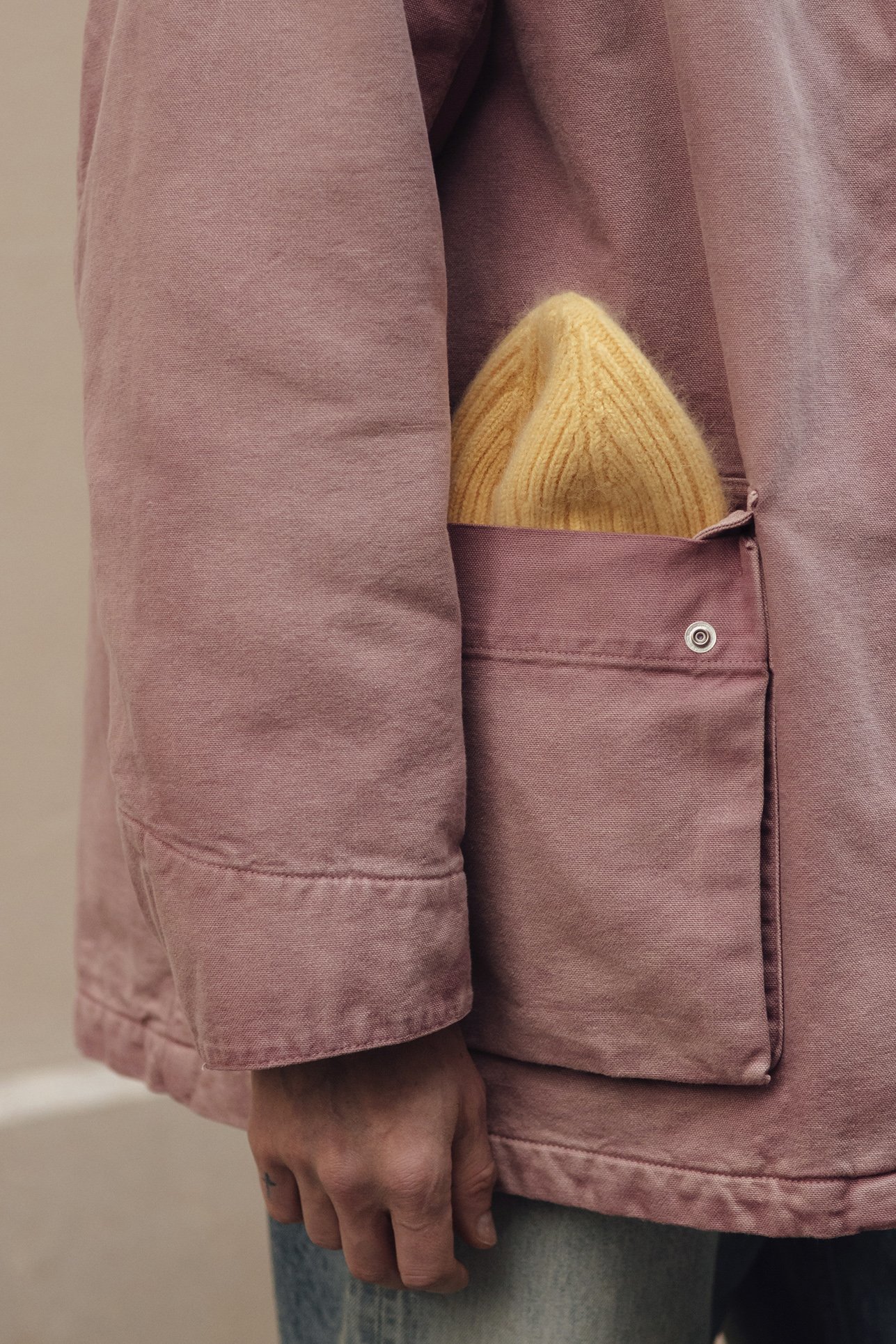
Roman Cowboy

A REY Exclusive Fashion Editorial produced in Rome, Italy.

Photographed by Dario Tucci

Styling Lavinia Lucci

Starring Adenew Amore

Tom Ford Fall Winter 2026 by Haider Ackermann: Our Favourite Looks

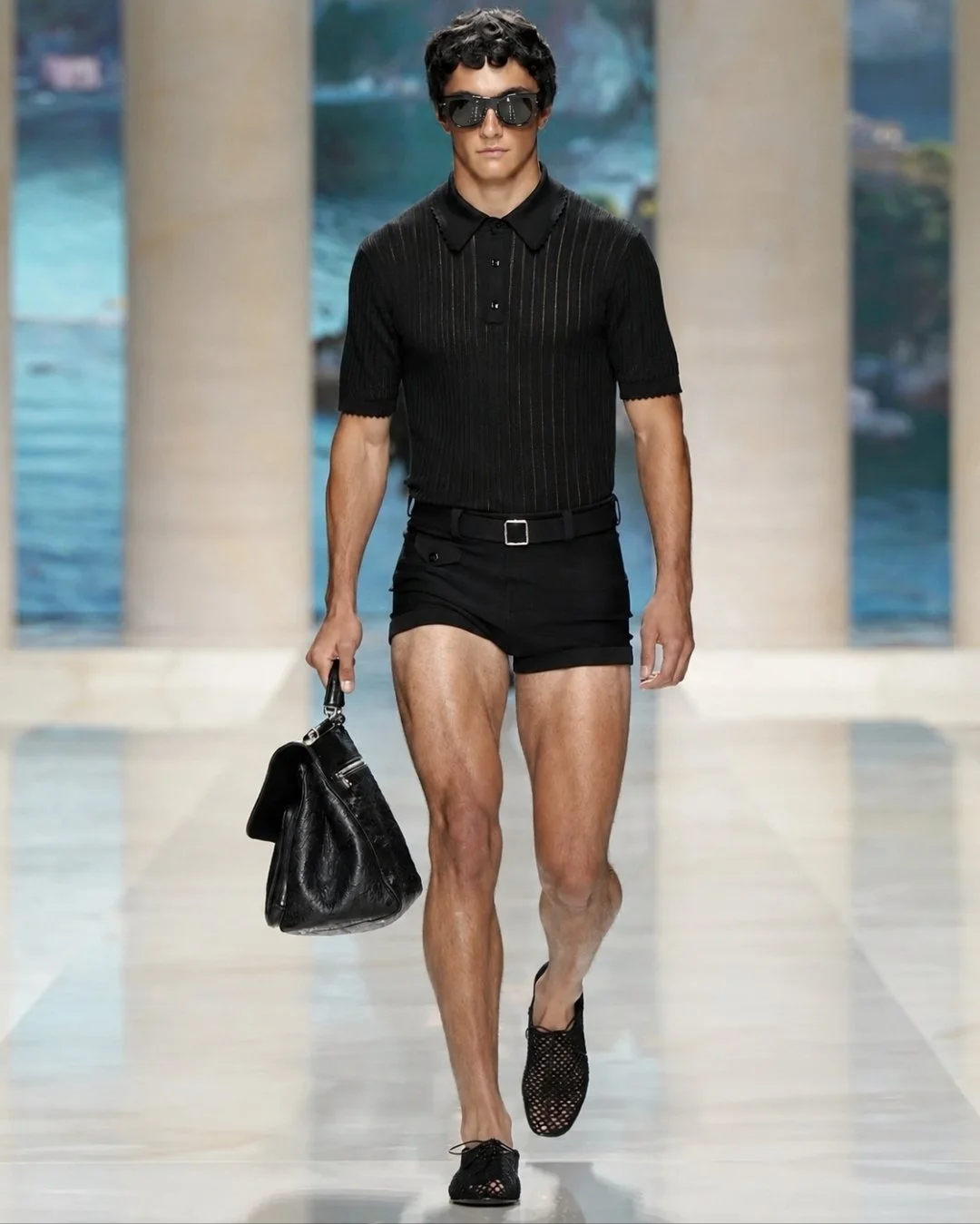
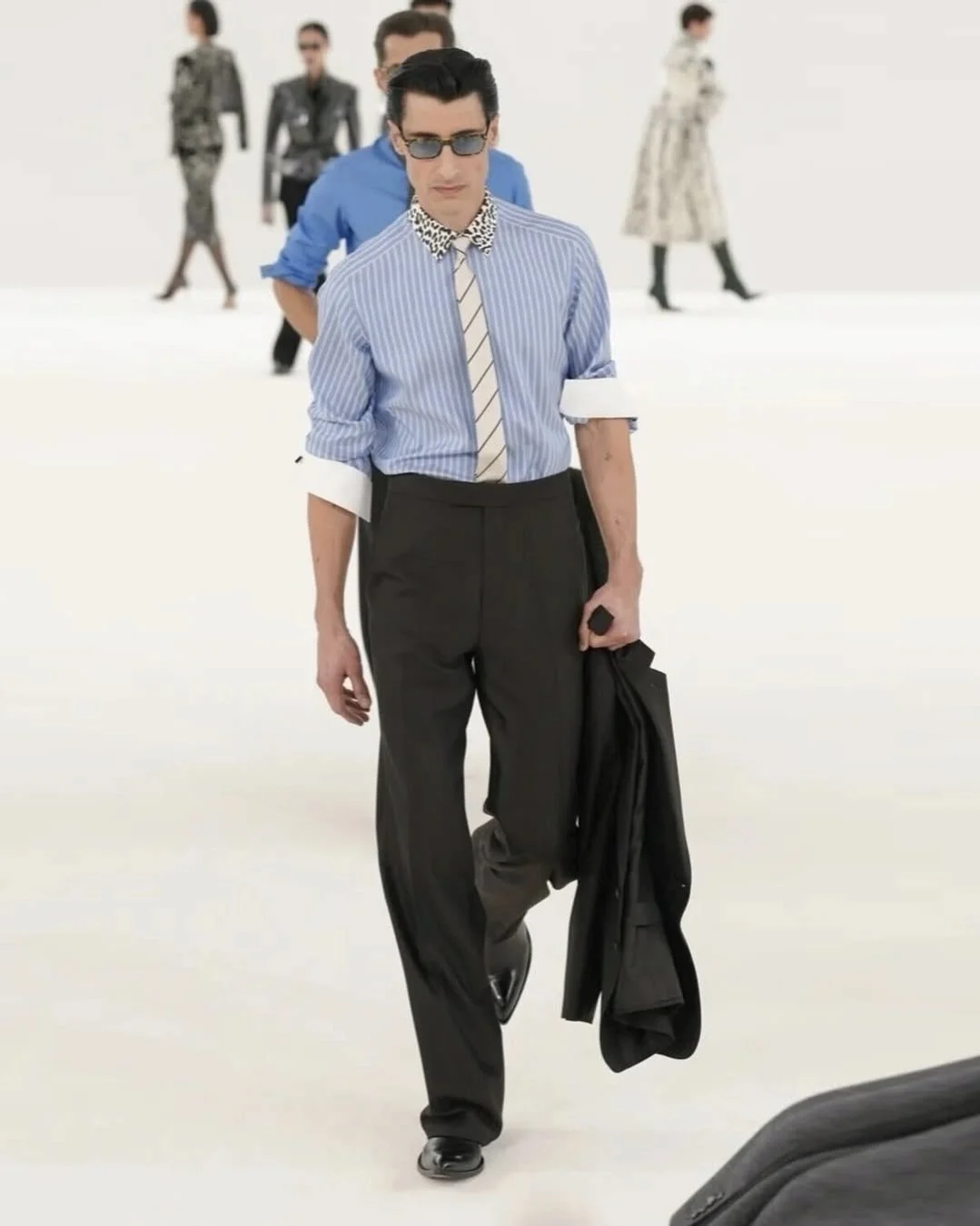
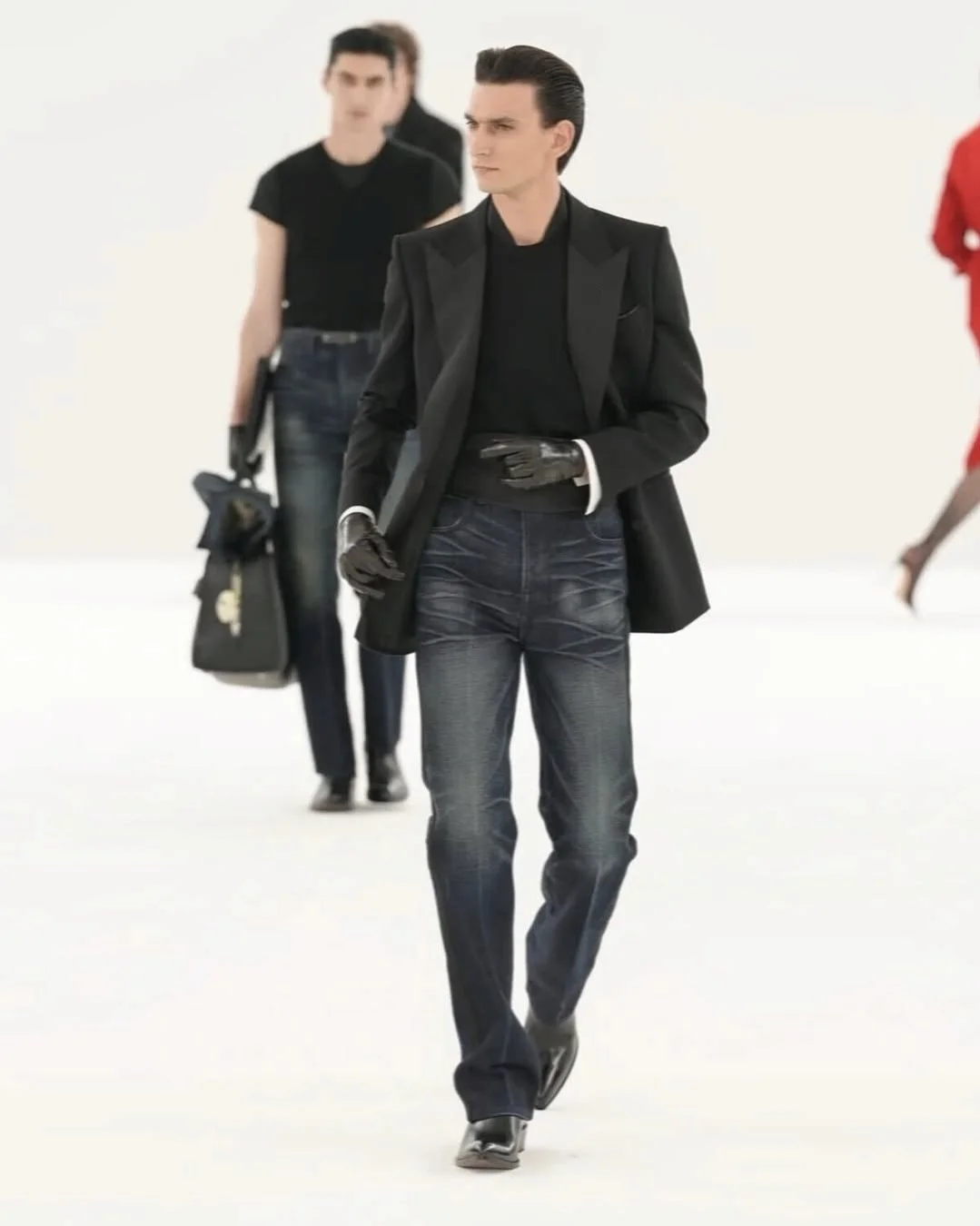
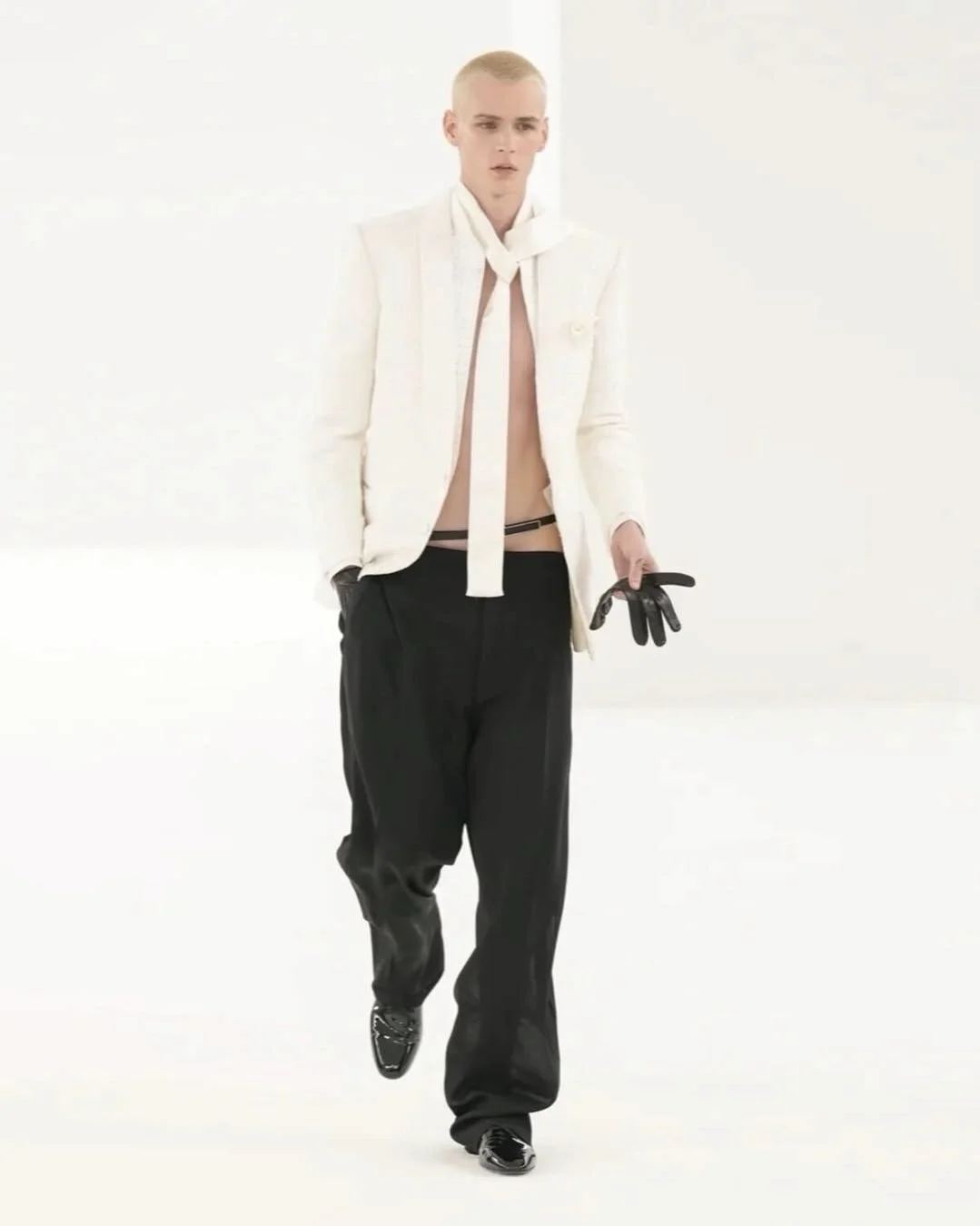
For the Autumn/Winter 2026 season, Haider Ackermann presented his vision for Tom Ford with a sharp sense of tension—balancing polished luxury with something darker, more subversive.

The collection moved effortlessly between two archetypes: the jet-setting rockstar and the eerily precise businessman reminiscent of Patrick Bateman from American Psycho. Ackermann explored this duality through a wardrobe that felt both glamorous and slightly dangerous, where impeccable tailoring met an undercurrent of menace.

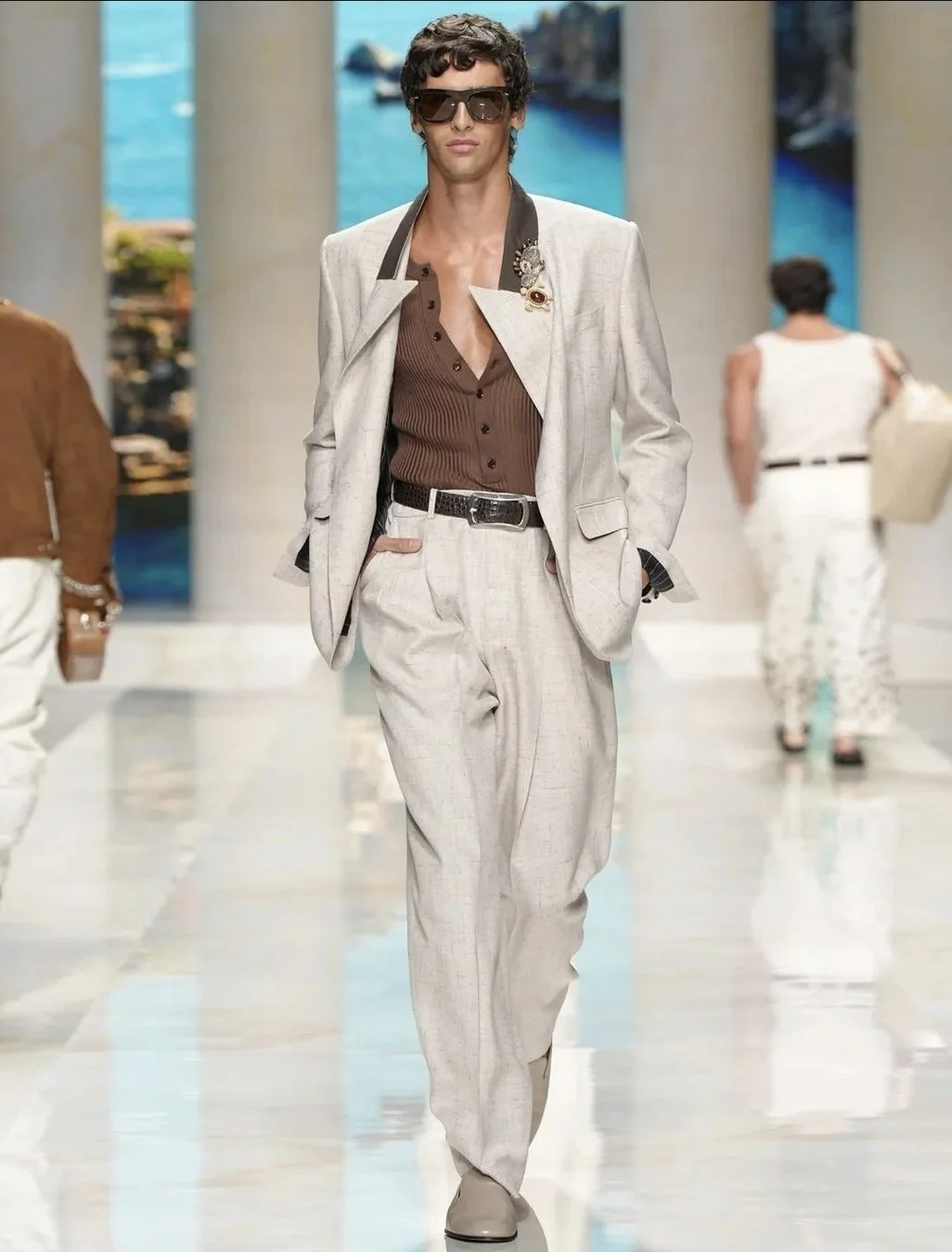
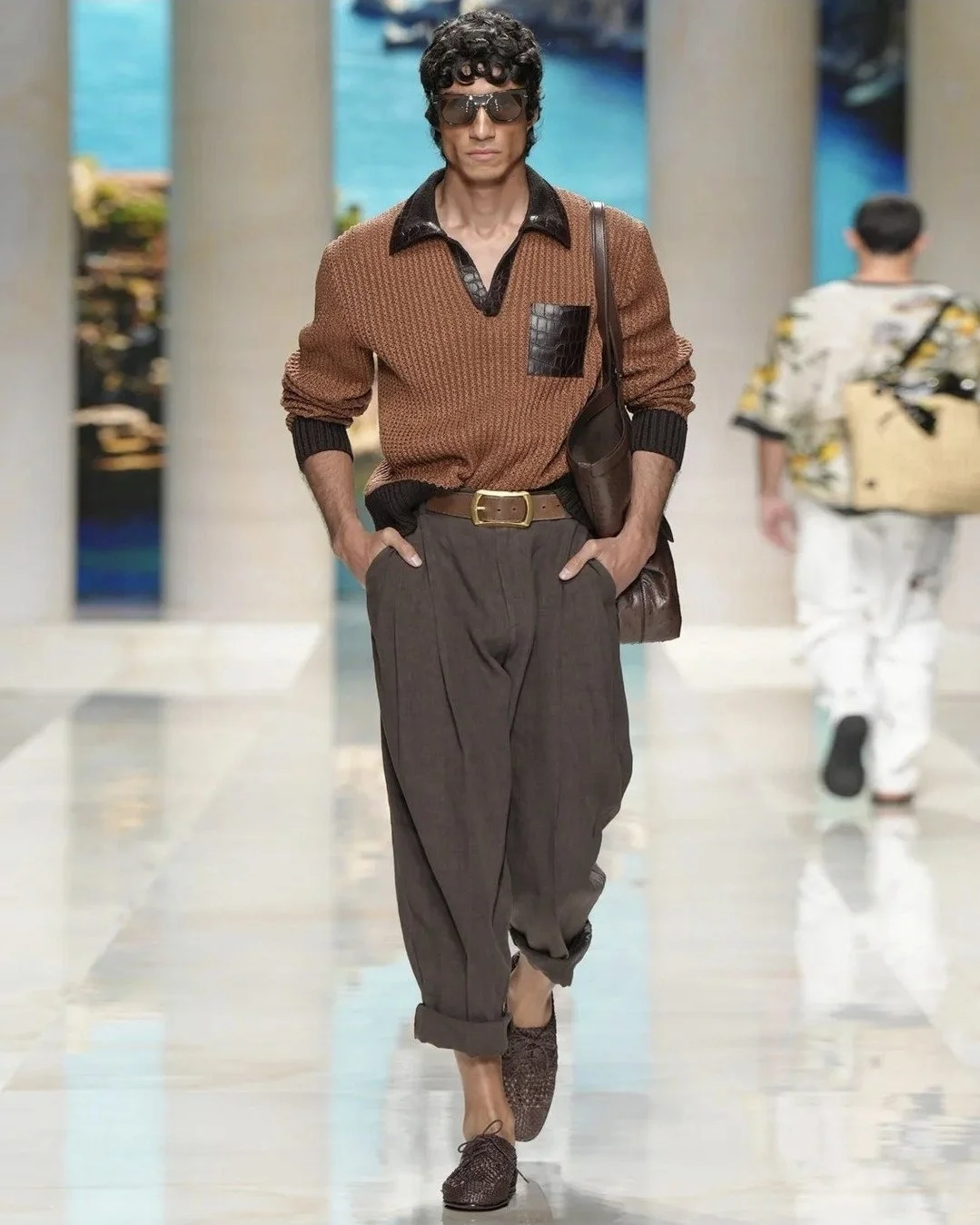
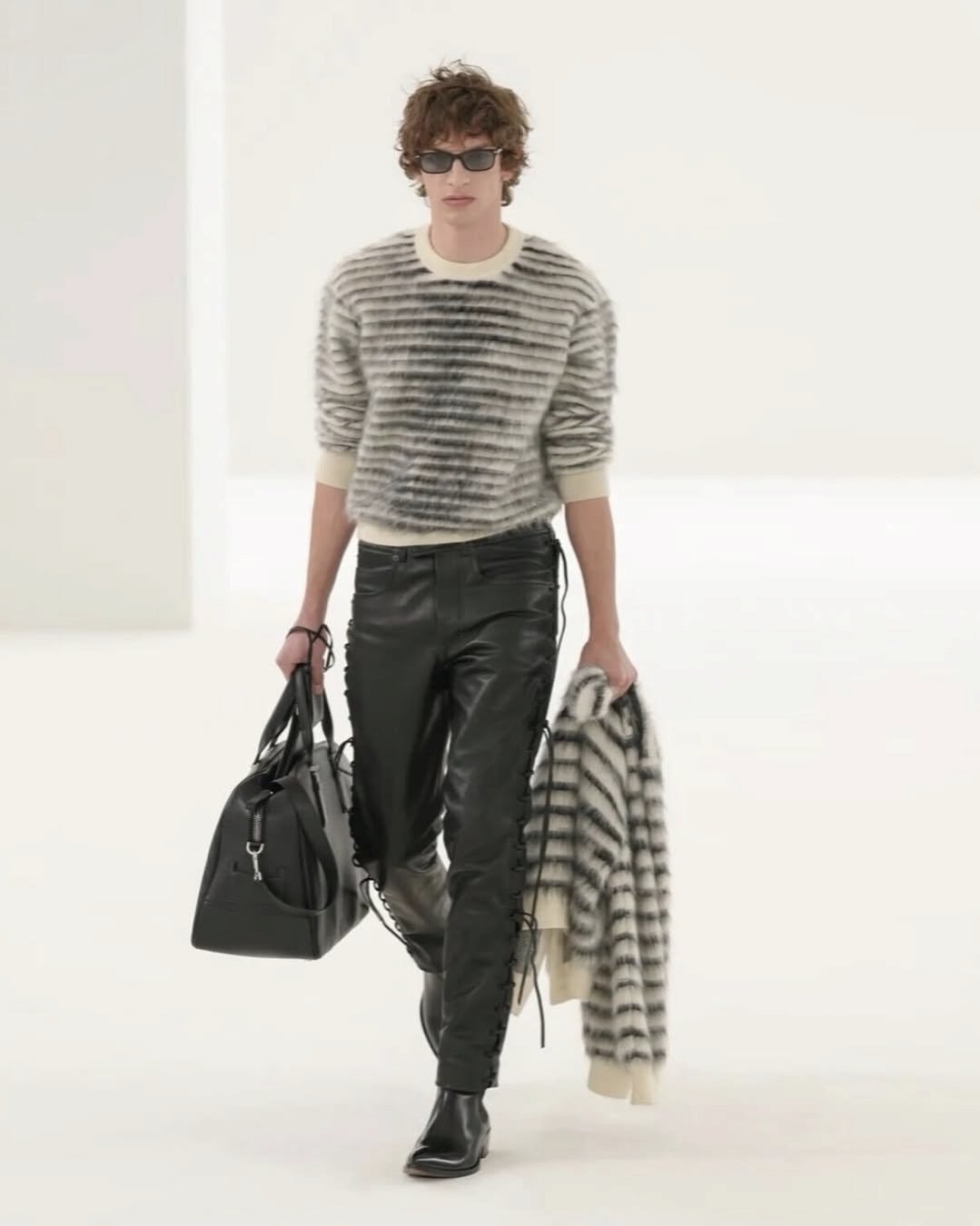
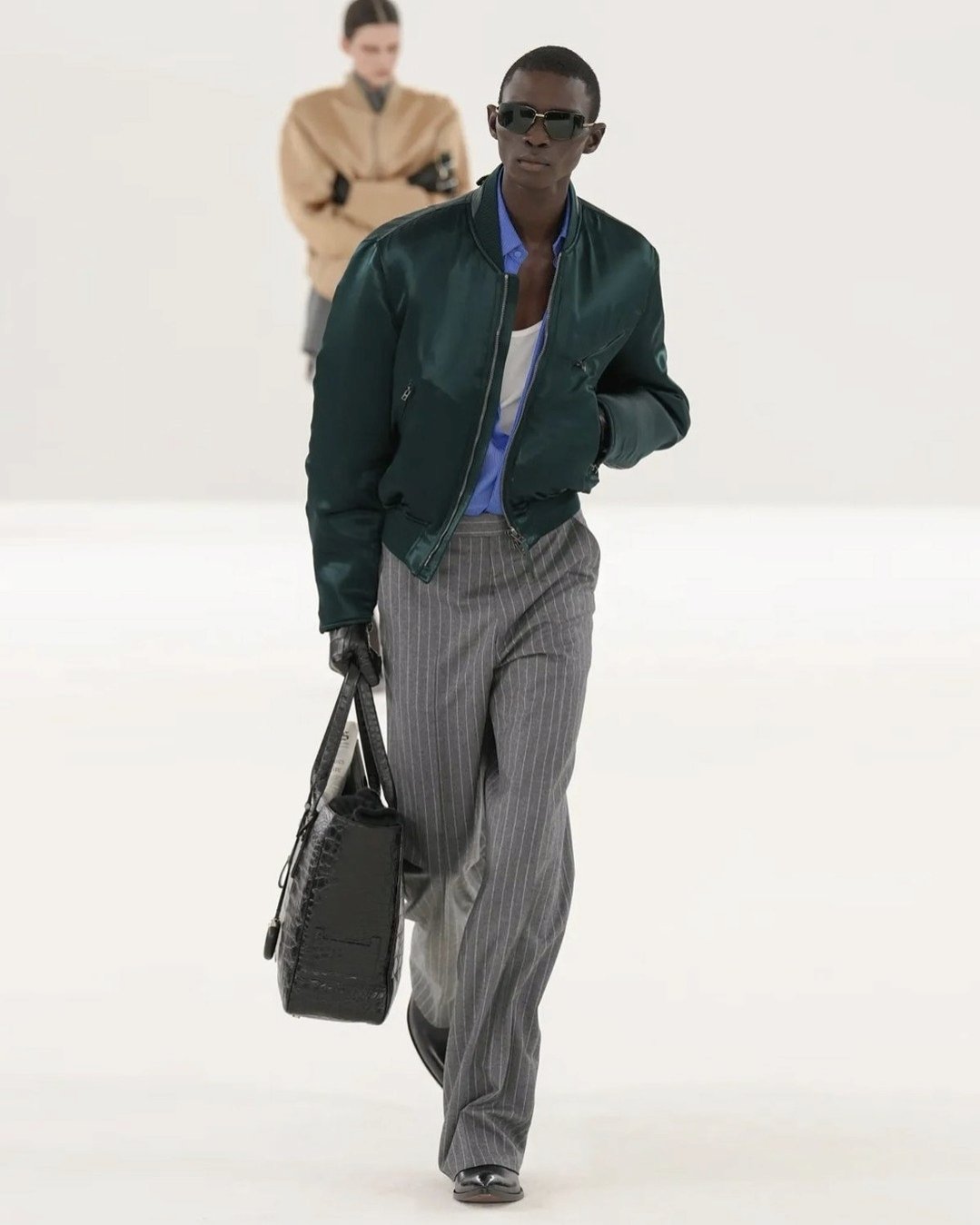
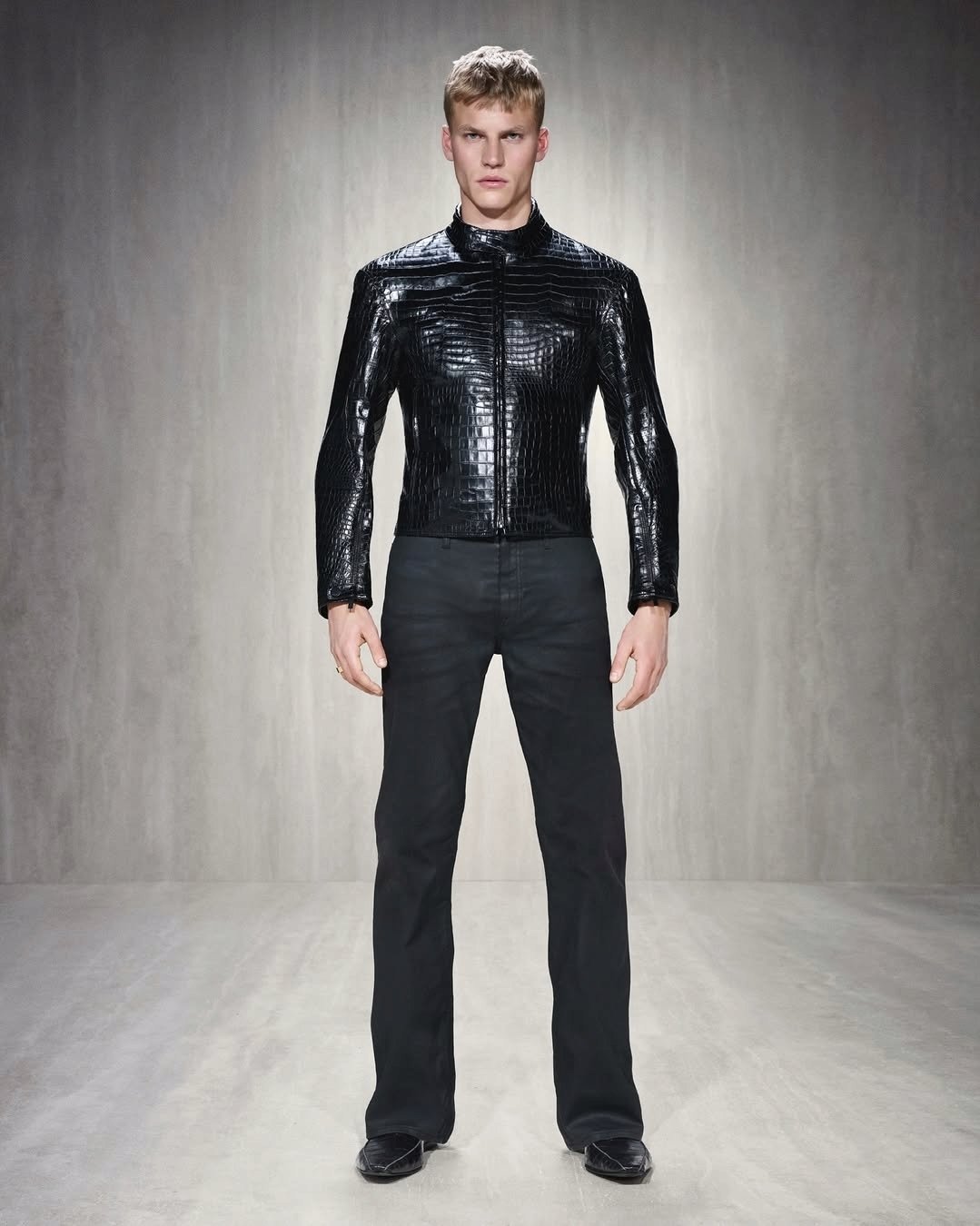
Silk bombers paired with tailored grey trousers suggested effortless travel elegance, while striped mohair knits and leather pieces added texture and attitude. Crocodile jackets, lace-up trousers and relaxed denim introduced a raw sensuality, while sharply cut ‘80s-inspired suits and contrast-collar shirts nodded to corporate power dressing with a seductive twist. Eveningwear appeared sleek and deliberate, carrying the unmistakable confidence associated with the house.

Accessories and styling amplified the mood. Many looks were finished with black leather gloves and slicked-back hair, reinforcing the collection’s sleek yet intimidating aesthetic. The effect was cinematic: models looked as though they were heading either to a private airport lounge or somewhere far more clandestine.

Among the standout pieces was a sharply tailored raincoat—an understated yet powerful reminder of the brand’s signature sophistication. In Ackermann’s hands, it became part of a wardrobe designed for nights that blur the line between elegance and intrigue.

With this collection, Ackermann proved that the seductive spirit of Tom Ford remains alive, even as it evolves. The result was a show where sexuality was anything but subtle—confident, polished, and just dangerous enough to keep things interesting.

Check out below our favourite looks:

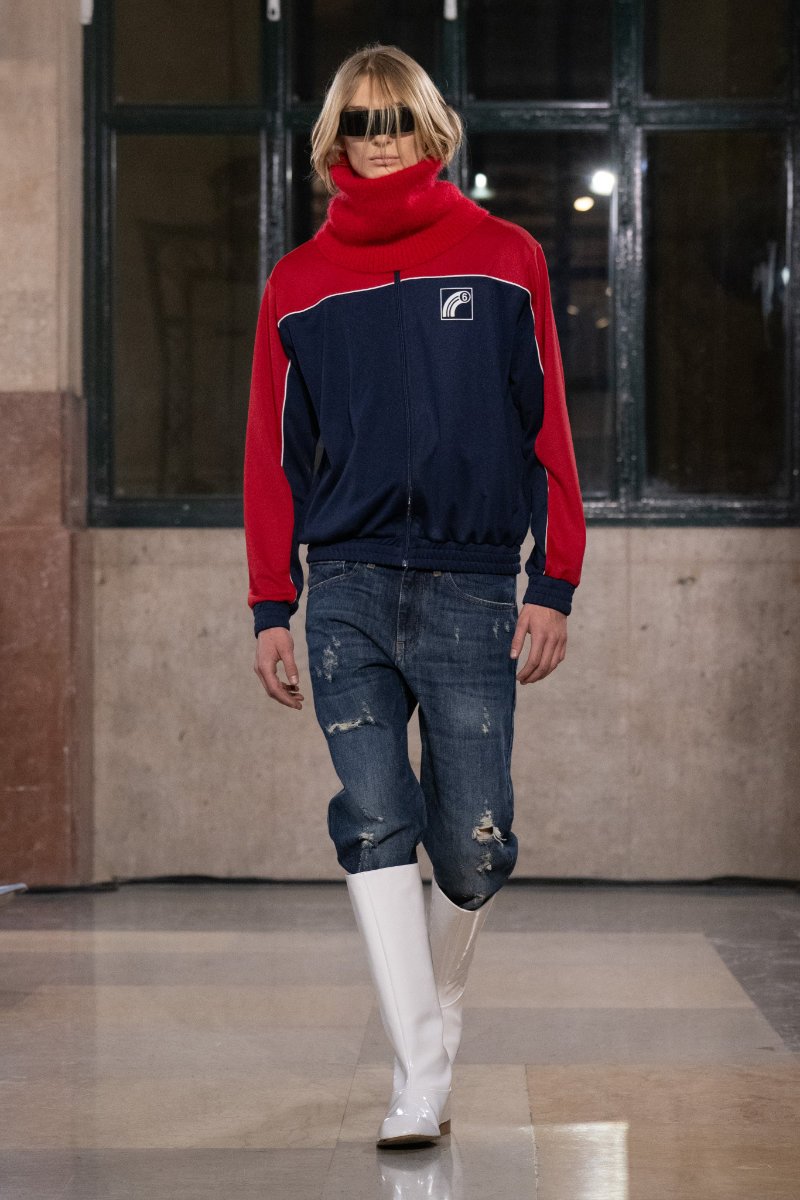
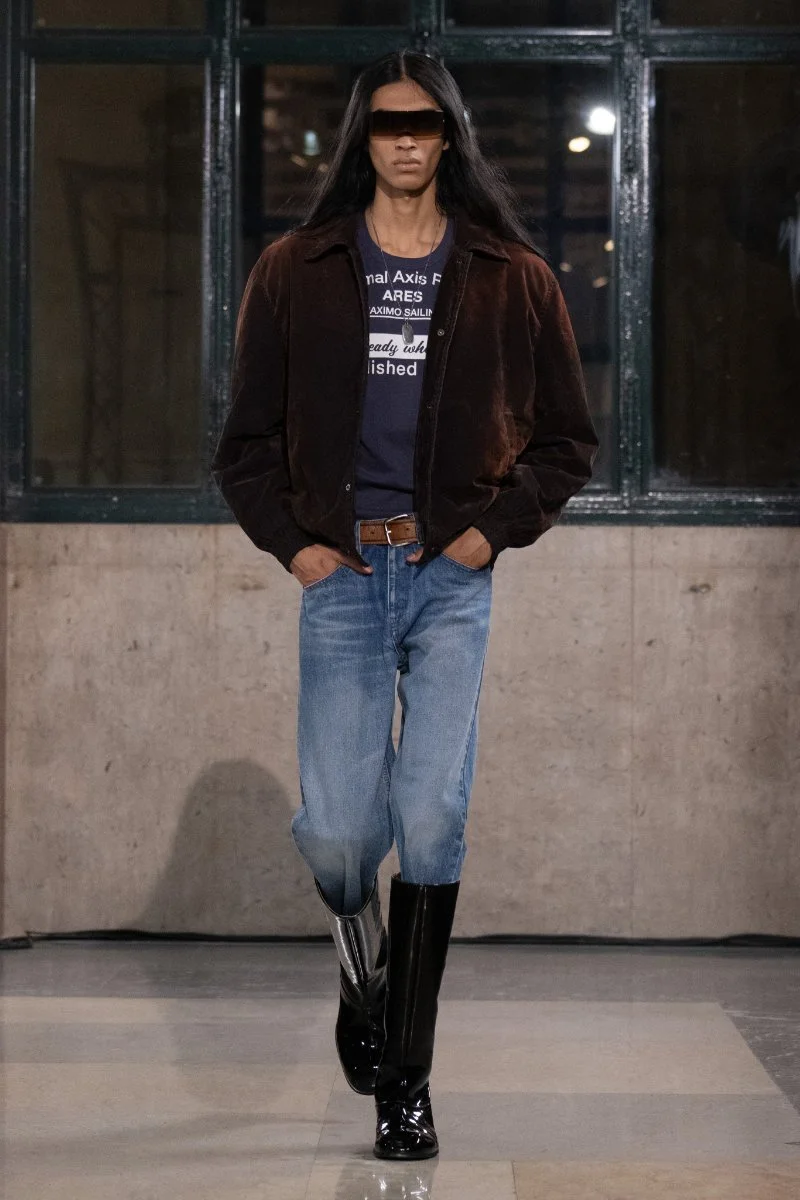
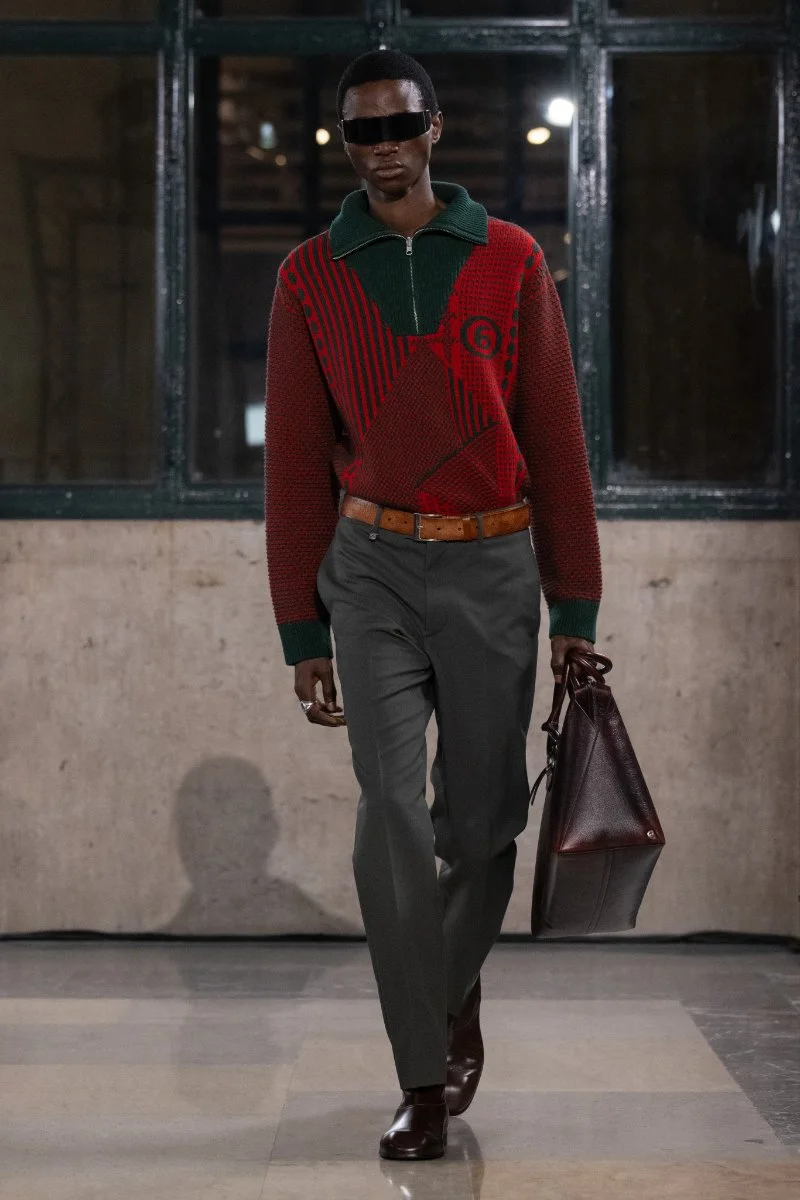
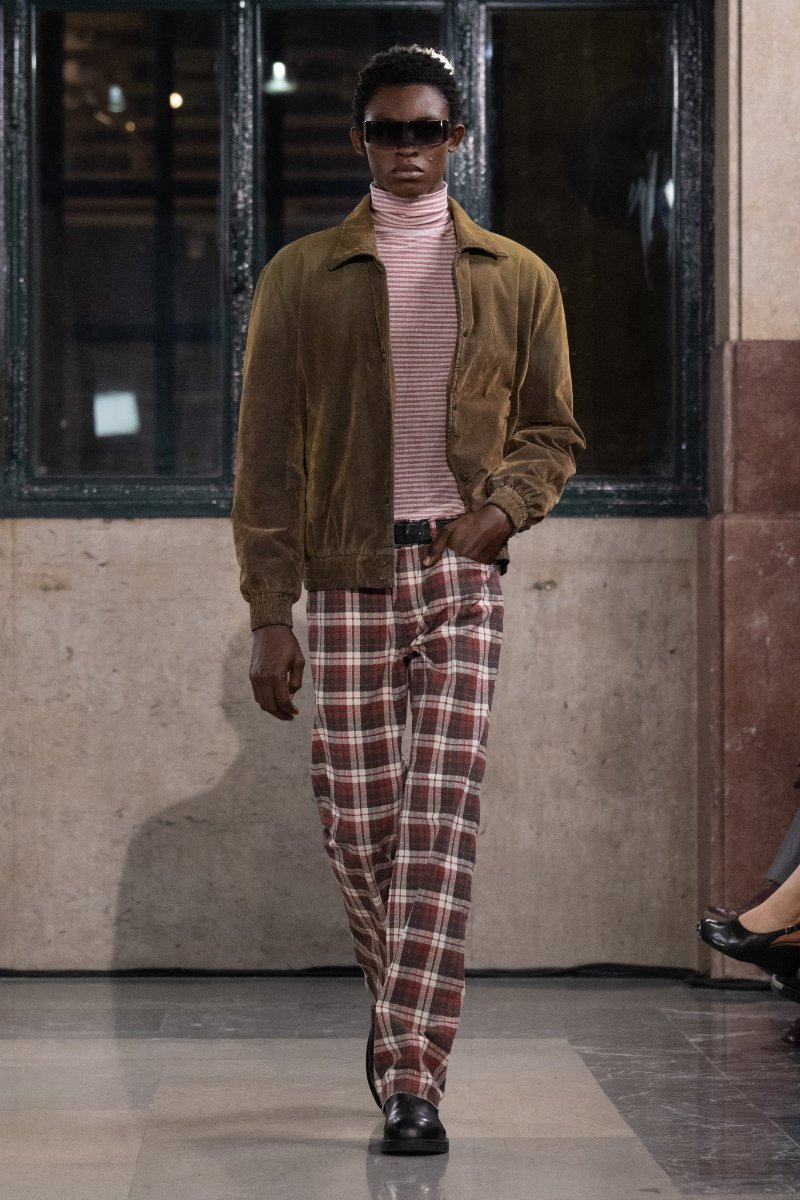
MM6 MAISON MARGIELA FW26 Show: Our Favourite Looks

MM6 Maison Margiela staged its Fall/Winter 2026 show inside Milano Centrale, a setting defined by transit and impermanence. It was a space made for departures and arrivals — and the collection leaned into that tension.

The presentation openly embraced its own artifice: a runway framed as everyday life. Commuters drifted through the scene. Some dressed to disappear into the crowd, others styled for attention. Each figure felt familiar yet heightened — characters drawn from reality, sharpened into fashion archetypes. In this in-between place, anonymity and visibility collided, turning the ordinary rhythm of movement into performance.

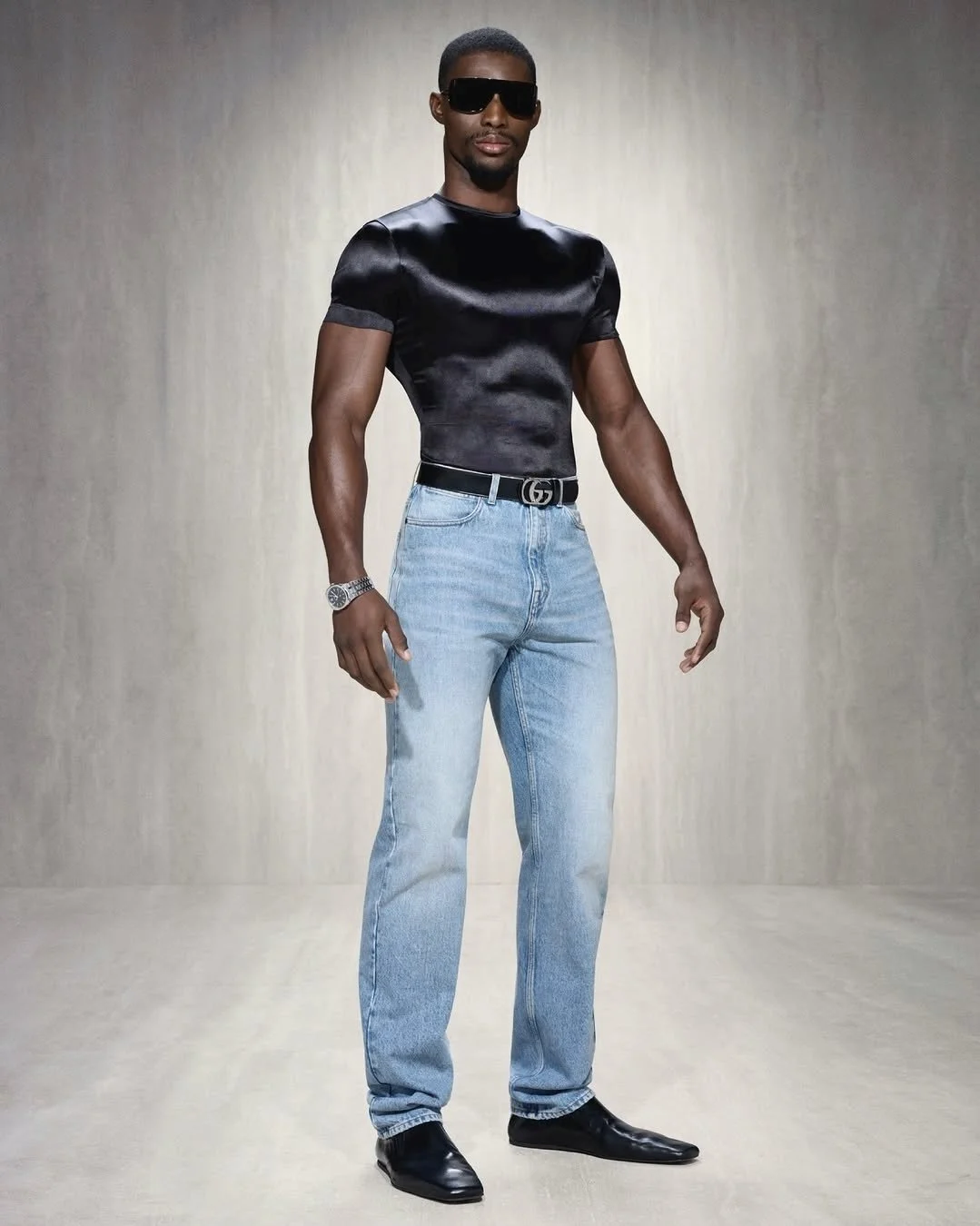
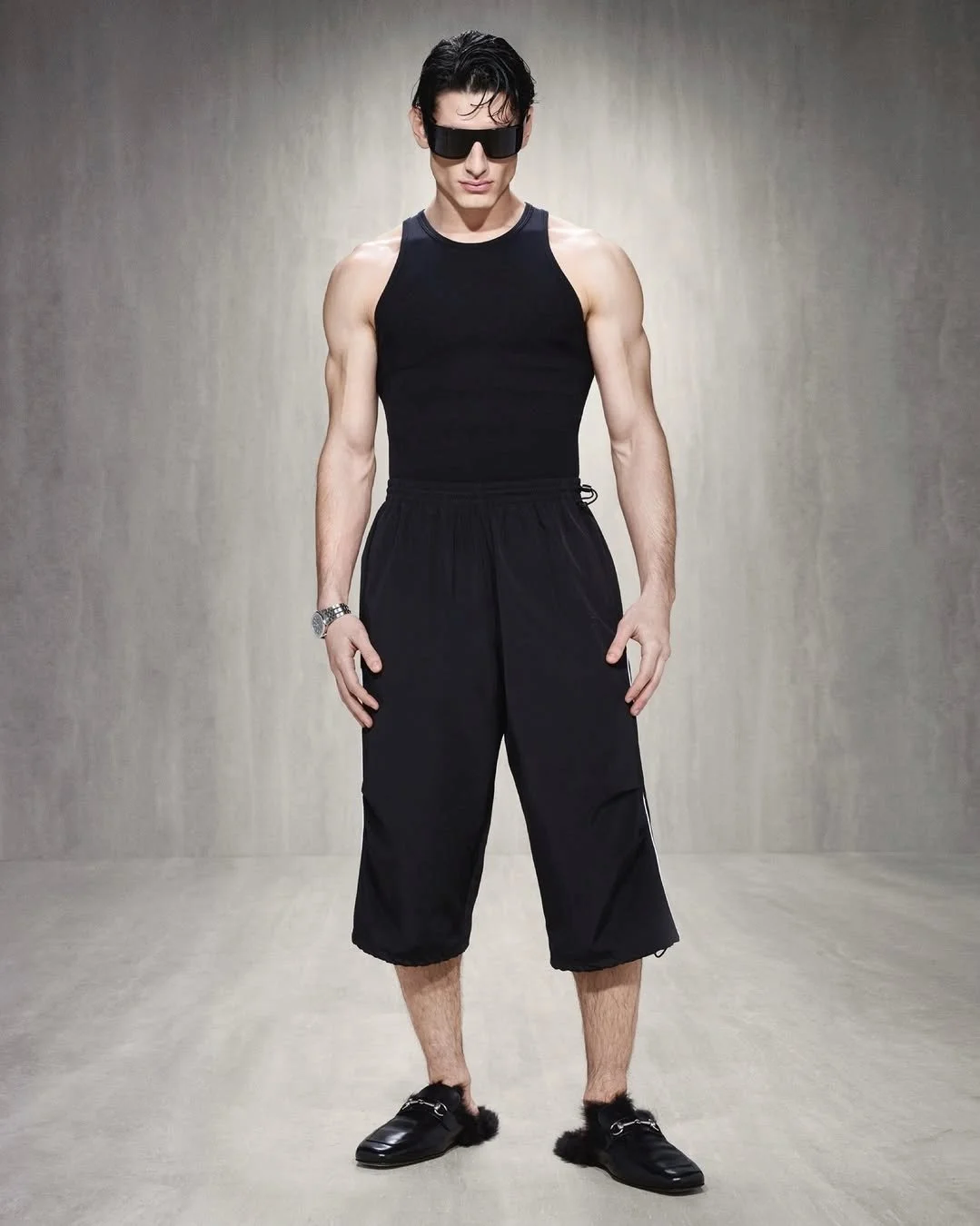
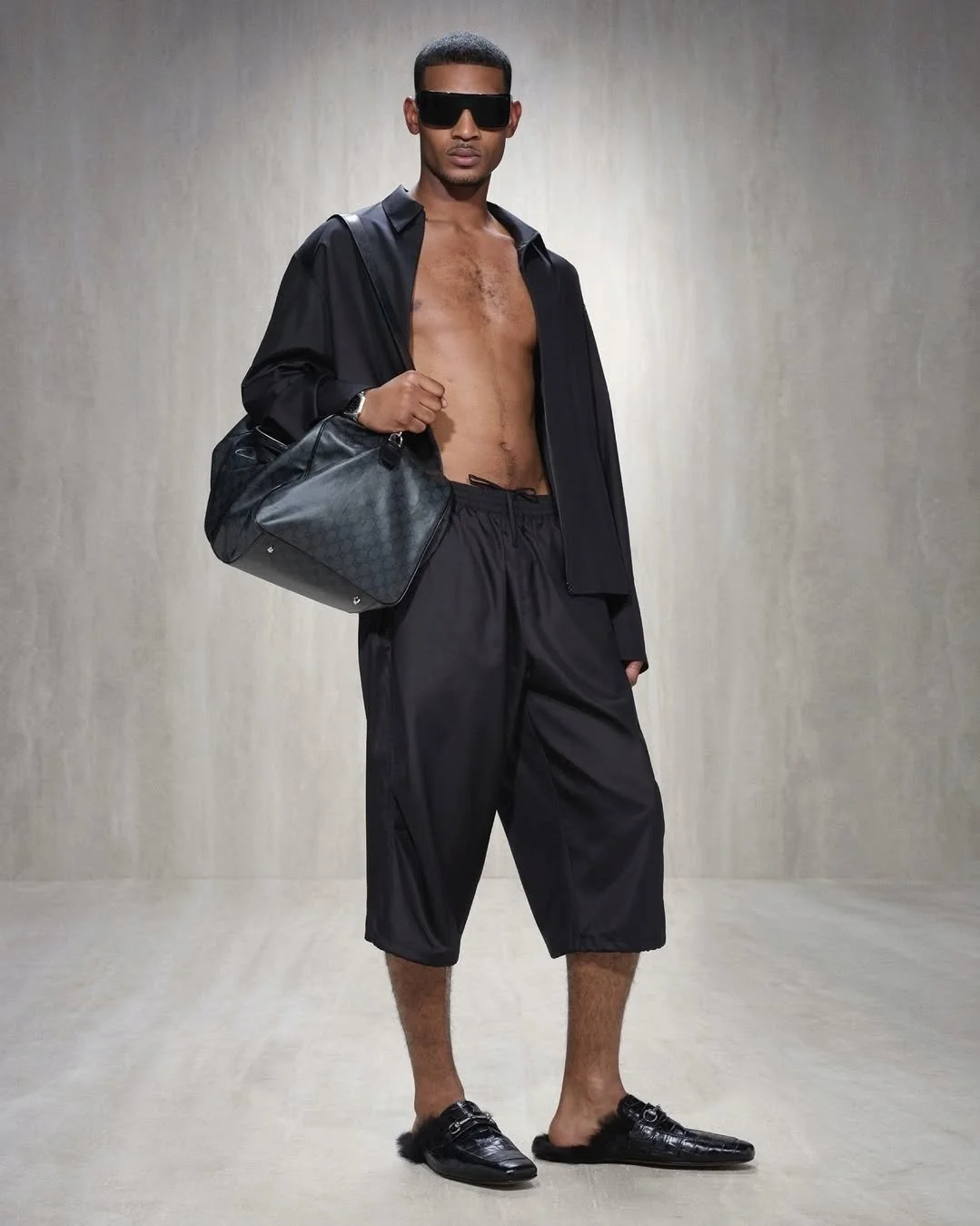
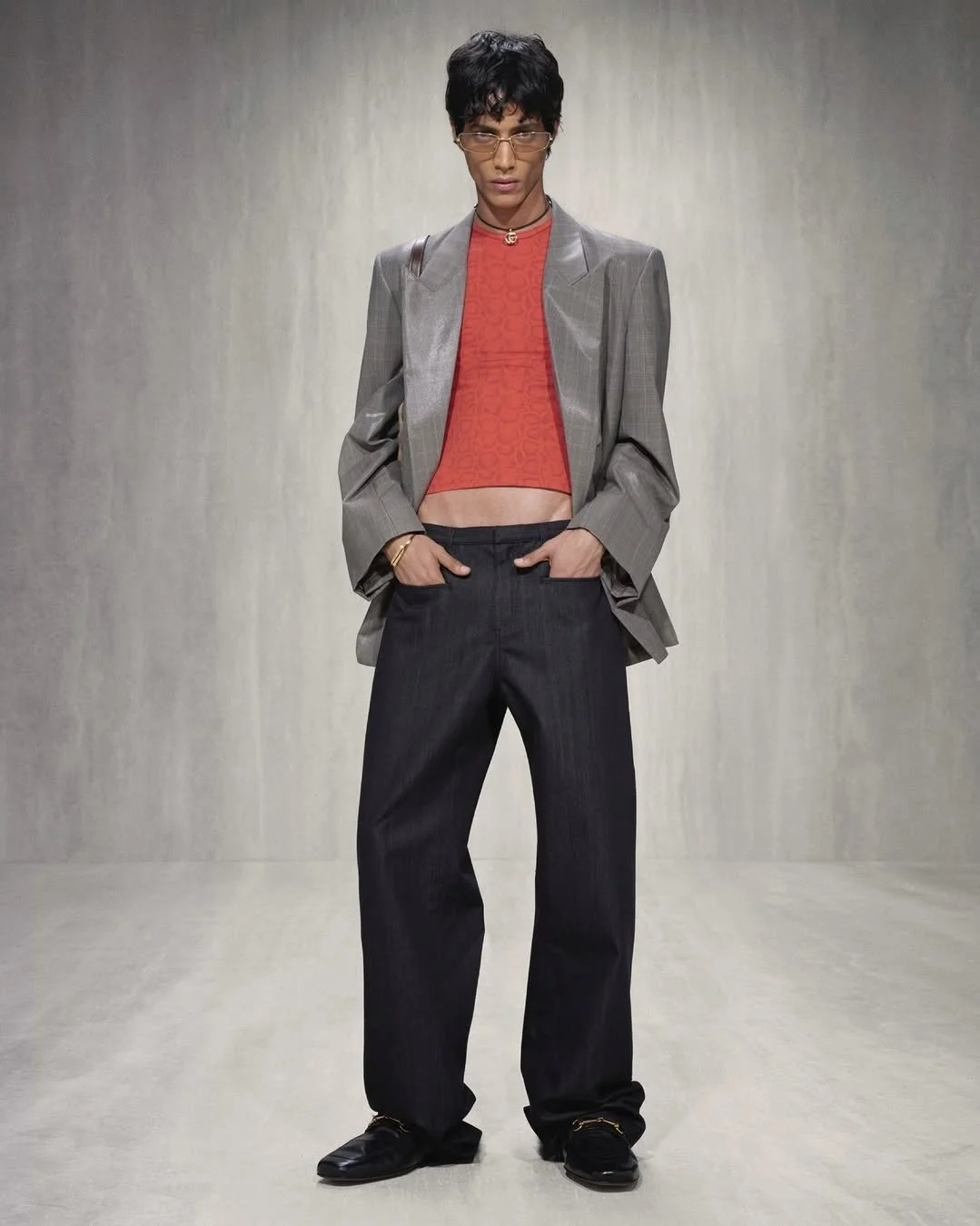
Demna’s Highly Anticipated Gucci Debut Lands in Milan

Milan Fashion Week has seen its share of entrances, exits, and expectations. But when Demna takes the reins of a house like Gucci, the industry holds its breath. The Georgian designer, known for redefining luxury through the lens of the everyday, has spent years building a world where a hoodie can carry as much weight as a gown. So what happens when that sensibility meets the marble halls of Italian heritage?

The answer, unveiled in a monumental, museum-like space surrounded by classical statuary, is less a revolution than a recalibration. Demna calls it Primavera, a palette of stylistic propositions for the people Gucci already speaks to, and those he hopes it will speak to next. It is a collection built on pragmatism, on clothes that require no pseudo-intellectual justification. They simply exist to be worn, to be enjoyed.

The clothes are about product. That is what Gvasalia keeps coming back to. Silhouettes, textures, materials. Lightness, ease, comfort. Body-aware shapes. There are seamless garments cut as close to the body as possible. Invisible heat-sealed edges. Engineered curved hems. Jackets appear multiple times. Low-cut jackets and horizontal pockets give things a streetwear posture. New shapes appear. Tracksuits merge into new forms. Leggings fuse with trousers. Jackets and tops become one ultra-fitted piece.

Footwear anchors the collection in the everyday. Manhattan, Demna’s first sneaker for Gucci, combines an ultra-minimal basketball shape with the slip-on ease of a mocassino. The Giovanni and Cupertino loafers erase the stiffness of traditional leather shoes, softening them into something that moves with you rather than against you.

Throughout the presentation, the soundtrack (five distinct genres curated by Loki) mirrors the collection’s juxtapositions. It is classical and contemporary, chaotic and cohesive, much like the mix of archetypes on the runway.

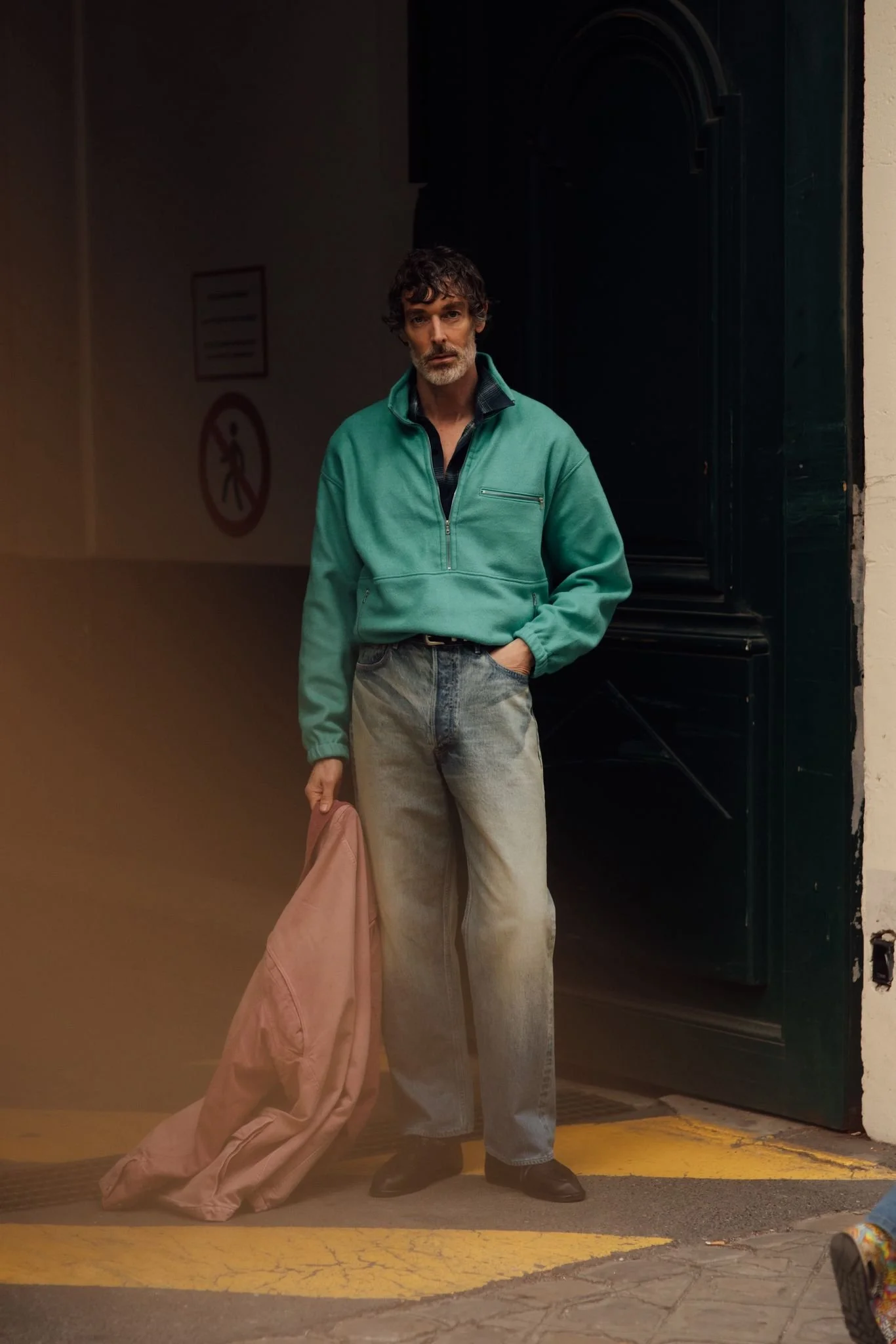
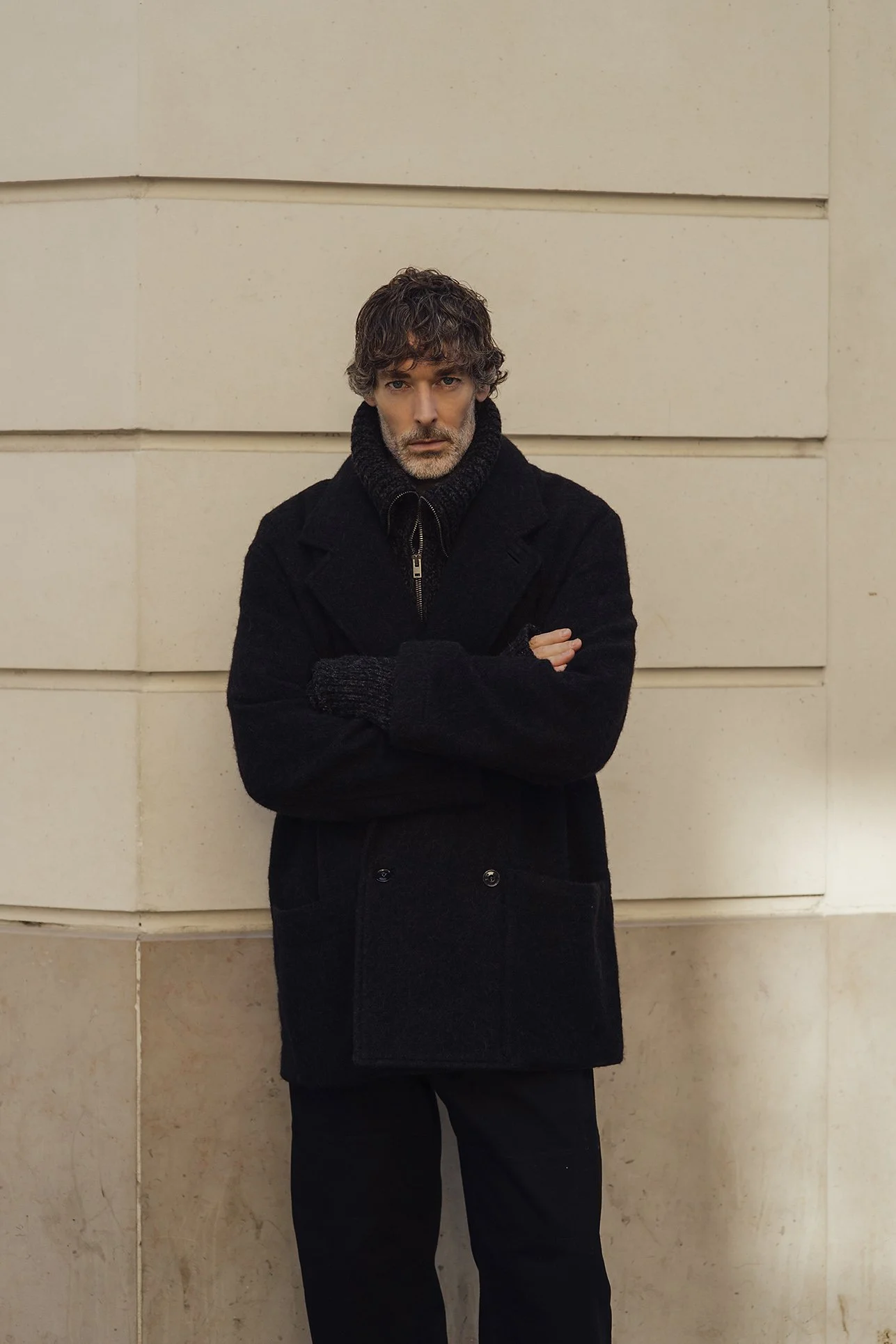
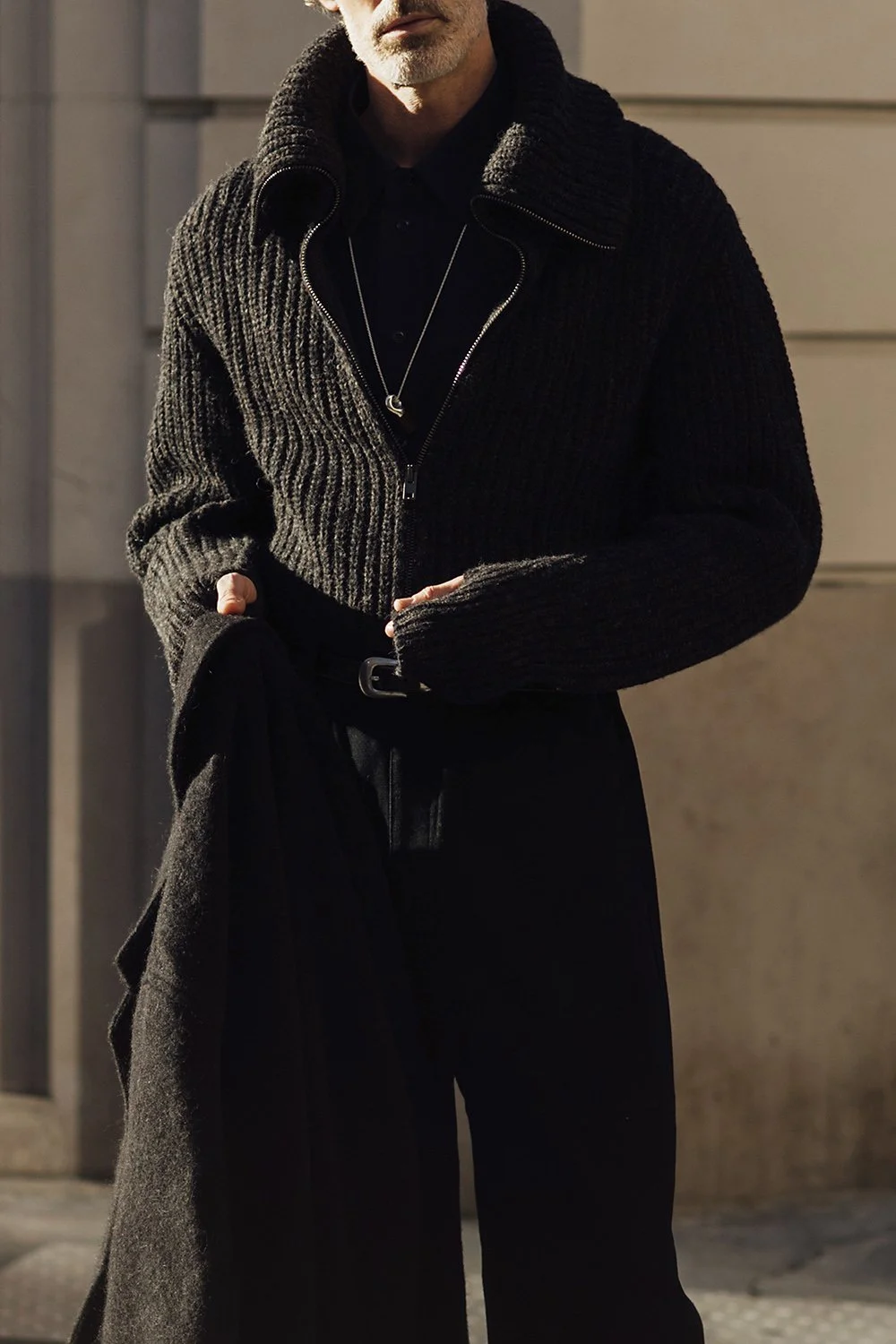
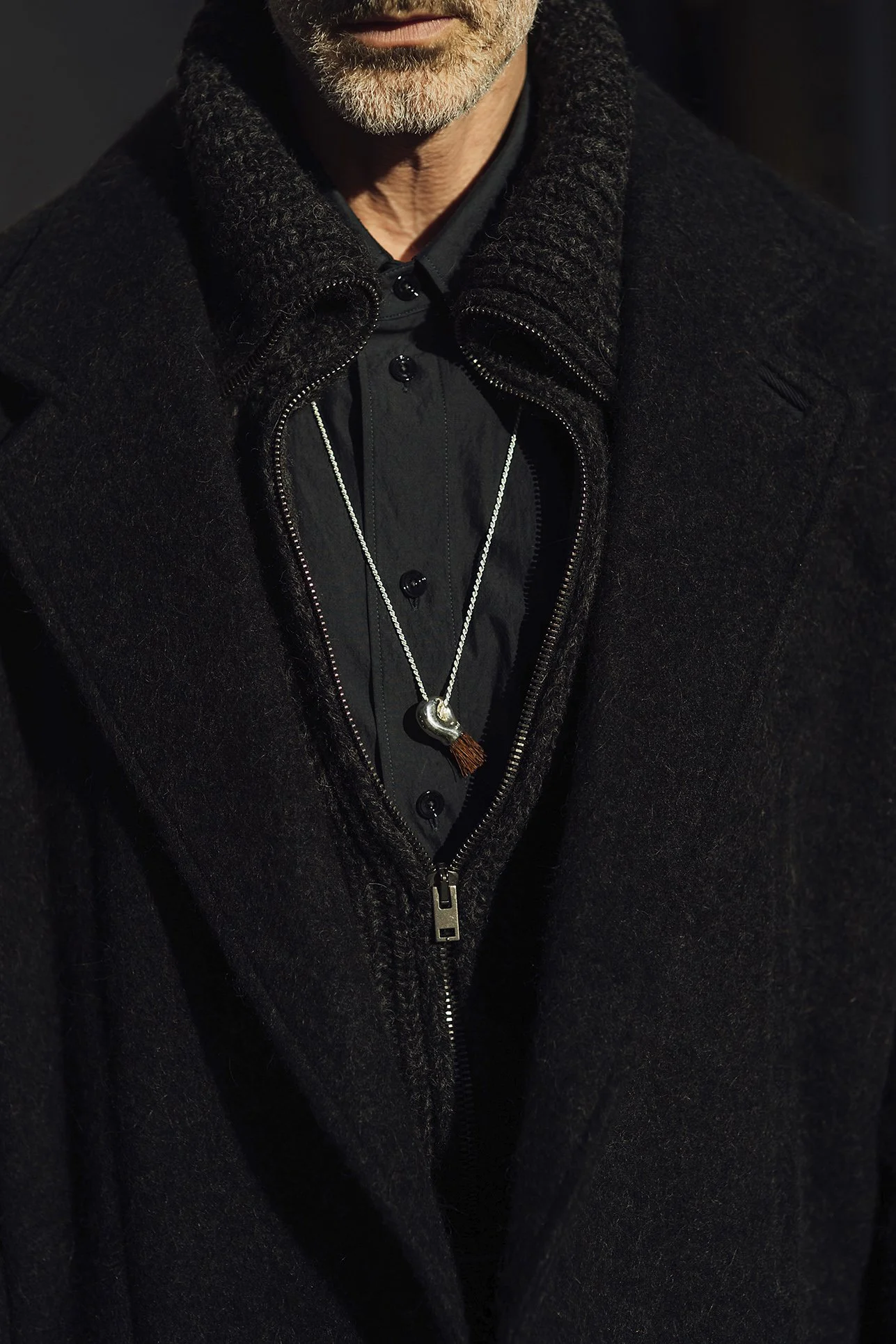
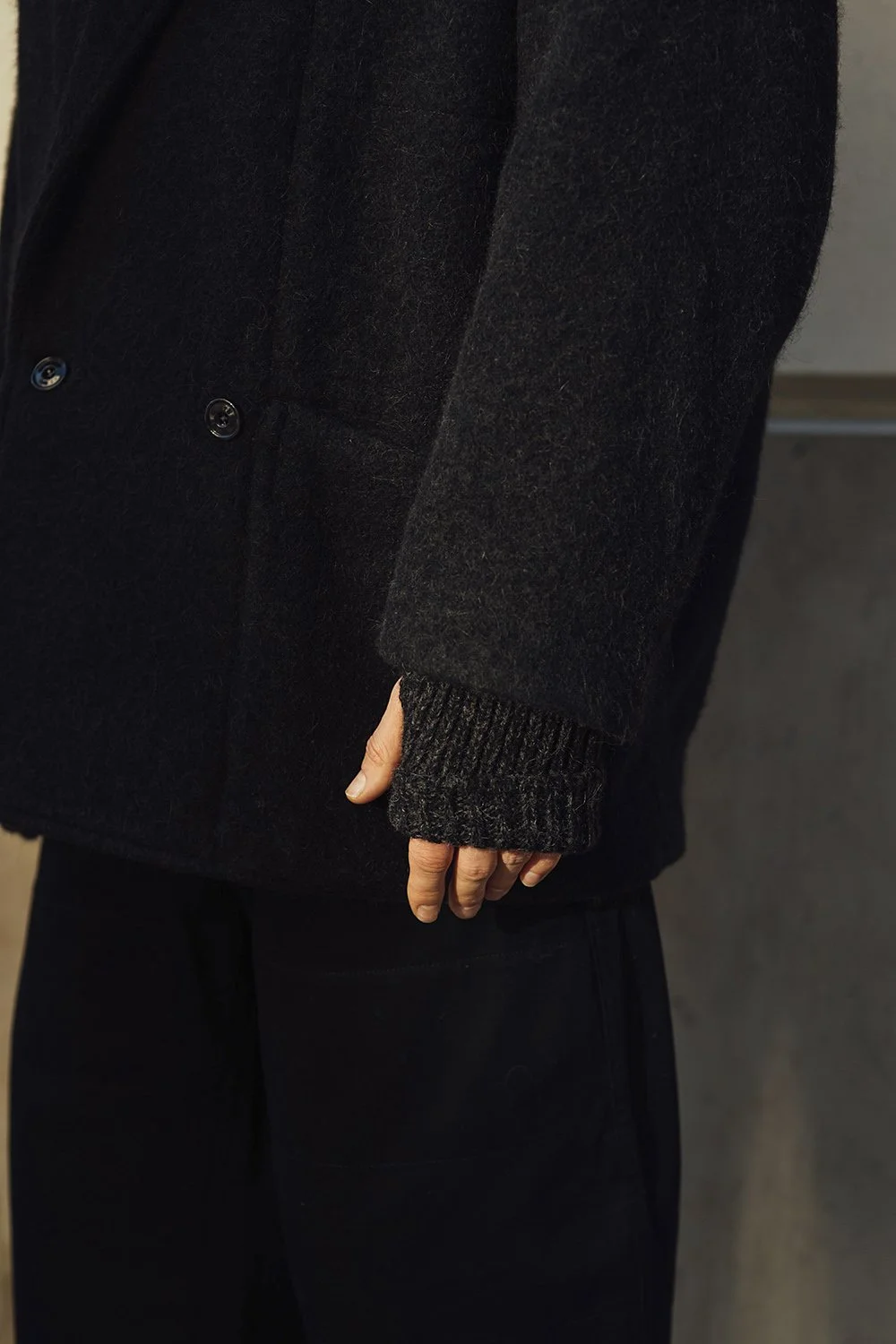
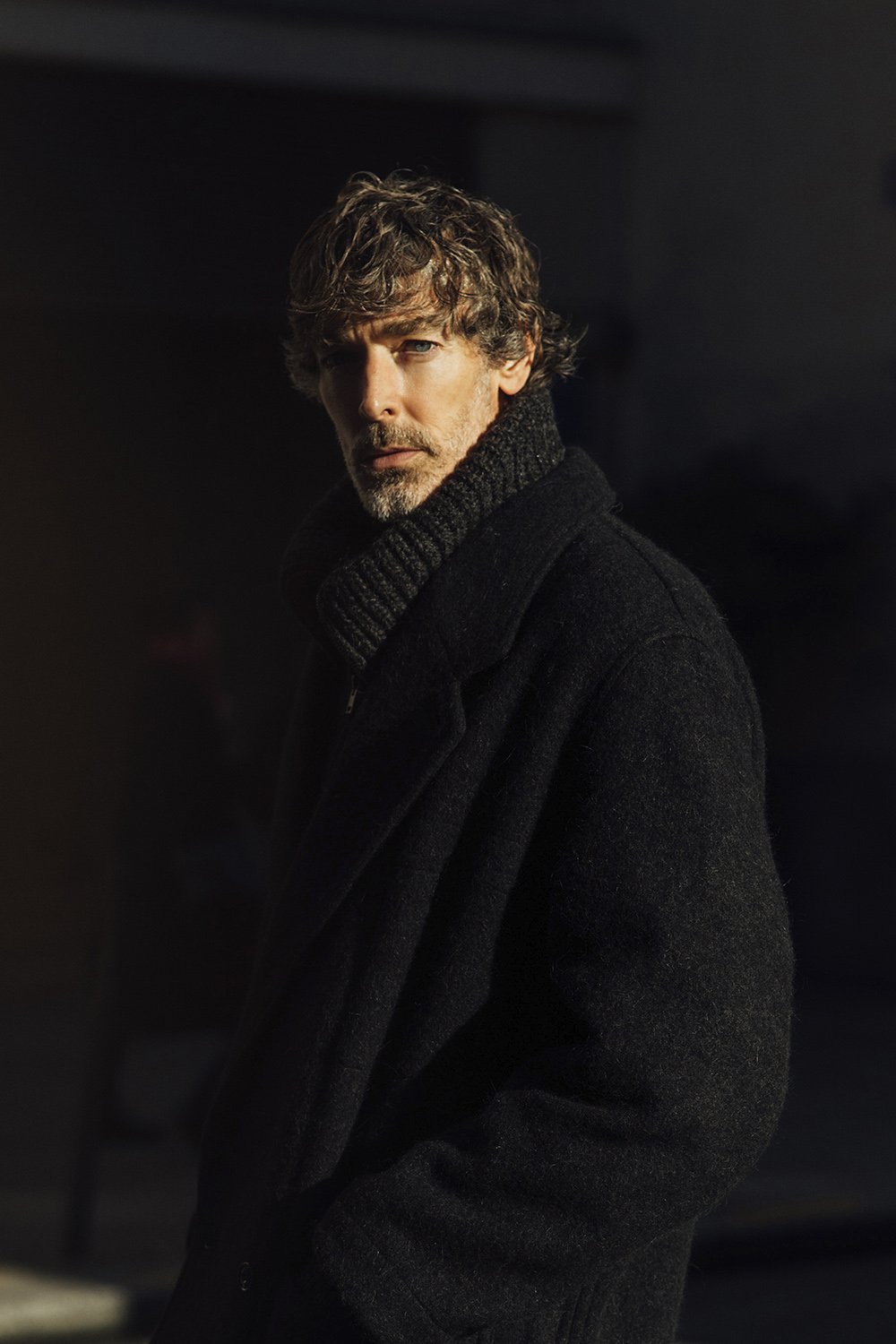
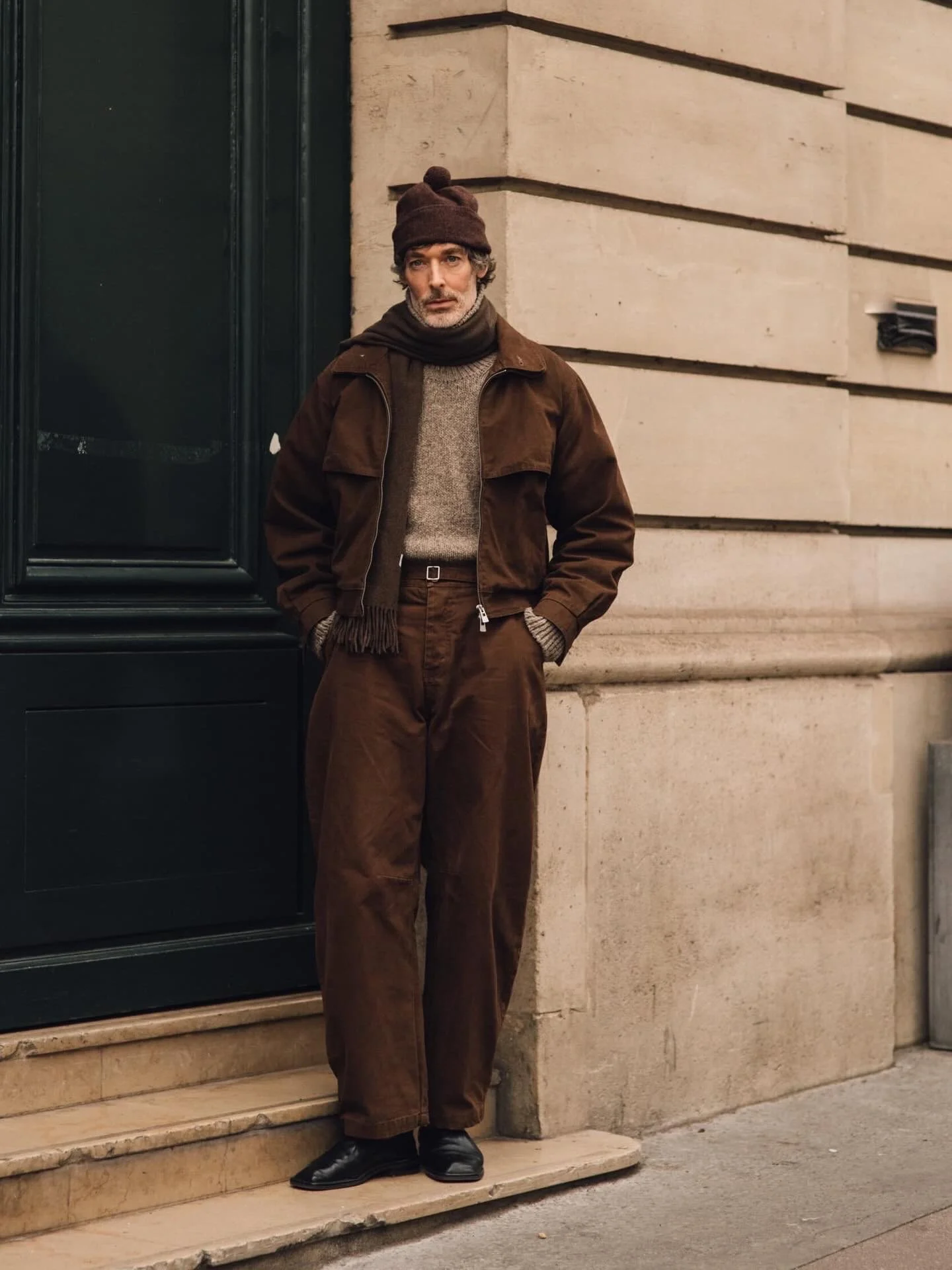
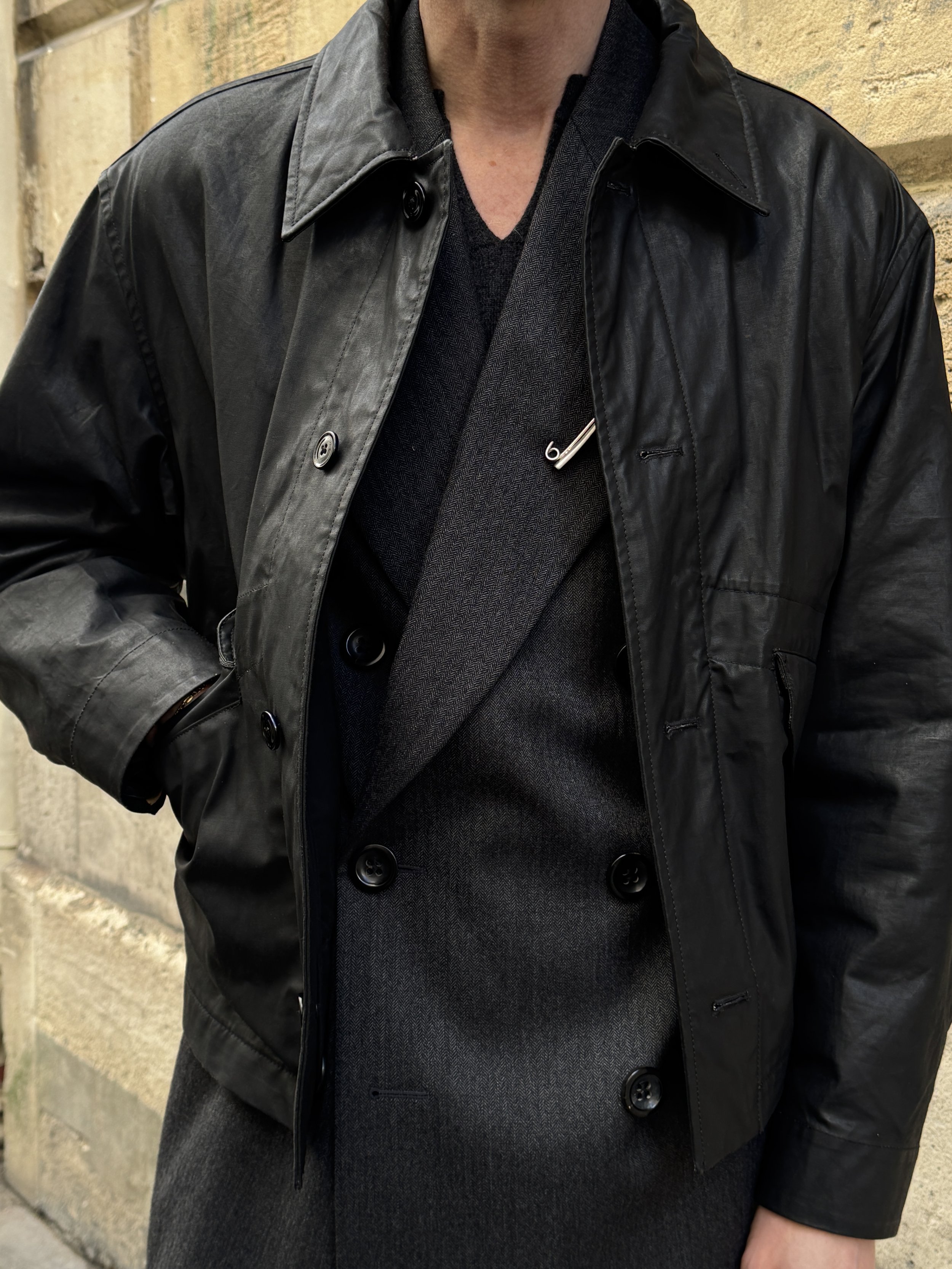
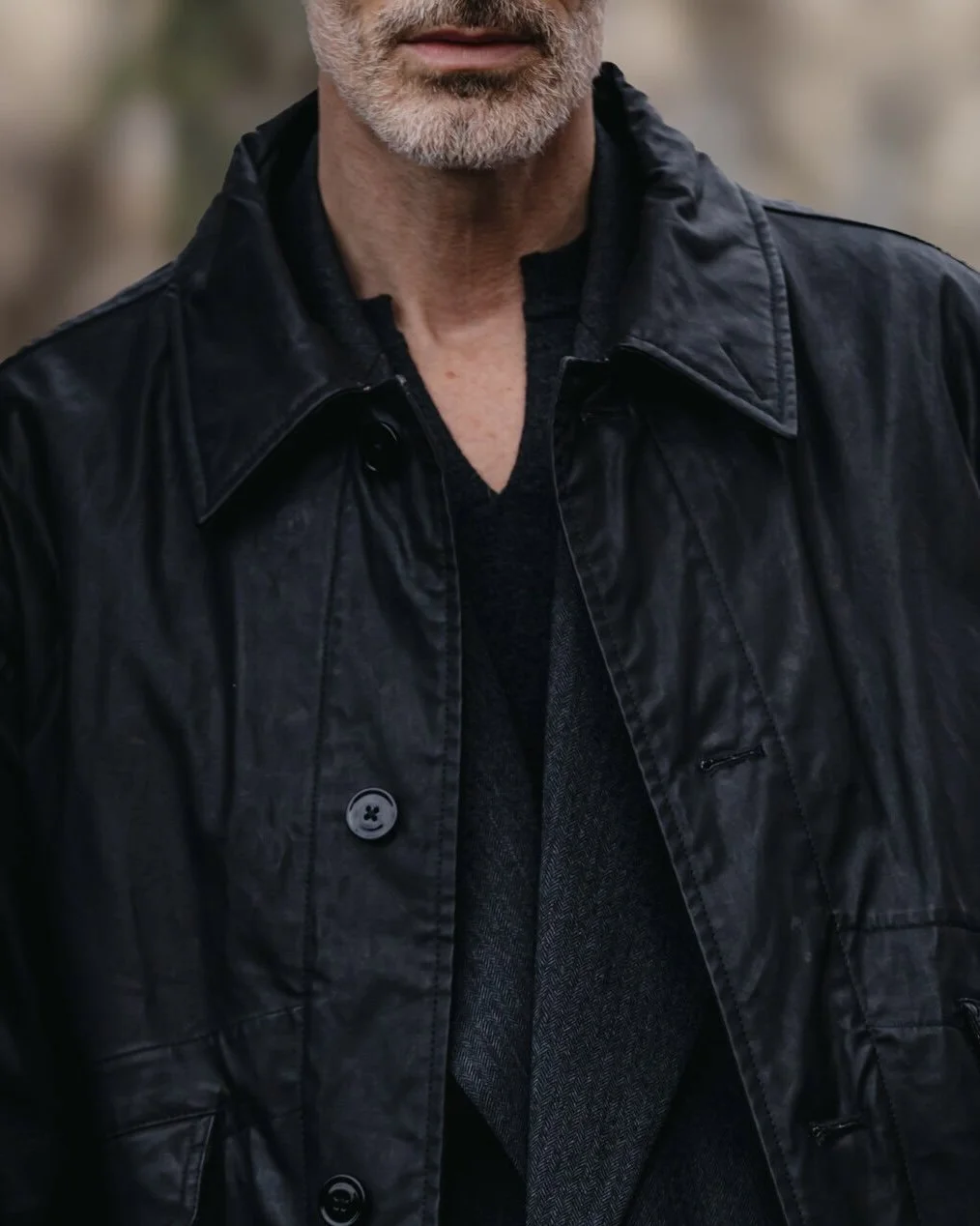
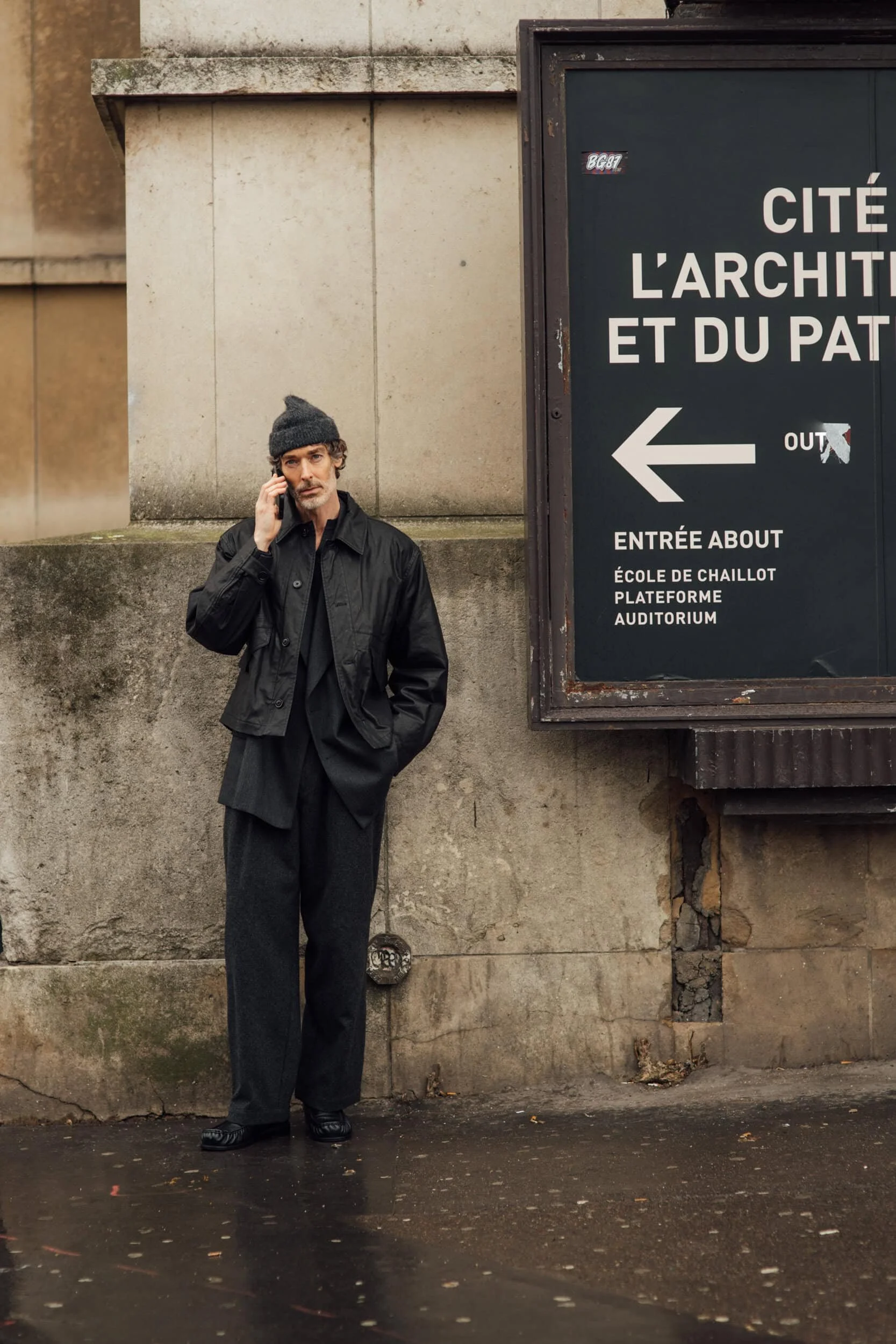
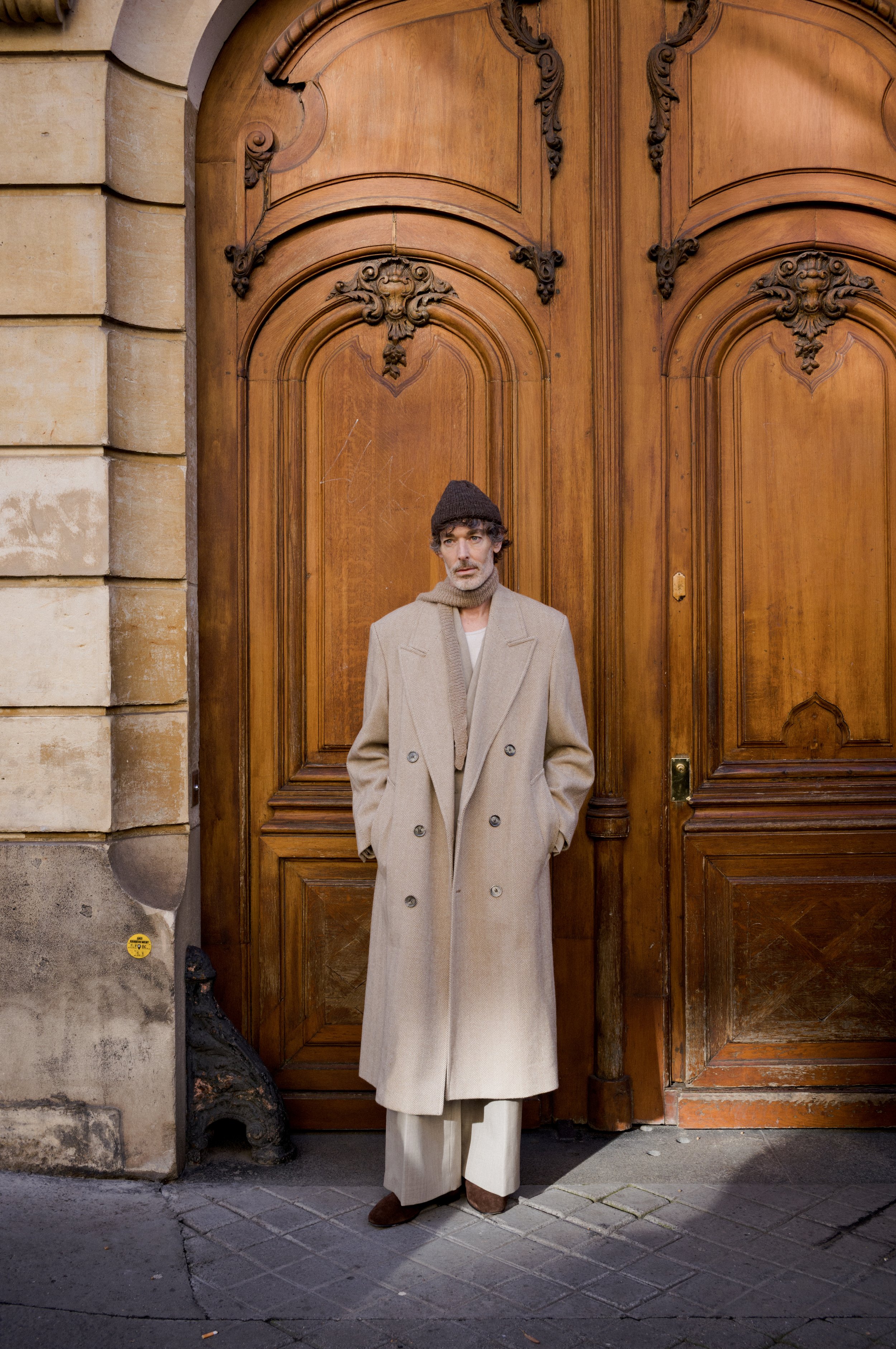
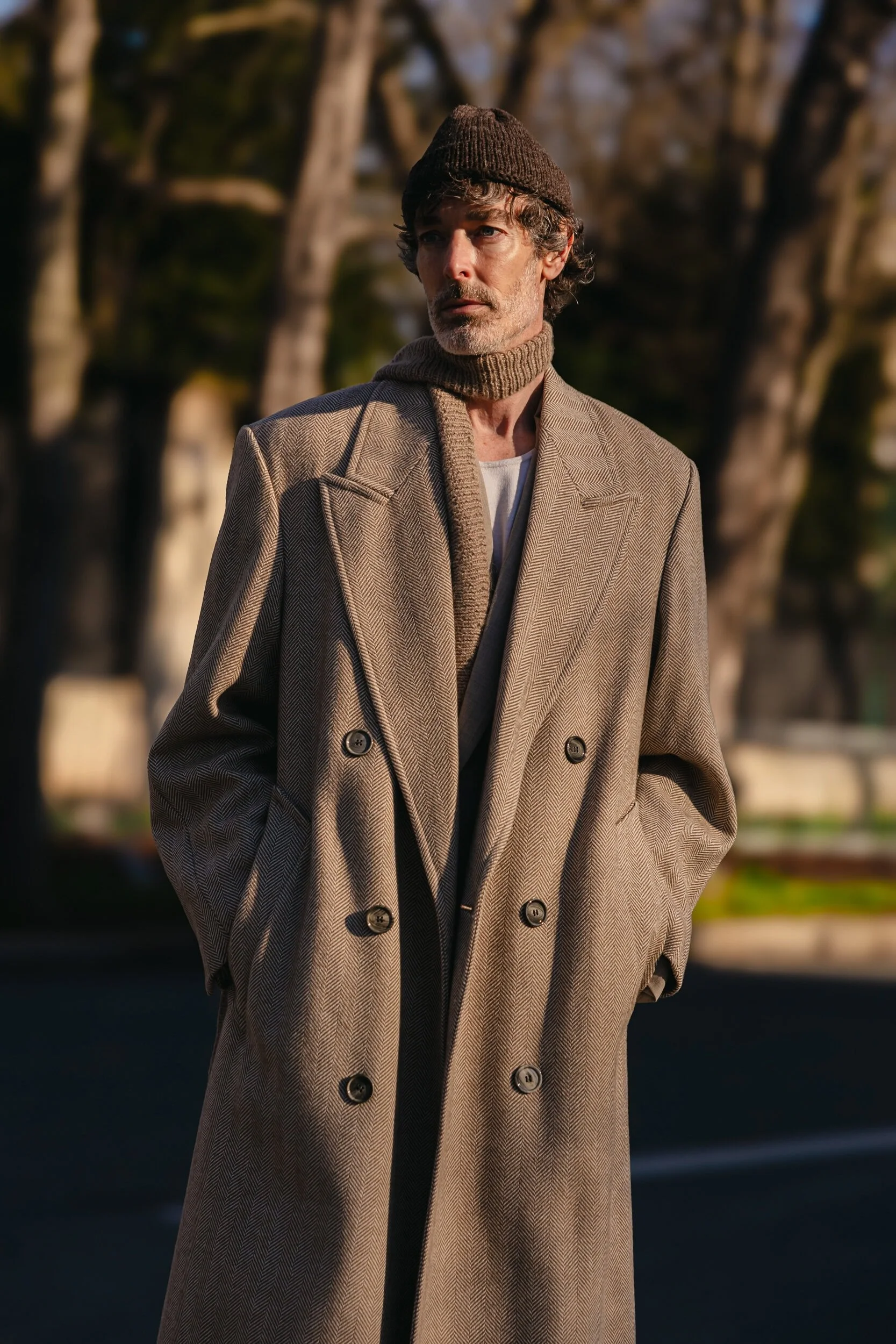
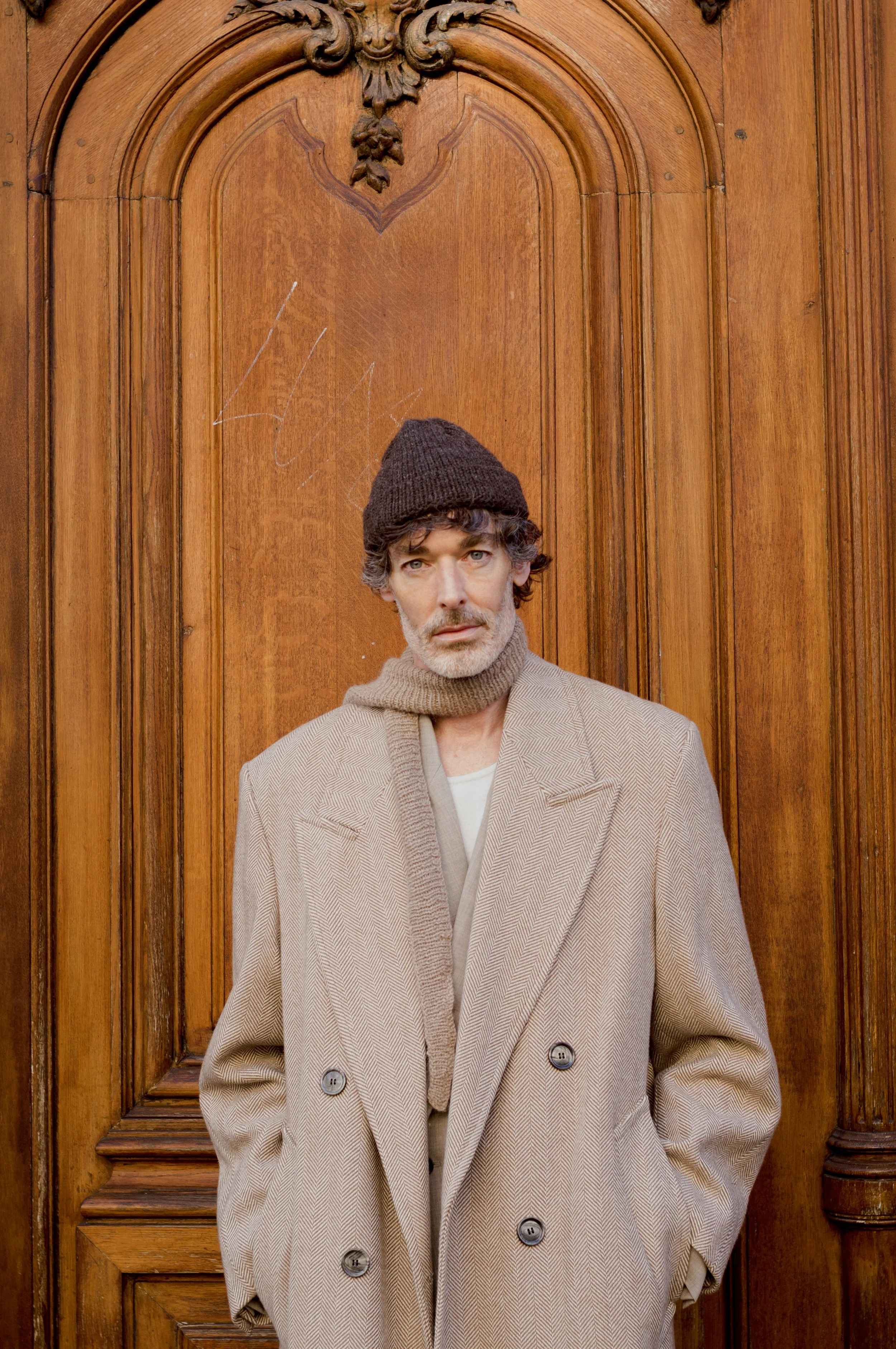
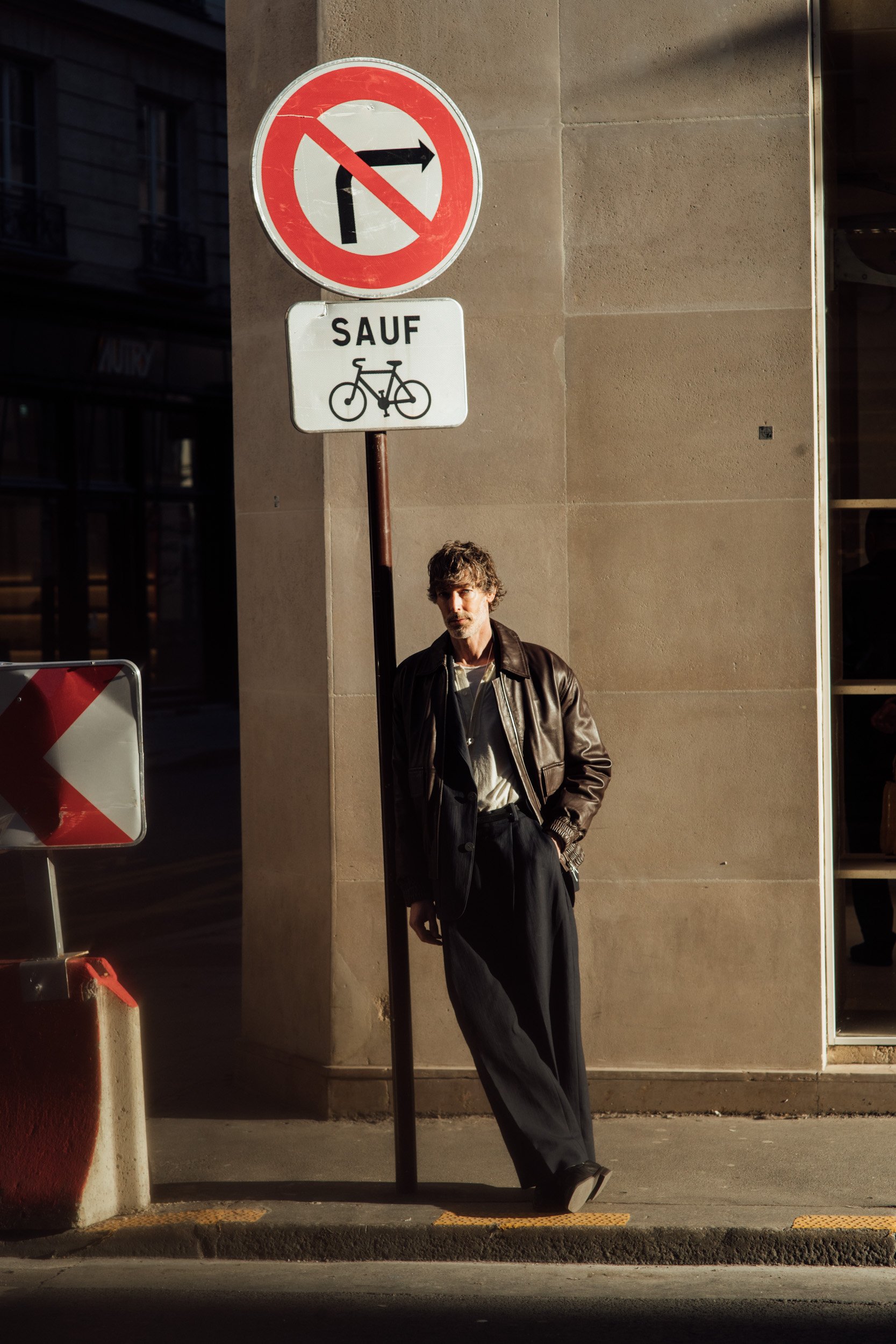
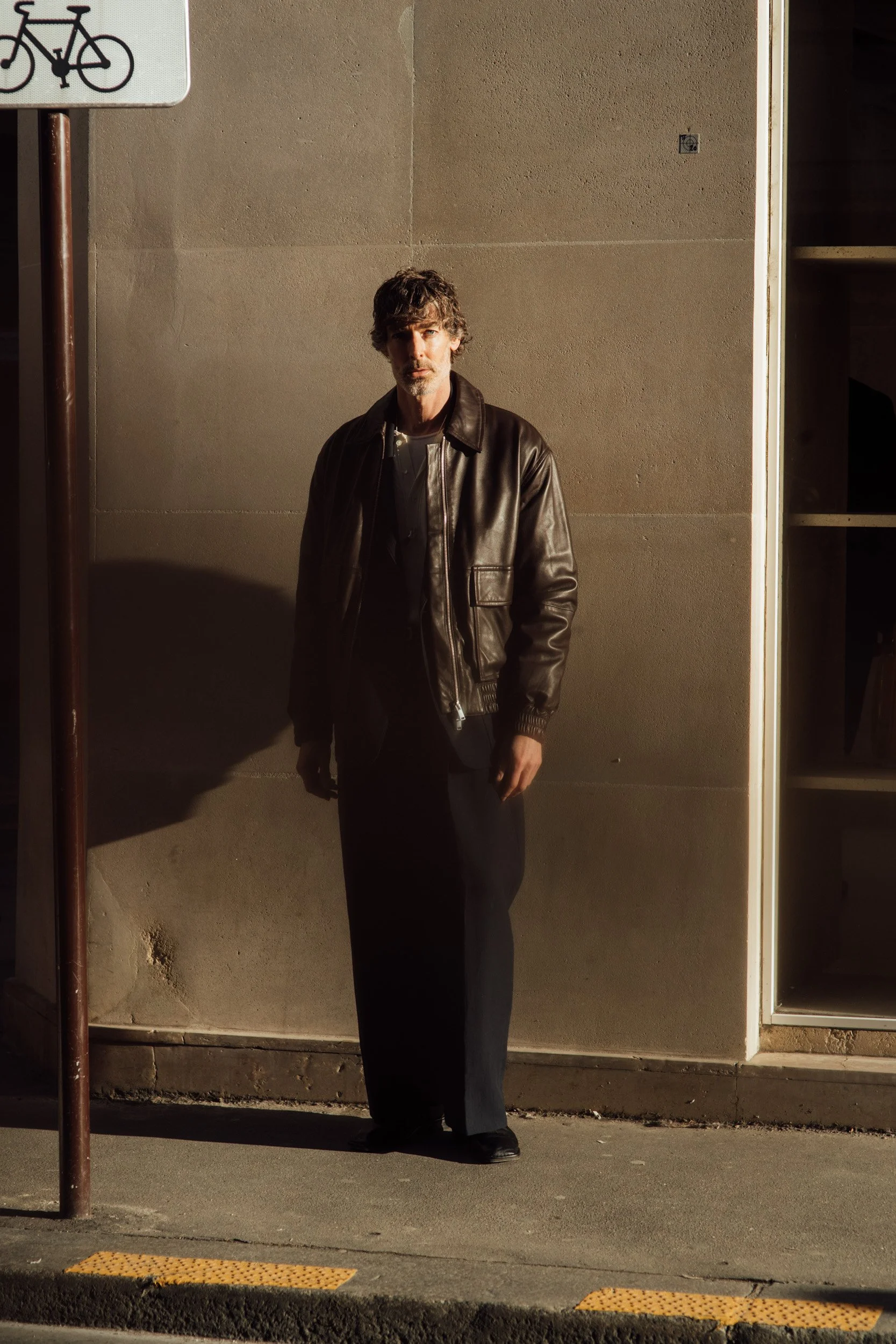
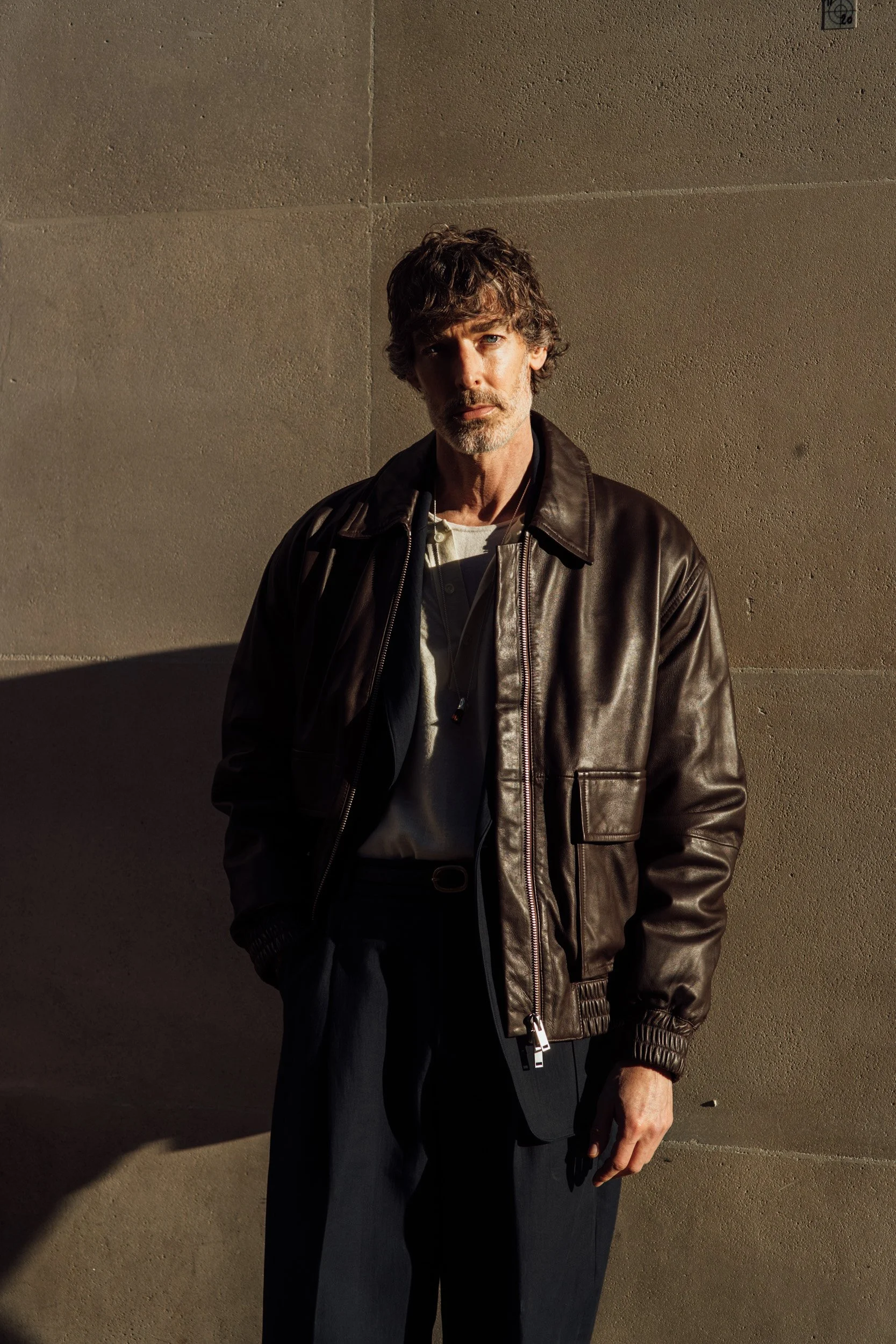
REY Exclusive: Richard Biedul’s Style Report from Paris Fashion Week

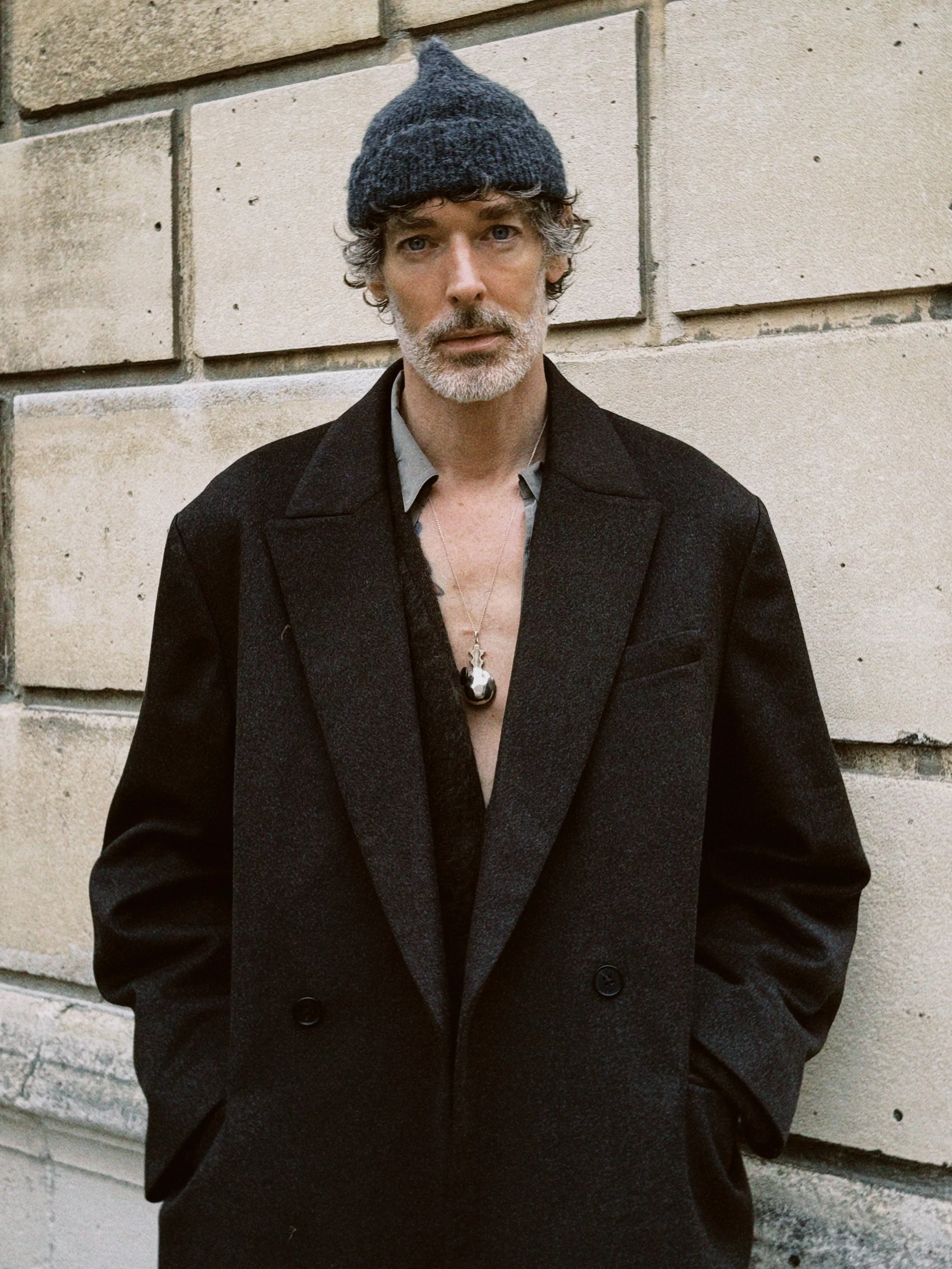
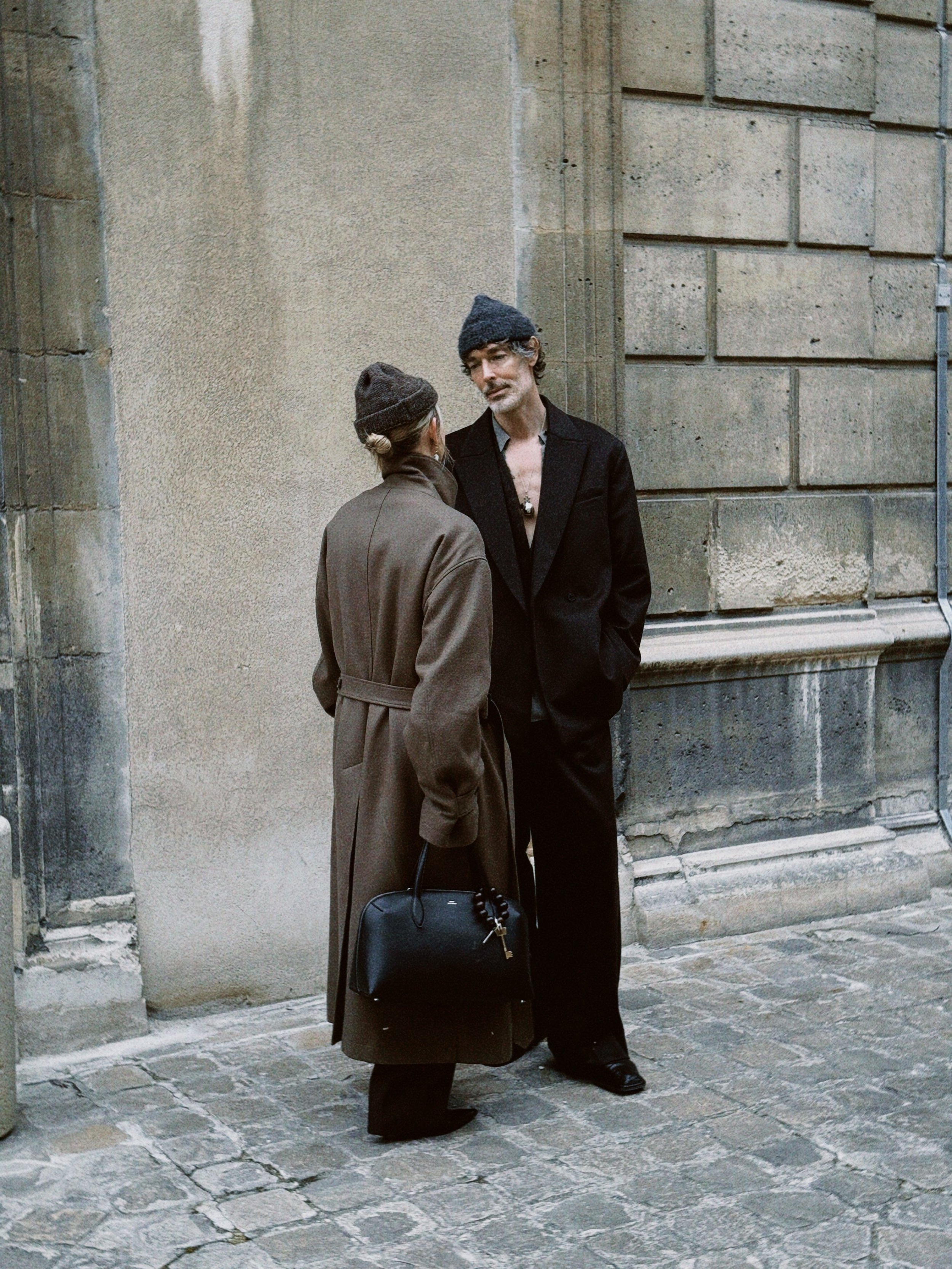
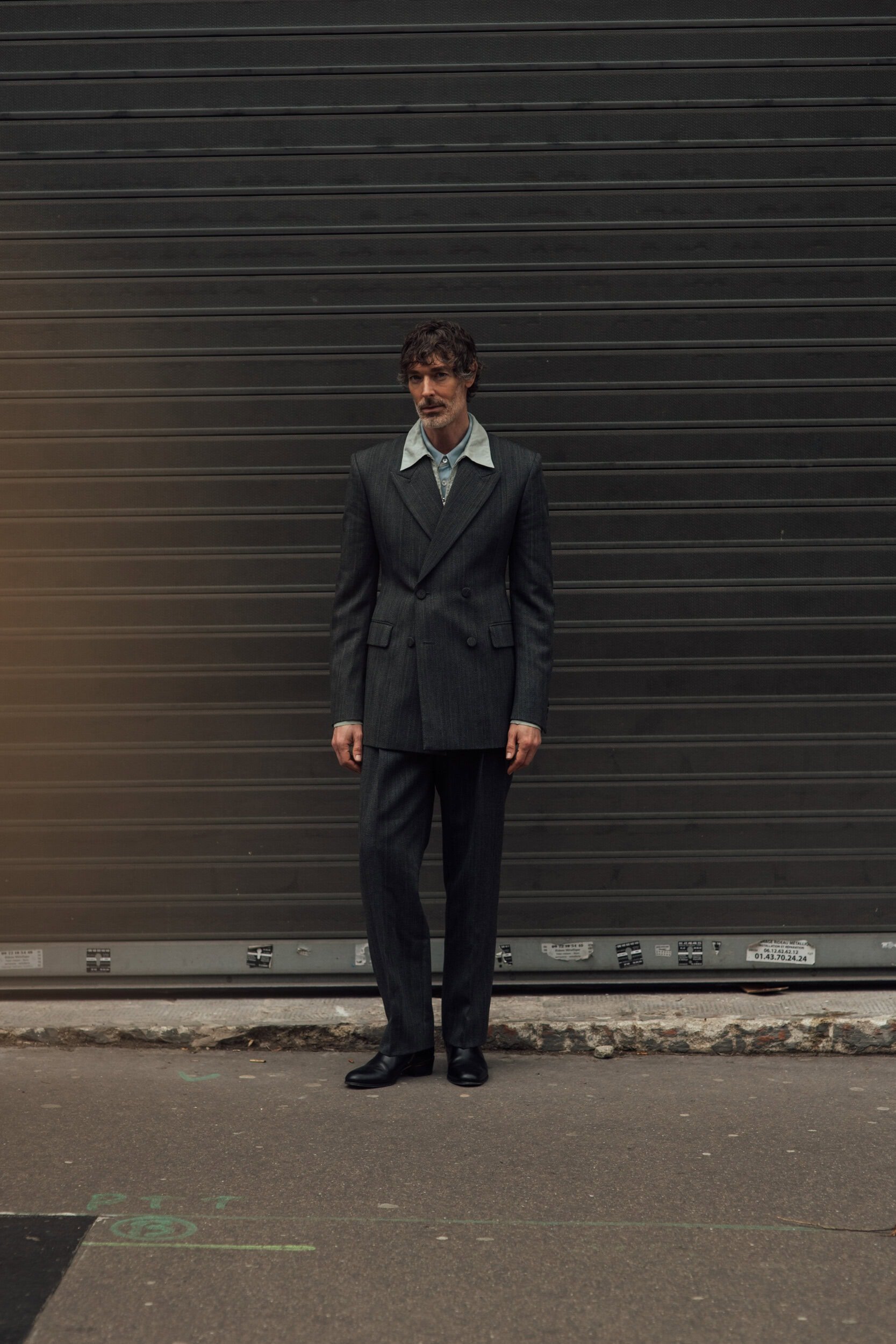
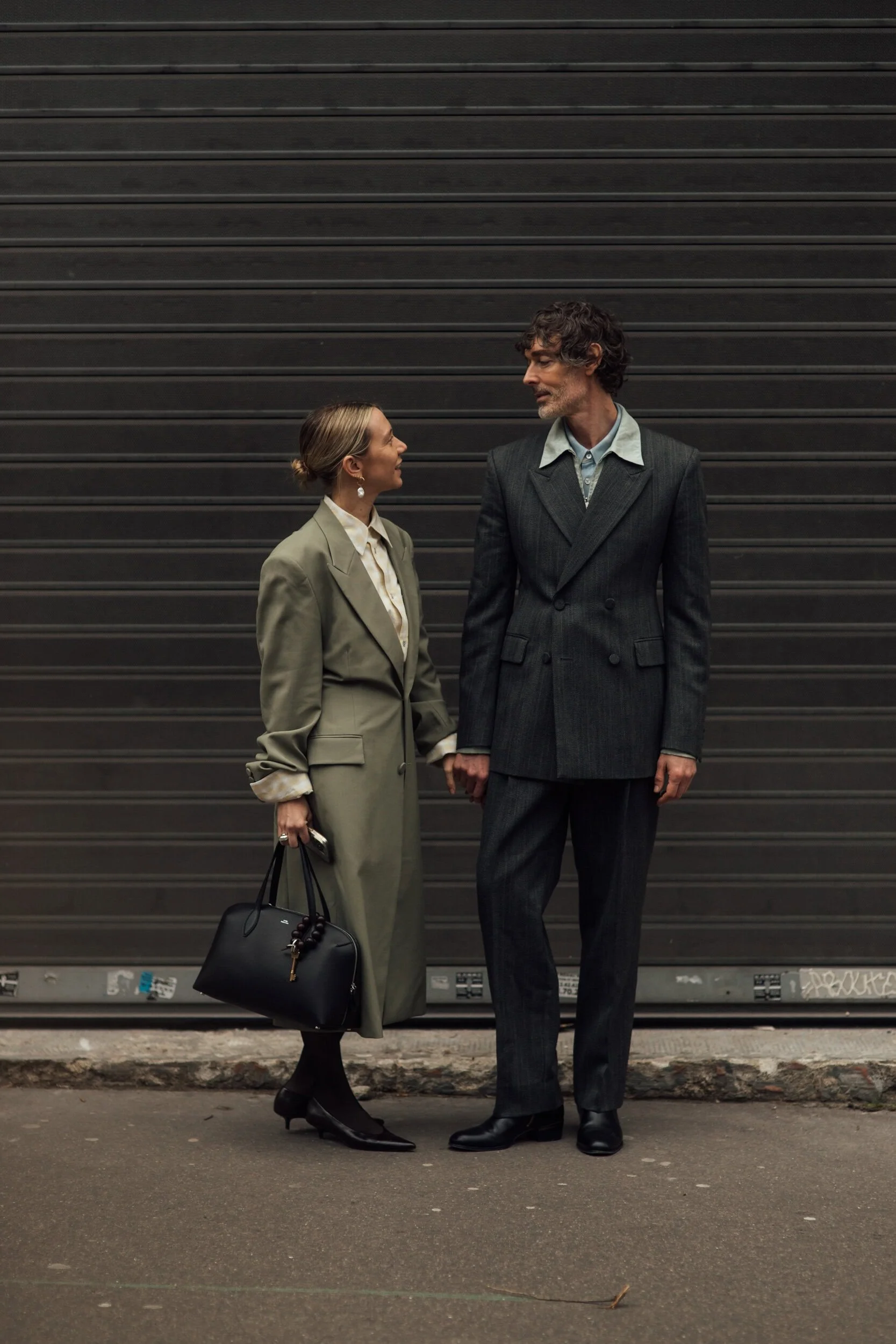
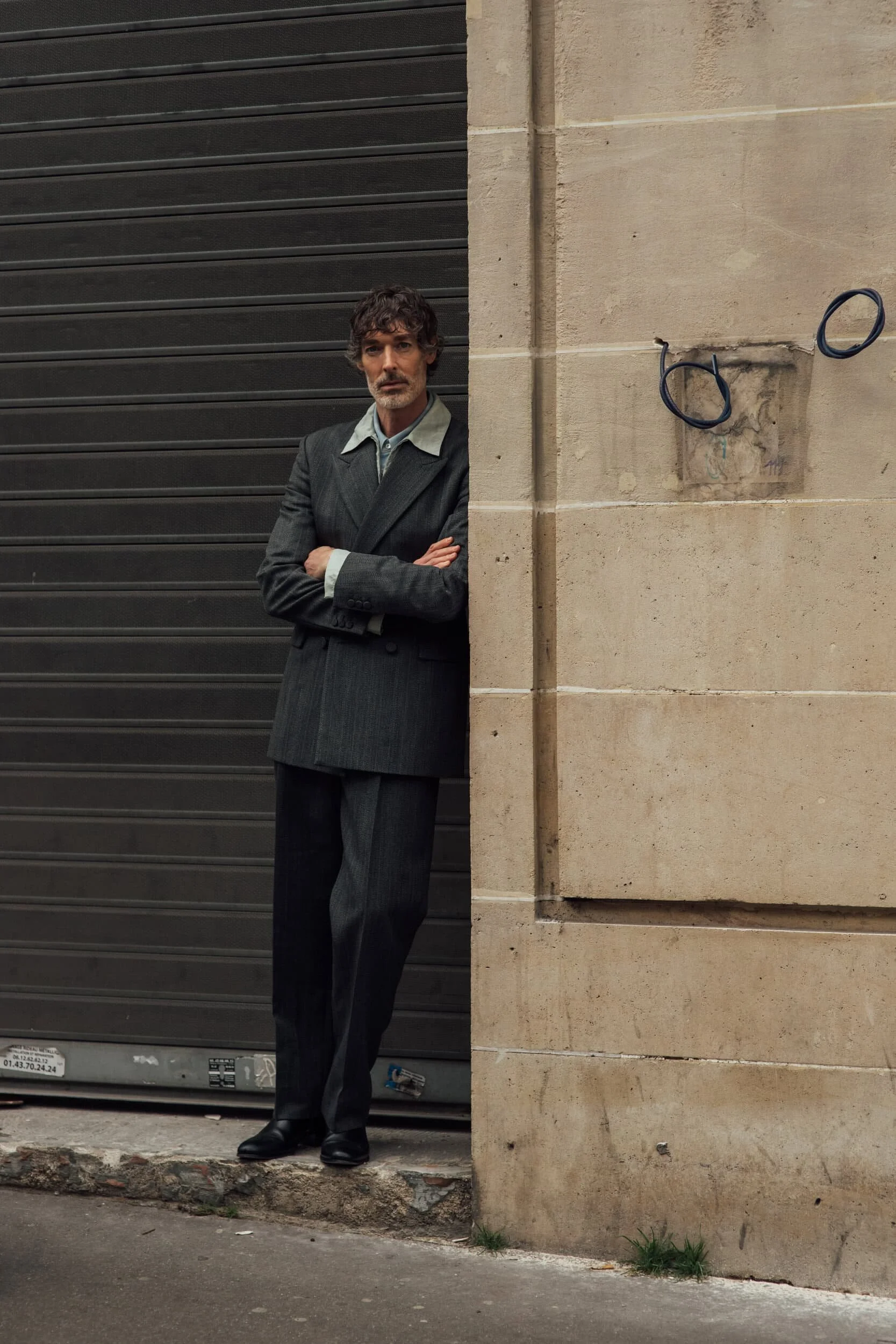
Richard Biedul commanded Paris Fashion Week with a presence that felt deliberate, assured, and unmistakably refined.

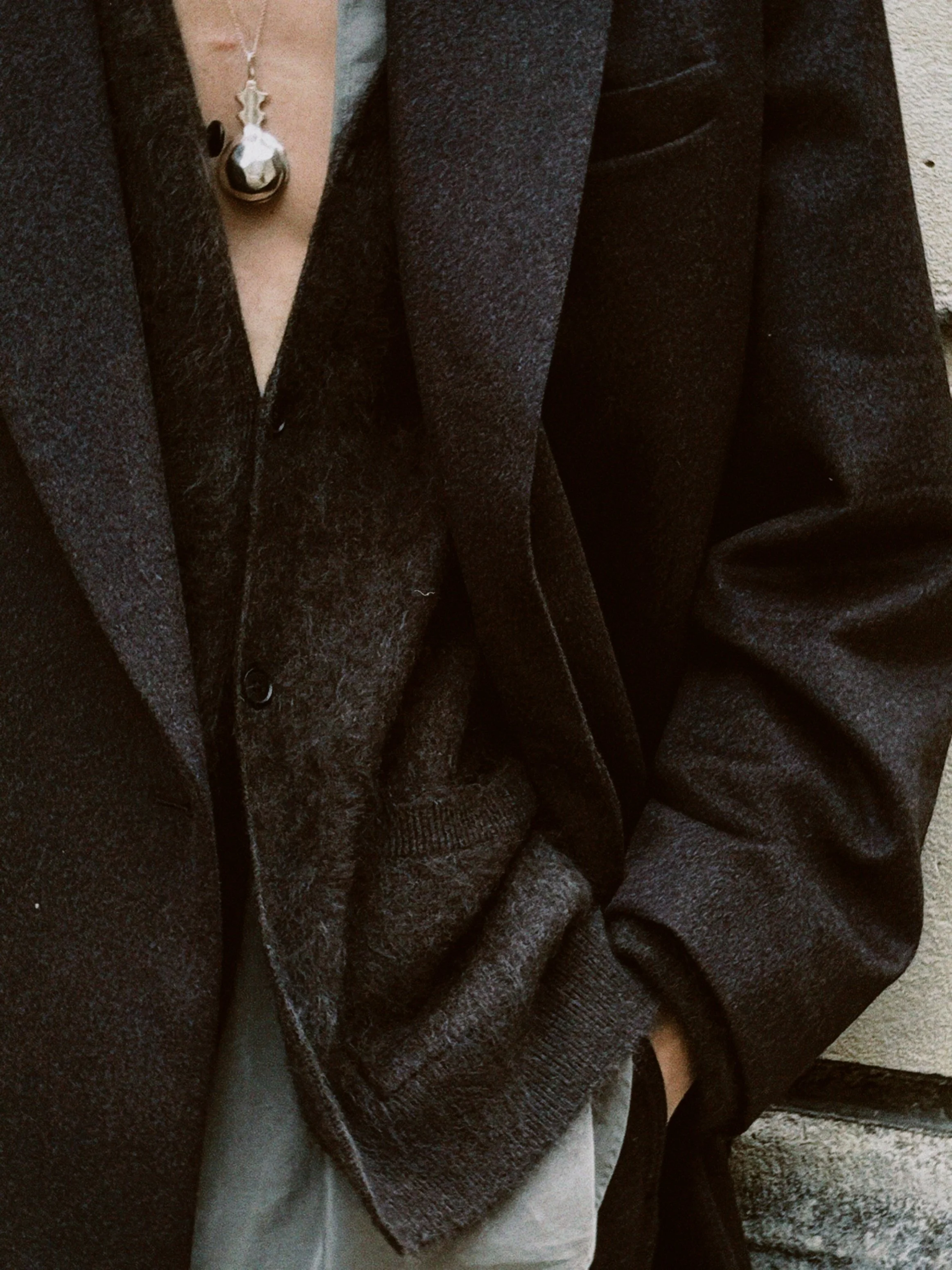
His appearances across the city reflected a sharp understanding of modern menswear — where confidence replaces excess and style is carried through attitude rather than decoration. Each moment felt considered yet effortless, rooted in classic masculine codes but interpreted through a contemporary lens.

There was a sense of continuity in his looks: clean lines, strong silhouettes, and an ease that suggested experience rather than performance. In a week defined by spectacle, Biedul stood out by doing less — and meaning more.

At REY, we captured his looks day by day throughout Paris Fashion Week, presenting them exclusively as a complete visual narrative of modern menswear in motion — refined, intentional, and unmistakably current.

DAY O1

Total look Auralee

DAY 02

Lemaire Total Look & Sherylin Jewellery

DAY 03:

Look 01 - Wearing Porter James, Margaret Howell, Lemaire & Babaa

Look 2 - Dries Van Noten Blazer, silver pin & shoes. Jacket is Lemaire. Cashmere sweater is from Salts.

DAY 04

Ami overcast, Nanushka suit & Arthur shoes.

DAY 05

Wearing Studio Nicholson & Auralee

DAY 06

Look 01 - Ssstein Total Look

Look 02 - Wooyungmi Total Look

Hermès Men Fall Winter 2026

Under the enduring vision of Véronique Nichanian, Hermès Men continues to define what modern luxury truly means — not through excess, but through precision, restraint, and absolute mastery of craft.

The latest collection unfolds as a study in quiet power: garments designed to move effortlessly through life, shaped by impeccable tailoring, noble materials, and an instinctive sense of proportion. Nothing is forced, nothing decorative for the sake of effect. Instead, each piece carries intention — supple leathers, fluid structures, and a palette that speaks in hushed, confident tones.

This is menswear distilled to its essence: refined, assured, and deeply rooted in authenticity. Hermès doesn’t chase relevance — it defines it, season after season, with a confidence that needs no explanation.

In Conversation with Eddie Gavriilidis

Eddie Gavriilidis is one of the most compelling voices in contemporary fashion, blending Mediterranean heritage with bold queer expression. As the co-founder of House of Jaffa and a rising force on the international stage, he challenges conventions with authenticity and intention. In this conversation for REY Magazine, Eddie opens up about creativity, identity, and the power of visibility.

Photographed by Dimitrios Kleanthous

Styling Eddie Gavriilidis

Grooming Christos Theophanous

Interviewed by Christos Christou

Your journey has taken you from Greece to London and into the global fashion world. What was the turning point when you knew fashion was your calling?

Grew up inside art. My mother studied at the National School of Fine Arts in Athens, my father lived in fashion, so creativity wasn’t a choice it was the air. I had the references before I had the words. Passion showed up early, discipline came later on when I went to Central Saint Martins & Marangoni.

Somewhere between obsession, temptation and hard work, I stopped being a kid and became something new. A new person that had the guts to dress Gaga and Madonna, live, create fall in love and party hard with Lindsay Lohan. ;)

You’ve worked with major houses like Alexander McQueen and Tom Ford. What’s one lesson from those environments that continues to shape your design DNA?

At McQueen, I was designing embroideries, and my creativity was pushed to its limits. I learned how to illustrate emotion — that nothing is accidental, that chaos only works when it’s controlled. Tom Ford was the most charming person I’ve ever met. He introduced me to the world of fashion marketing and branding, where sexuality stopped being a taboo and became powerful, refined, and confident. I worked on pieces later worn by Anna Wintour, even at a dinner with Barack Obama — that was the moment I realized my work can reach a massive audience and the power to be seen by millions around the world.

Your work often challenges traditional gender and beauty norms. How do you approach designing for people rather than for categories?

I don’t design for genders; I design for desire. Bodies are just vessels; attitude is the real silhouette. When you strip the rules away, what’s left is power, vulnerability, sex. That’s where my work lives. Clothes should flirt, provoke, and give people the choice to define themselves. Fashion is language it shows our ethos, who we are or who we want to be, before we ever speak. Look at Madonna: from the very beginning, her fashion spoke first. Provocative, conceptual, fearless — you knew exactly what she wanted to say before she even started singing.

You joined Greece’s Next Top Model as one of the main judges, bringing a fresh and international perspective to the show. How did this opportunity come to you, and what made you say yes?

I’m always surrounded by people who push me further. A friend suggested it, the timing felt right, TV came when I was ready. I wanted to shake things up and push the girls and the boys, make them see fashion isn’t just clothes. It’s attitude, confidence, owning your story. I wanted to bring the global, modern edge that I’ve learned in Europe working with mega brands such as Burberry, Erdem and Victoria Beckham. Also Fashion people are real people bold, alive, part of life, not stuck in a bubble.

Stepping into the GNTM judging panel introduced you to a new level of visibility and connection with emerging talent—how has that experience, along with the responsibility it carries, influenced you personally and creatively?

GNTM isn’t just judging,  it’s feeding off the fearless boys and girls, breaking rules, and keeping everything real. It pushes me to take risks I might never have tried on my own. Watching them claim their space reminds me why I do what I do. We  create, to challenge, and to make people feel alive and stronger. I wanted the models to break the norms and find an unapologetic existence, that’s the kye from a model to become a super model.

Fashion today is deeply connected to personal storytelling. With House of Jaffa’s bold Queer Middle Eastern aesthetic, what story were you aiming to tell when you founded the brand, and how has that vision evolved through your work today?

House of Jaffa was born in London, but its soul comes from Jaffa — the port of Andromeda, where the sky bleeds into the sea. I’ve always been obsessed with the constellations that guided travellers, the myths of heroes like the Dioscuri, and the raw, electric energy of bodies in motion. Our designs are charged with desire, with tension, a celebration of bold, fearless beauty. House of Jaffa isn’t about borders or labels it’s about the journey, the fire, the light, and the thrill of being unapologetically you.

The label blends Mediterranean romanticism with gender-fluid silhouettes. How do cultural roots influence your creativity?

I’m Greek, but my heritage traces back to merchants who moved from Spain to Italy, through Asia Minor, and into Greece. Golan comes from French, Moroccan, and Egyptian roots, with a grandfather who was a diplomat and a father who grew up all across Africa. We both carry layered histories, and grew up on varied and rich iconography and superstitions. We fused all of that with our London multiculturalism education.

Our creative start point comes from the Mediterranean sun on bare, tanned skin, the heat in August that makes you sweat and burn with desire.

House of Jaffa explores identity, sensuality, and freedom. In today’s climate, do you feel fashion can still be a form of activism?

Fashion is the body, desire, and danger you wear. At House of Jaffa, every piece drips with lust, tension, and skin-on-skin heat, it provokes, it questions, it seduces. Dressing isn’t just clothes; it’s an act, a performance, a little rebellion you carry on your own body.

You and Golan Frydman co-founded House of Jaffa. How would you describe your creative chemistry?

Working with Golan is love and trust in motion. We play ping-pong with ideas until a new monster is born  wild, raw, demanding attention. Then we tame it, illustrate it, dress it in silks, cottons, and linens, and bring it to life

Many creative duos struggle with balancing personal and professional life.How do you and Golan maintain harmony between the two?

of course we do. It’s a challenge like any couple. But the silver lining? Our work fuels our chemistry. We fight, we laugh, we push each other… and sometimes the tension turns into something electric. That energy seeps into the brand, making it bolder, wilder, and undeniably alive.

As one of the few Greek fashion figures who is openly gay and open about your relationship with Golan, what does that visibility mean to you personally and creatively?

Fuck the Homophobes, they are medieval suppressed little beings.

I spent my adult life in London sexuality, origin, gender… none of it’s a label there. It’s just life. We’re all different. That’s the point. What matters is embracing love, companionship, and celebrating who we are.

In a time when LGBTQ+ rights are being challenged globally, what do you believe the queer community needs most right now?

I don’t do speeches, that’s not me. But here’s the truth: queer people are just people. No apologies, no labels, we live, we desire, we move through the world like anyone else. And when rights are taken away, that’s when you get up and fight. Make space for a better future.

What’s next for the House of Jaffa?

The brand started in the shadows, cruising, hushed lust, back-alley encounters behind the Ottoman hammam. Now, House of Jaffa is diving headfirst into myth, desire, and Mediterranean heat. We’re twisting the story of Andromeda, tied to the rock to be sacrificed, and the Dioscuri, two brothers who died for each other’s love.  Moments where gods, monsters, and humans collide in lust and vanity. And here’s a scoop for you… ;) After shows in London, Paris, and Jaffa, our next stop will be Athens this May.
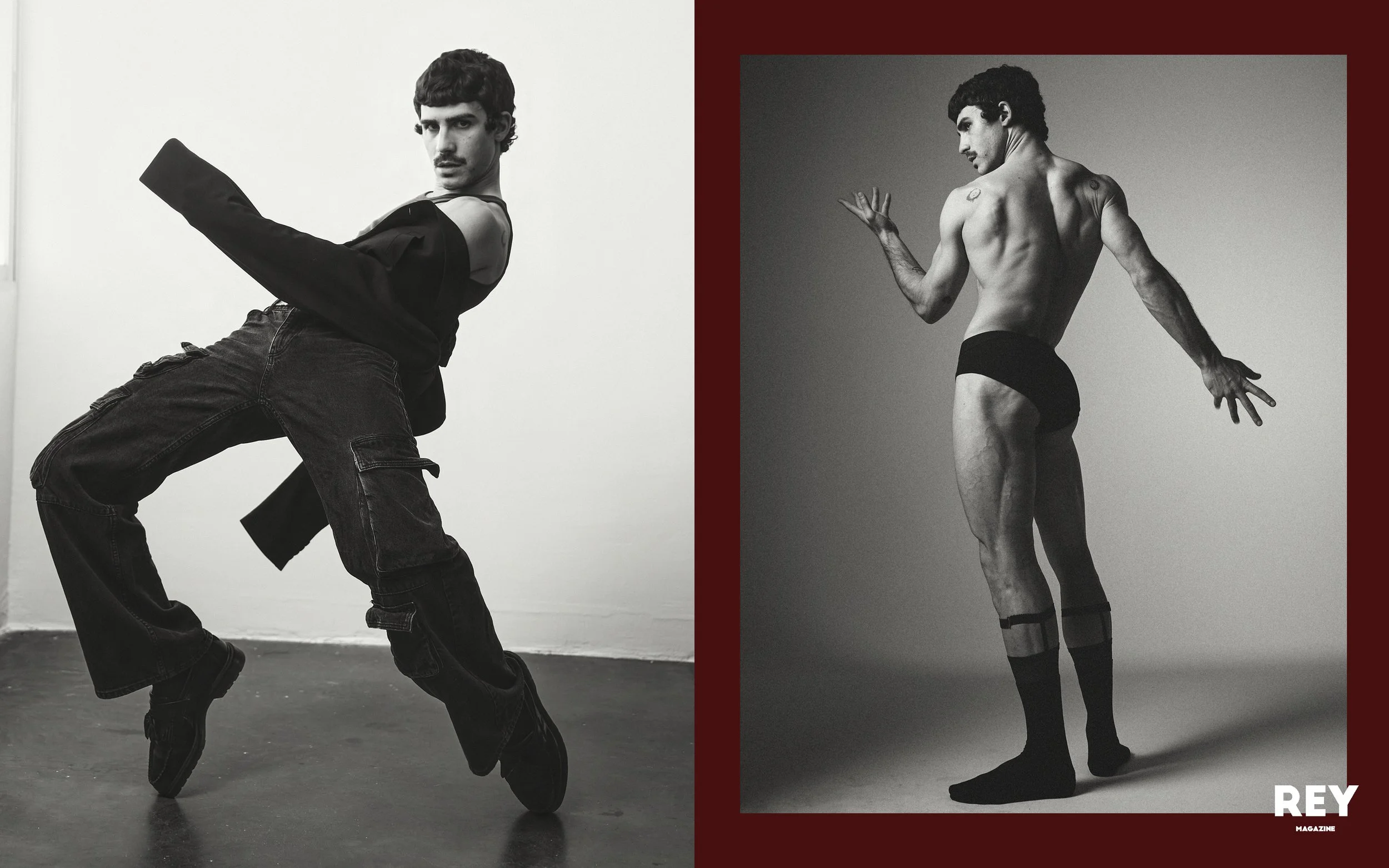
And finally — what does freedom mean to Eddie?

Freedom… Is doing what I want. Living, creating, and moving through the world without caring what labels others choose to use for me, their gossip, their shallow ideas about me are meaningless. And freedom from this means Following my instincts, taking risks, making mistakes, and owning it all.

Tom Ford Spring 2026

Haider Ackermann steps into Tom Ford’s legacy with the confidence of someone who understands rhythm. He honours the house’s sensual core, then subtly shifts the mood, letting restraint sharpen the allure.

Leather takes centre stage. A glossy brown blazer nods to Ford’s Gucci years, softened by a looser cut, while a tobacco suede field jacket channels seventies Americana. Open shirts, relaxed scarves and black polka-dot boxer shorts feel effortless, like the morning after a long Hollywood night.

Tailoring grounds the collection. A sharp black double-breasted suit is tempered by calmer shoulders, while cream and powder blue suits recall mid-century summer icons. Polka dots return in silk scarves and shirting, adding quiet playfulness, as colour moves from warm yellow to cool ice-blue suede with cinematic ease.

For Spring 2026, the house remains fluent in desire — guided forward by a designer who knows exactly when to hold the beat and when to let it drift.

GENERATION GUCCI: The Lookbook of the Show that Never Happened

Presented as a lookbook shot by Demna of an imaginary Gucci show that never happened, Generation Gucci represents his ongoing research into archival and visual codes across different eras of the brand’s history, seen through Demna’s lens.

It combines different generations of product and imagery into one aesthetic narrative, anticipating his personal vision for the House, which will be revealed in February.
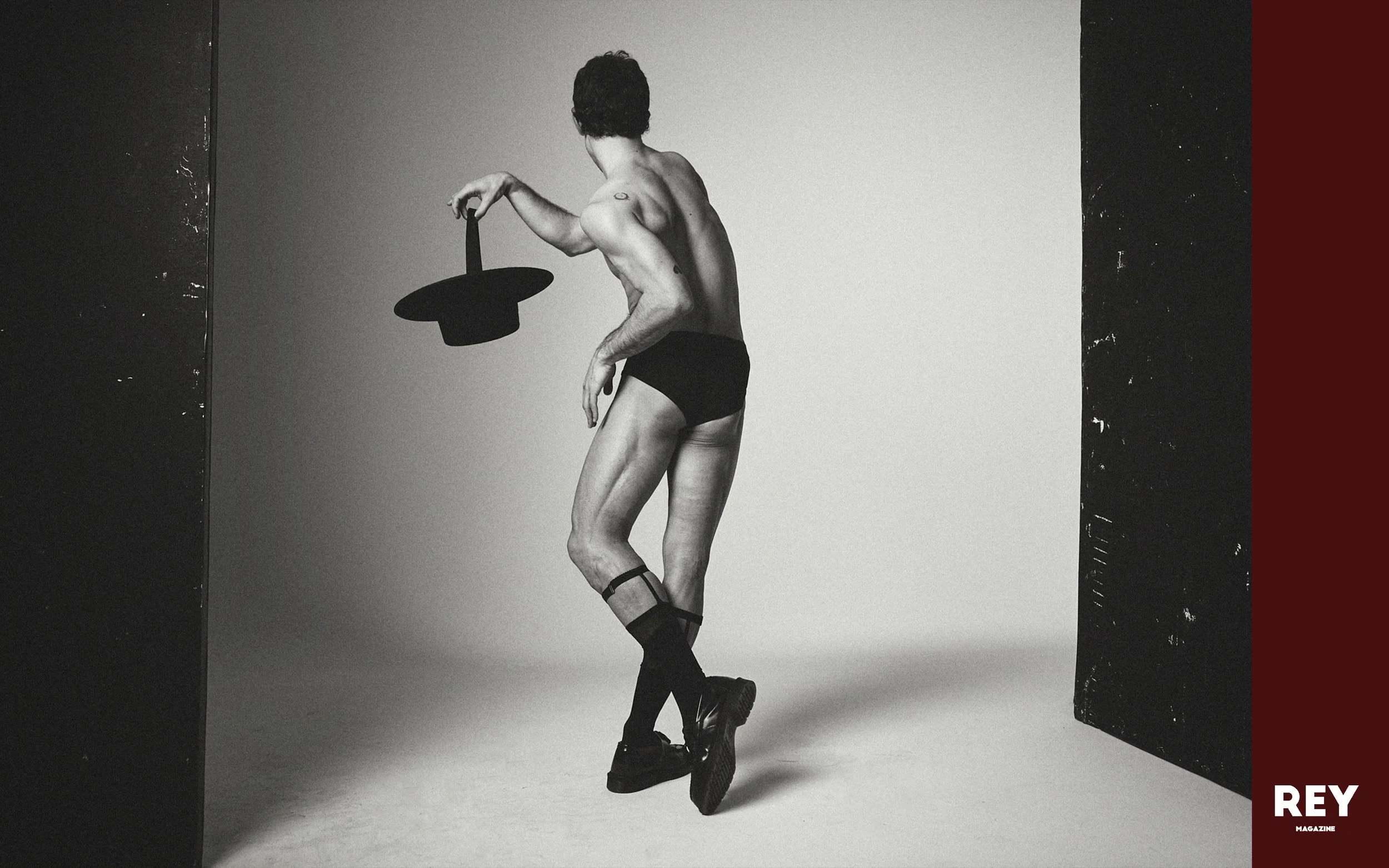
The collection will be available from April 2026.
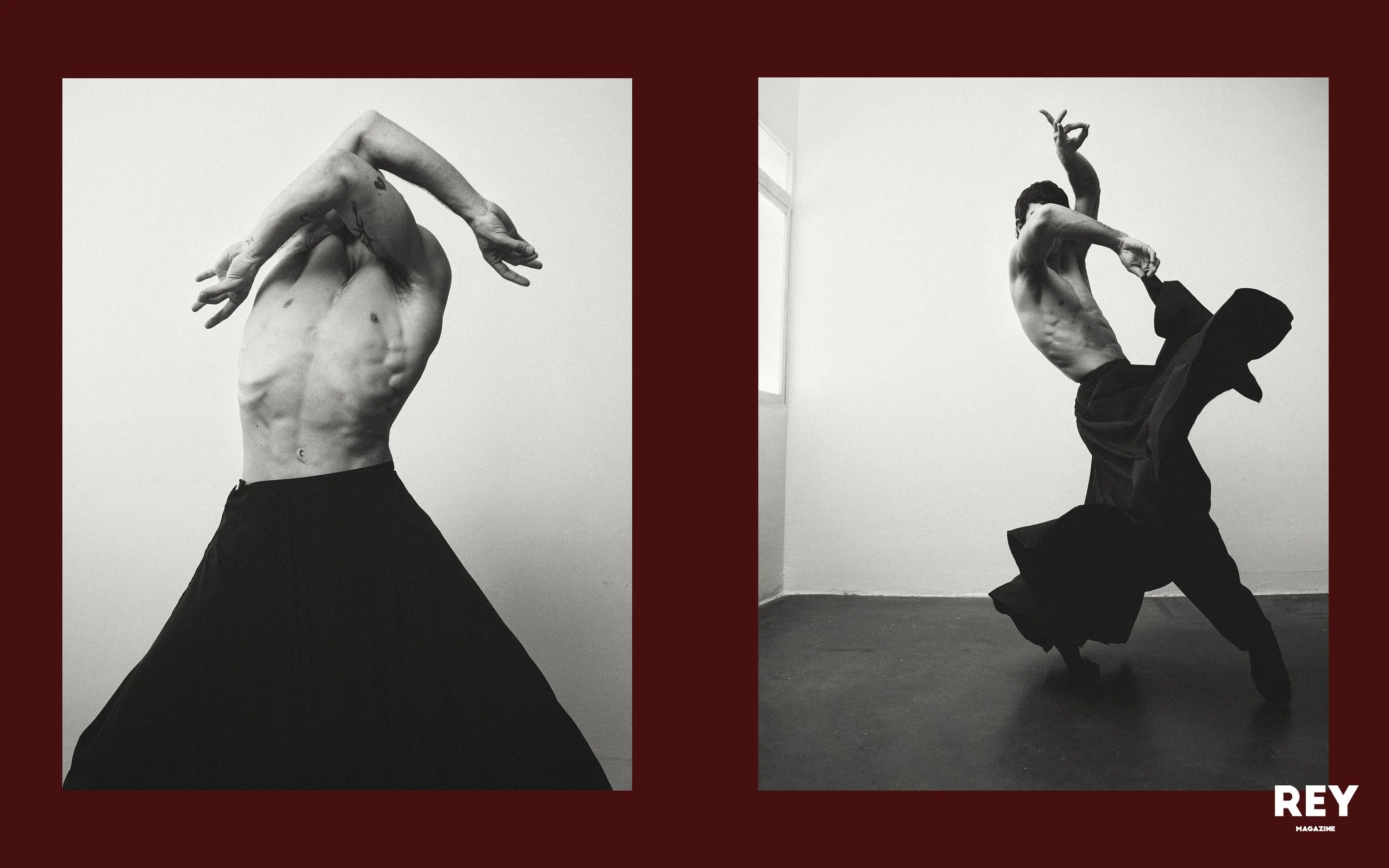
Check out more on Gucci.com

October's Favourite: Zadig & Voltaire – This Is Him! Burning Love

As October’s crisp evenings settle in, Zadig & Voltaire have captured the elusive spirit of lingering summer nights—and transformed it into a fragrance that defies the changing season. Created by renowned perfumer Nathalie Lorson, the French brand’s latest masculine scent, This Is Him! Burning Love, evokes the intoxicating magic of those electric nights when the sunset fades but the energy burns long after.

This fragrance is a sensuous journey through time, a nostalgic ode to moments when warmth meets mystery. Opening with a rich, warming rum accord, it quickly unfolds into a vibrant explosion of zesty orange and grapefruit—an invigorating contrast to the cooling air of October. At its heart lies a sumptuous vanilla infusion, adding a velvety softness that draws you in, while deep amberwood and earthy patchouli trail behind, leaving a smoky, sensual imprint reminiscent of fireside gatherings and whispered secrets.
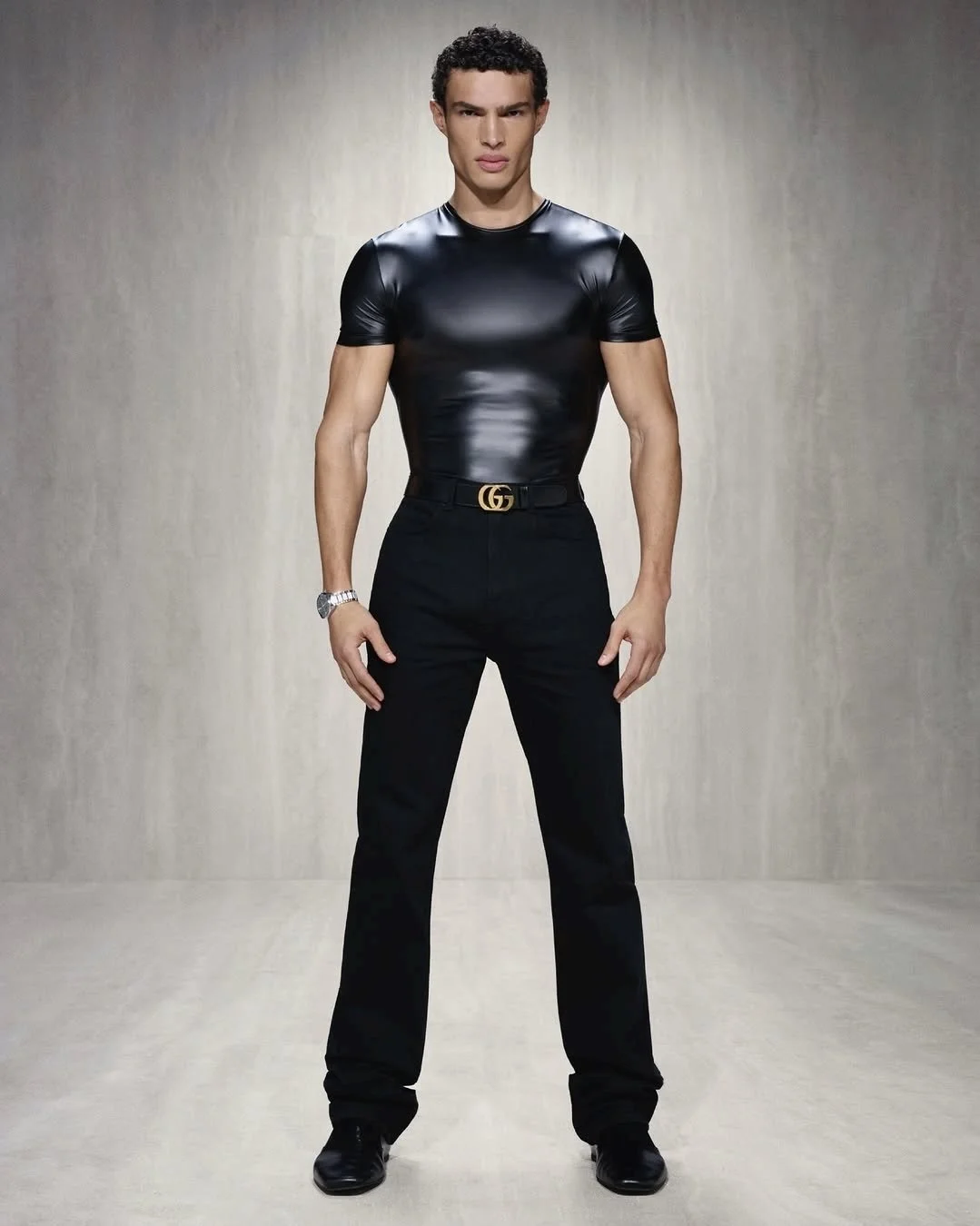
More than just a scent, This Is Him! Burning Love is an invitation to hold onto the last embers of summer’s passion even as the nights grow longer and the leaves turn. One spritz is enough to transport you to that perfect balance of warmth and intrigue—where the summer heat melts into autumn’s embrace, and the music plays on beneath a velvet sky.

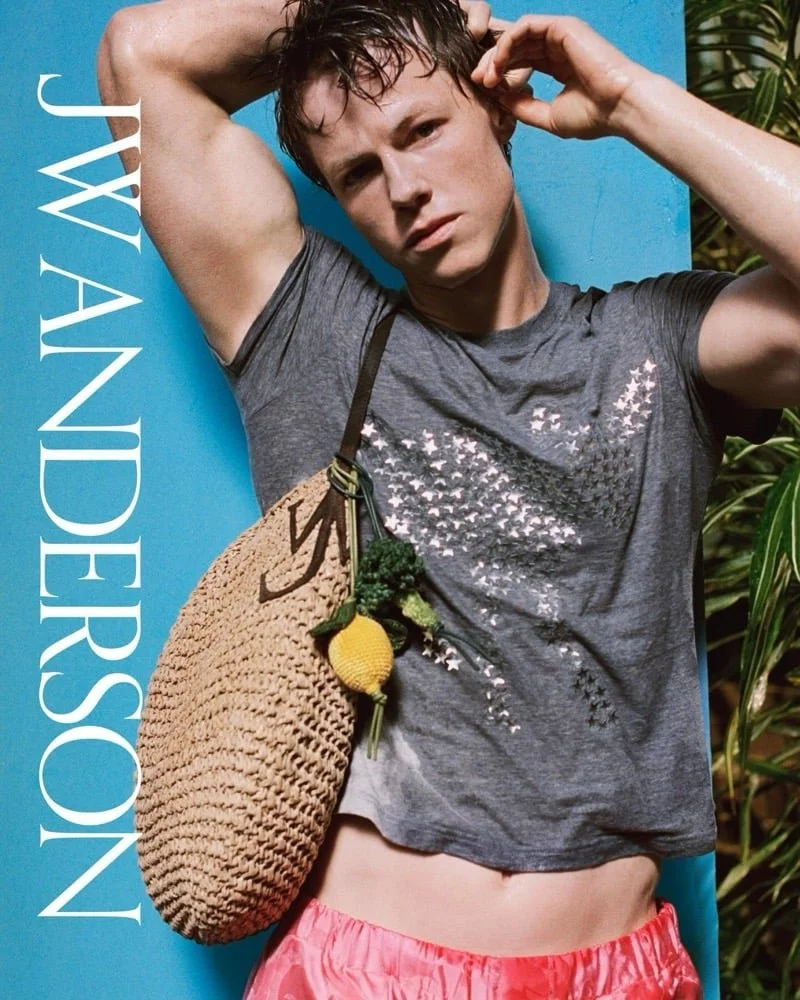
Moncler x JW Anderson: A Bold New Chapter in Outerwear

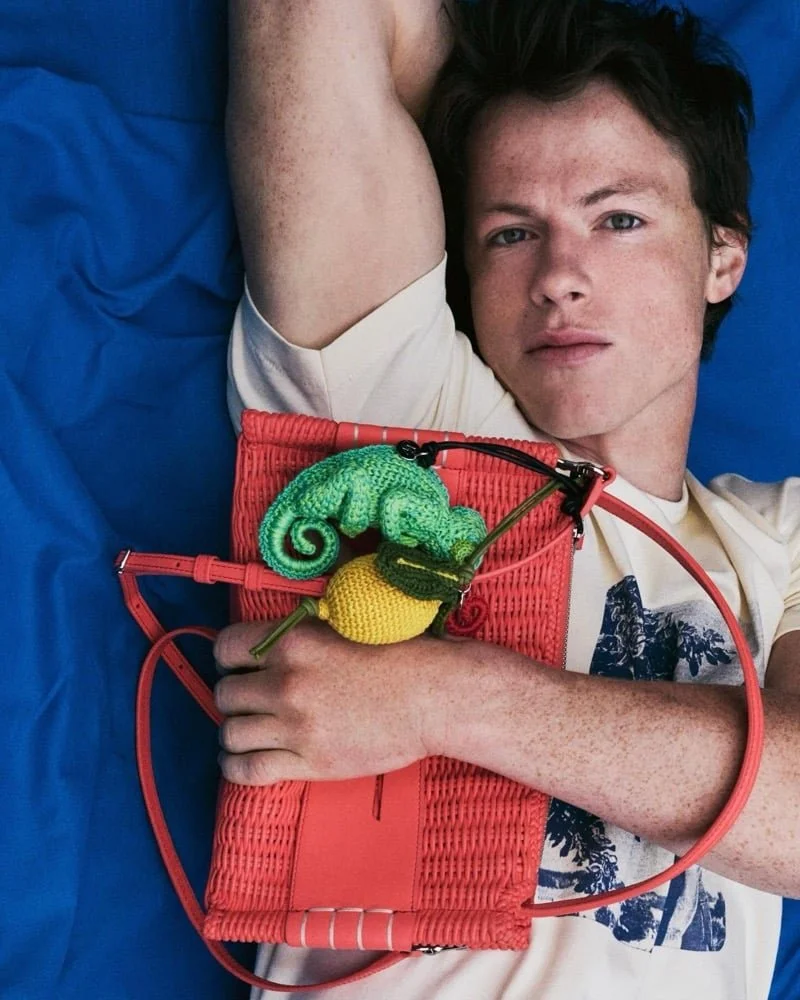
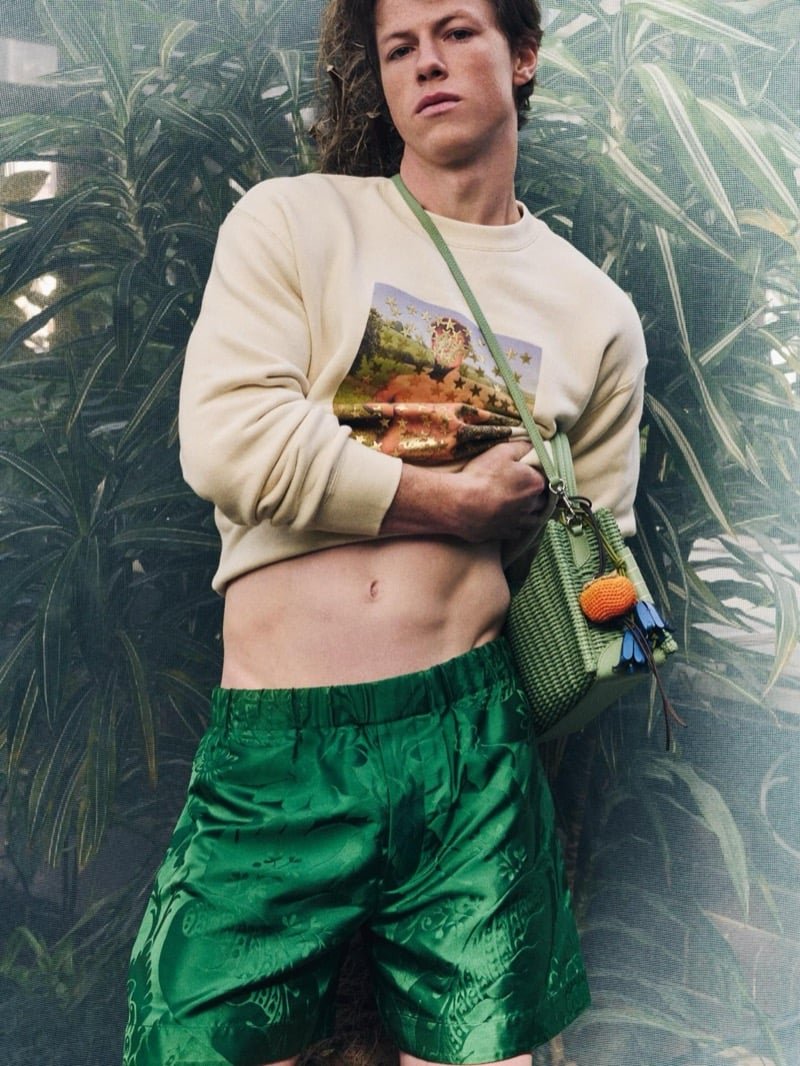
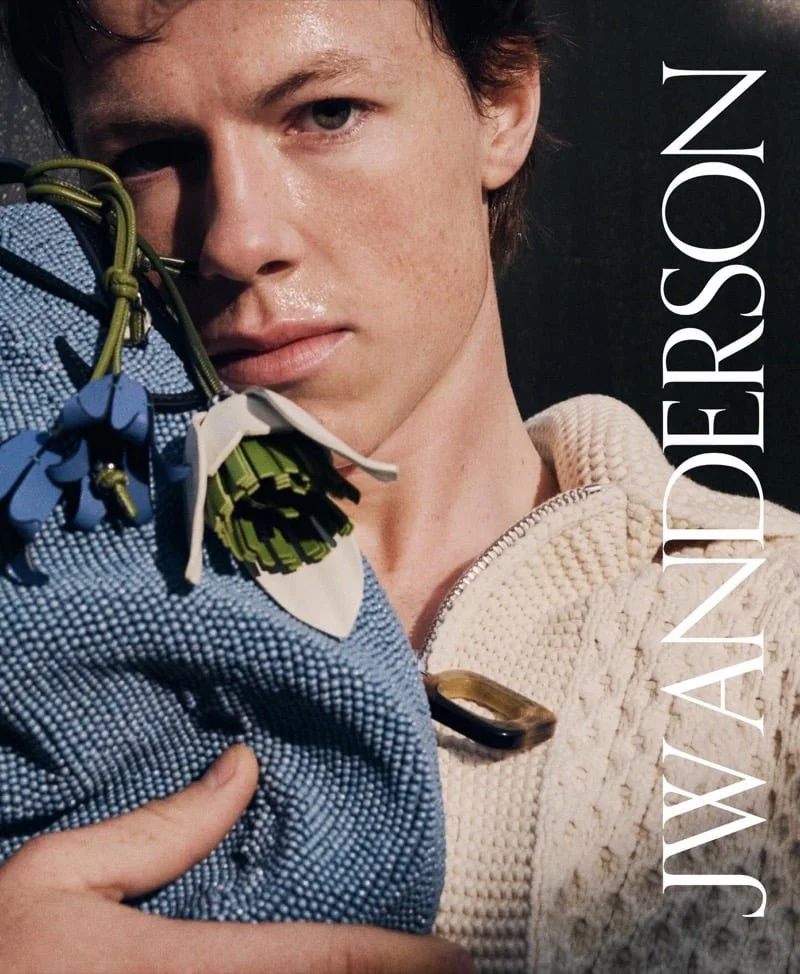
The long-running collaboration between Moncler and JW Anderson returns. This time, the partnership reinterprets technical outerwear through the lens of JW Anderson’s design.

The collection debuts with two new puffer jackets, one for men and one for women. The shape is inspired by an archival piece from their past work together.

Each jacket combines Moncler’s expertise with carefully considered design details. These include JW Anderson’s classic tab shoulder strap, a detachable hood, and an embroidered logo. In one version, the worlds of shirting and performance meet, resulting in a down-filled puffer finished in cotton gabardine.

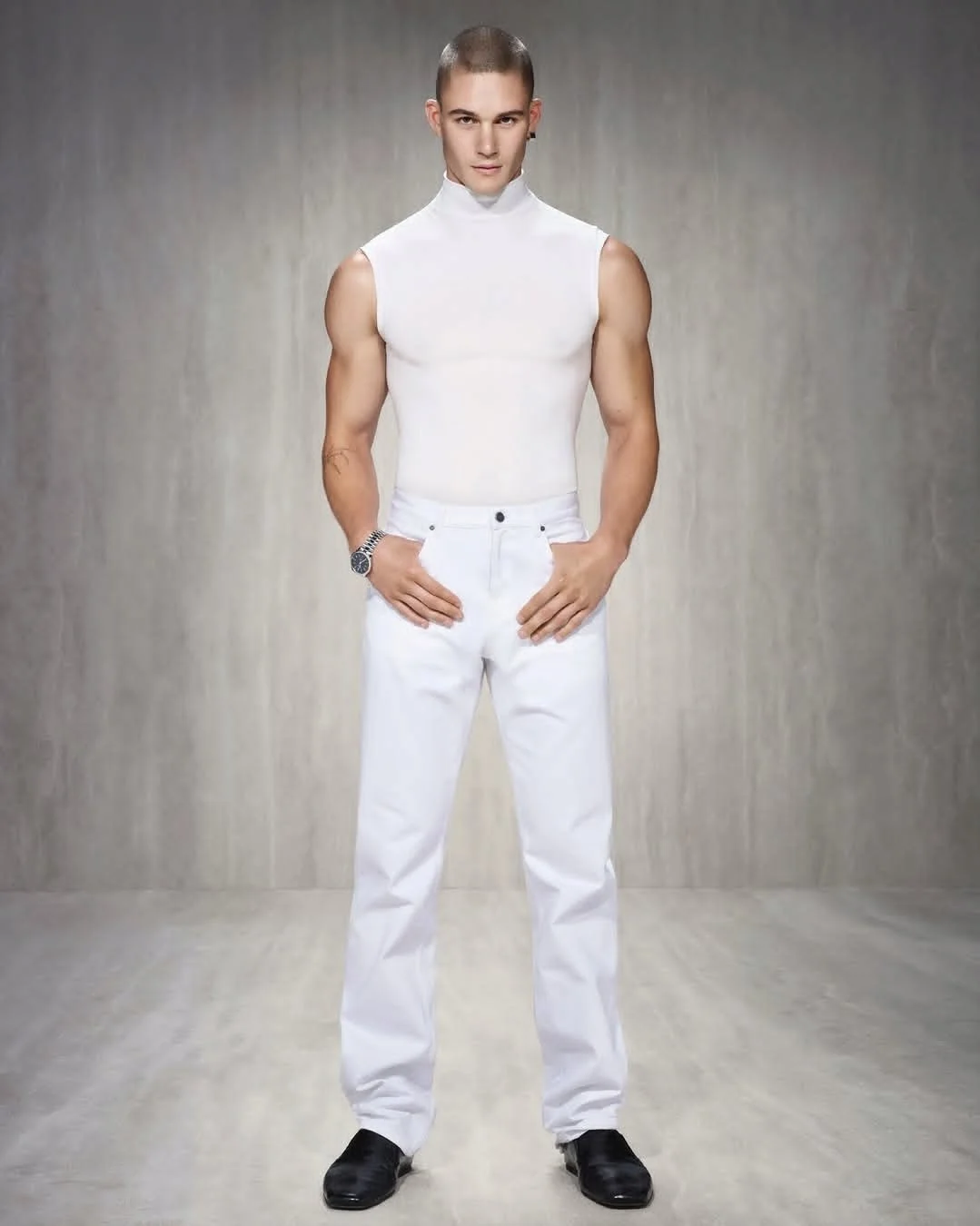
KVRT STVFF Introduces Denim: A Natural Evolution

Known for their body-conscious essentials, KVRT STVFF has long approached design with a single purpose: to serve the wearer. Their underwear and swimwear function as intuitive second skins — garments that move with the body, not against it. Their new venture into denim is not a departure, but a continuation of that ethos.

The jeans debut in three silhouettes — Loose, Loose Bootcut, and Straight — all grounded in vintage references, yet stripped of any overt nostalgia. These are timeless cuts, reimagined with restraint. The color palette is equally grounded: Ecru, Espresso, washed Black, and classic Indigo — essential tones that speak softly but confidently.

Details are minimal, deliberate. A unique inner closure, adapted from the brand’s underwear design, allows the jeans to be worn partially open — an intimate nod to personal fit and fluid styling. Raw hems and a tonal denim patch replace branding with subtlety. Nothing unnecessary remains.

The result is denim that doesn’t try to overshadow the body, but rather frames it. These jeans don’t shout; they support. In true KVRT STVFF fashion, the focus is on purity of form — simple lines, neutral tones, and an aesthetic that lets the body lead.

Ludovic de Saint Sernin FW25 Campaign: Power Play

For Fall/Winter 2025, Ludovic de Saint Sernin brings his signature sensuality to the boardroom. Starring Amelia Gray alongside Alejo Humanes and Lewis Gillooley, the campaign plays with themes of power, control, and desire—merging officewear with after-hours provocation.

Shot by Stuart Winecoff and styled by Carlos Nazario, the imagery channels Helmut Newton’s cool eroticism: crisp shirting peels back to reveal latex and leather, while sharp tailoring contrasts with intimate moments—a kiss between boys, a mistress in command.

It’s a wardrobe built for 9-to-5-to-9, where fantasy meets functionality. Saint Sernin’s message is clear: power isn’t just what you wear—it’s what you dare to reveal.

PASTORALE

A REY Exclusive Editorial

Photographed & Styled by Alexander Yantyushev

starring Georgy Amoev @ Lumpen

David Beckham’s Eyewear AW25 Campaign Finds Quiet Luxury in Marrakech

For the Fall-Winter 2025 season, Eyewear by David Beckham lands not in the spotlight, but in the shadows—specifically, the shaded courtyards of a riad in Marrakech. Here, amidst filtered light, patterned wood, and cool clay walls, Beckham trades the pitch for a quieter role: that of a global connoisseur at ease in his private retreat.

The setting reflects the eyewear itself—produced by Safilo and envisioned by Beckham—with an emphasis on atmosphere, detail, and timeless design. The new collection introduces two distinct families: Timeless Icons and Origami. The former draws on the kind of enduring shapes—crafted in acetate and metal—that once defined a face for decades. The latter, a feat of design and engineering, features foldable sunglasses that collapse smoothly into the palm, sleek as a snapped lighter.

New this season, The Curator frame arrives with oval lenses and minimalist temples—precise, editorial, and refined. It’s eyewear for the man who wants to be seen thinking as much as looking. Decorative only through discipline, the collection speaks to Beckham’s own evolution: global, exacting, and quietly iconic.

FRATERNAL

REY presents the second JDO academy collaboration project with photographer Armando Branco.

Make Up by JDO Muah Students supervised by Juliette den Ouden.

Assisted by Justine Dobbe.

starring models from FIC Model Mgmt.

Robert by Justine

Stijn & Espen by Karen

Camiel & Javier by Kianna

Sanjay & Job by Letty

Koen & Dayron by Merkeb

Pedro & Lukk by Oussima

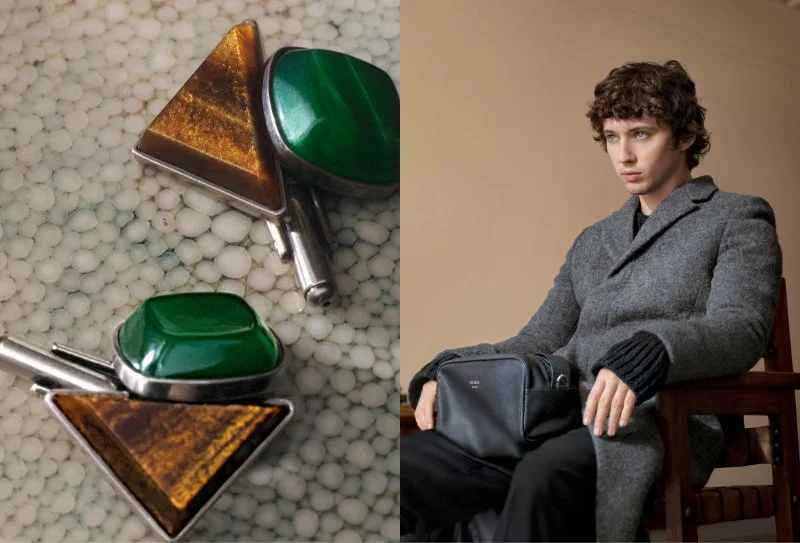
Tom Holland for Prada Paradigme Fragance Campaign

Tom Holland Fronts Prada Paradigme: A New Expression of Modern Masculinity

In Prada's latest fragrance campaign, Paradigme, actor Tom Holland embodies a quiet confidence that mirrors the scent itself — refined, grounded, and refreshingly understated. Paradigme reflects a modern shift in masculinity, where presence is valued over projection and grooming becomes an act of self-care rather than performance.

The fragrance opens with a bright note of Calabrian bergamot, while a heart of bourbon geranium introduces a crisp, herbaceous green that disrupts conventional woody structures. Anchored by an ambery woody base, Paradigme achieves a sophisticated duality — where verdant freshness tempers warmth and tradition meets subtle rebellion.

This duality is echoed in the bottle design. Prada’s iconic inverted triangle is reimagined in a gradient lacquer that fades from black to green, visually articulating the tension between structure and fluidity.

With Holland as its face, Prada Paradigme positions itself as fragrance-as-accessory — an invisible signature for those who seek depth without dominance. It’s a statement of modern elegance: noteworthy, never overbearing.

Borrego Playas

A REY Exclusive Fashion Editorial photographed in Playa El Borrego beach in San Blas, Nayarit, Mexico.

Photographed & Styled by Alan Román

starring Armando Borrego

featuring Samantha Sant & The Fockkk Wear

Swimwear Rewritten with BIBENCIA

BIBENCIA returns this summer with handmade swimwear that speaks to the soul. Born in Valencia, the brand fuses emotion, identity, and storytelling—each piece a quiet rebellion against fast fashion.

Rooted in forgotten pasts and reimagined for today, the collection flows with intention. Bold, honest, and unapologetically personal, these designs move with you—celebrating every curve, every story.

This isn’t just swimwear. It’s self-expression woven in thread.


Creative Direction: Roberto Montes @robertomontessanz × Jordi Terry @jorditerry

Photographer: Jordi Terry @jorditerry × Merceditas Agency @merceditas.mgmt

Styling: Roberto Montes @robertomontessanz

Grooming: Nacho Sanz @nachosanzmakeup

Casting Director: Néstor Redó @nestorredo

Models:

Evander Johnson @evanderjohnson

Facundo Mascareña @thefacka

Ferran Belloch @ferranbe08

Lucas García @ubaldico

Nacho Ruiz @nacho11ruiz