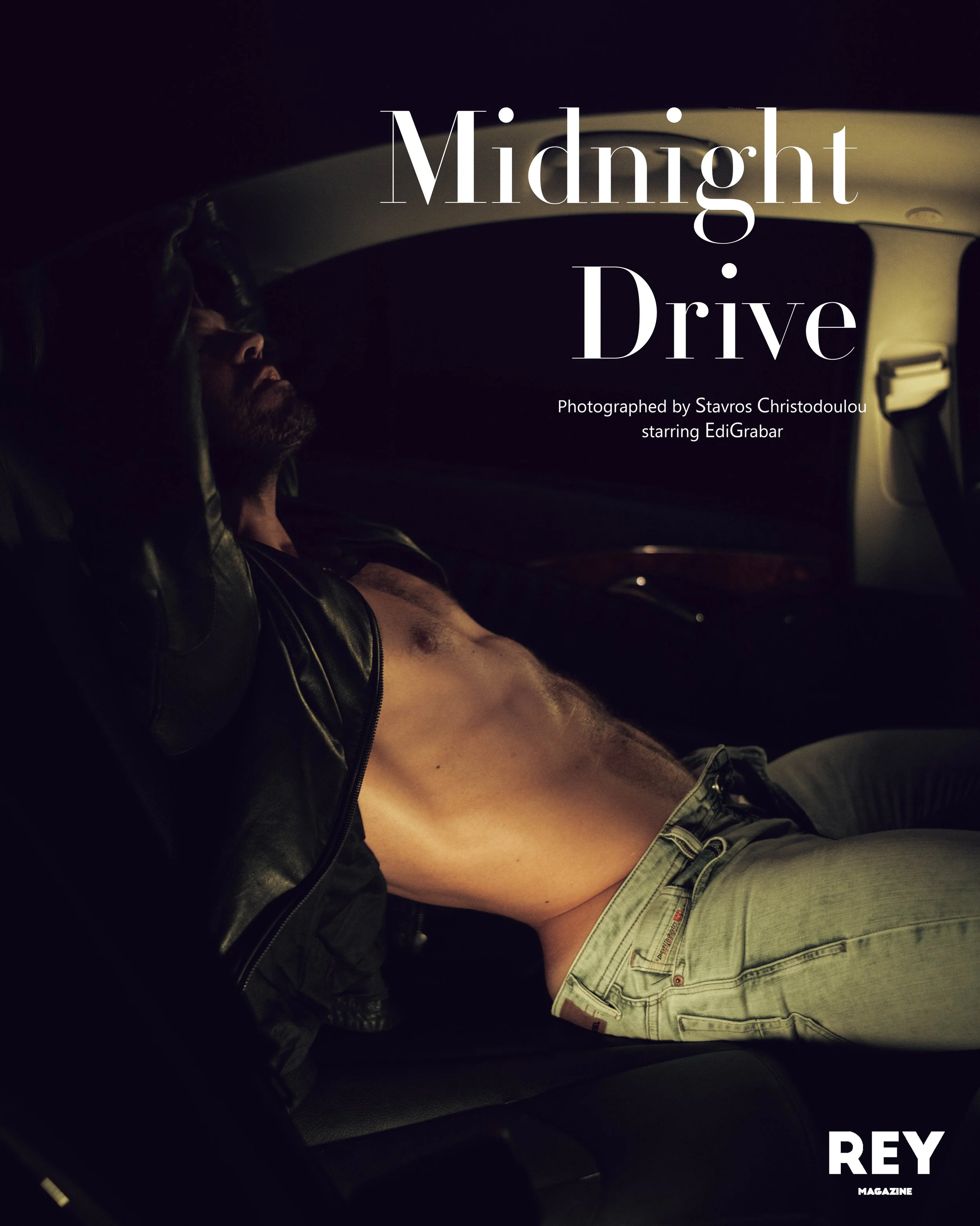
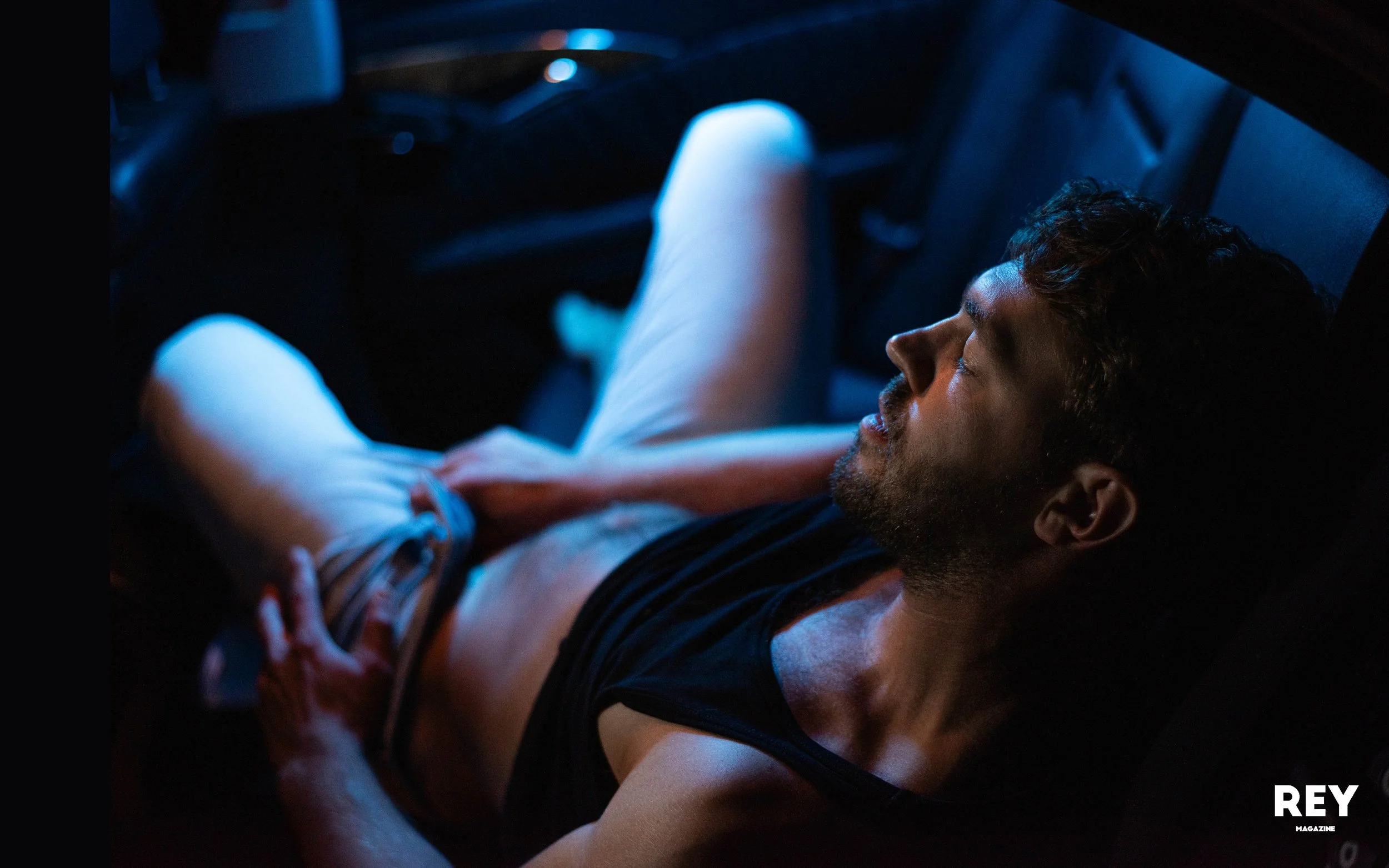
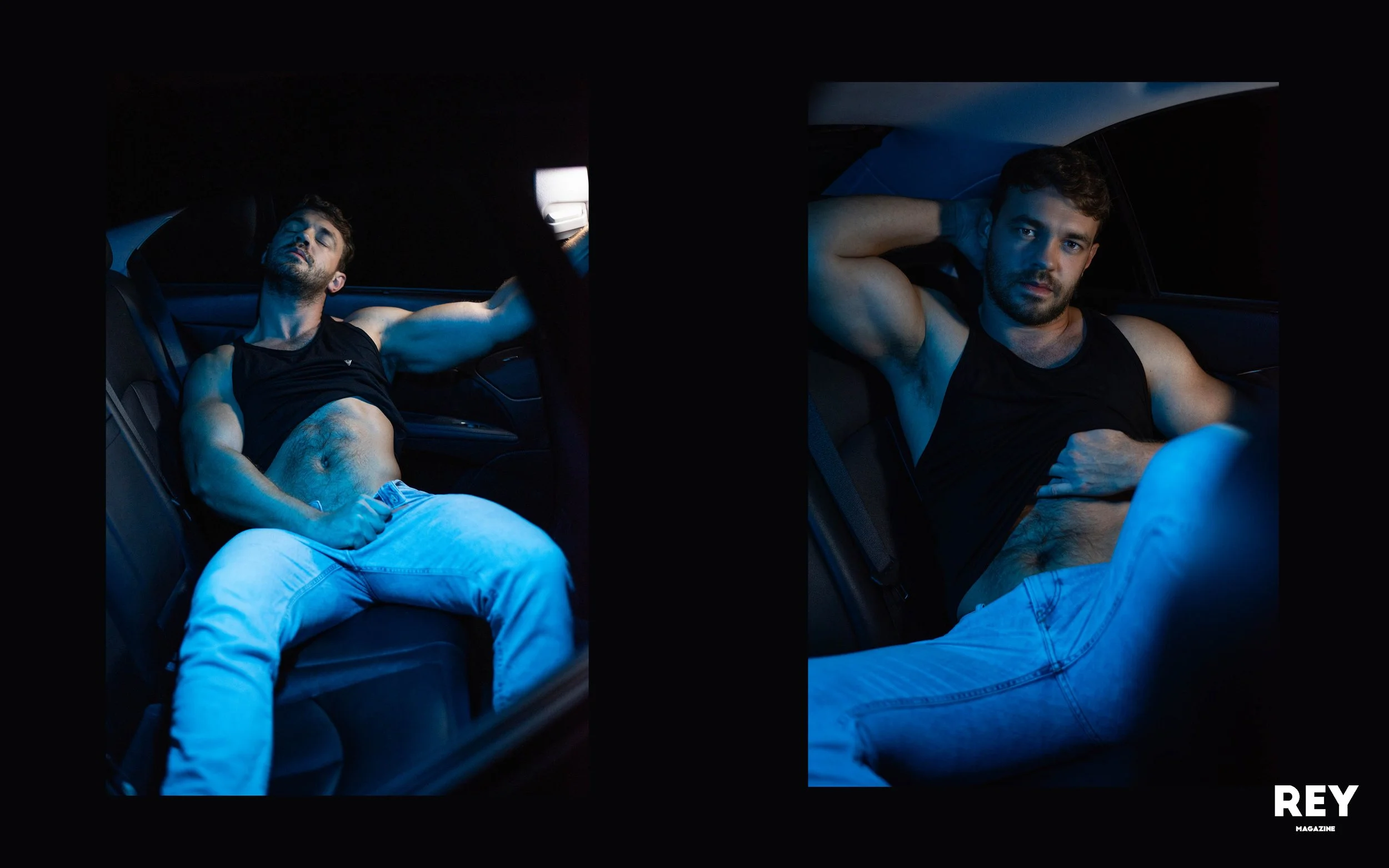
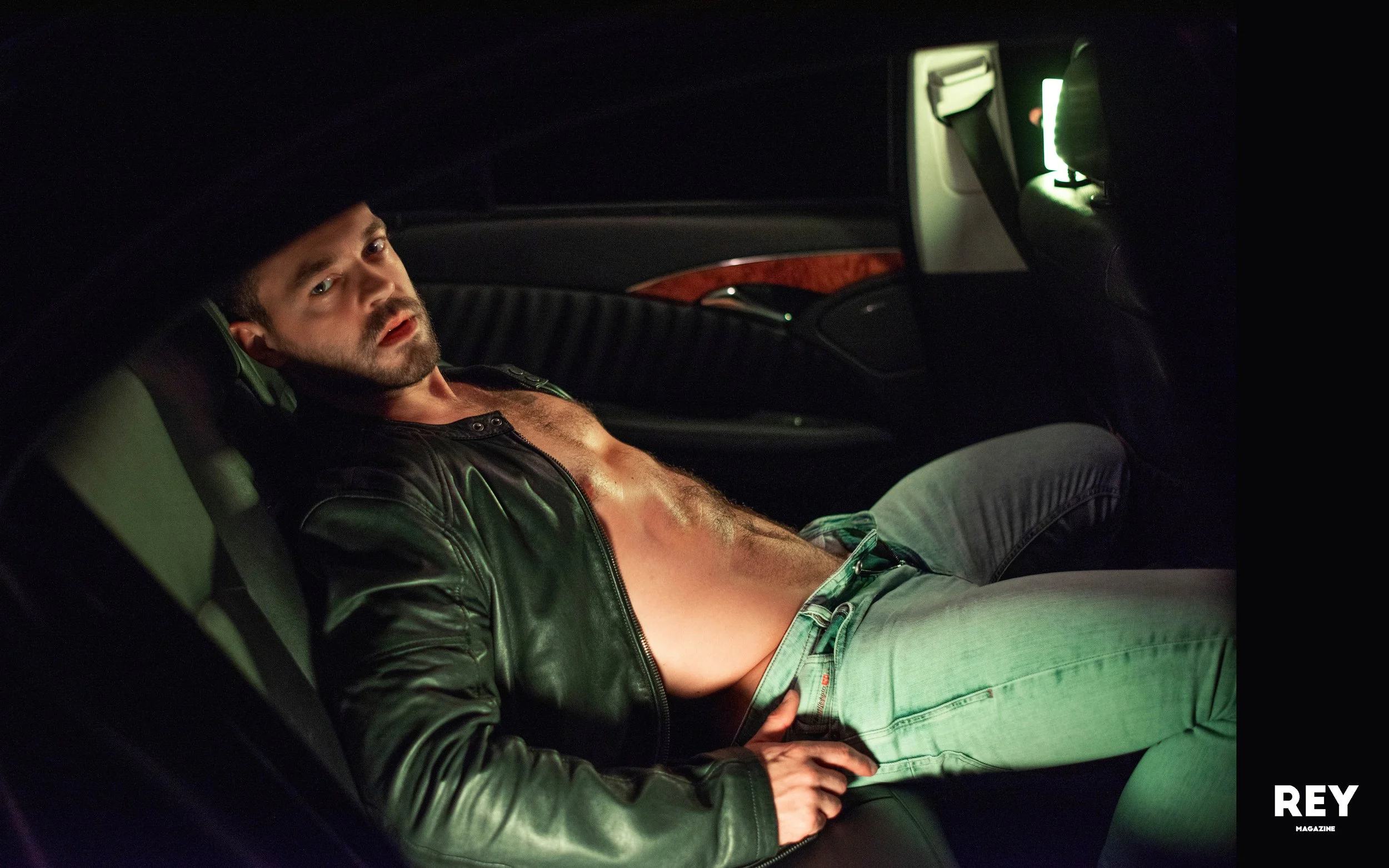
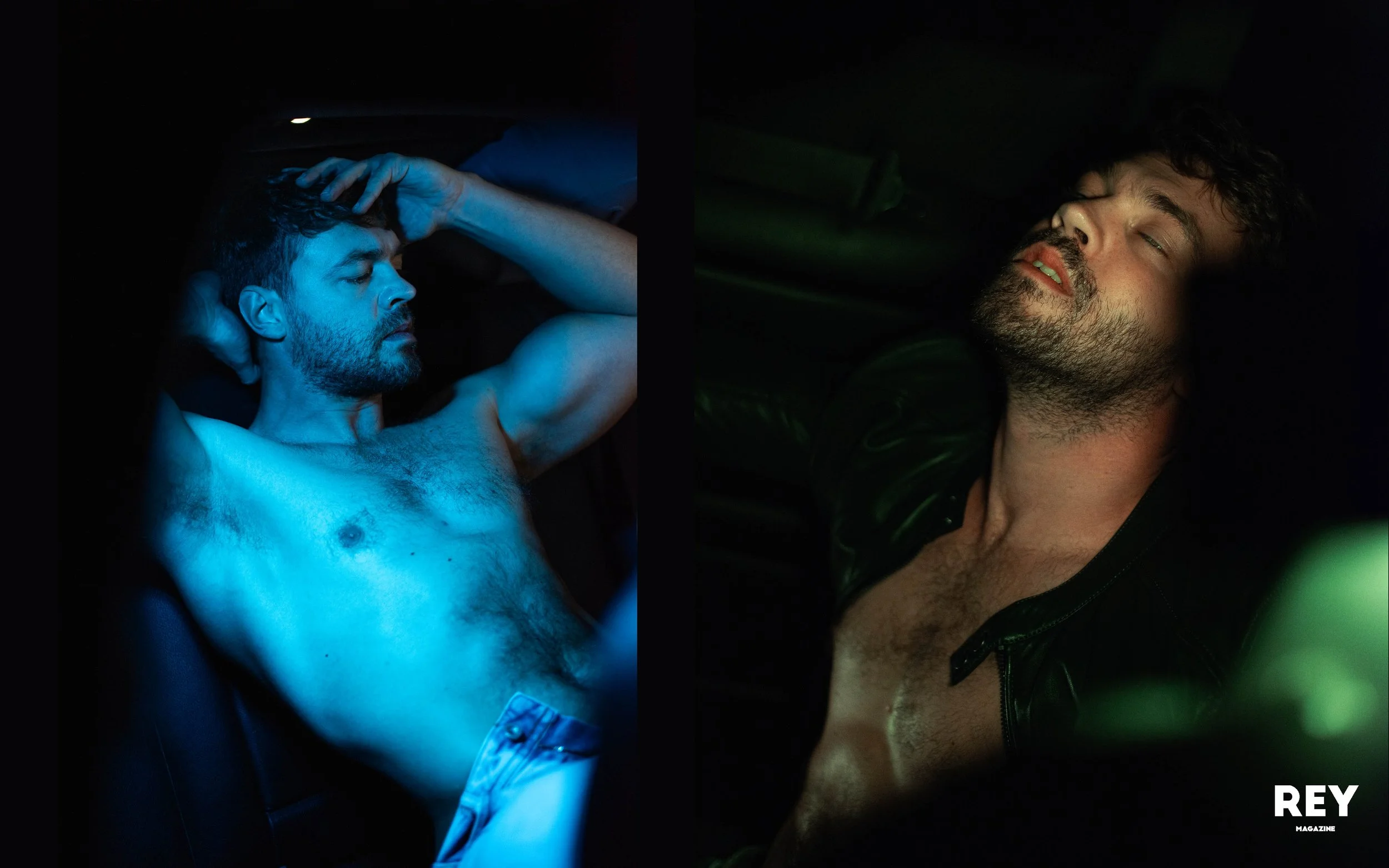
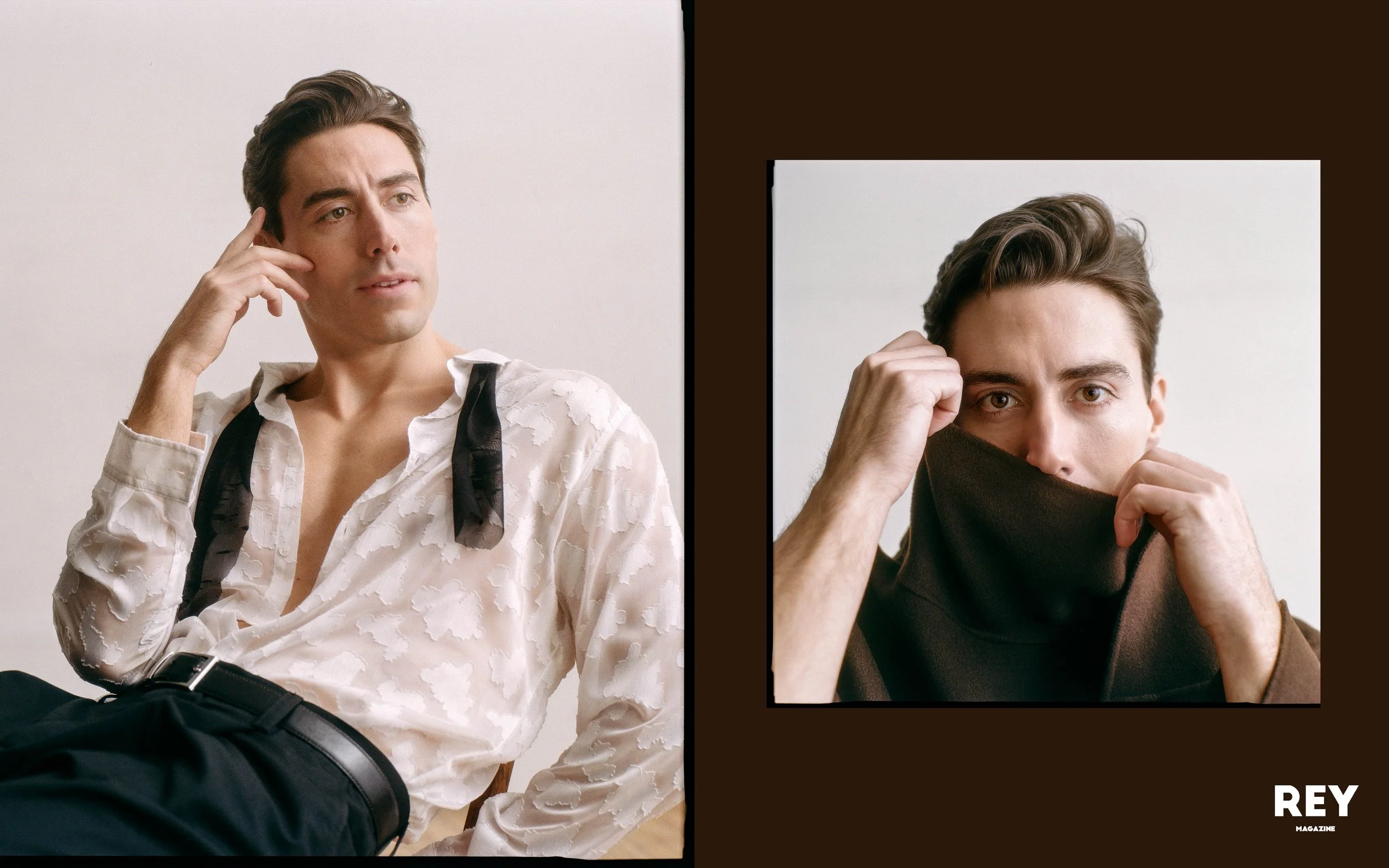
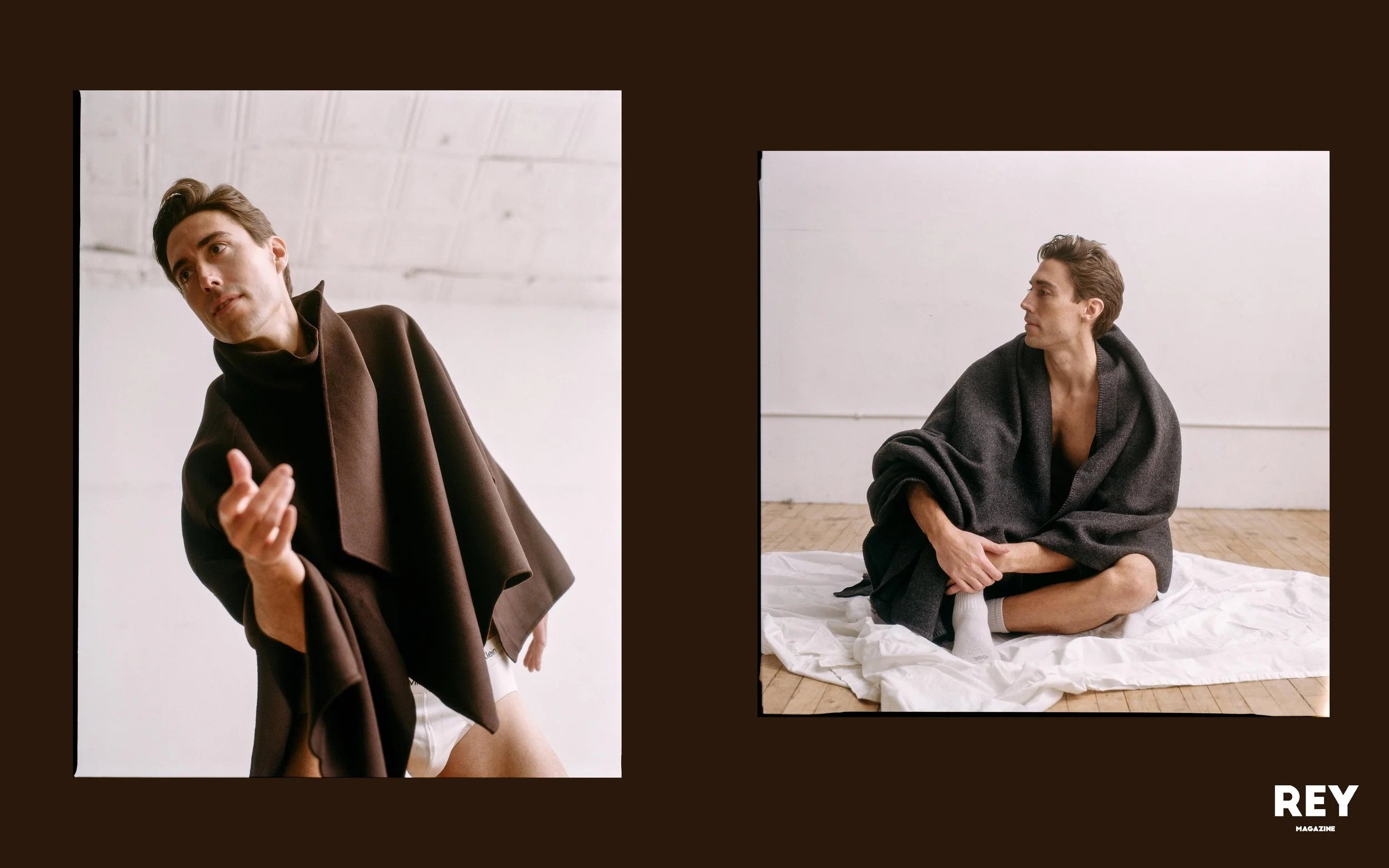
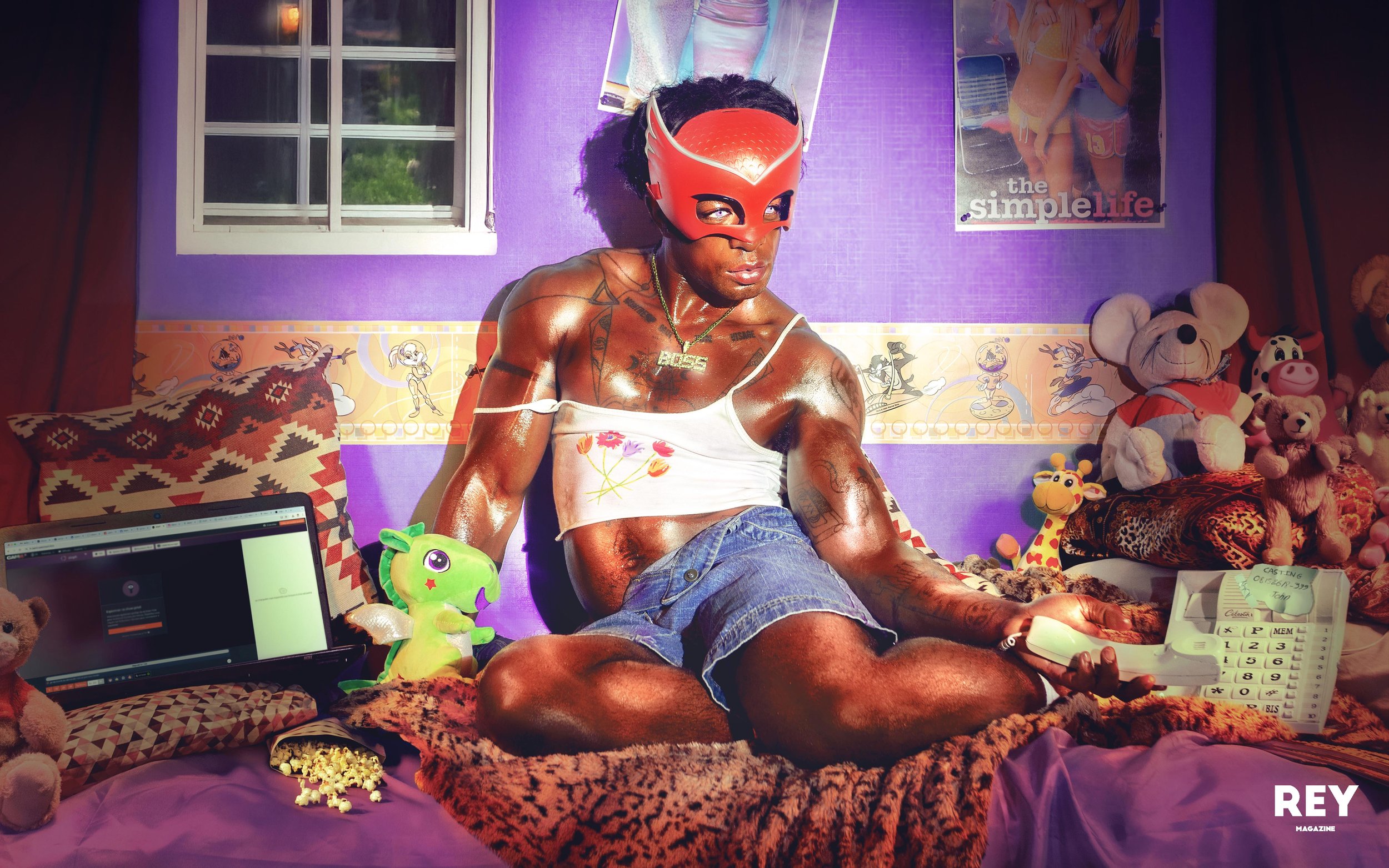
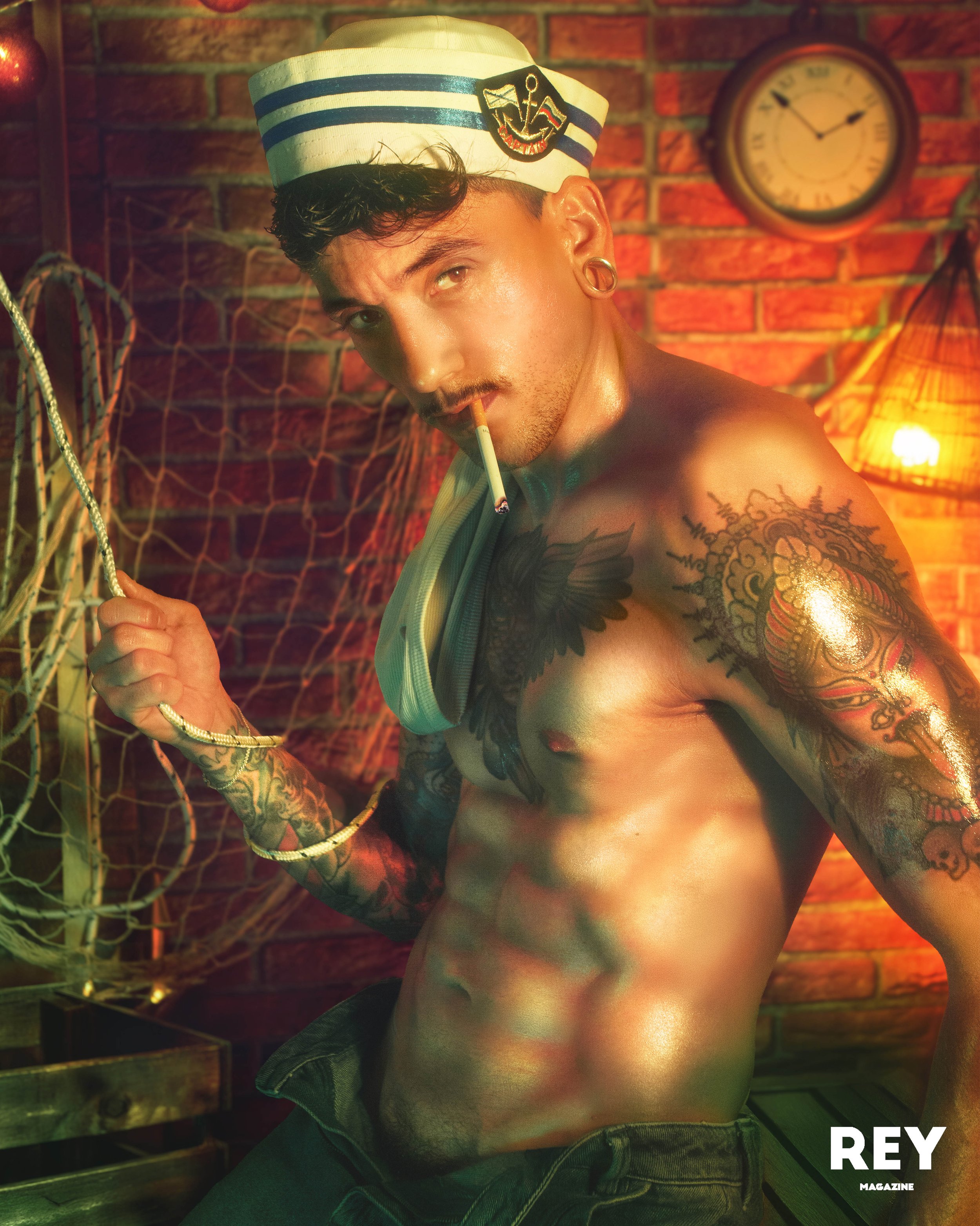
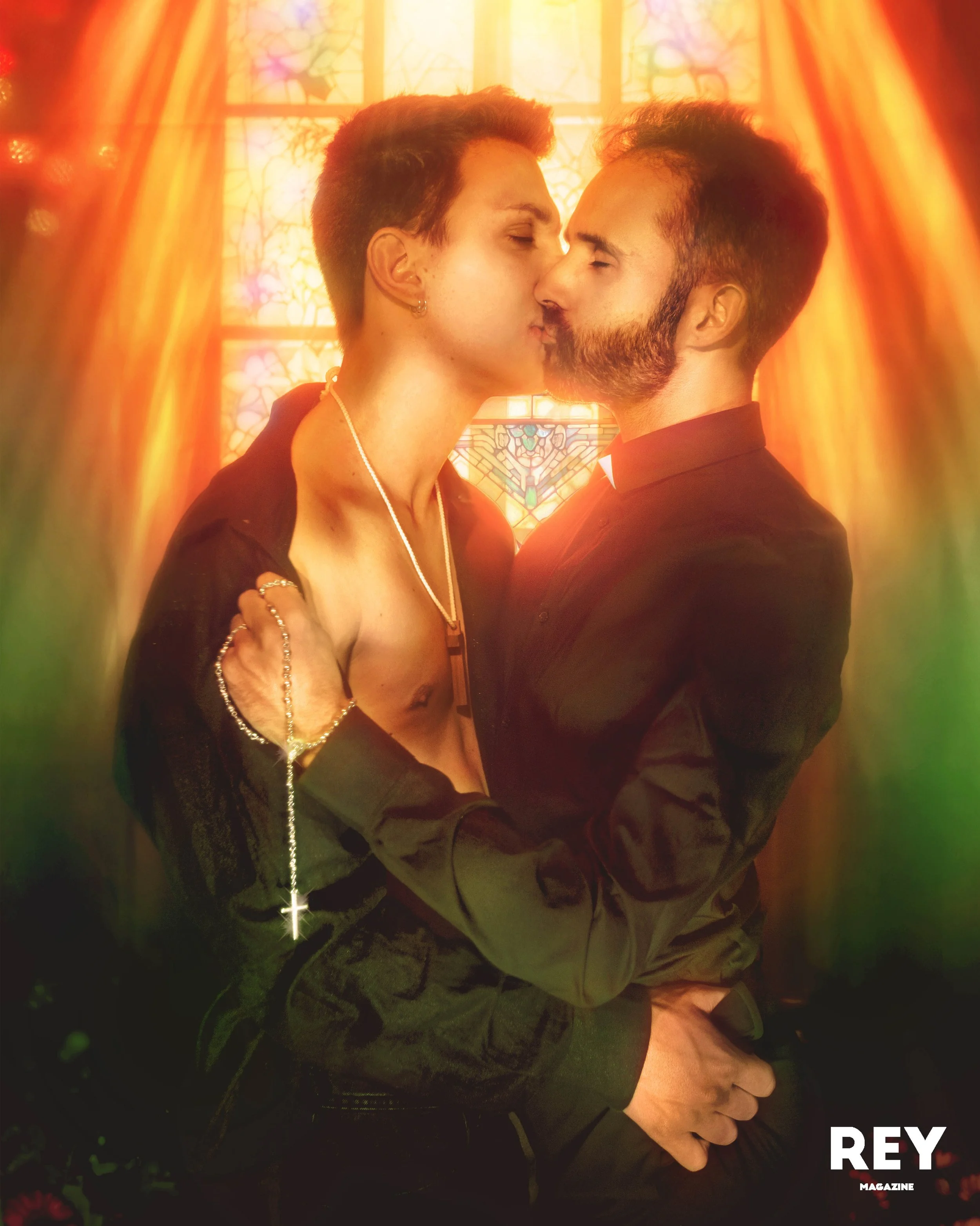
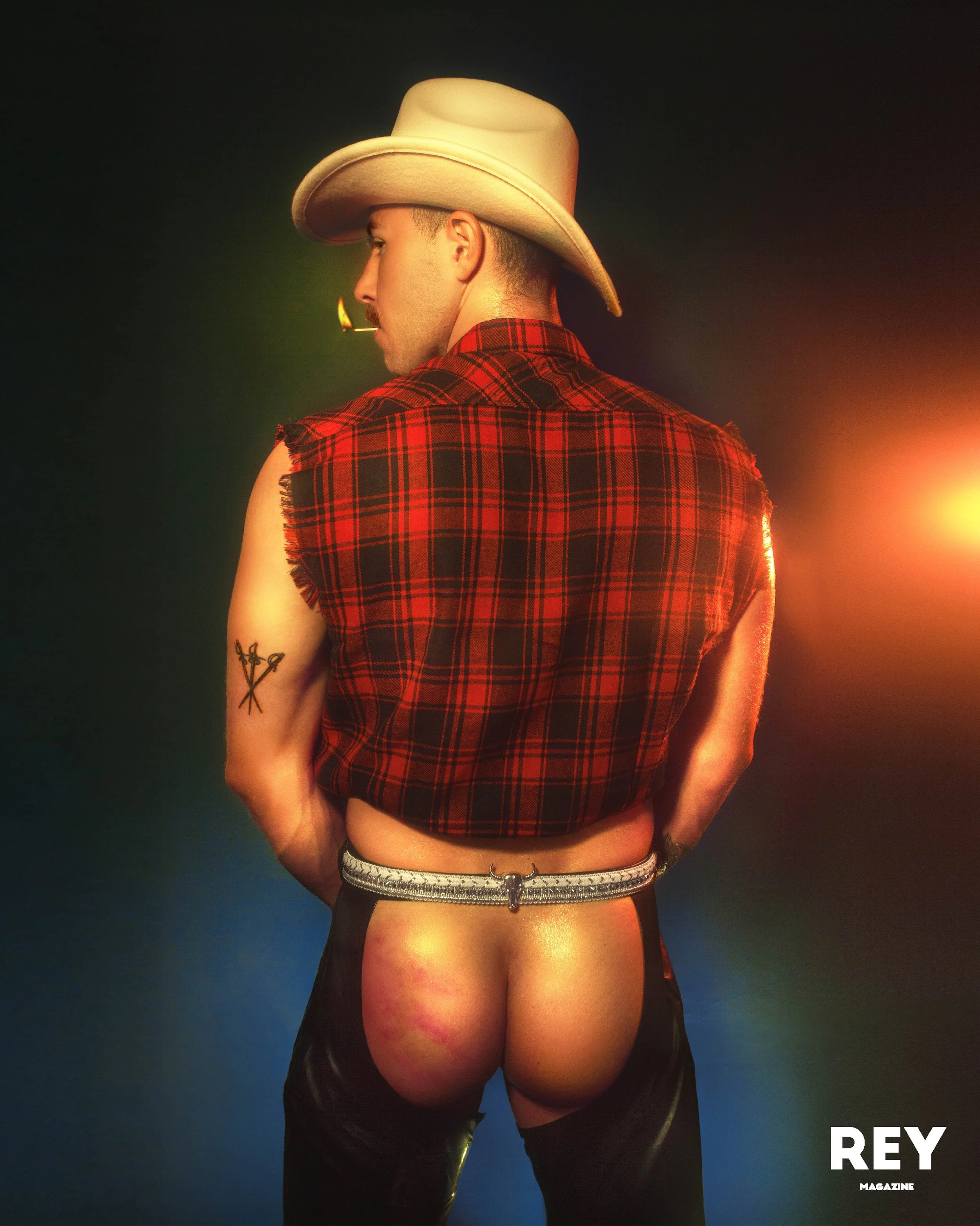
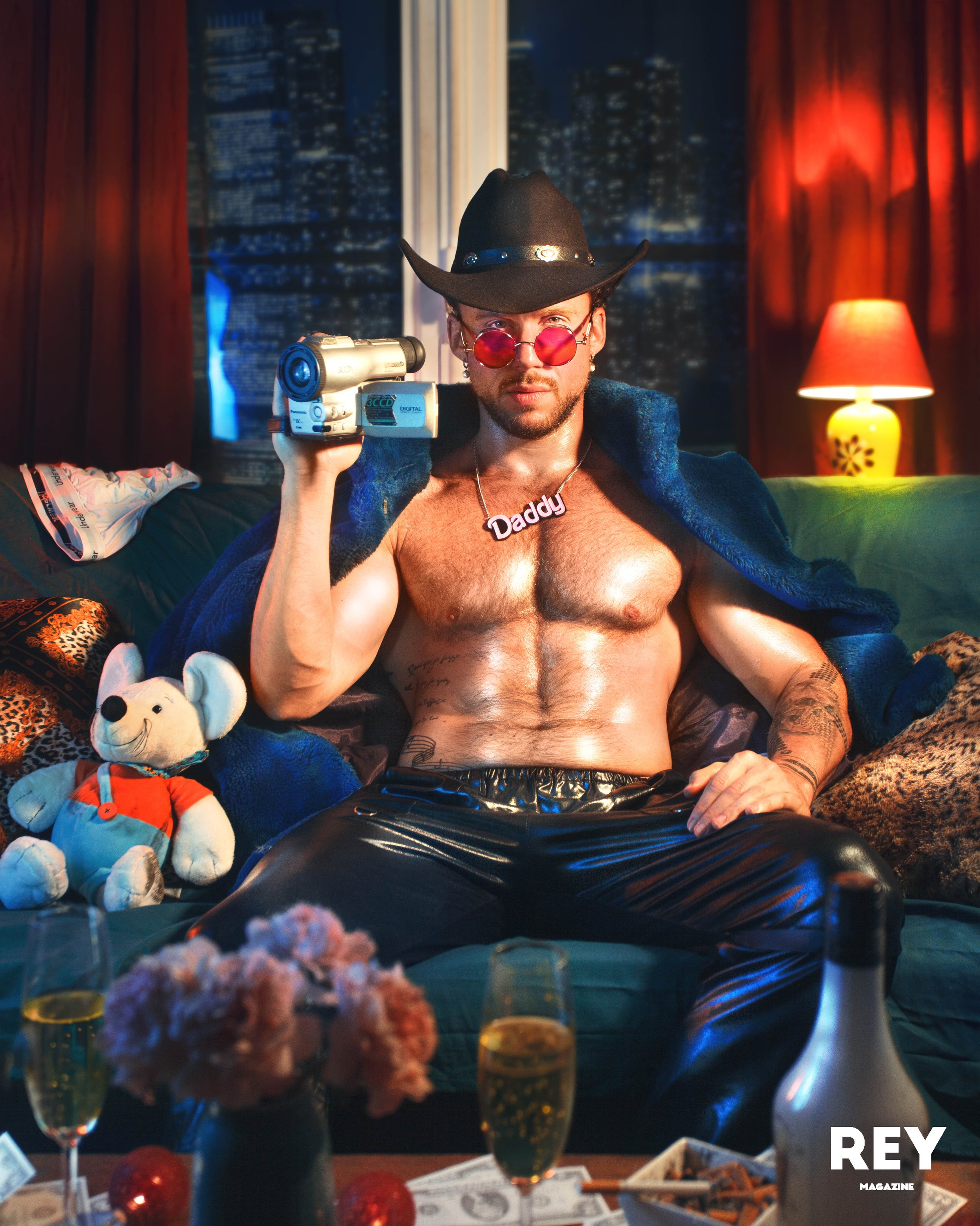
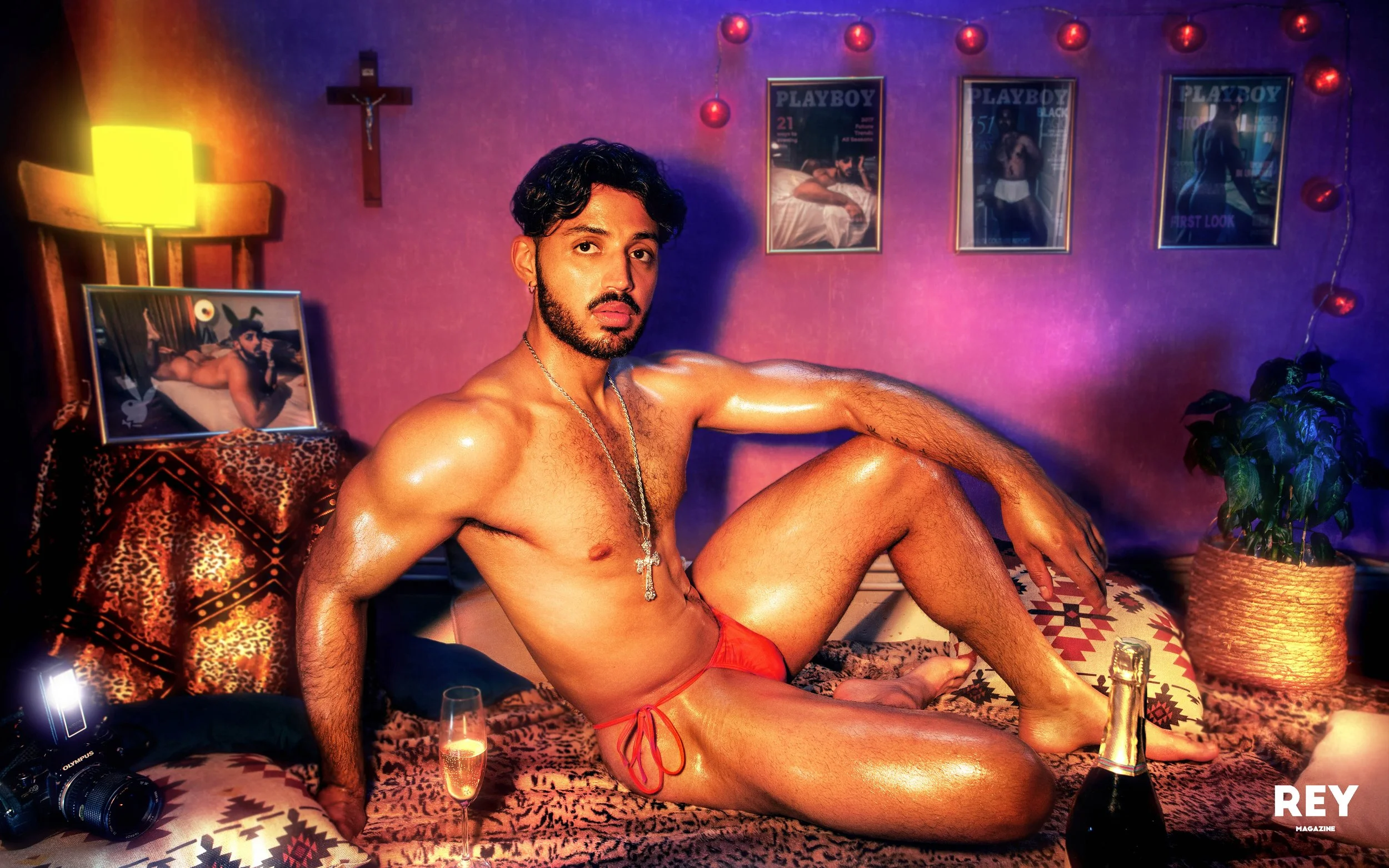
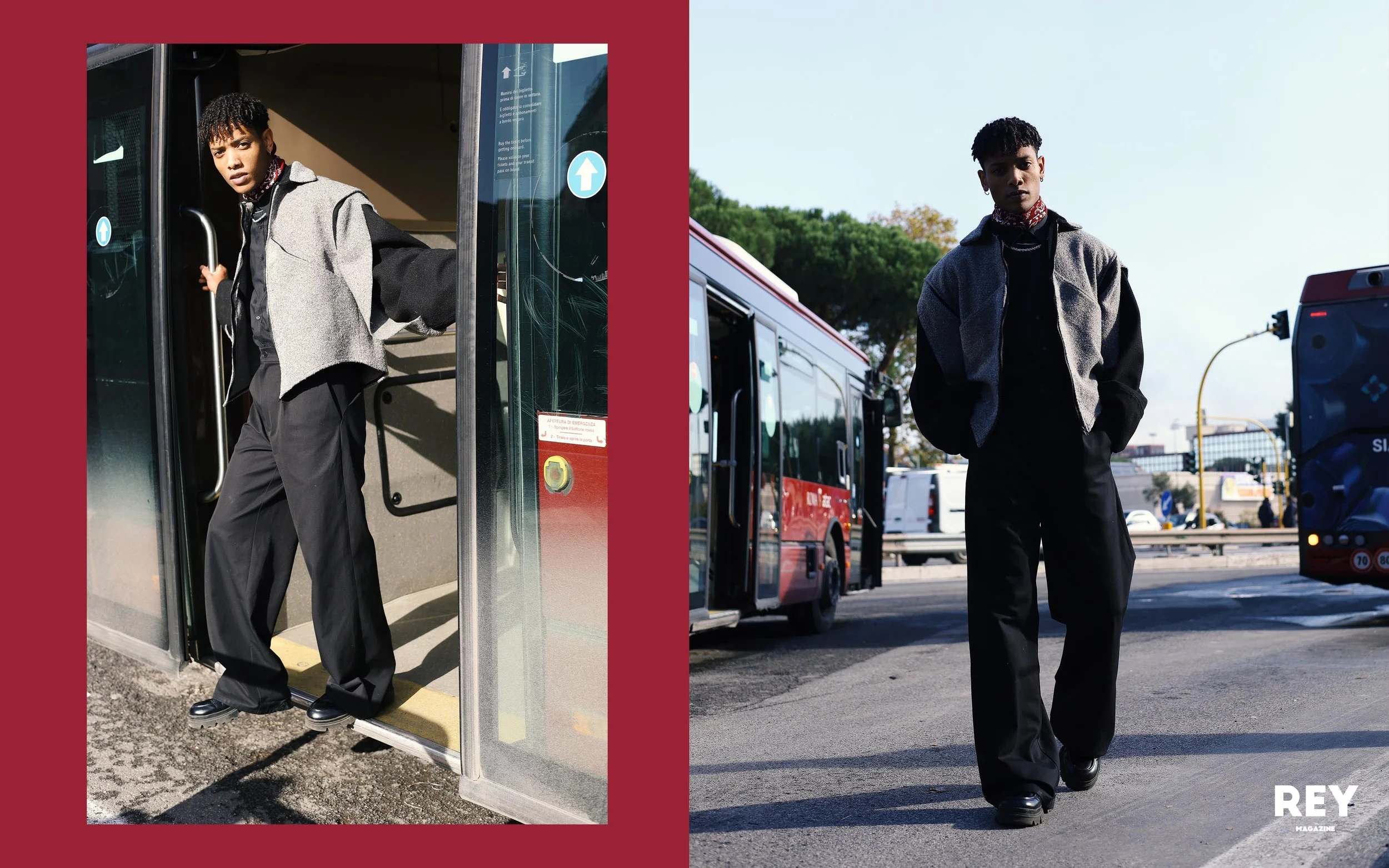
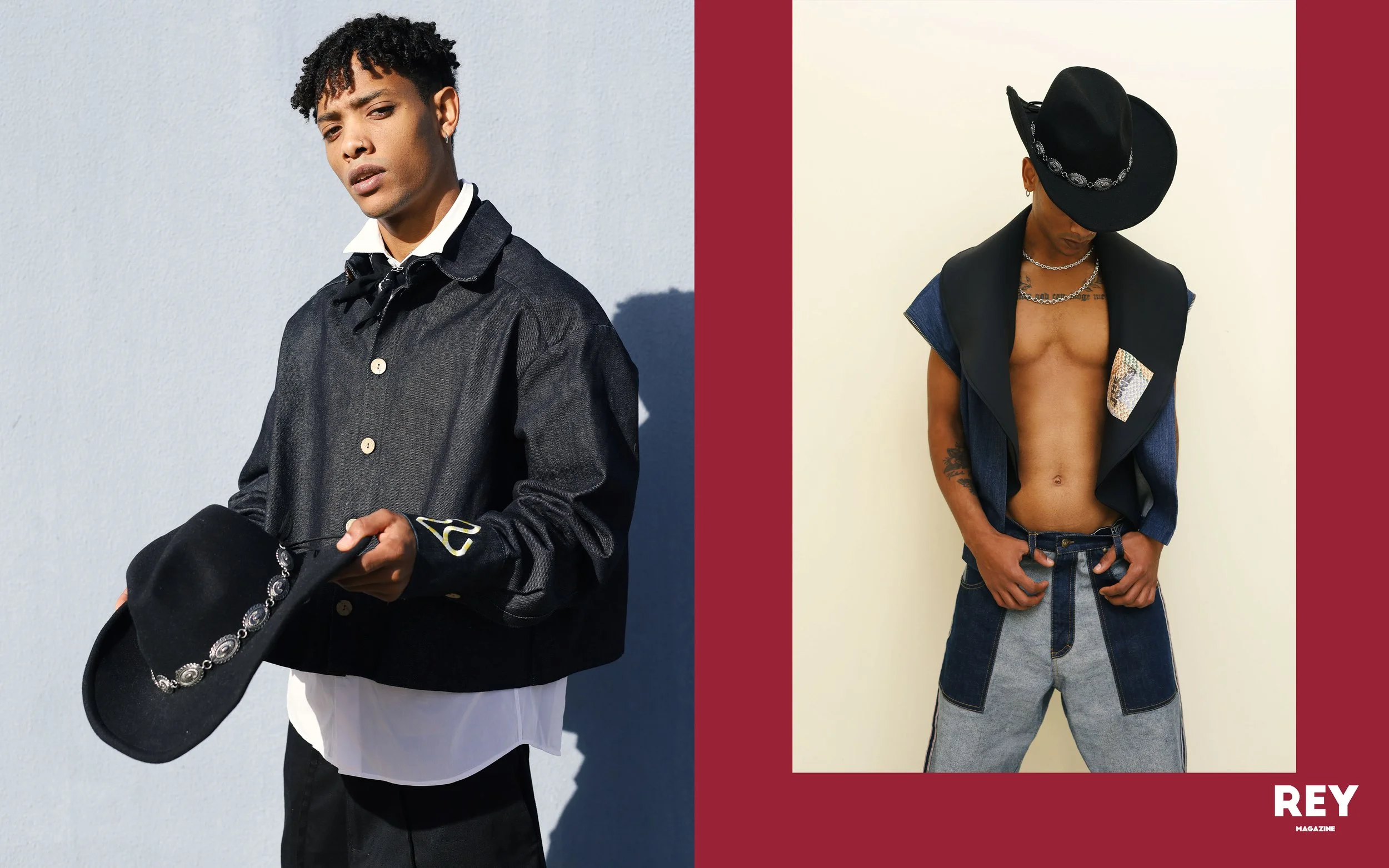
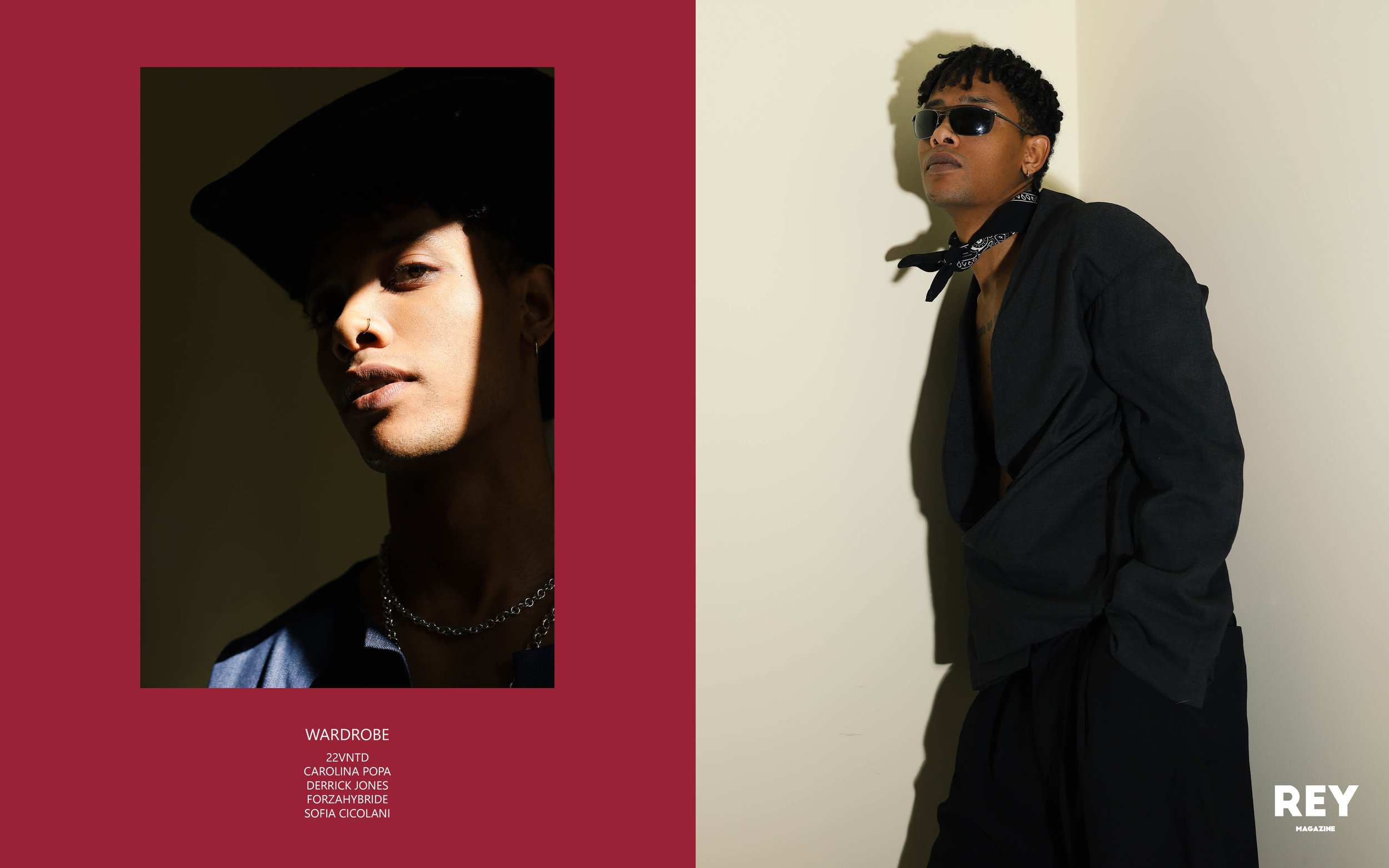
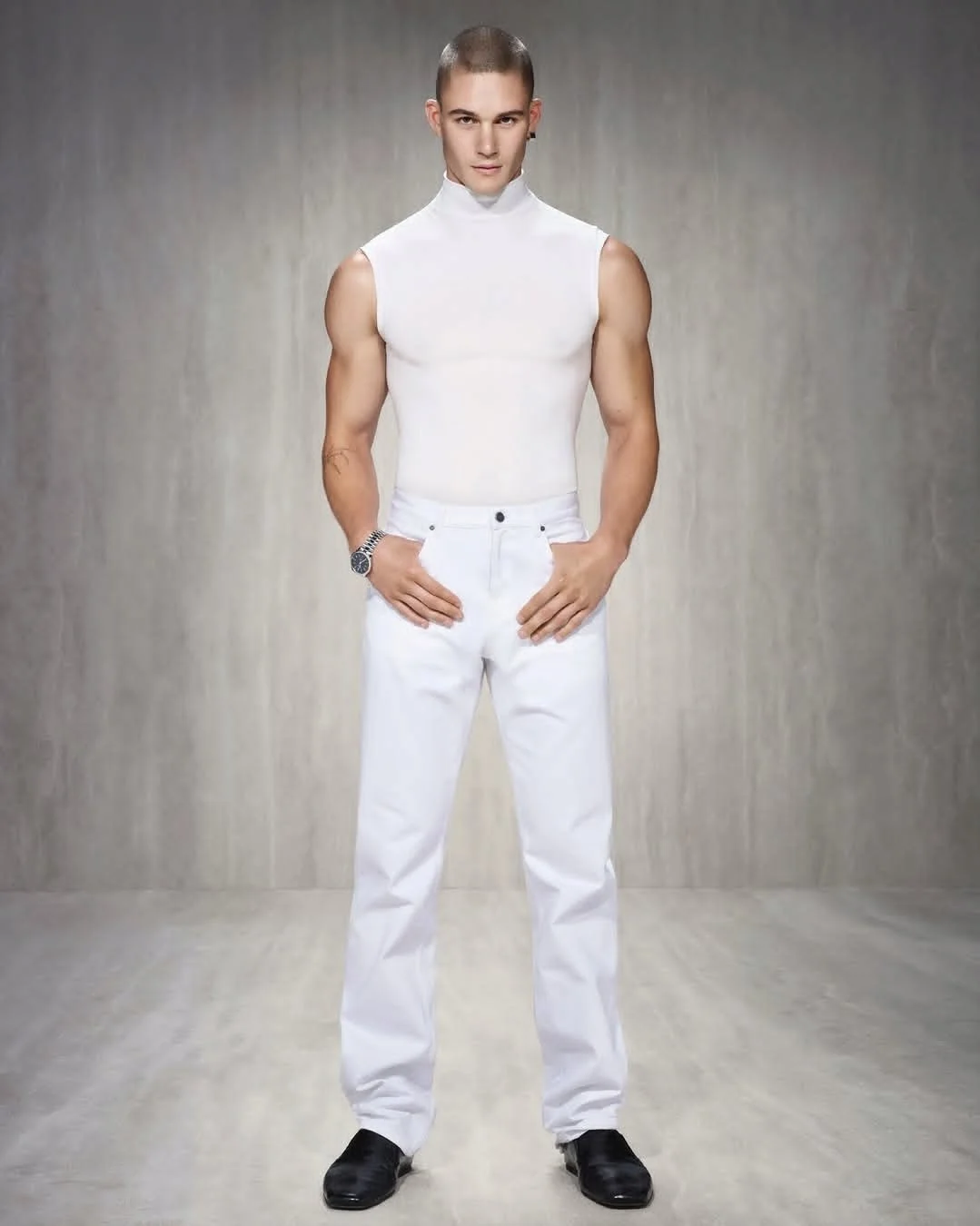
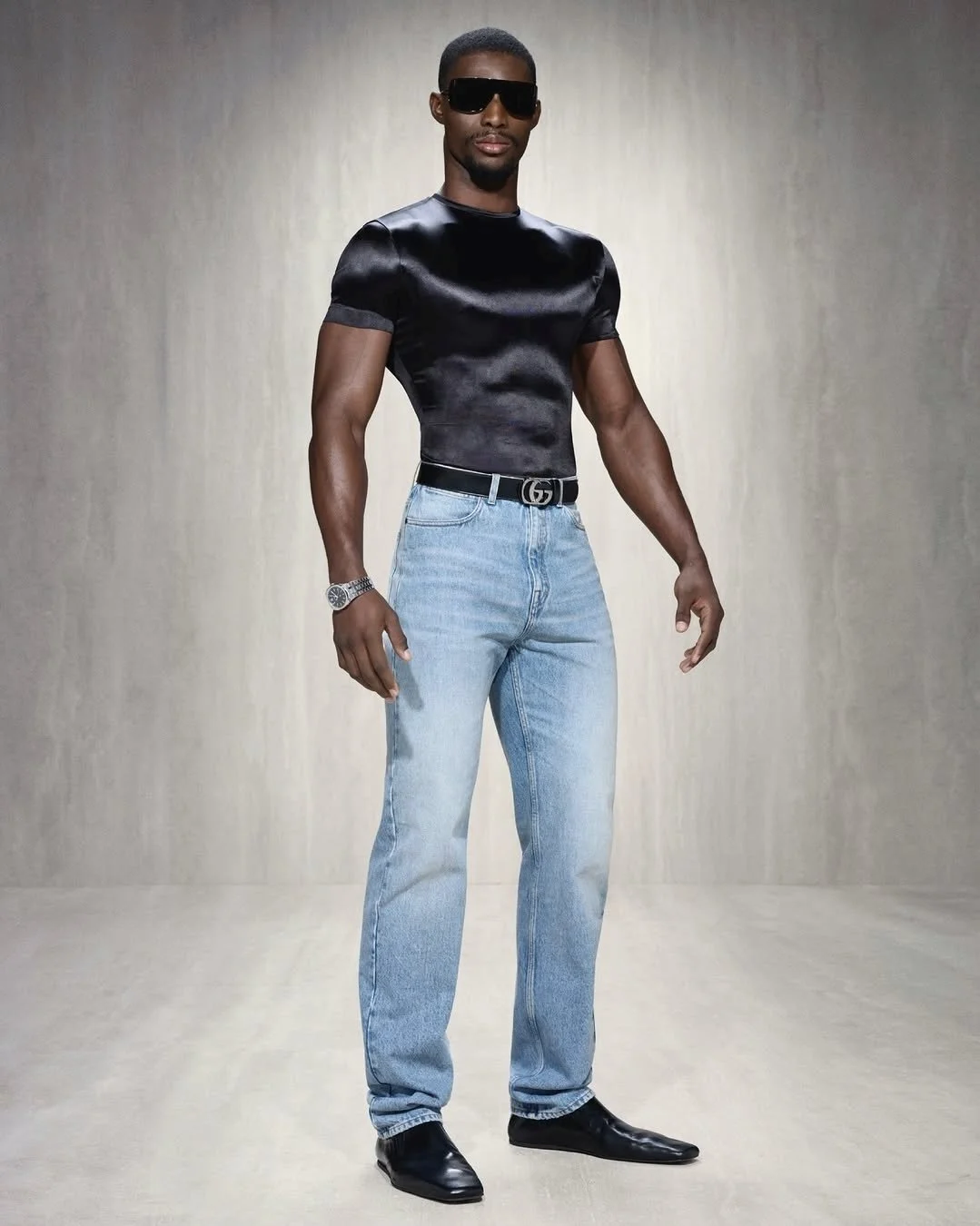
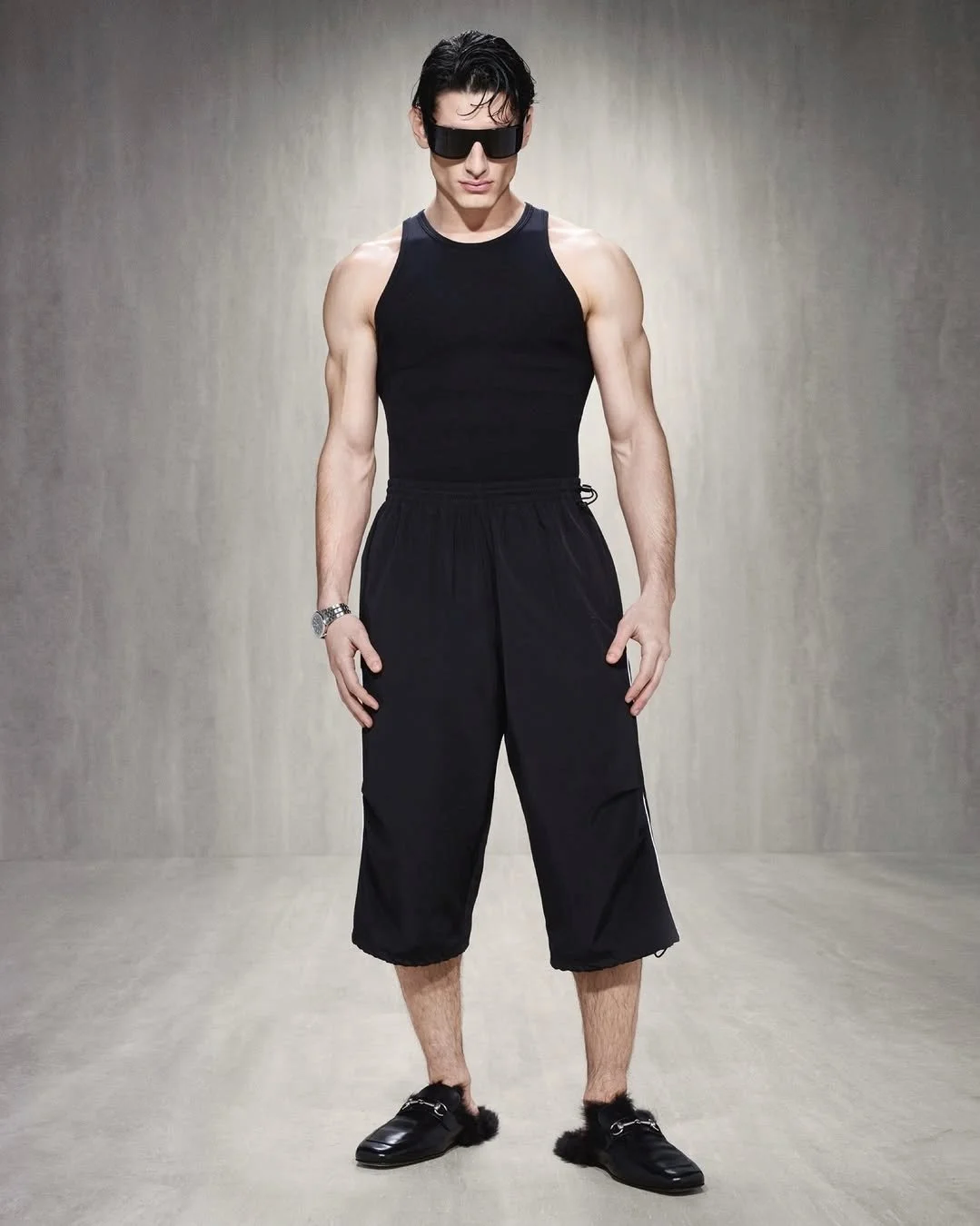
Midnight Drive
A REY Exclusive Editorial, photographed in Nicosia, Cyprus.
Photographed by Stavros Christodoulou
starring EdiGrabar

A REY Exclusive Editorial, photographed in Nicosia, Cyprus.
Photographed by Stavros Christodoulou
starring EdiGrabar
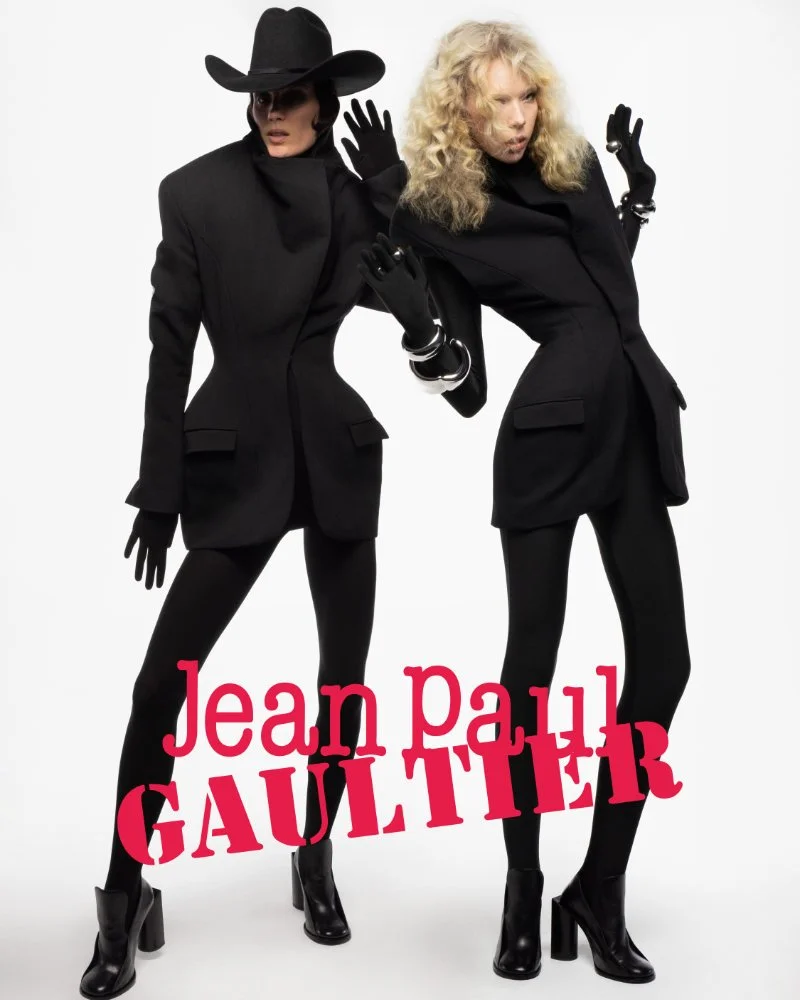
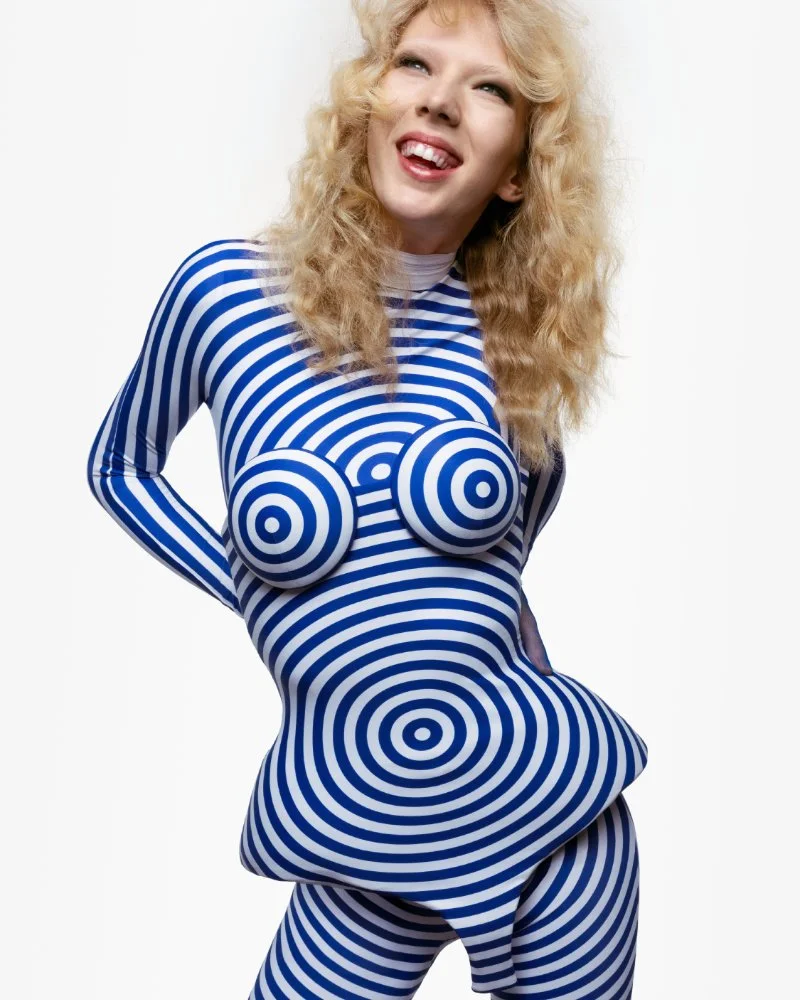
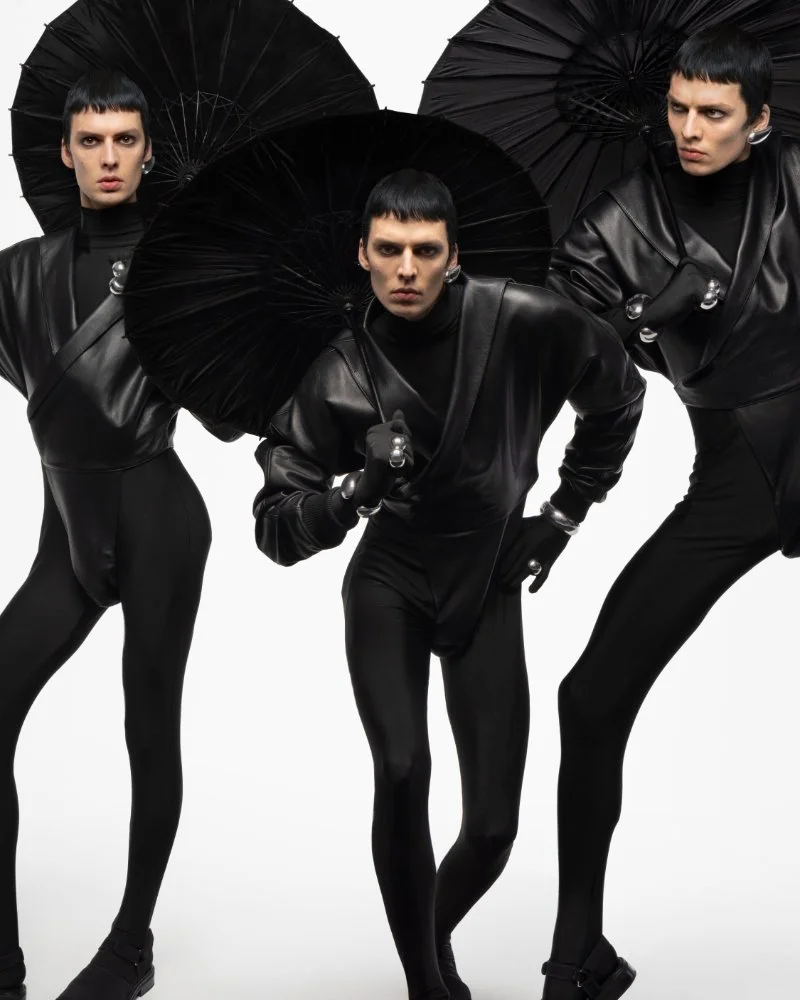
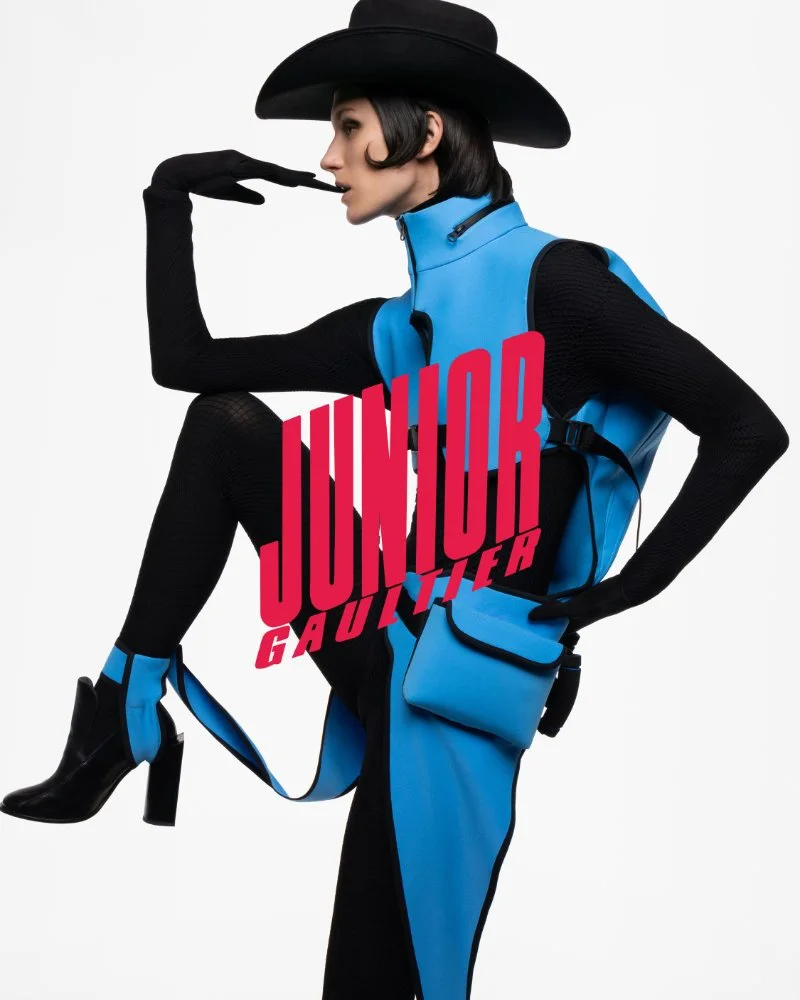
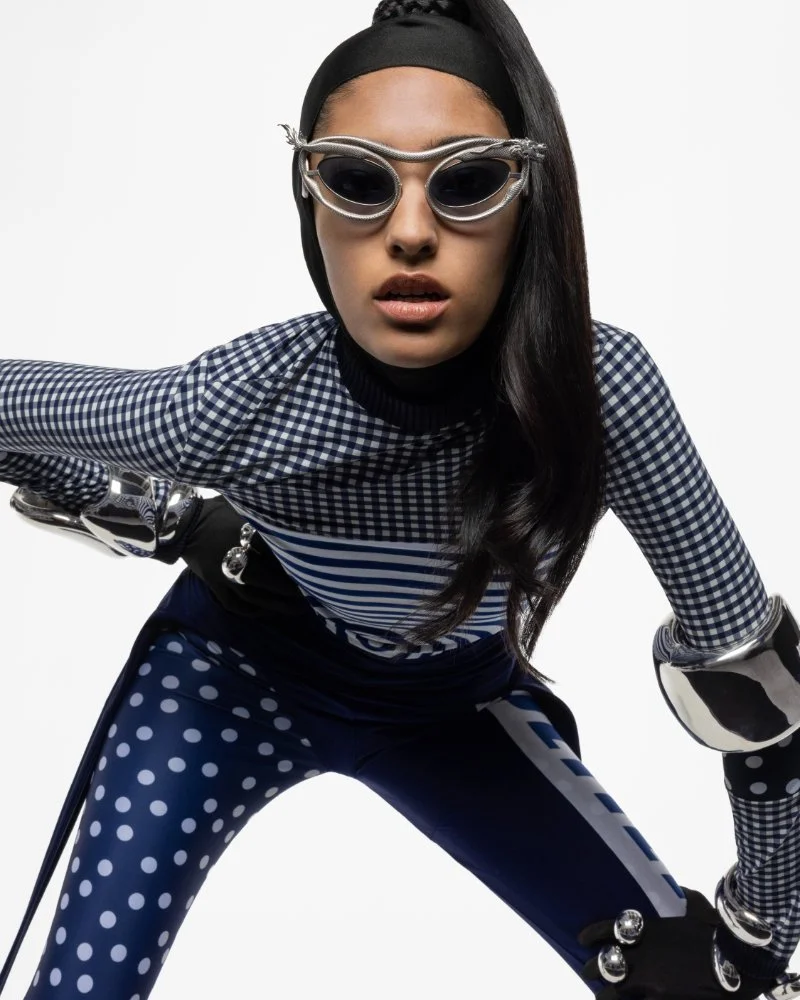
Jean Paul Gaultier enters a new era with the unveiling of “Junior,” the first collection by Duran Lantink for the house. Marking a significant shift toward ready-to-wear, the Spring/Summer 2026 campaign sets the tone for a renewed creative direction—one that balances heritage with reinvention.
Captured by renowned photography duo Inez and Vinoodh and styled by Jodie Barnes, the campaign delivers a sharp visual narrative rooted in the spirit of the late 1980s. The imagery explores bold silhouettes, theatrical glamour, and a sense of character-driven play—elements long associated with the house’s DNA, now reinterpreted through Lantink’s lens.
The cast—Leon Dame, Signe Veiteberg Michaelsson, Emaan Zishan, and Marte Mei Van Haaster—embodies this vision with striking presence. Each image feels both nostalgic and forward-facing, merging archival references with a contemporary edge.
With “Junior,” Jean Paul Gaultier signals a deliberate evolution: a move into structured ready-to-wear that maintains the house’s expressive core while opening the door to a broader, modern audience.
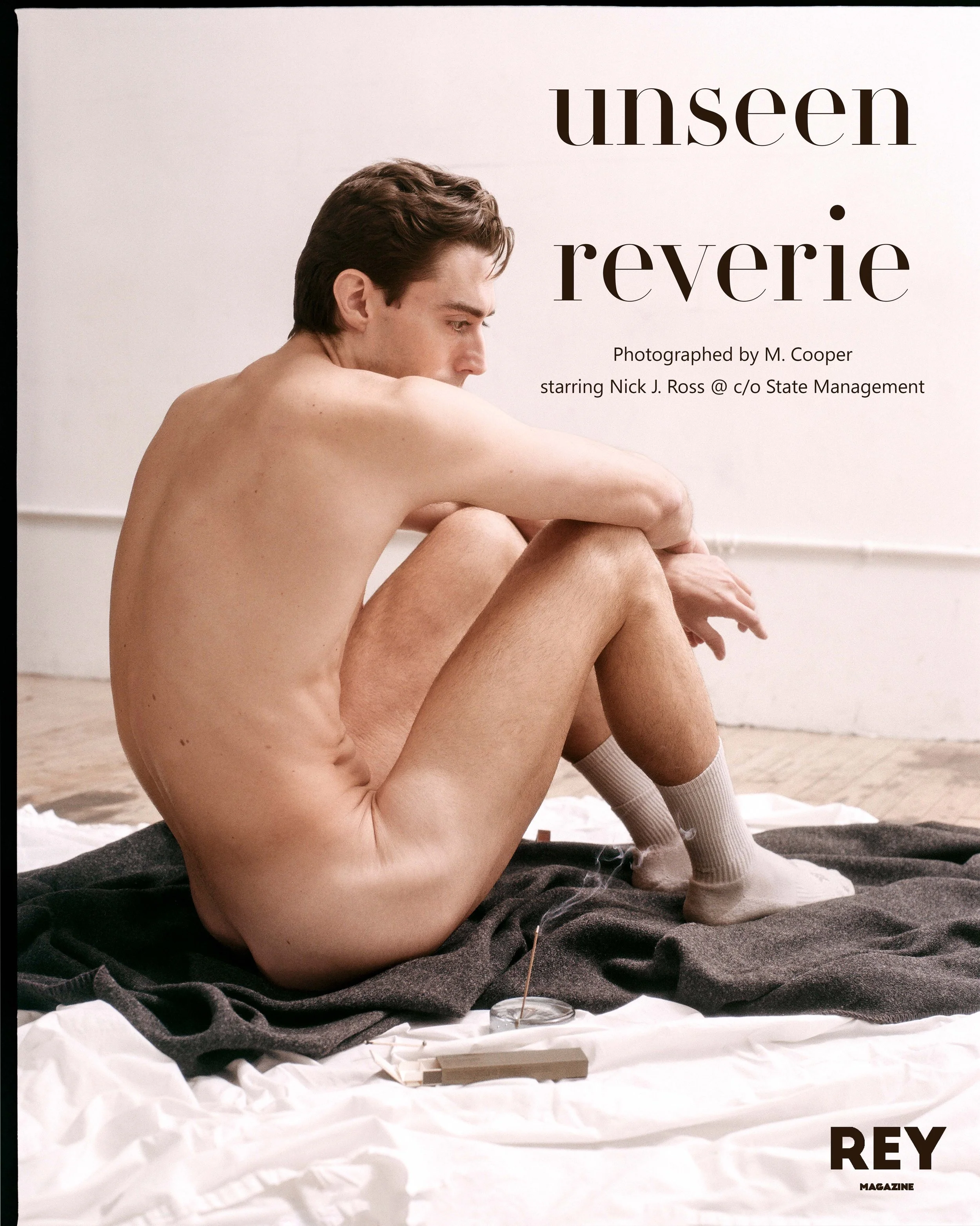
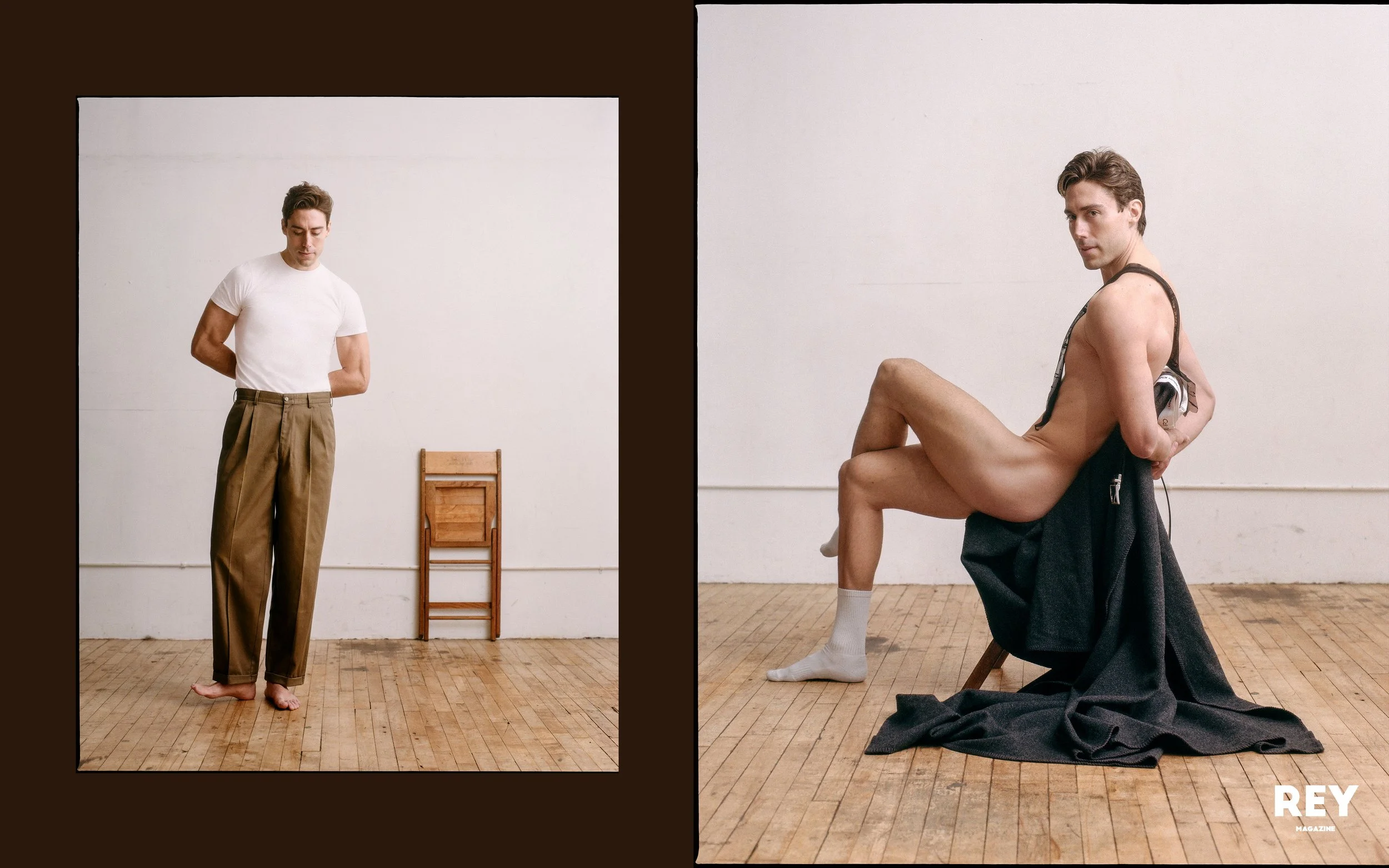
A REY Exclusive Fashion Editorial, produced in New York City.
Photographed by M. Cooper
starring Nick J. Ross @ State Management
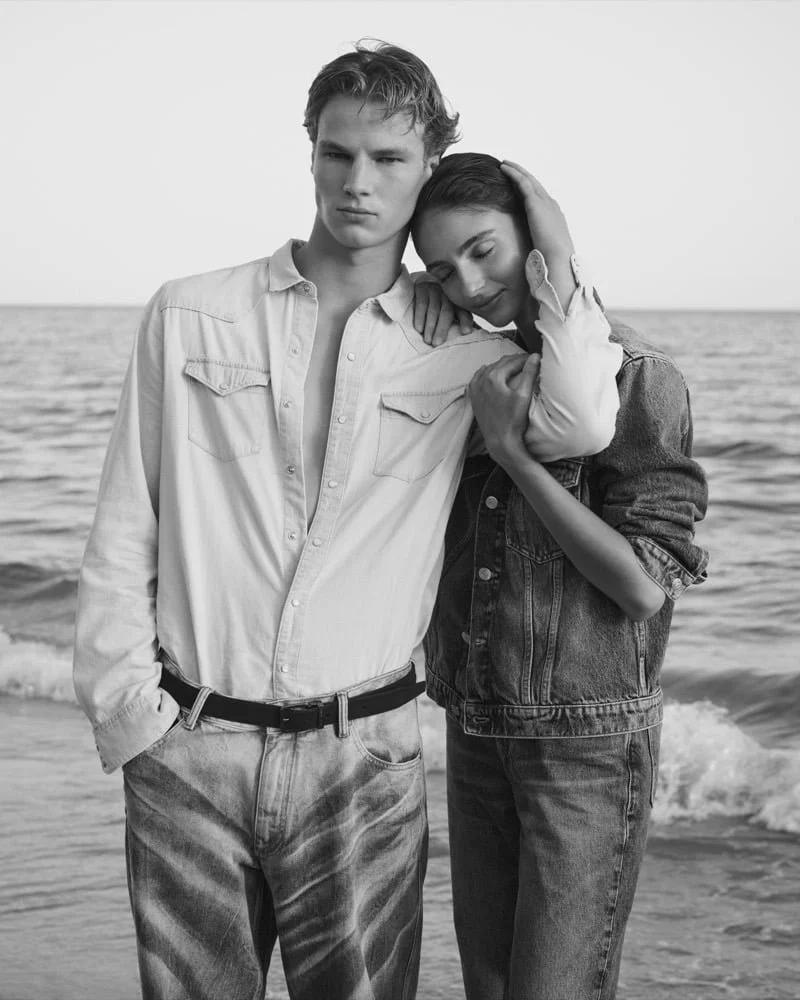
Emporio Armani turns to its past to redefine denim for the present, revisiting the legacy of Armani Jeans through a focused new capsule collection.
Originally launched in 1981, Armani Jeans captured the spirit of premium denim at a time when fashion, celebrity, and aspiration were tightly intertwined. The line became synonymous with elevated everyday wear—jeans that didn’t just fit well, but photographed effortlessly, shaping the visual identity of luxury denim for an entire generation.
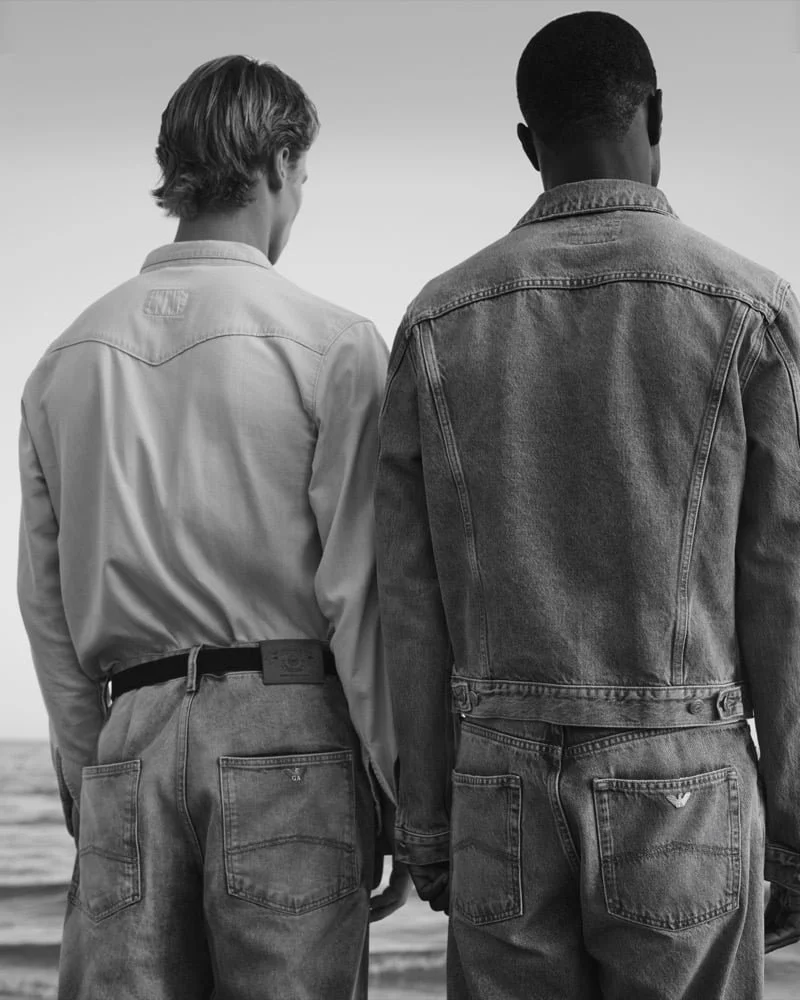
Today, that legacy is reinterpreted with a contemporary lens. At the center of the capsule are cloud-wash wide-leg jeans, defined by a marbled acid treatment that gives depth to their relaxed silhouette. The aesthetic feels both archival and current—an intentional echo of the brand’s original DNA.
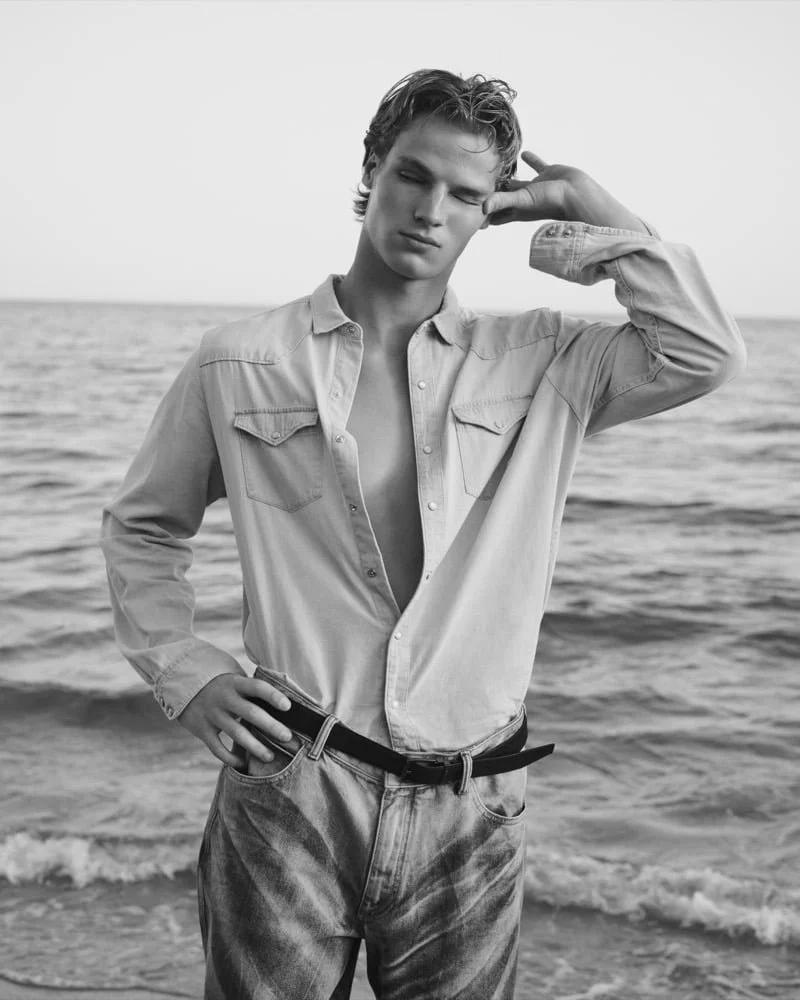
Fronting the campaign, Henry Rank embodies this balance of nostalgia and modernity. Styled in a light-wash denim western shirt worn open and paired with a leather belt, the look reflects a confident, undone approach to classic denim dressing.
Elsewhere, the collection leans into subtle archival cues. A mid-wash trucker jacket and dark straight-leg jeans round out the offering, while understated branding—like the signature eagle embroidered on the back pocket and the AJ logo stitched into the shirt’s back yoke—keeps the focus on form, texture, and legacy.
With this capsule, Emporio Armani doesn’t simply revisit the past—it refines it, distilling decades of denim history into a collection that feels quietly relevant now.
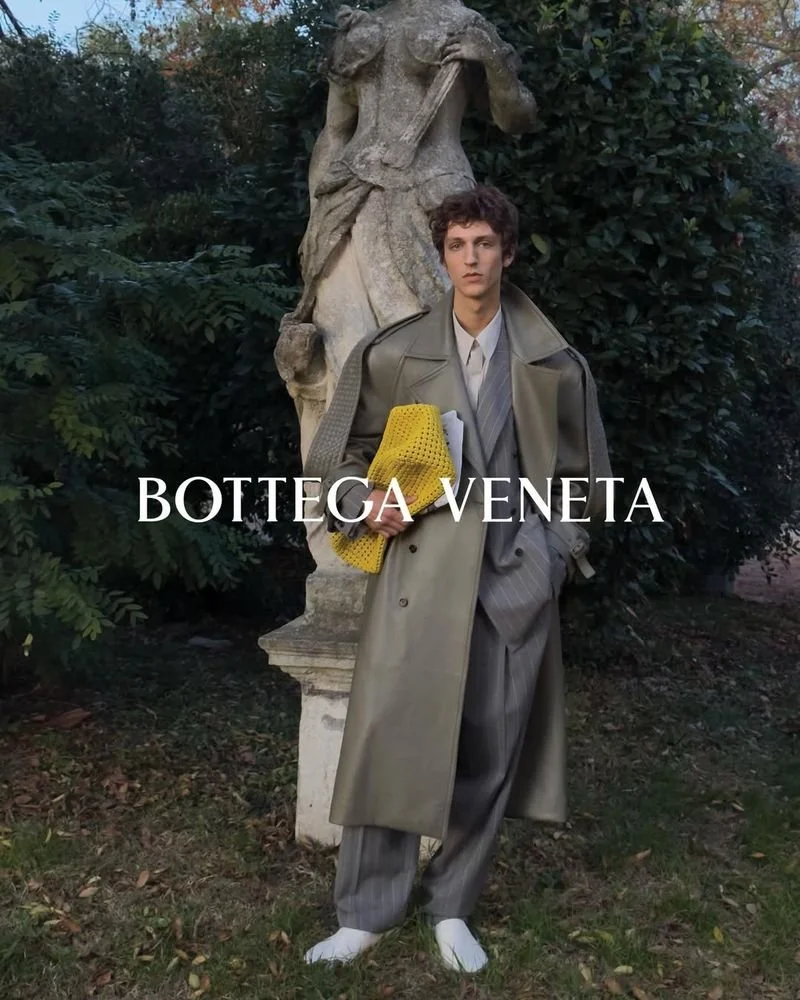
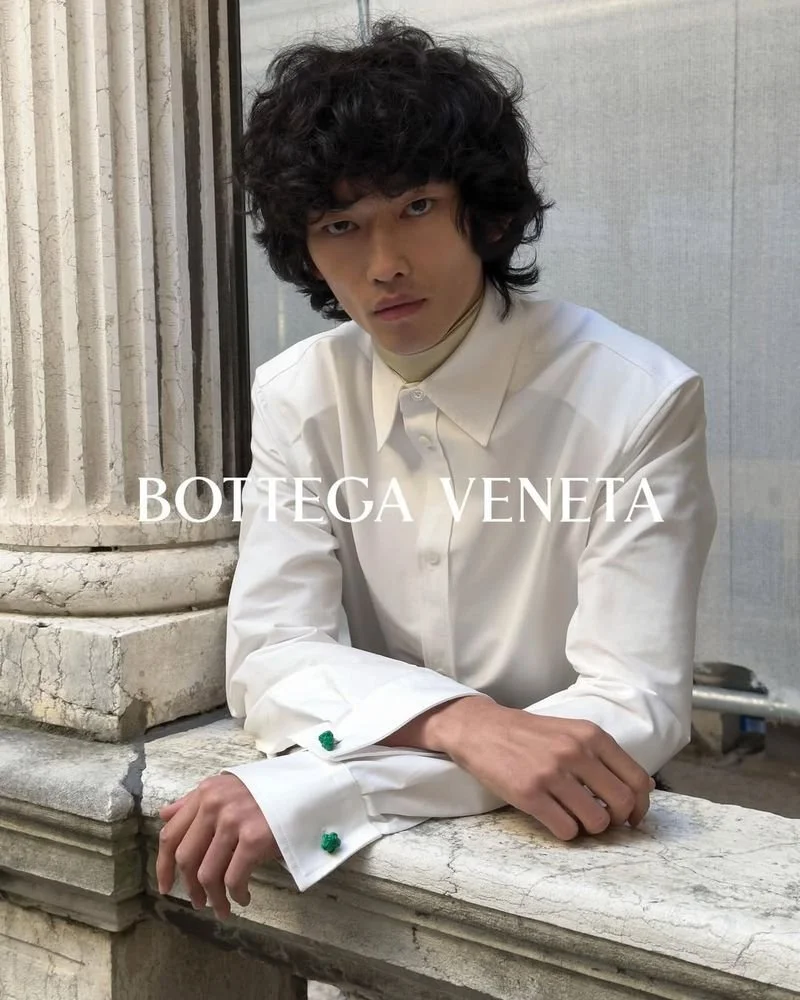
Under the direction of Louise Trotter, Bottega Veneta strips luxury back to instinct. For Spring 2026, clothing is no longer treated as precious—it simply exists, worn with ease, without performance.
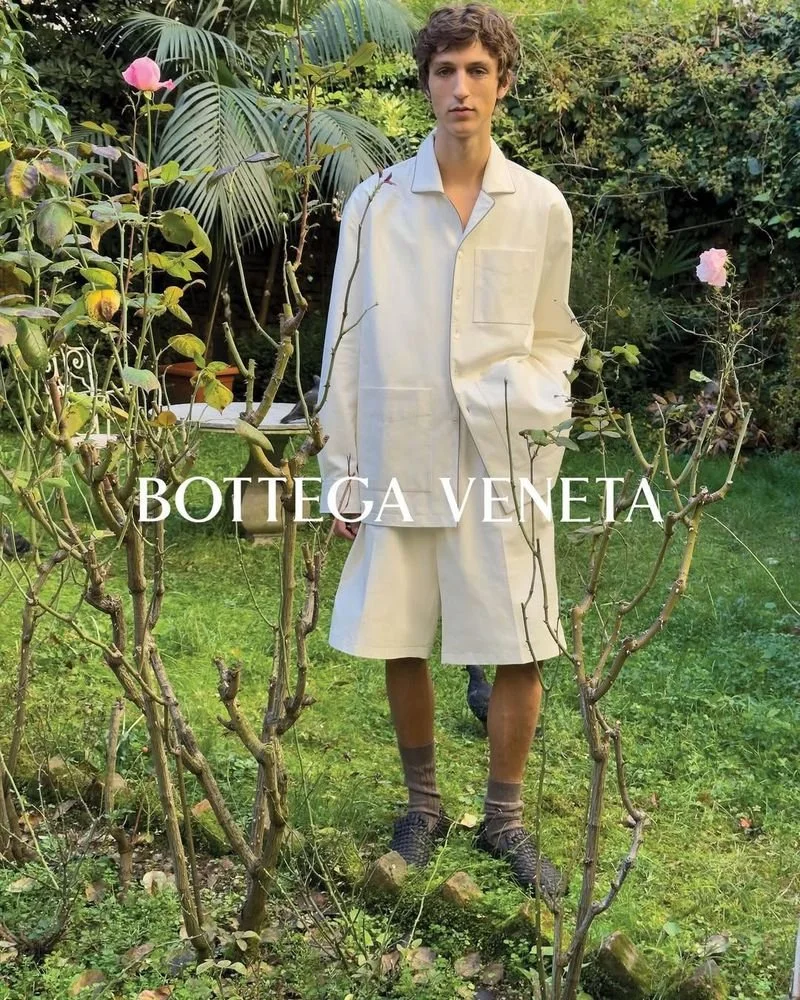
Captured through the lens of Juergen Teller, the campaign rejects polish in favor of something more immediate, more real. Model Saul Symon moves through the frames with an almost indifferent elegance, embodying a man who wears luxury as if it were second nature.
In one image, he stands beside a headless garden statue, wrapped in an oversized leather trench layered over a chalk-stripe suit. A yellow Intrecciato woven bag rests casually at his side—less a statement piece, more an afterthought, carried with the nonchalance of a daily errand.
Elsewhere, the mood shifts but the attitude remains. Surrounded by bare rose canes, Saul appears in an overshirt cut to the knee, paired with matching shorts in a single, uninterrupted tone. The look is so resolved in itself that color ceases to demand attention—becoming instead something felt, not noticed.
With this campaign, Bottega Veneta proposes a quiet radicalism: luxury not as spectacle, but as habit.
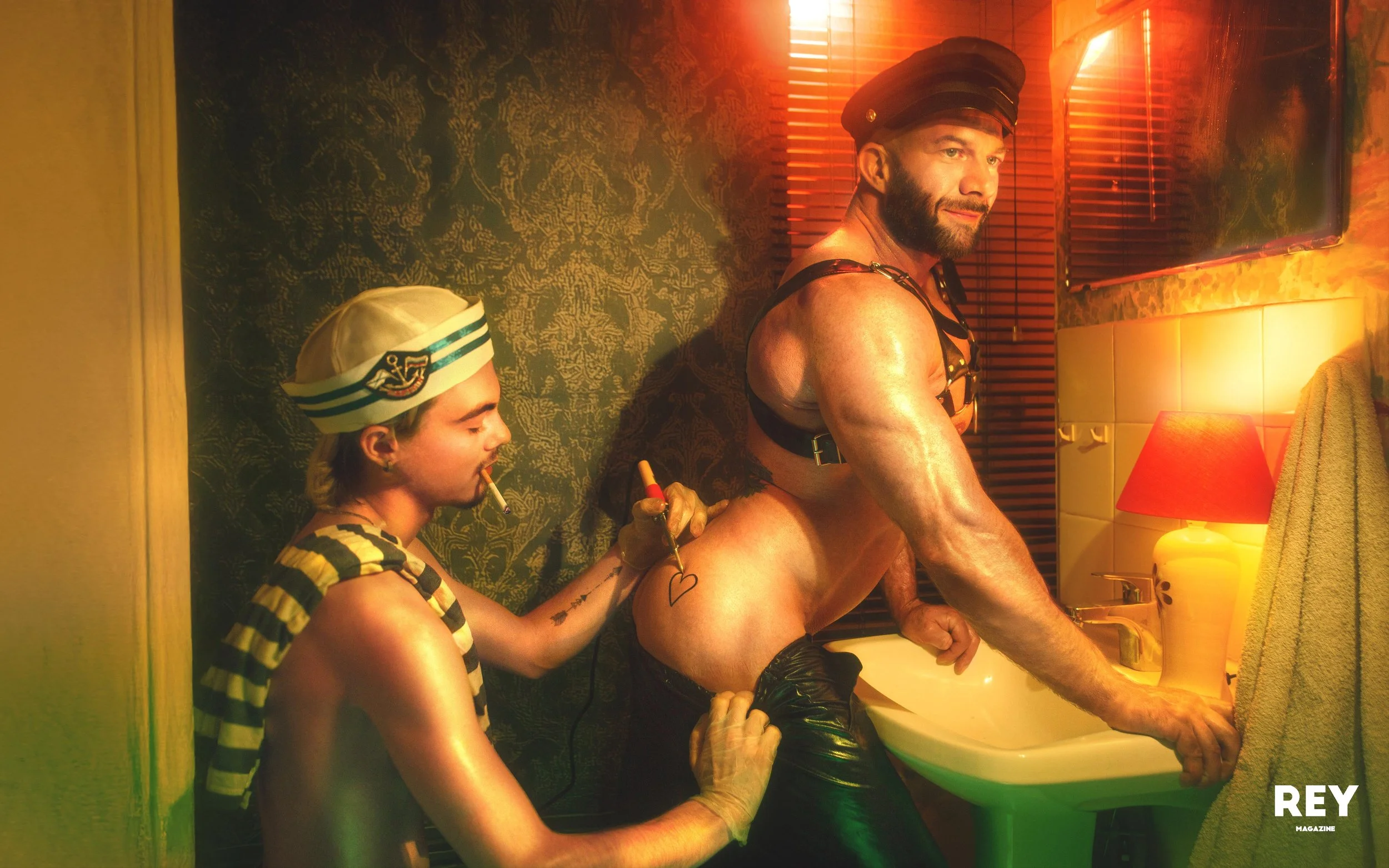
In the visual universe of Romain Berger, every image feels like a scene paused mid-story. Photographer, scenographer, filmmaker, and art director, Berger constructs worlds where cinema and photography collide, creating images that function as suspended narratives rather than simple portraits.
Atmosphere is everything. Color, lighting, and composition are meticulously orchestrated to build emotionally charged environments where each frame feels deliberate and theatrical. Berger’s practice exists at the intersection of staging and fiction, transforming photography into a space where storytelling unfolds without words.
At the center of his visual language is the male body. Rather than serving as a manifesto, it becomes a recurring symbol within Berger’s carefully constructed scenes. Through this approach, he examines cultural codes, familiar clichés, and contemporary archetypes, presenting masculinity as something performative, stylized, and open to interpretation.
While his work often resonates with queer visual culture, Berger avoids framing it as an overtly militant statement. Instead, the imagery naturally reflects the worlds and identities that shape his personal experience. The result is a body of work that feels both intimate and universal—images that invite viewers to enter a space where conventions are quietly challenged and emotions remain just beneath the surface.
Each photograph stands as its own autonomous fiction. Berger’s cinematic eye is deeply informed by filmmakers and visual artists whose work reshaped the aesthetics of desire and identity. Among his influences are directors such as Rainer Werner Fassbinder, Wong Kar-wai, and Gregg Araki—as well as iconic image-makers like David LaChapelle, Robert Mapplethorpe, and Tom of Finland.
In 2022, Berger published his first photographic book, Life’s a Cabaret, with Men On Paper Art—a retrospective gathering three years of creative work. He also contributed to Sex Utopia, a collective publication featuring major artists including Pierre et Gilles and Bruce LaBruce.
Over the past seven years, Berger’s work has been exhibited internationally in galleries and featured in magazines worldwide, steadily establishing a distinctive voice within contemporary image-making. His practice blurs the boundaries between cinema, fashion, and art photography—creating visual fictions that linger long after the viewer looks away.
For Berger, the photograph is never just an image. It is a moment suspended between fantasy and reality, where narrative, desire, and aesthetic precision come together to form a world entirely of his own.
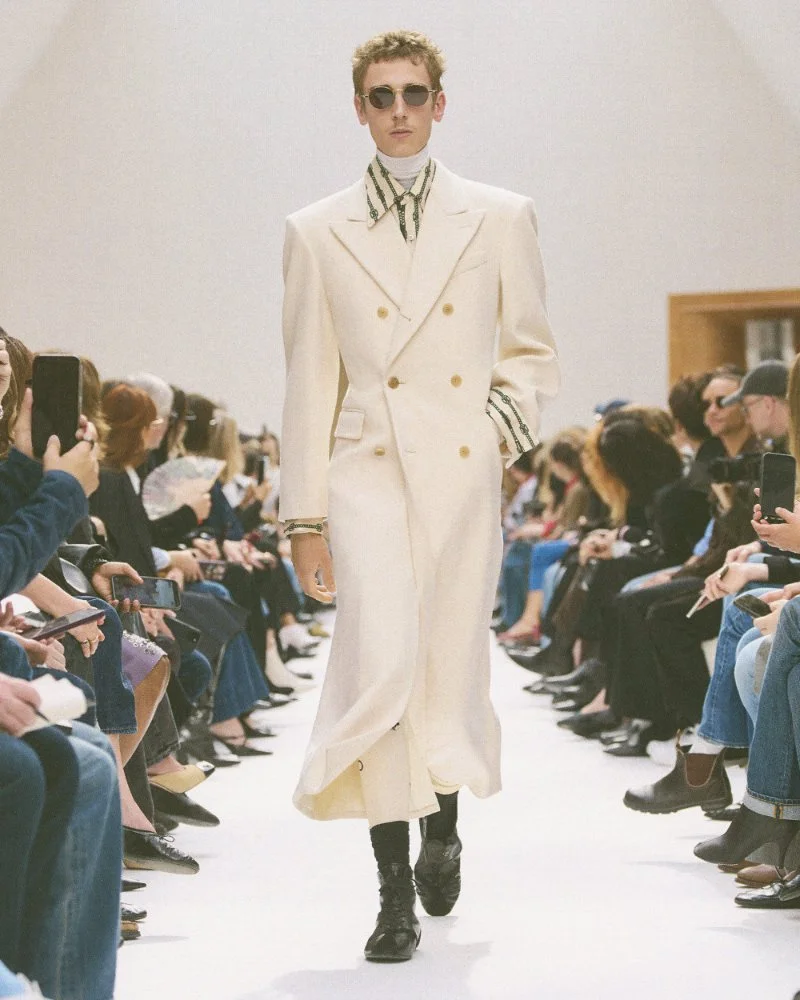
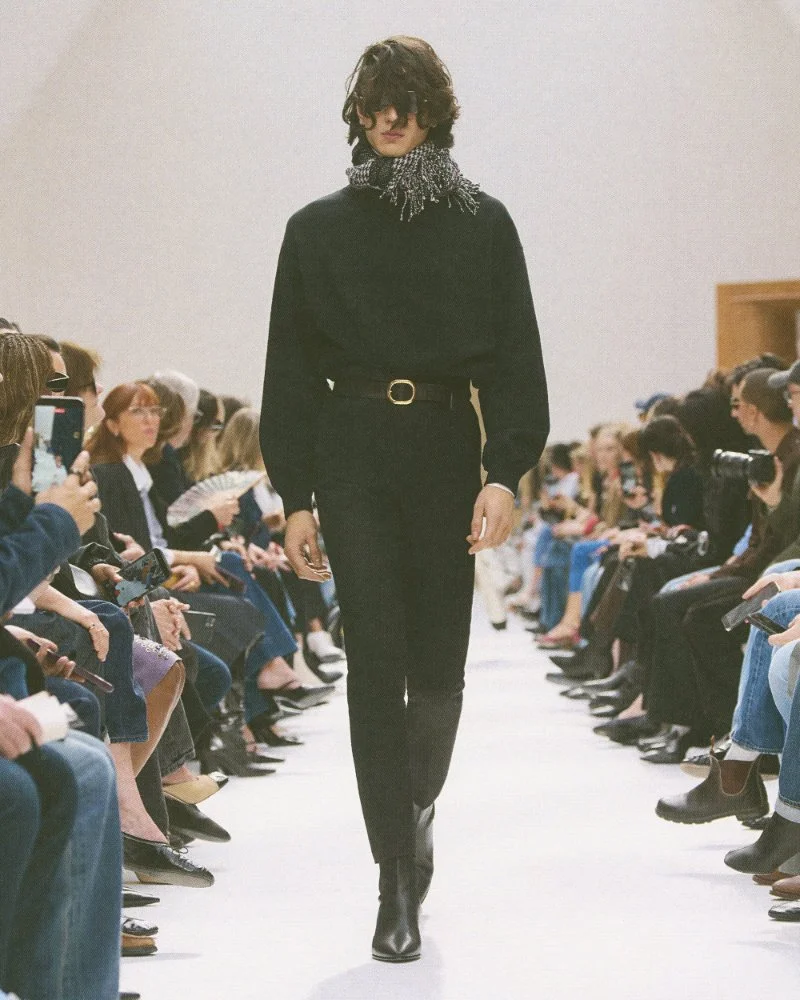
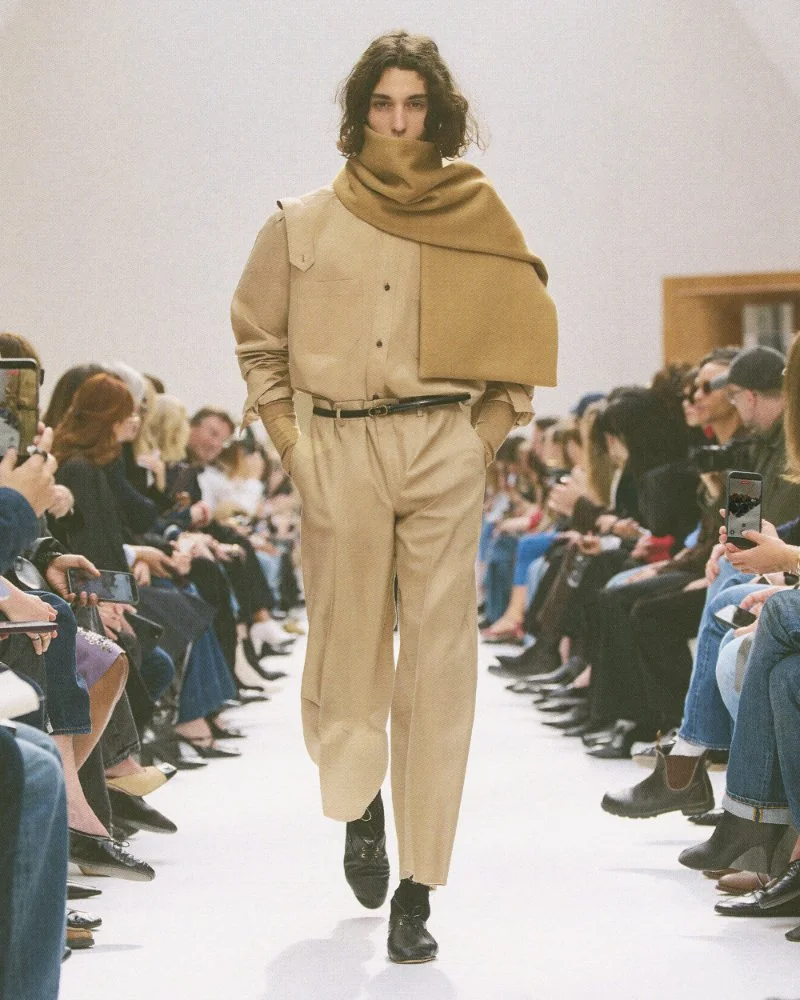
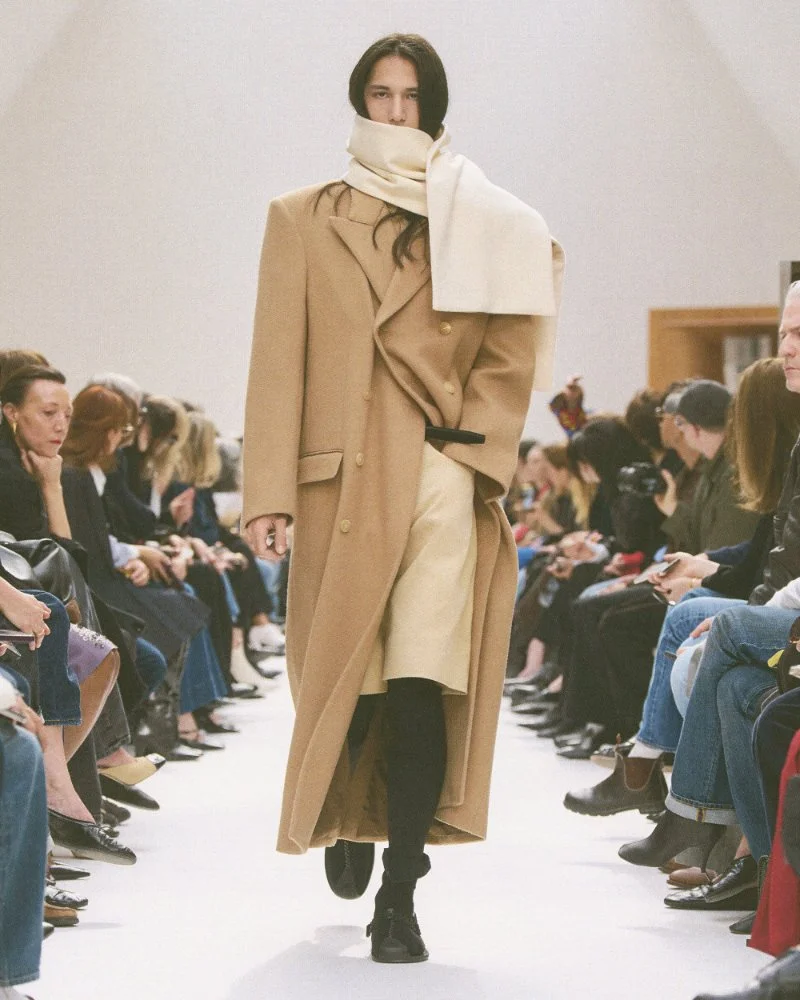
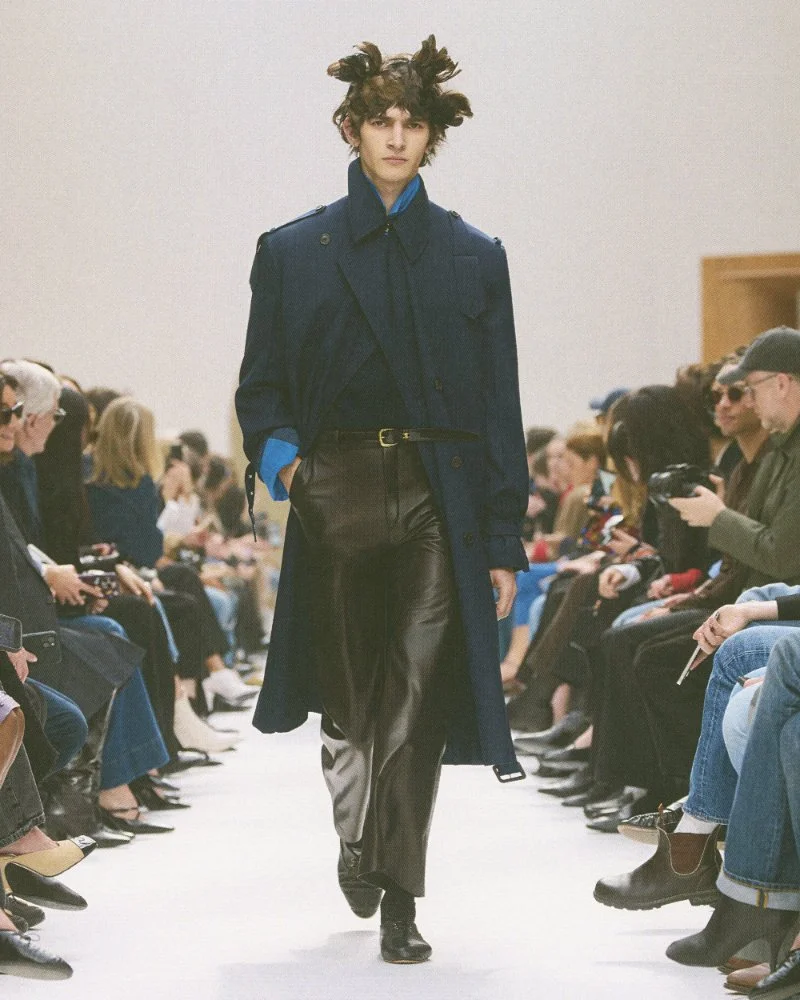
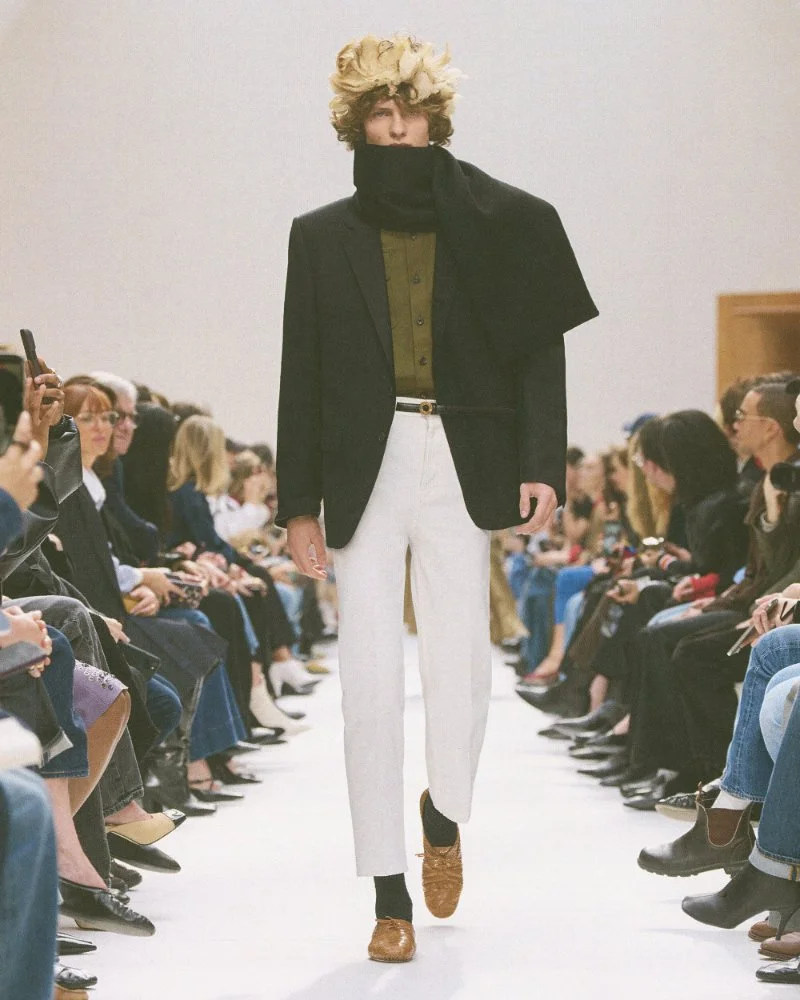
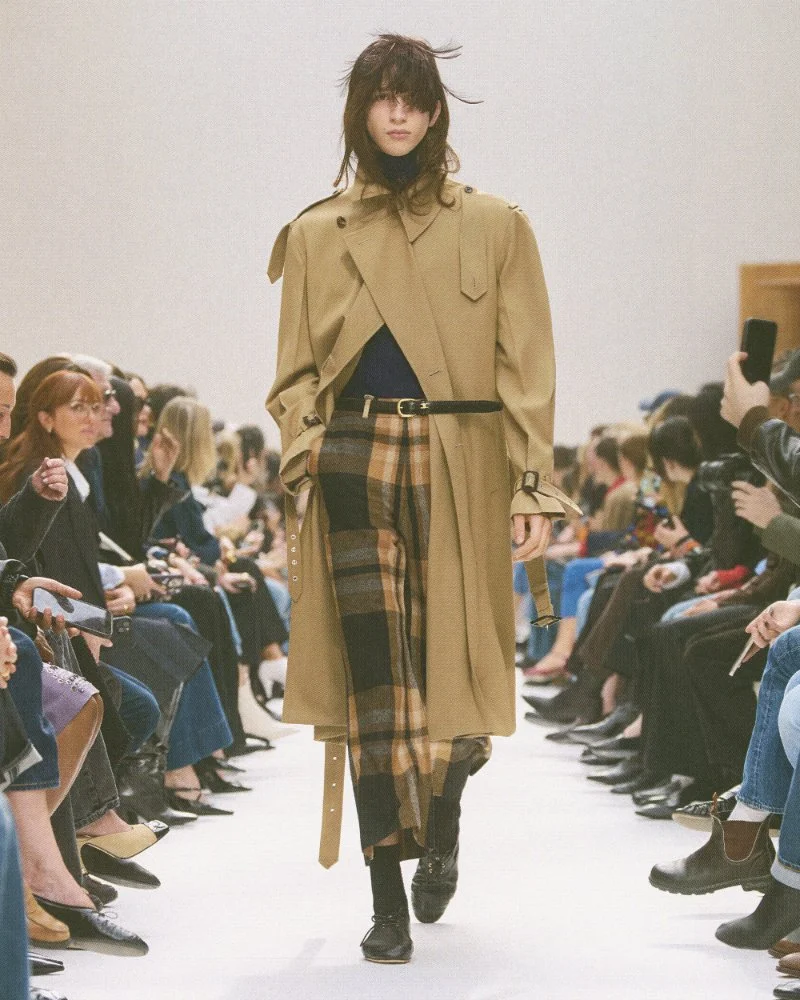
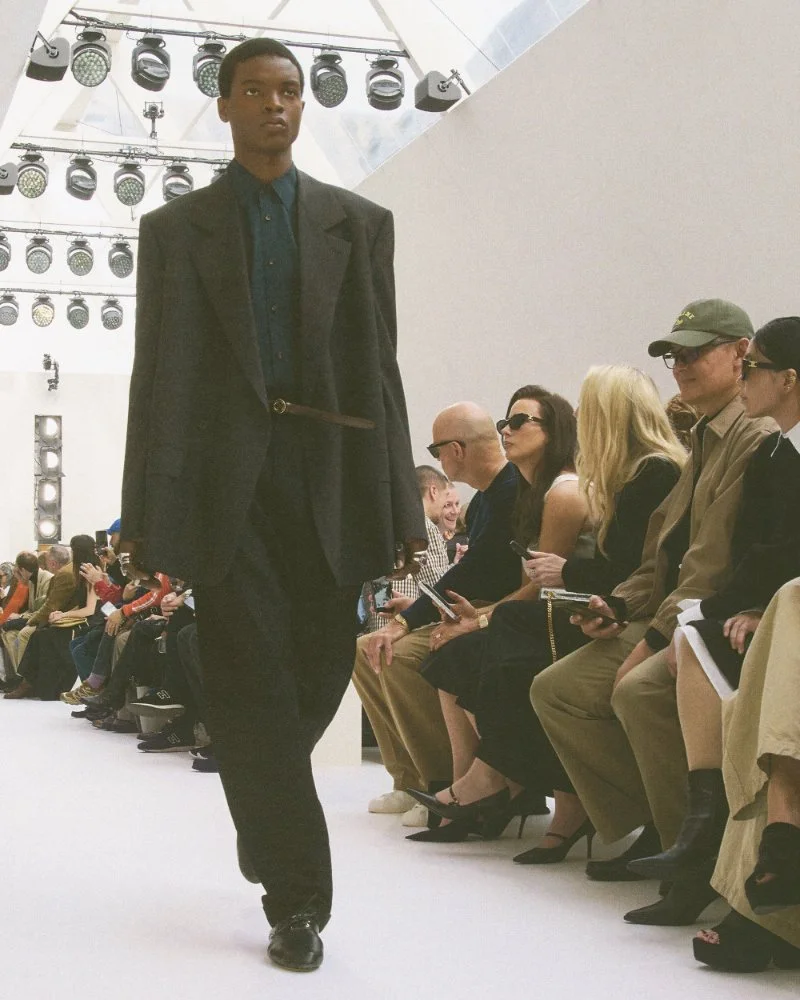
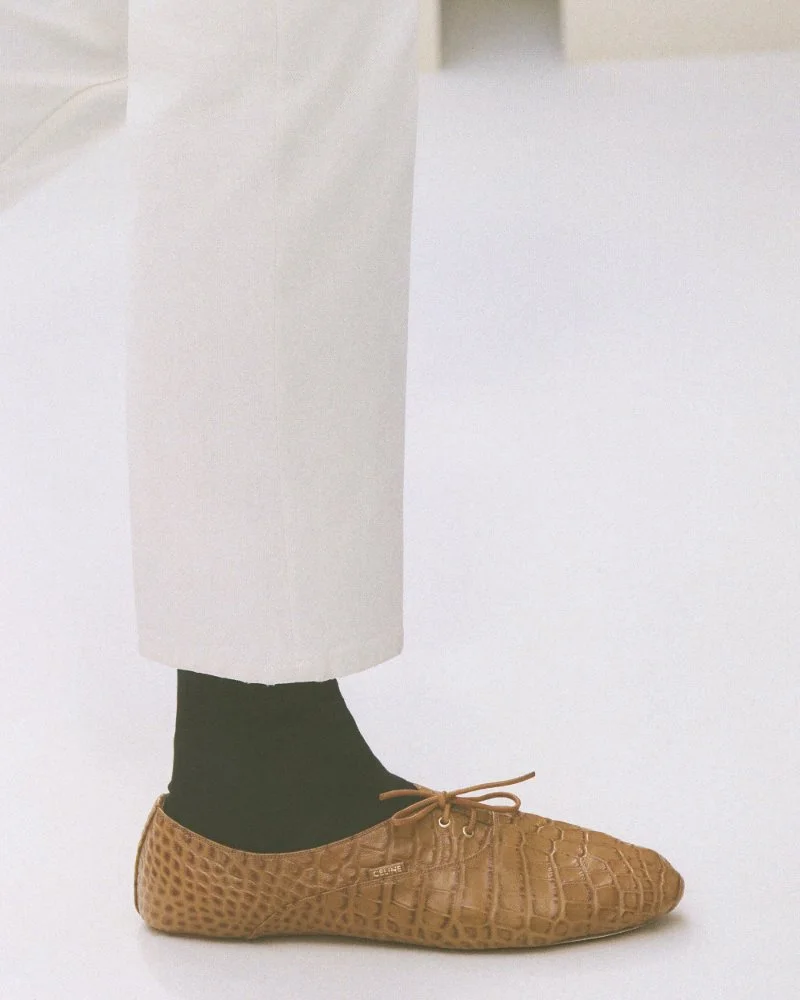
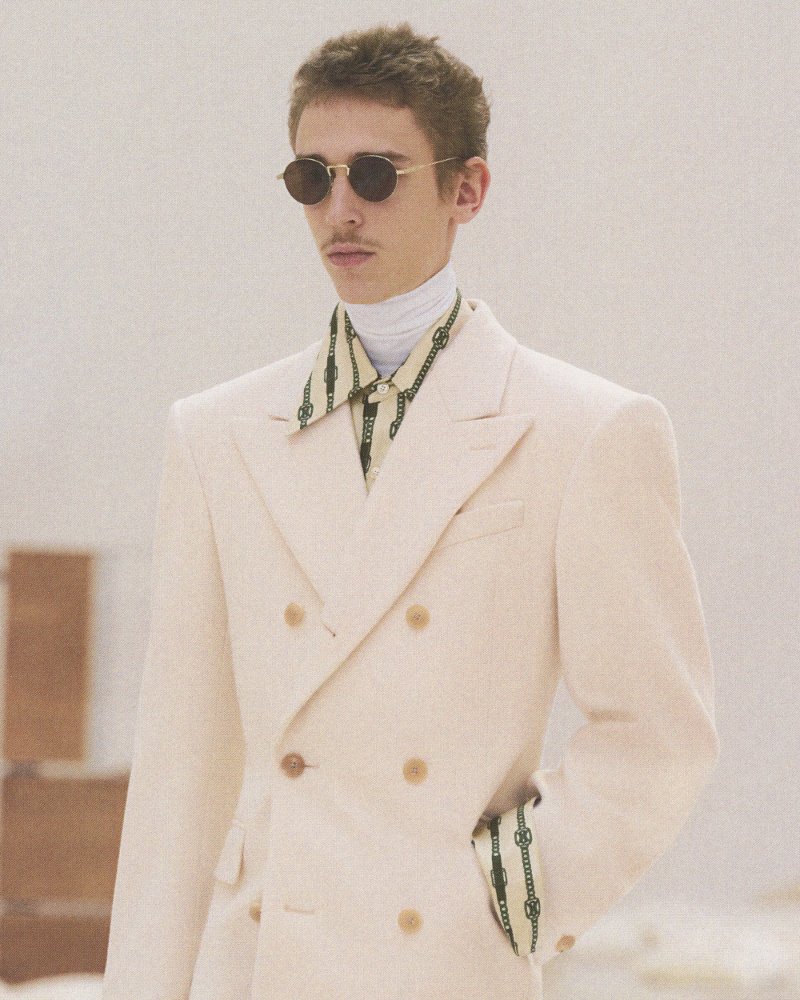
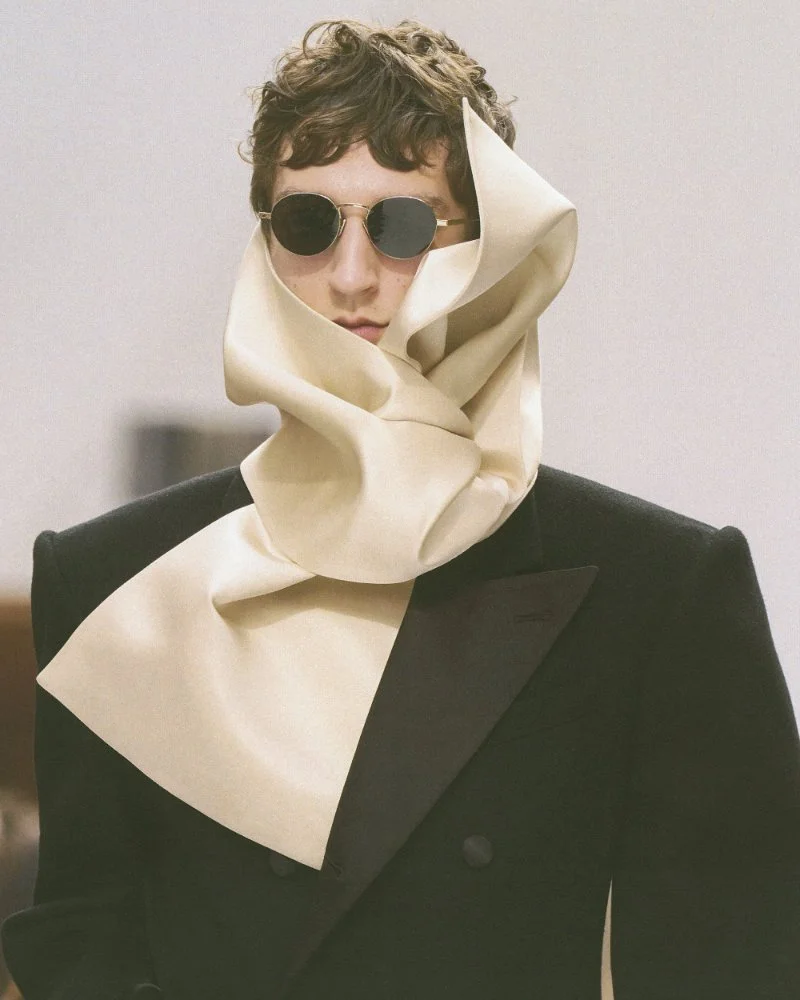
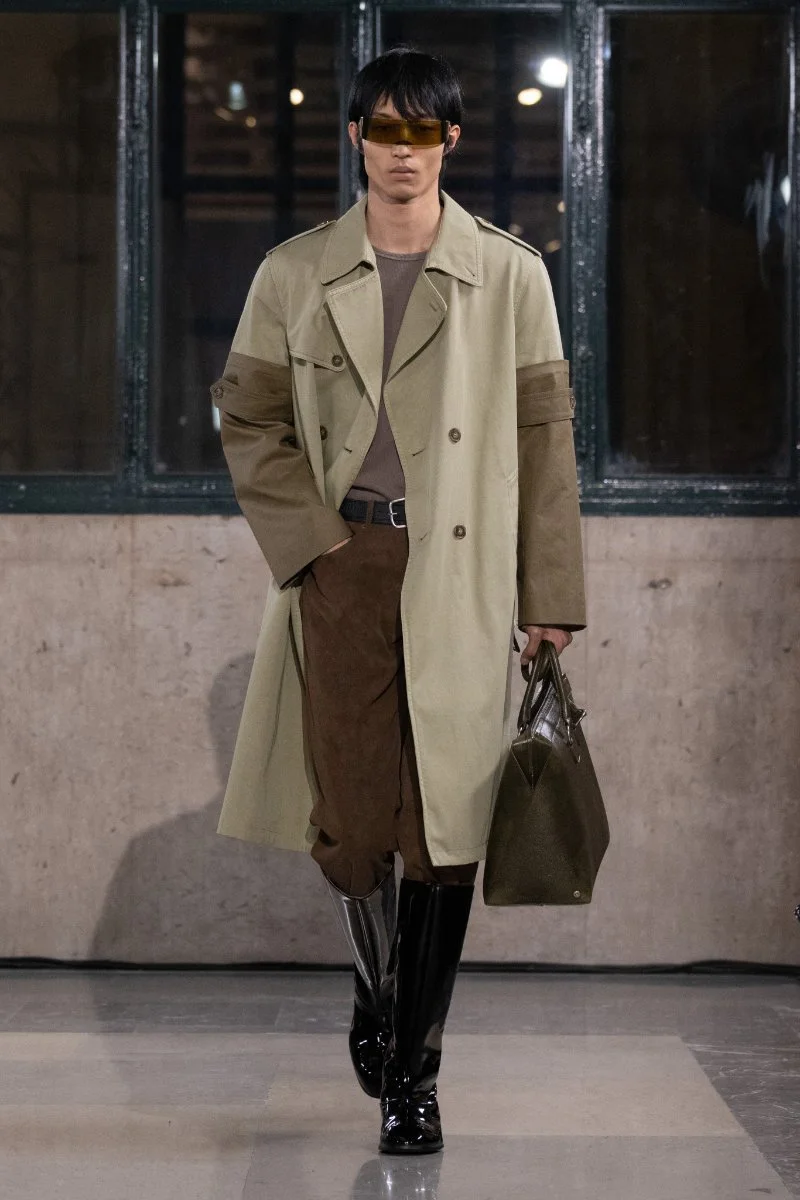
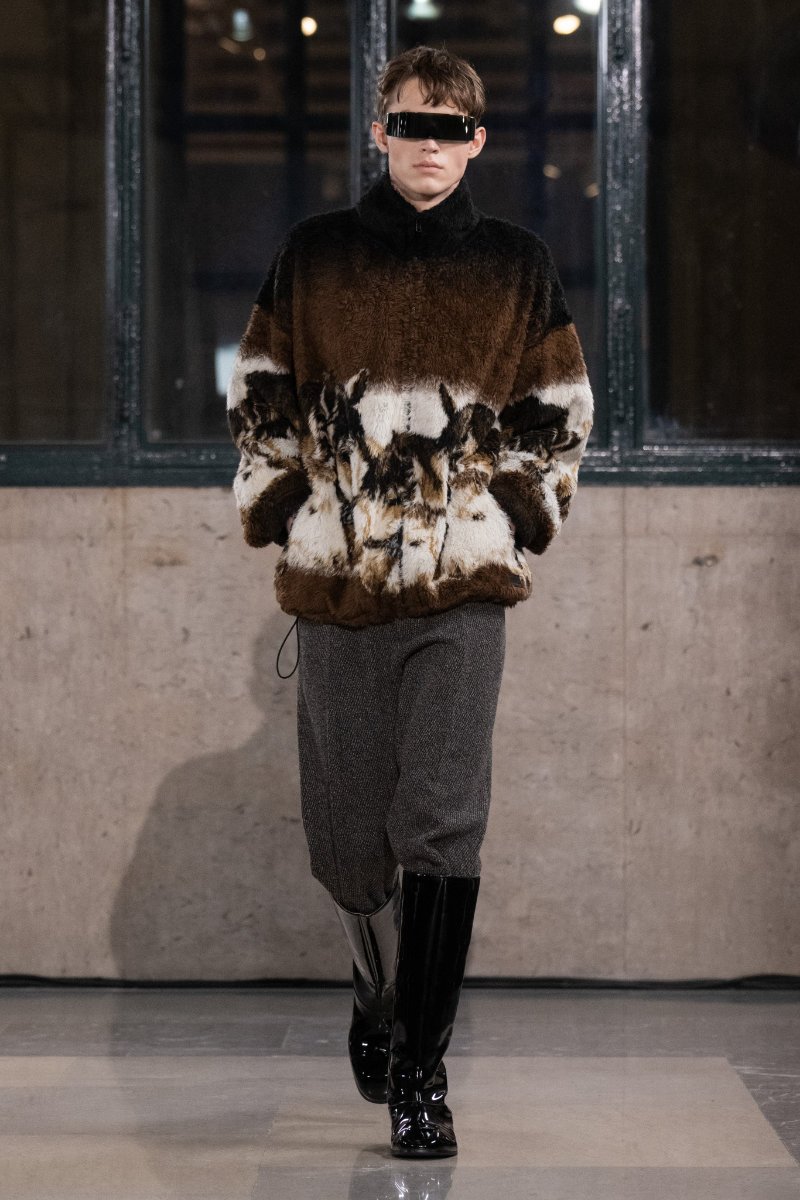
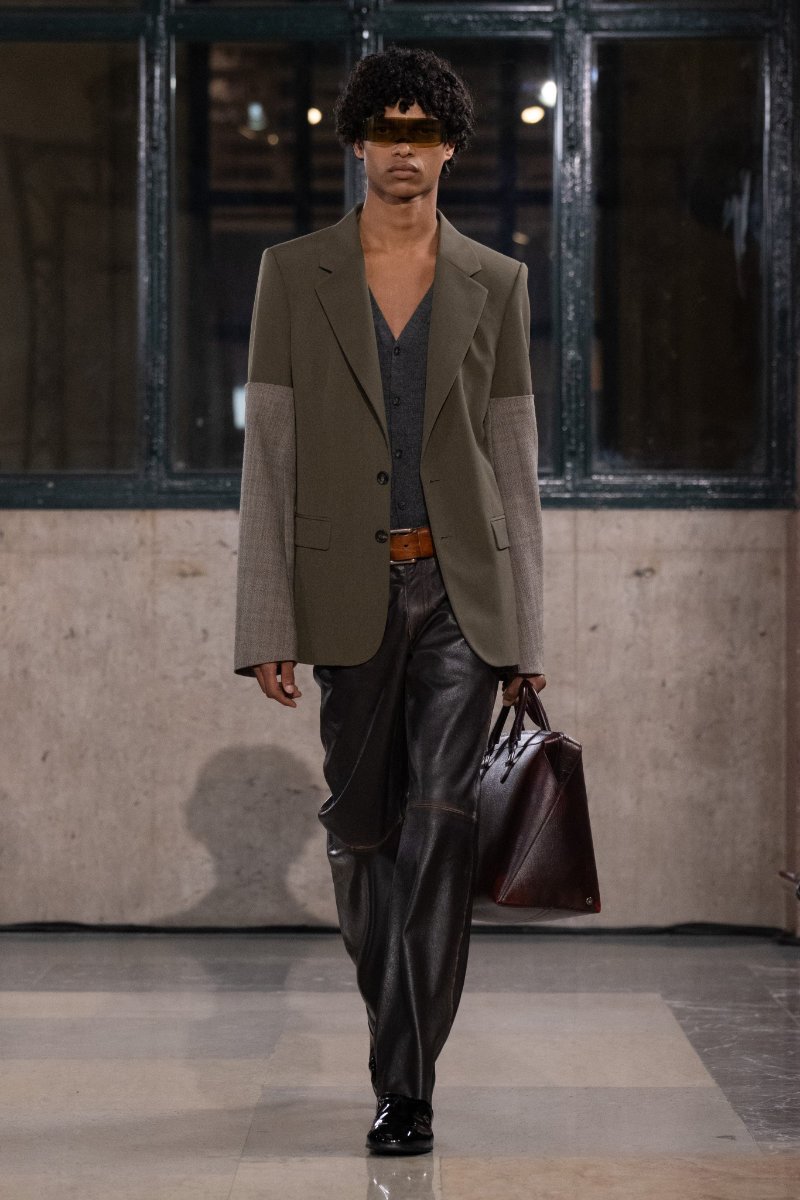
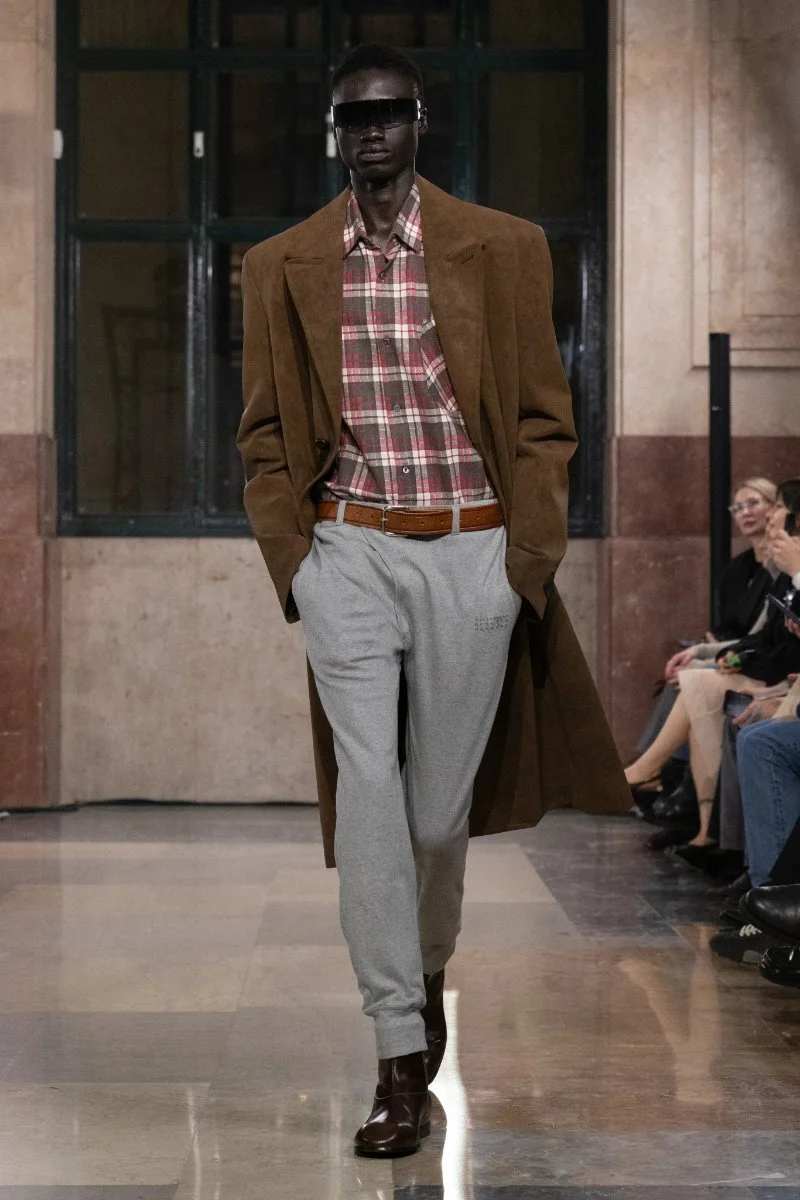
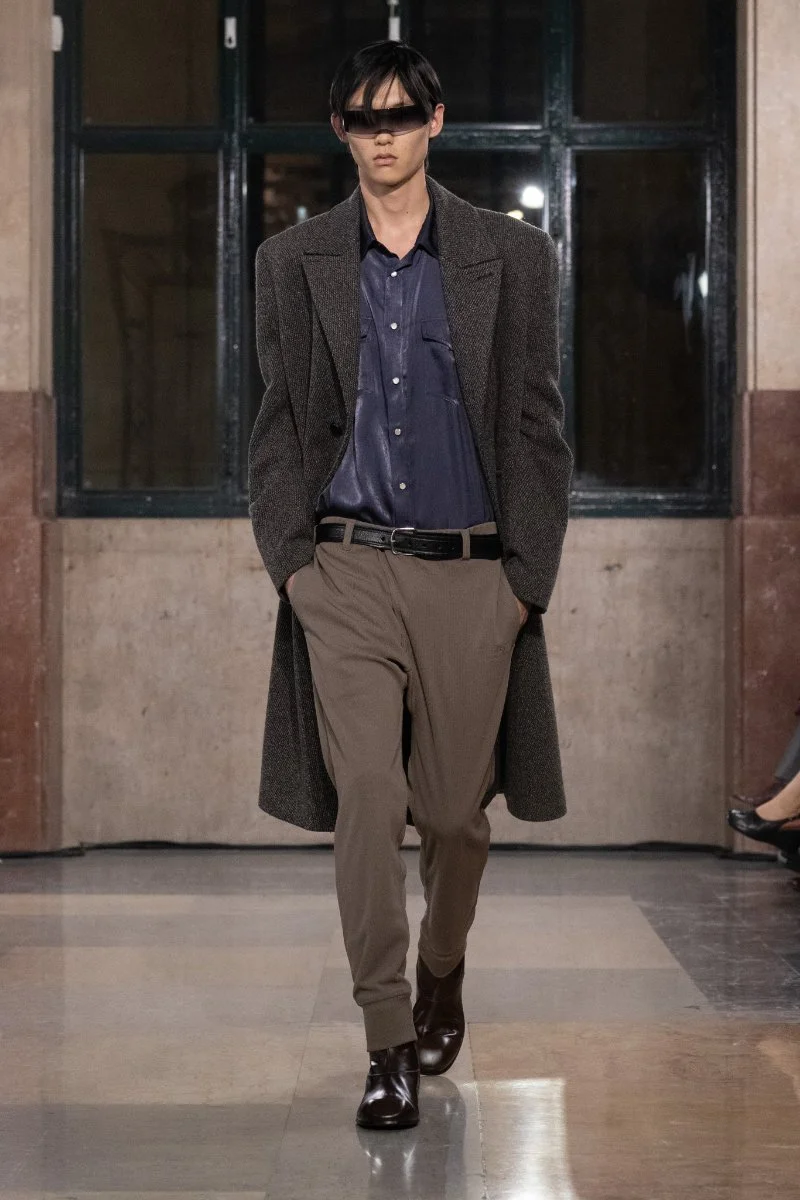
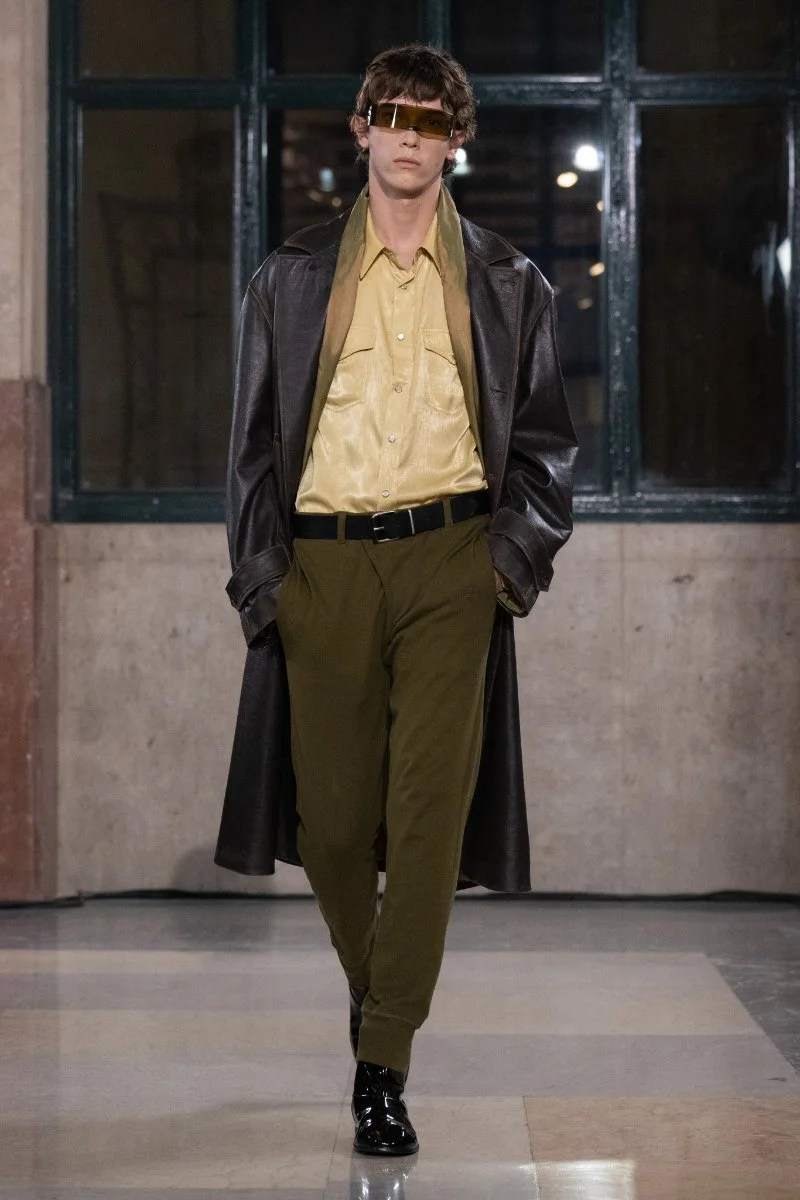
At Paris Fashion Week, Michael Rider presented his third collection for Celine at the historic Institut de France. For REY, the focus naturally falls on the men’s looks — and this season they carried a relaxed confidence that felt instinctive rather than calculated.
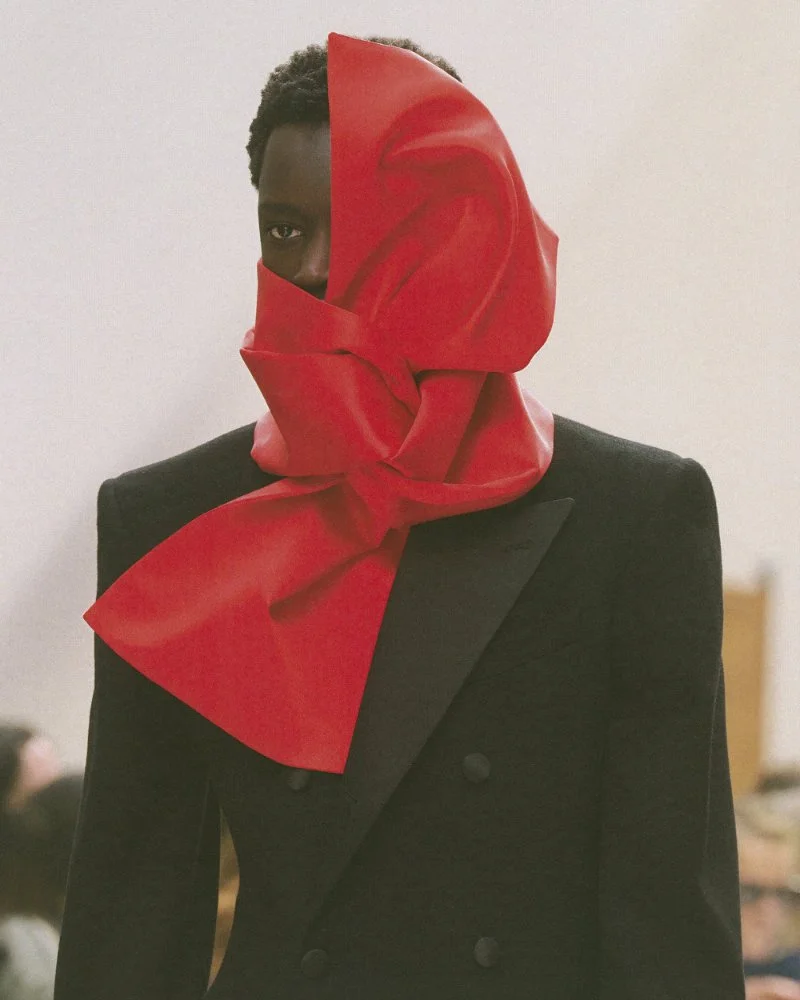
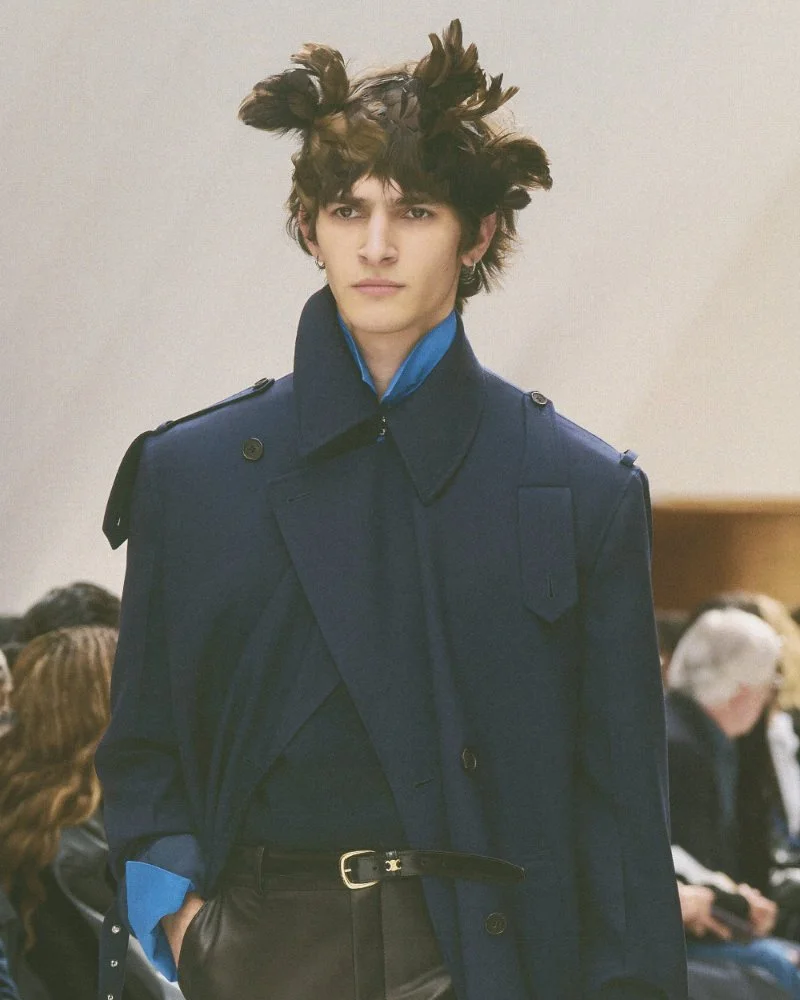
The menswear silhouettes moved with ease. Trousers were tucked in or gently flared at the ankle, creating a casual but deliberate line. Necklines twisted and wrapped in unexpected ways, while feathers scattered through slightly messy hair added a playful irreverence. The clothes felt wearable and fluid, designed to mix easily with each other or slip naturally into an existing wardrobe. What stood out most was a subtle eccentricity — a willingness to let pieces feel a little offbeat without losing their polish.
Accessories, always a strong pillar of the house, remained central. Bags and sunglasses reinforced the brand’s established codes, but scarves quietly stole the spotlight. For those who collect vintage Celine, this season’s designs already feel like the future classics.
In a letter accompanying the collection, Rider spoke about confidence and intuition, rejecting the need for heavy conceptual frameworks. Instead, he celebrated style as something personal and instinctive. The message resonates strongly through the menswear: great clothes worn with individuality, where imperfection, character, and personal attitude matter more than rigid fashion formulas.
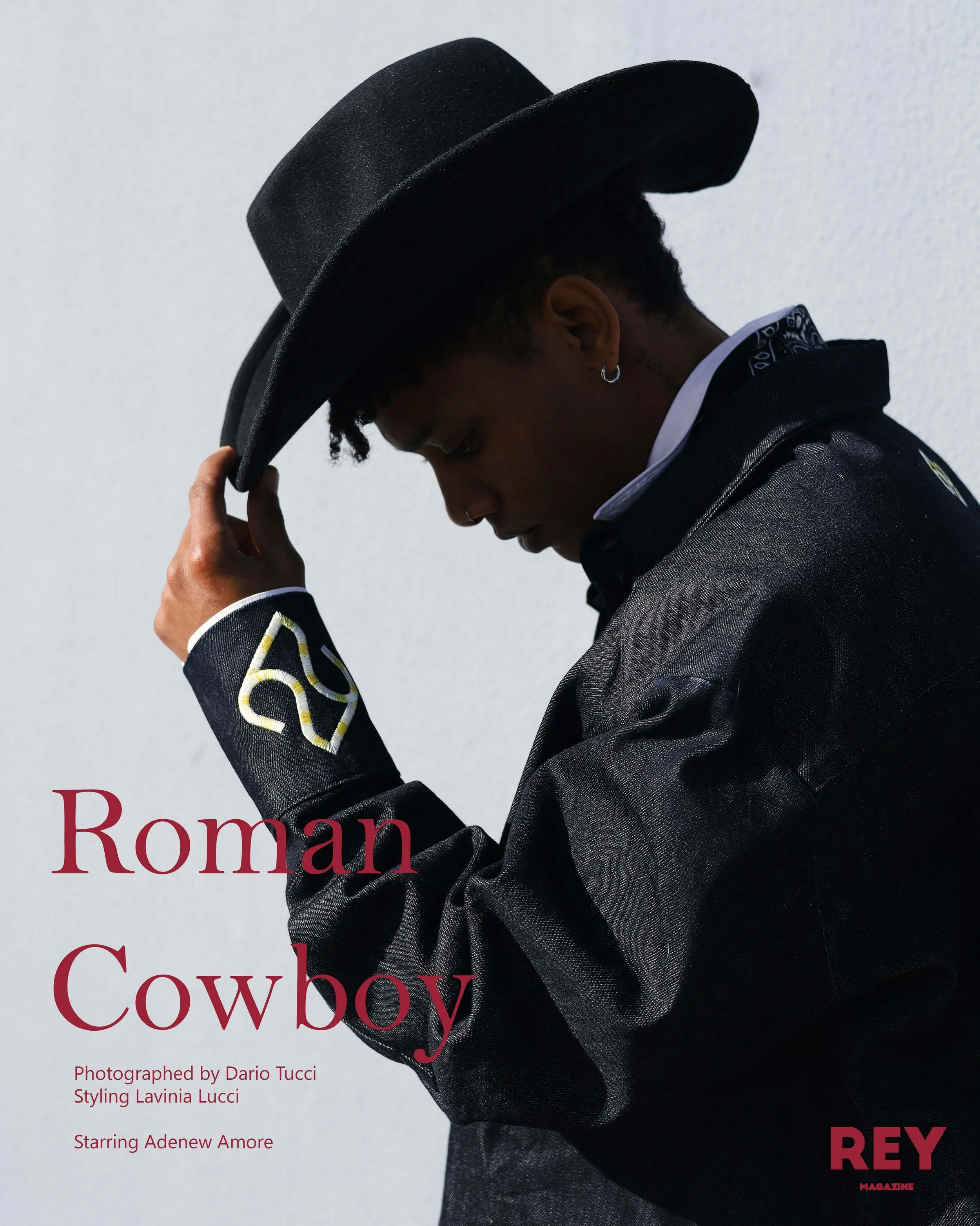
A REY Exclusive Fashion Editorial produced in Rome, Italy.
Photographed by Dario Tucci
Styling Lavinia Lucci
Starring Adenew Amore
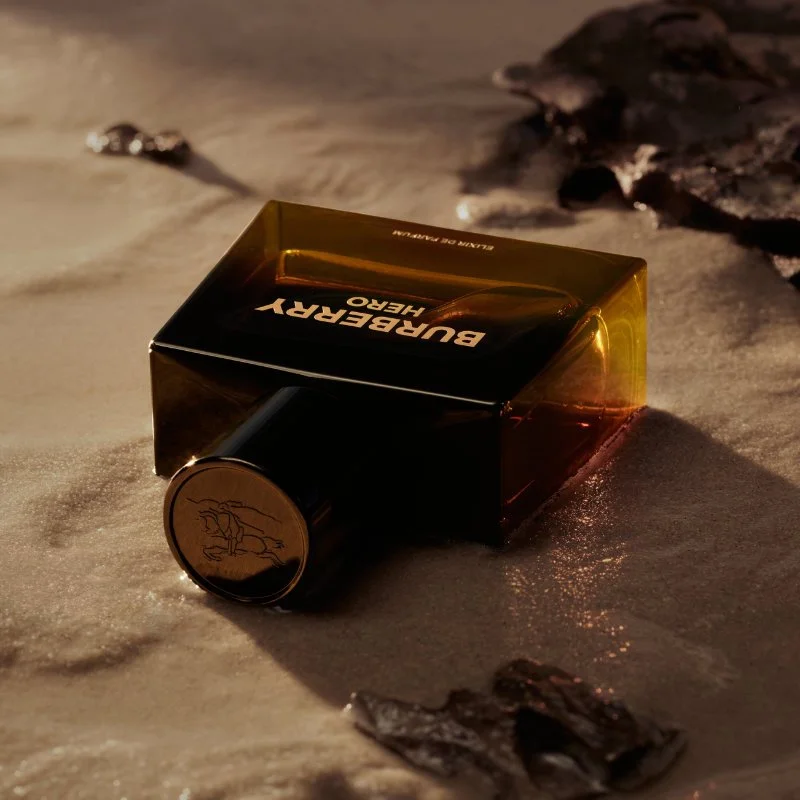
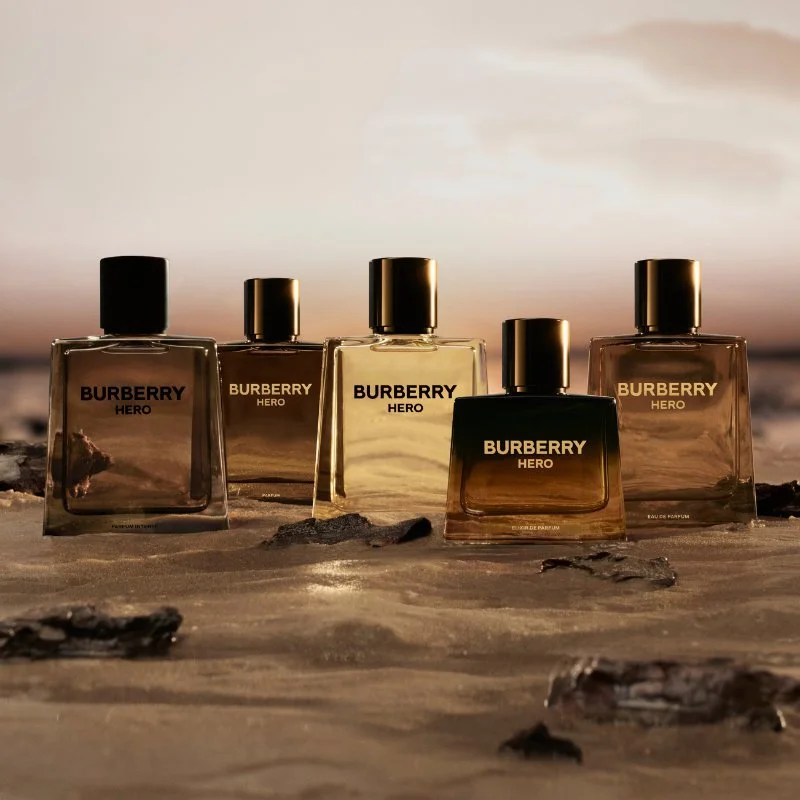
Burberry expands its fragrance universe with Burberry Hero Elixir de Parfum, a new chapter in the Hero line. The scent explores a more layered vision of masculinity, balancing strength with vulnerability and presenting courage as something quieter and more introspective.
Created by master perfumer Aurélien Guichard, the composition revisits the signature structure of the original Hero fragrance. At its core remains the trio of cedarwood notes, now reinterpreted through a deeper and more sensual lens. Amber and smoky undertones are amplified by a dark leather accord, giving the fragrance a richer, more intense woody character.
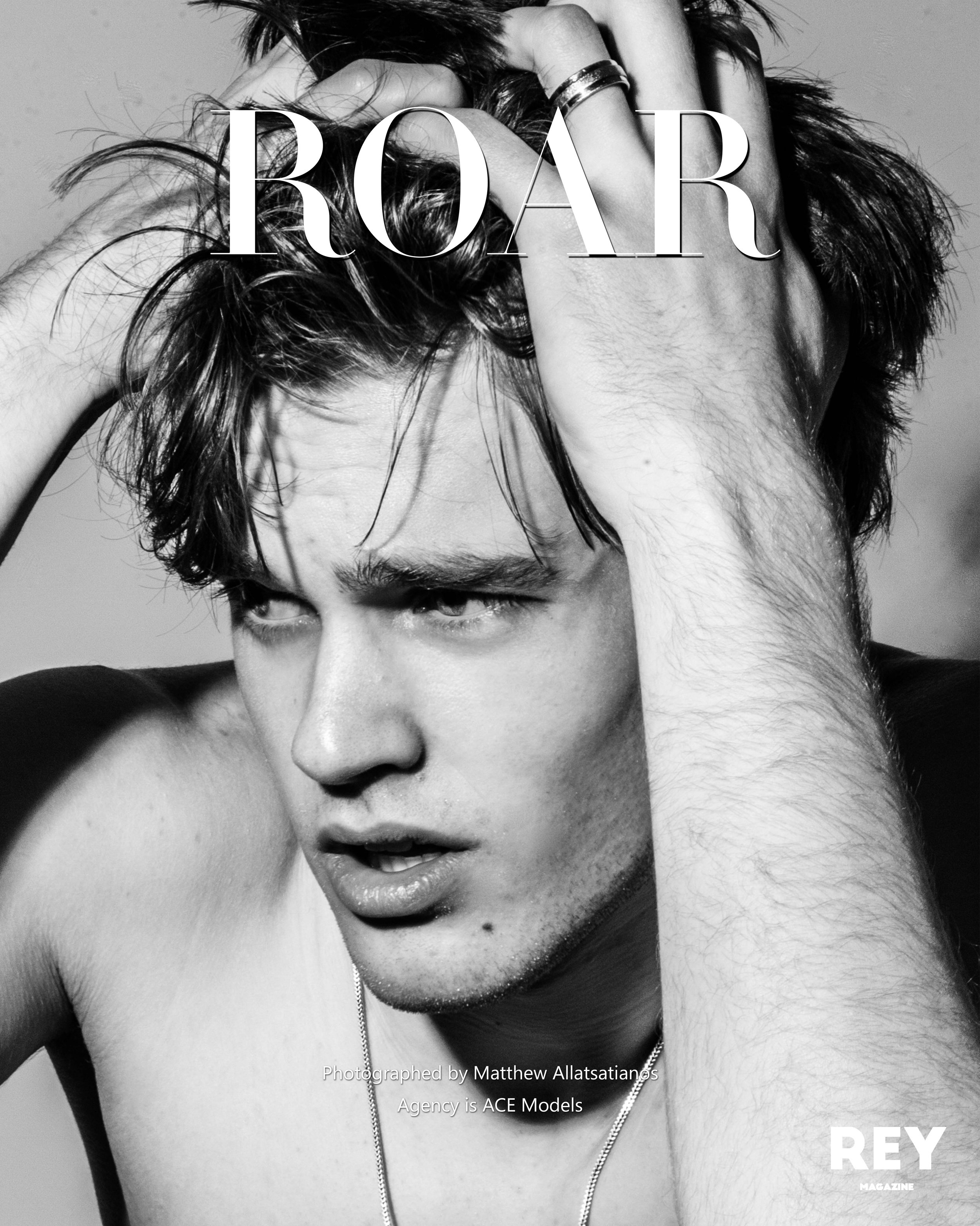
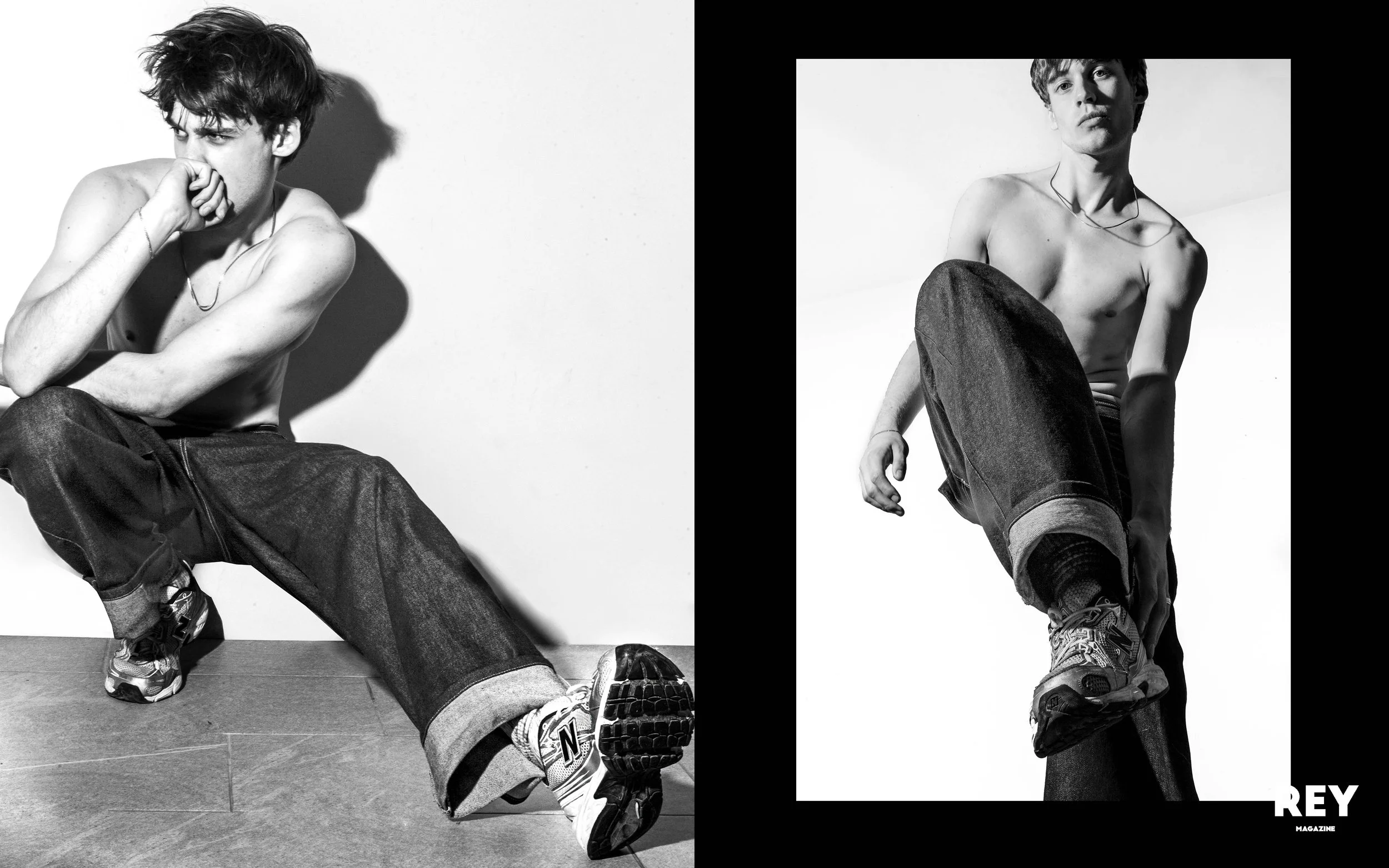
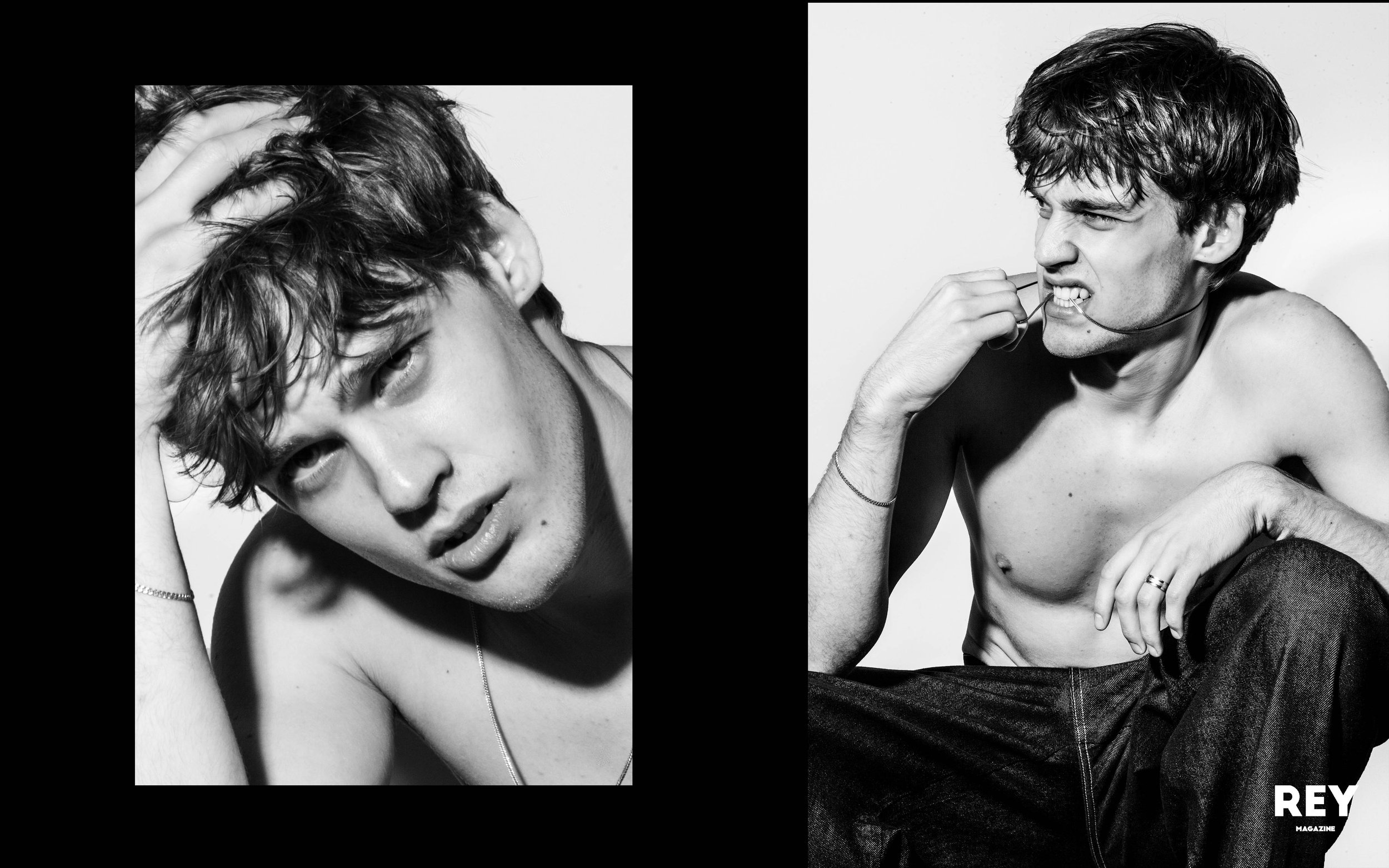
A REY Exclusive Portrait Series produced in Athens, Greece.
Photographed by Matthew Allatsatianos
Introducing ROAR from ACE Models
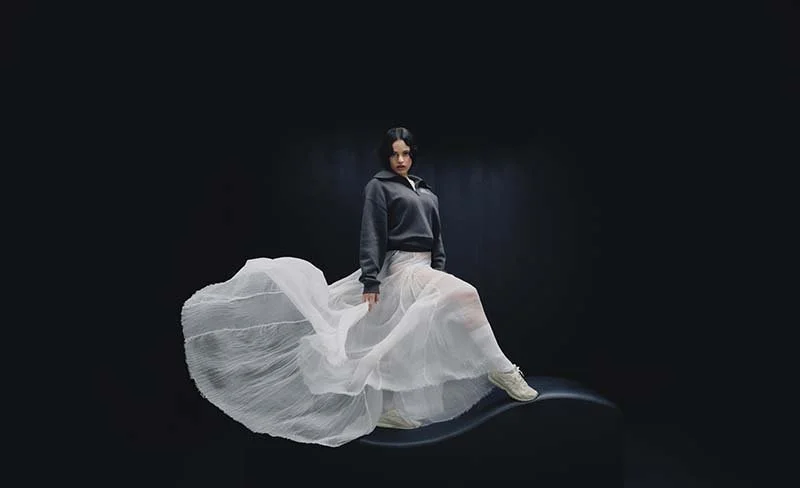
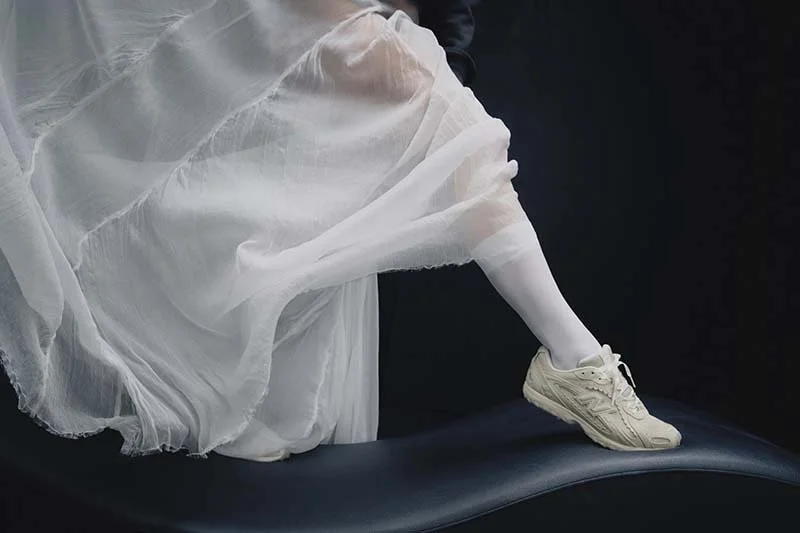
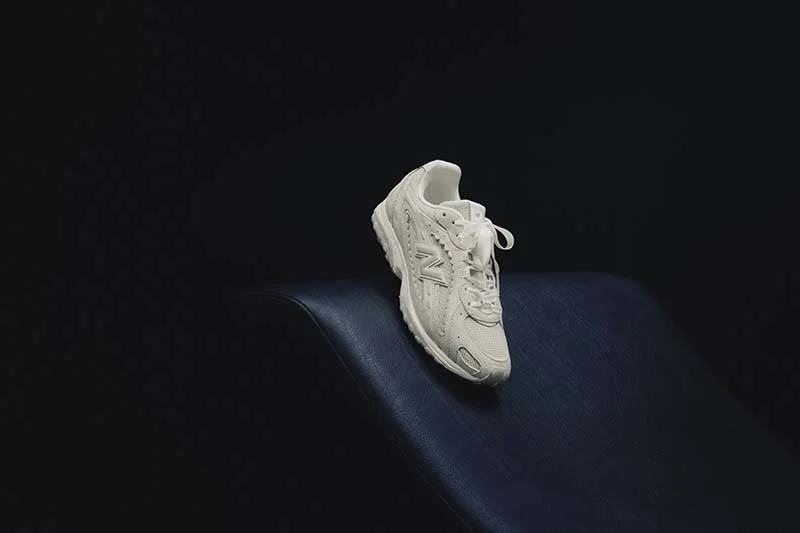
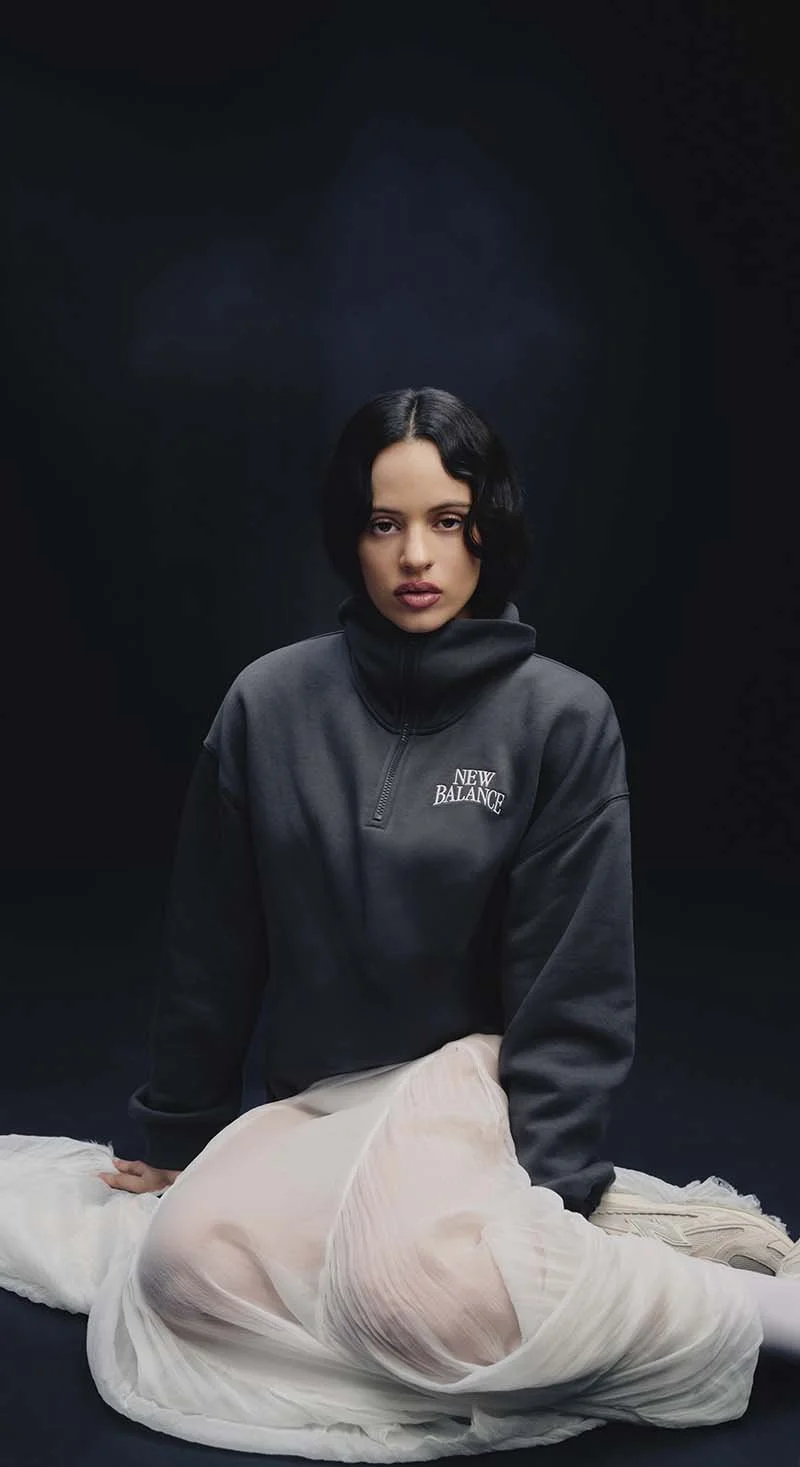
There comes a point in every great sneaker release when the shoe moves beyond product and becomes part of someone’s style — shaping how they dress, move, and carry themselves. With the launch of the 204L, New Balance leans into that idea, tapping Rosalía to bring the moment to life.
The artist, who became a global ambassador for the brand in 2025, returns as the face of the new campaign. Shot by photographer Renell Medrano, the visuals move away from traditional sportswear imagery. Instead, they place the New Balance 204L inside Rosalía’s own aesthetic universe — where fashion, personality, and everyday attitude naturally collide.
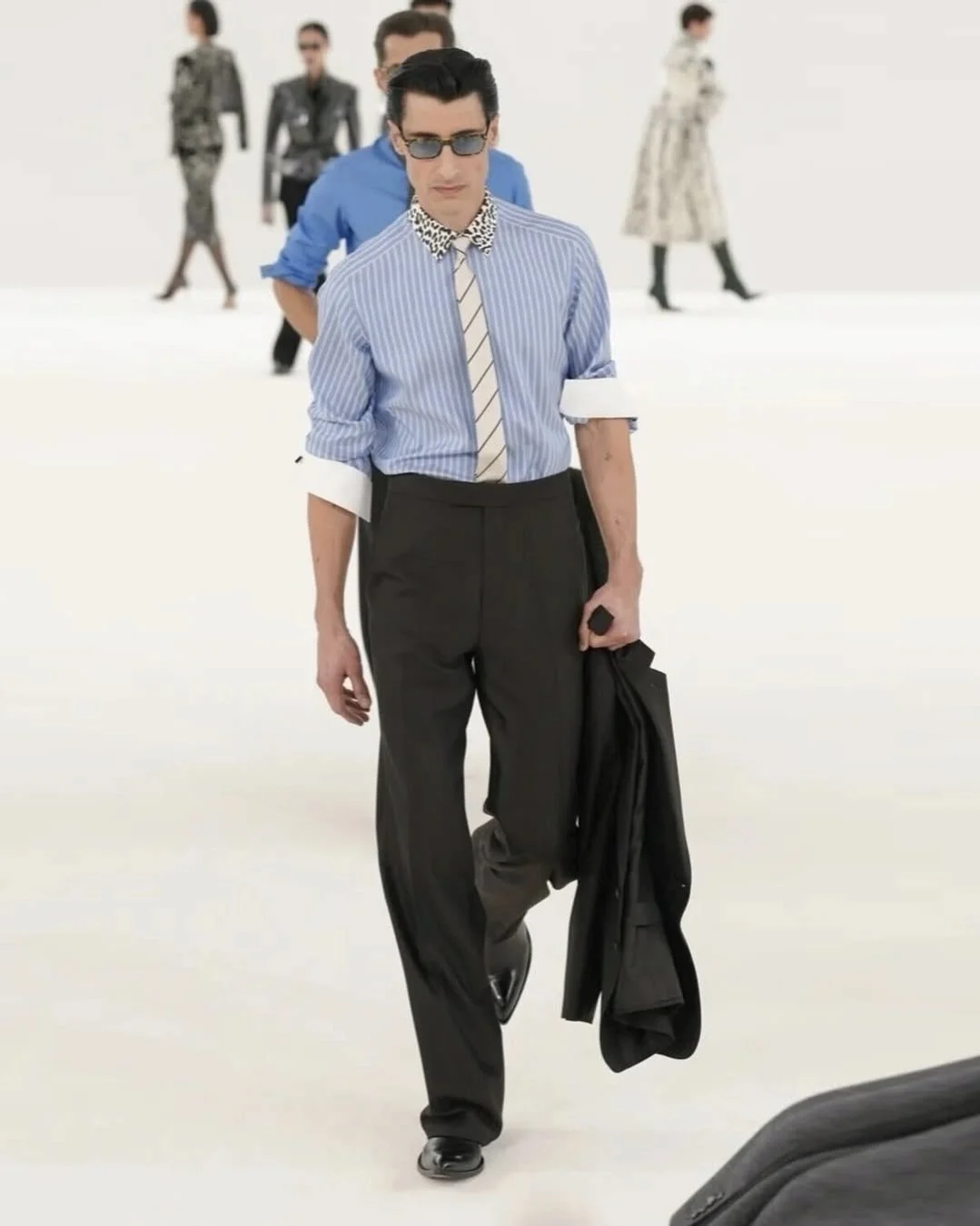
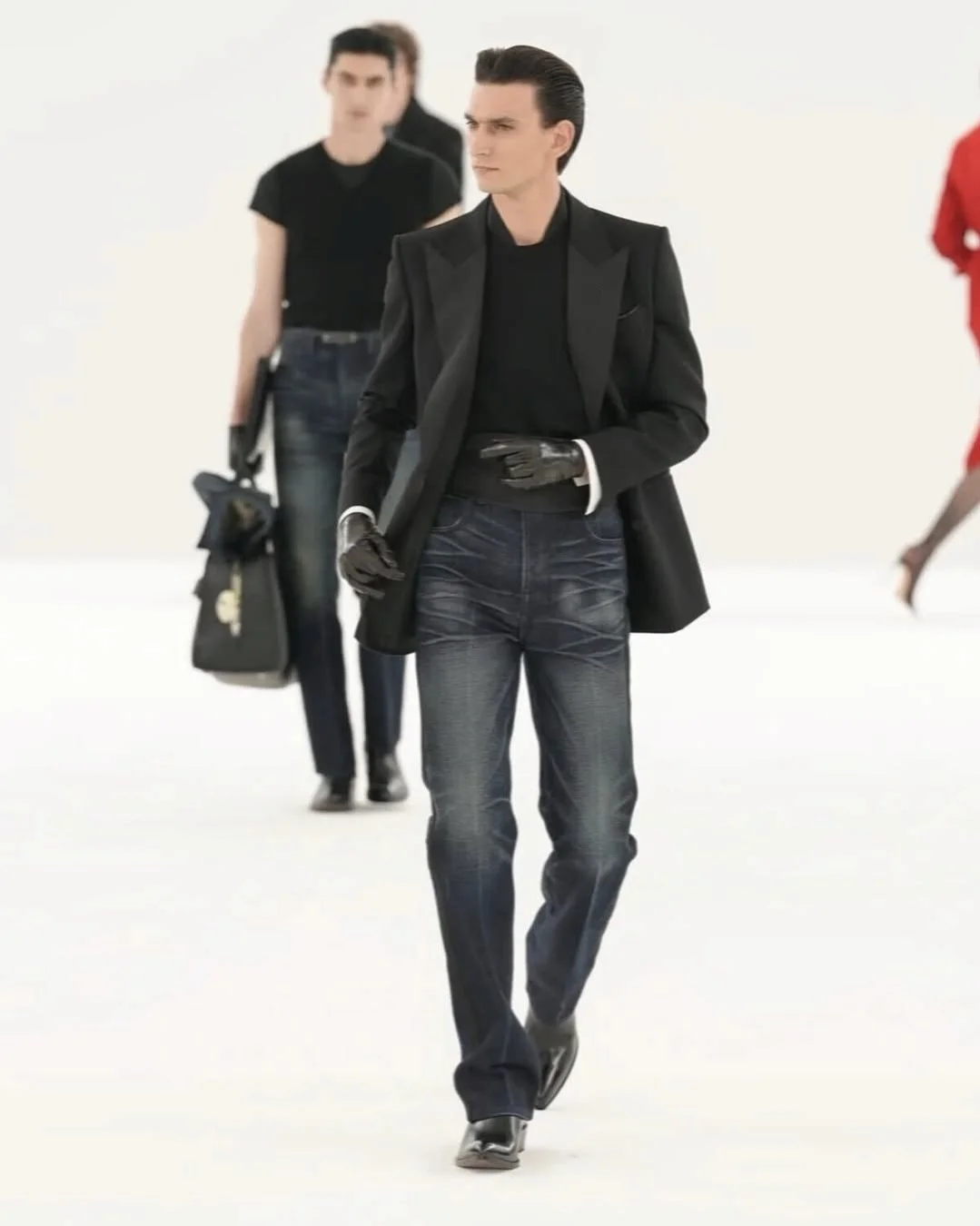
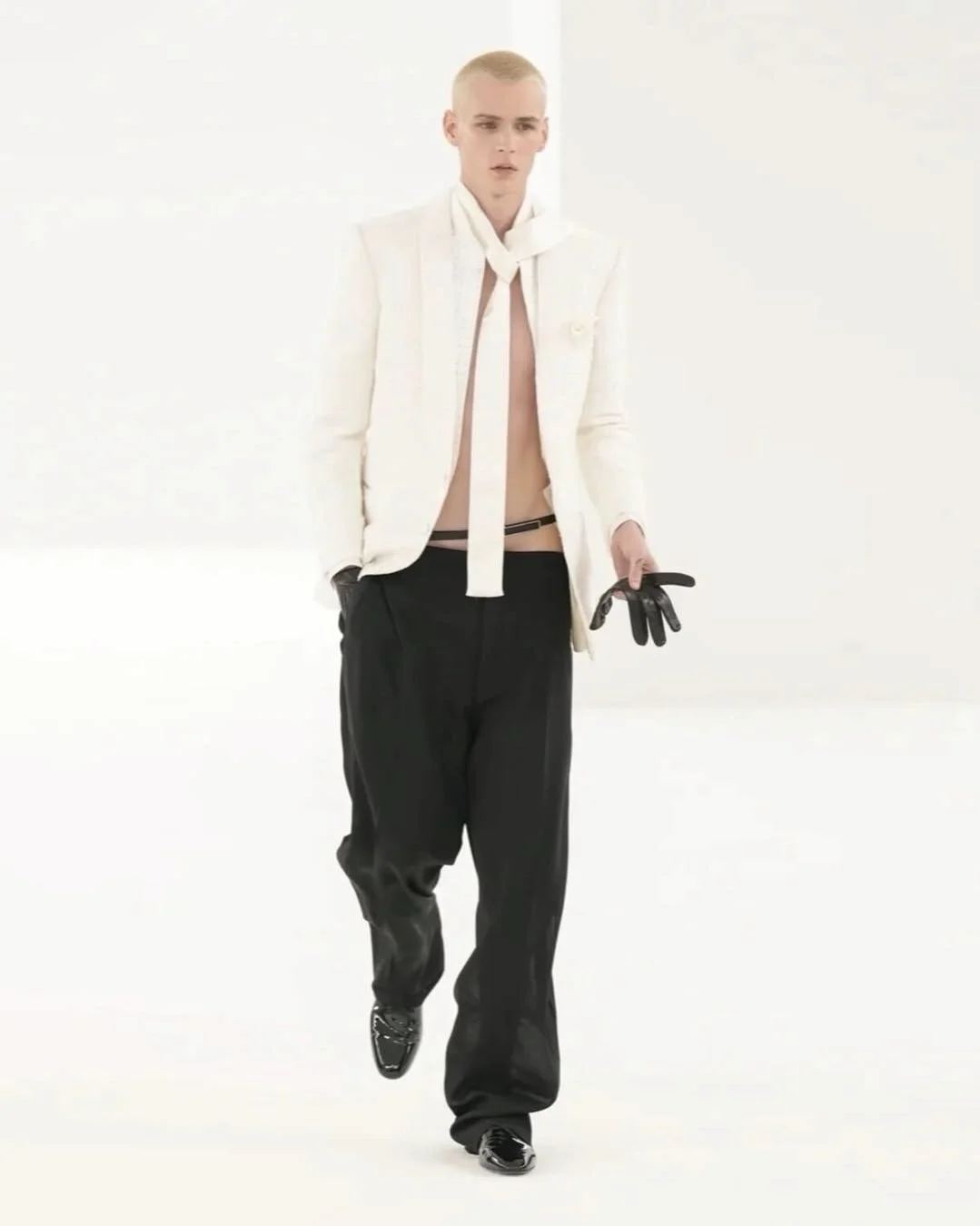
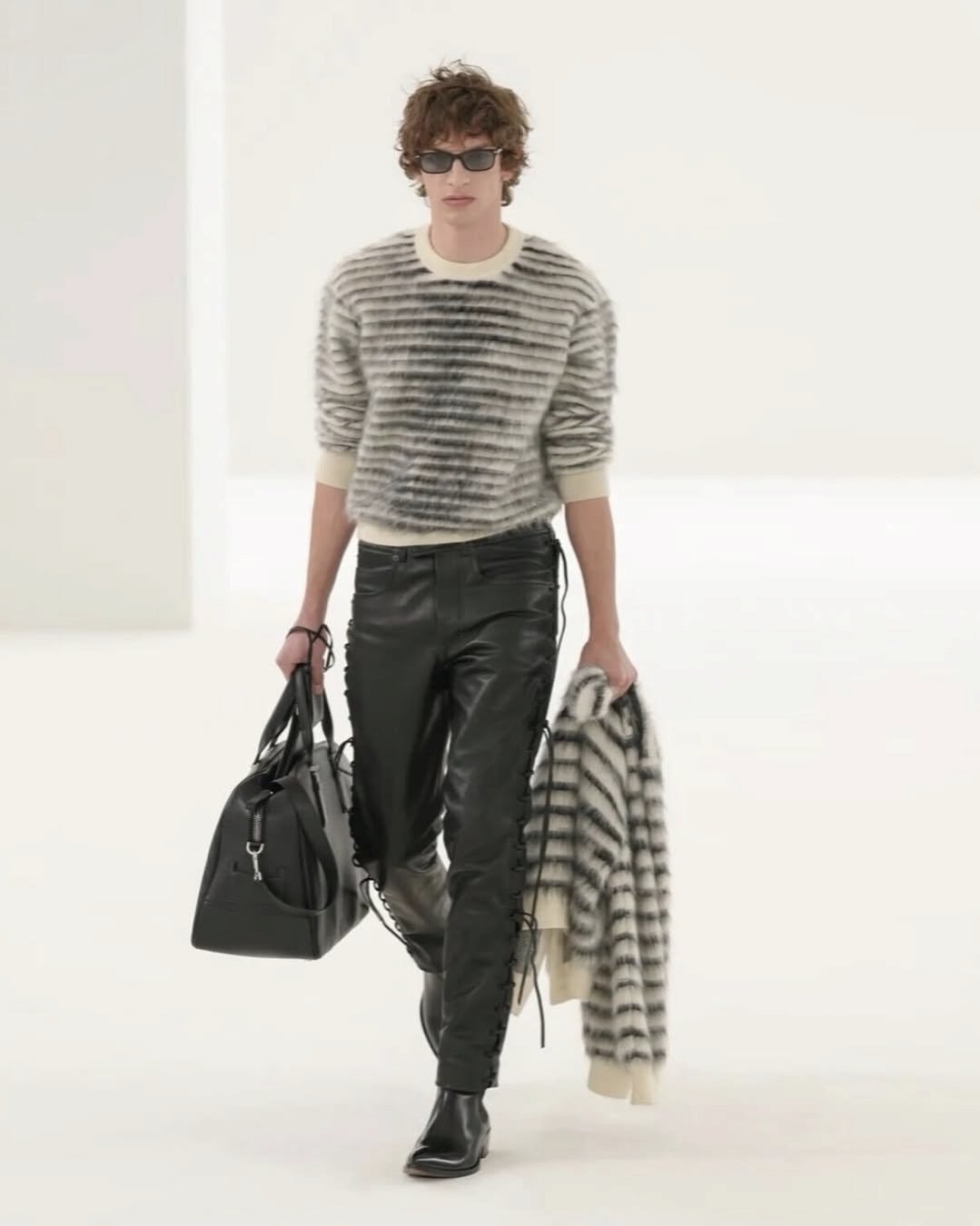
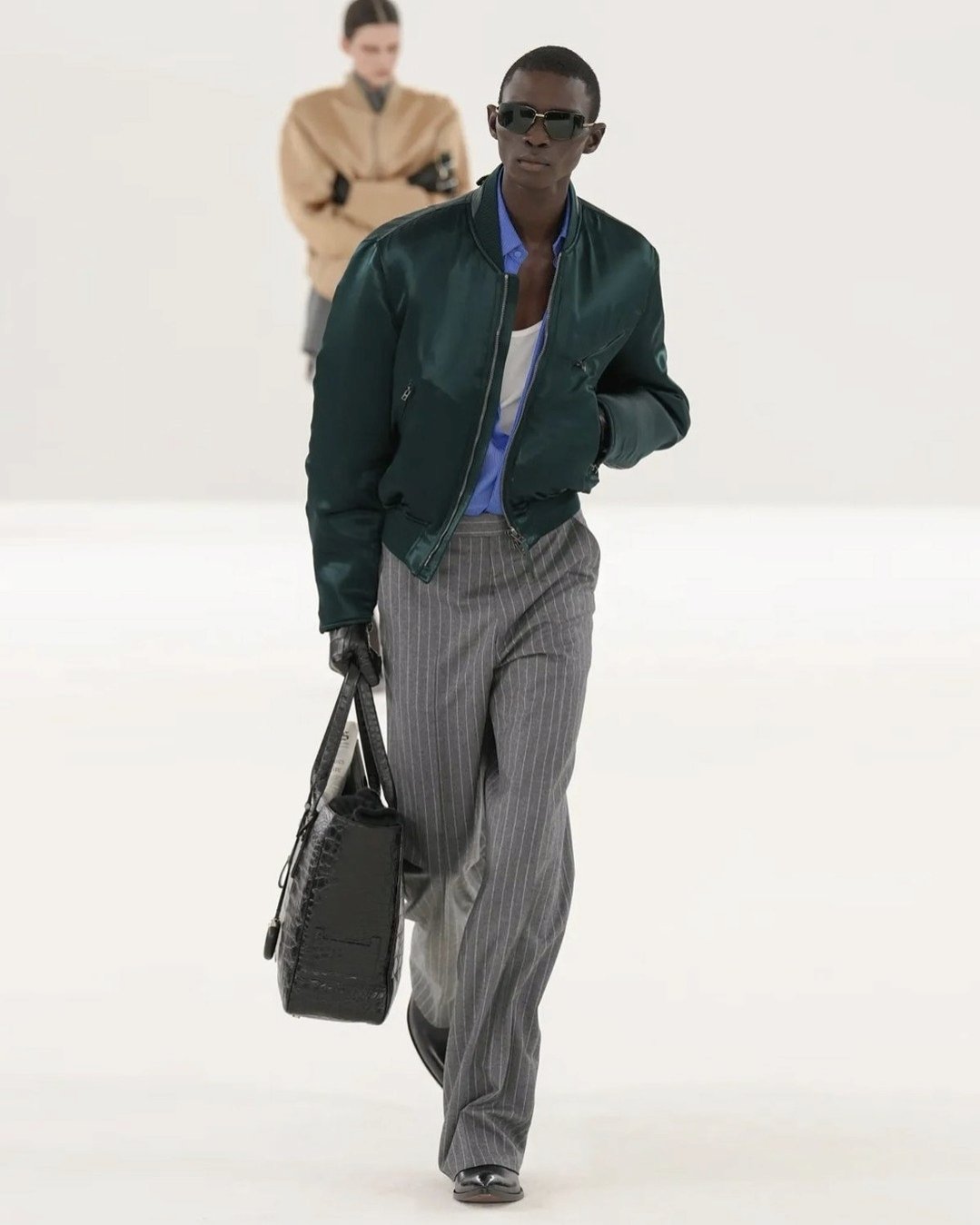
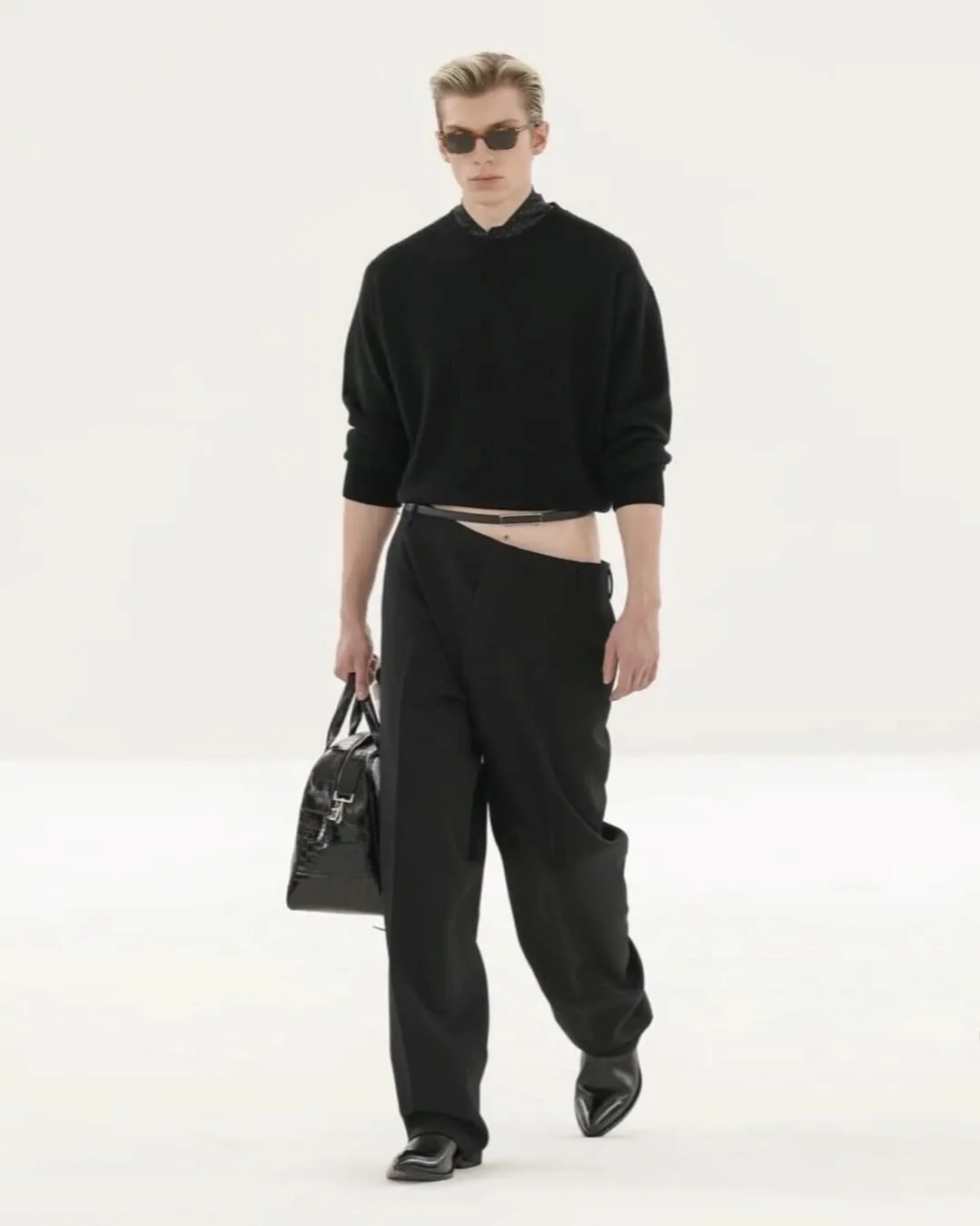
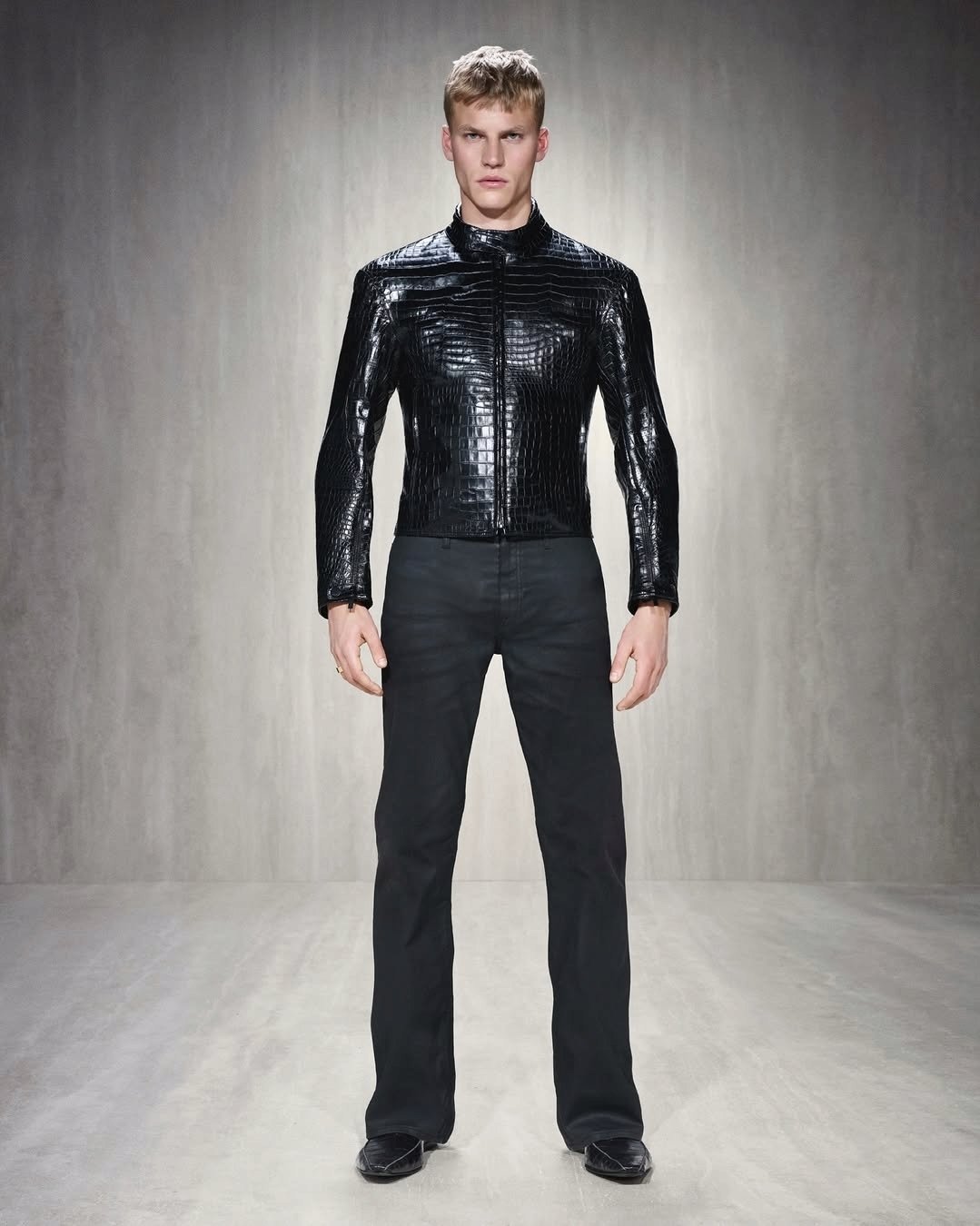
For the Autumn/Winter 2026 season, Haider Ackermann presented his vision for Tom Ford with a sharp sense of tension—balancing polished luxury with something darker, more subversive.
The collection moved effortlessly between two archetypes: the jet-setting rockstar and the eerily precise businessman reminiscent of Patrick Bateman from American Psycho. Ackermann explored this duality through a wardrobe that felt both glamorous and slightly dangerous, where impeccable tailoring met an undercurrent of menace.
Silk bombers paired with tailored grey trousers suggested effortless travel elegance, while striped mohair knits and leather pieces added texture and attitude. Crocodile jackets, lace-up trousers and relaxed denim introduced a raw sensuality, while sharply cut ‘80s-inspired suits and contrast-collar shirts nodded to corporate power dressing with a seductive twist. Eveningwear appeared sleek and deliberate, carrying the unmistakable confidence associated with the house.
Accessories and styling amplified the mood. Many looks were finished with black leather gloves and slicked-back hair, reinforcing the collection’s sleek yet intimidating aesthetic. The effect was cinematic: models looked as though they were heading either to a private airport lounge or somewhere far more clandestine.
Among the standout pieces was a sharply tailored raincoat—an understated yet powerful reminder of the brand’s signature sophistication. In Ackermann’s hands, it became part of a wardrobe designed for nights that blur the line between elegance and intrigue.
With this collection, Ackermann proved that the seductive spirit of Tom Ford remains alive, even as it evolves. The result was a show where sexuality was anything but subtle—confident, polished, and just dangerous enough to keep things interesting.
Check out below our favourite looks:
170 years is a rare milestone in fashion — an industry where even the most established houses can struggle to keep pace with change. Yet Burberry continues to evolve while remaining firmly rooted in its identity.
Founded in 1856 by Thomas Burberry, the British label built its reputation on innovation and practicality. Central to that legacy is the trench coat, originally developed in the late 19th century as a weather-resistant garment designed for protection and mobility. Over time, it has become one of fashion’s most recognizable pieces — balancing function with timeless elegance.
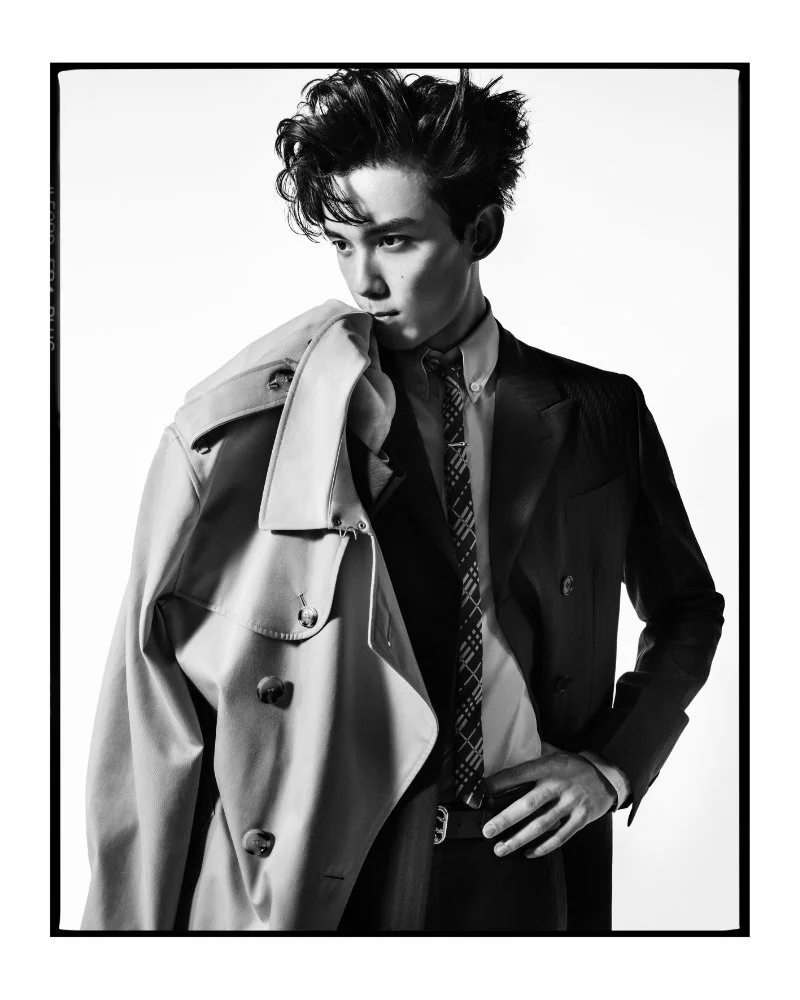
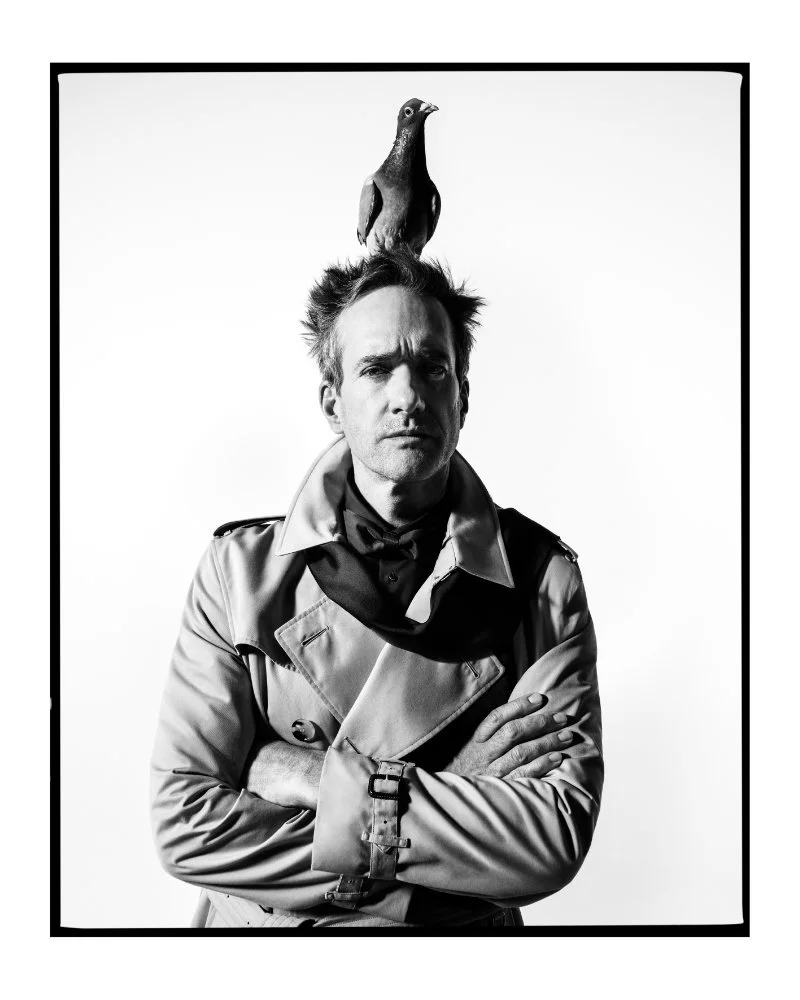
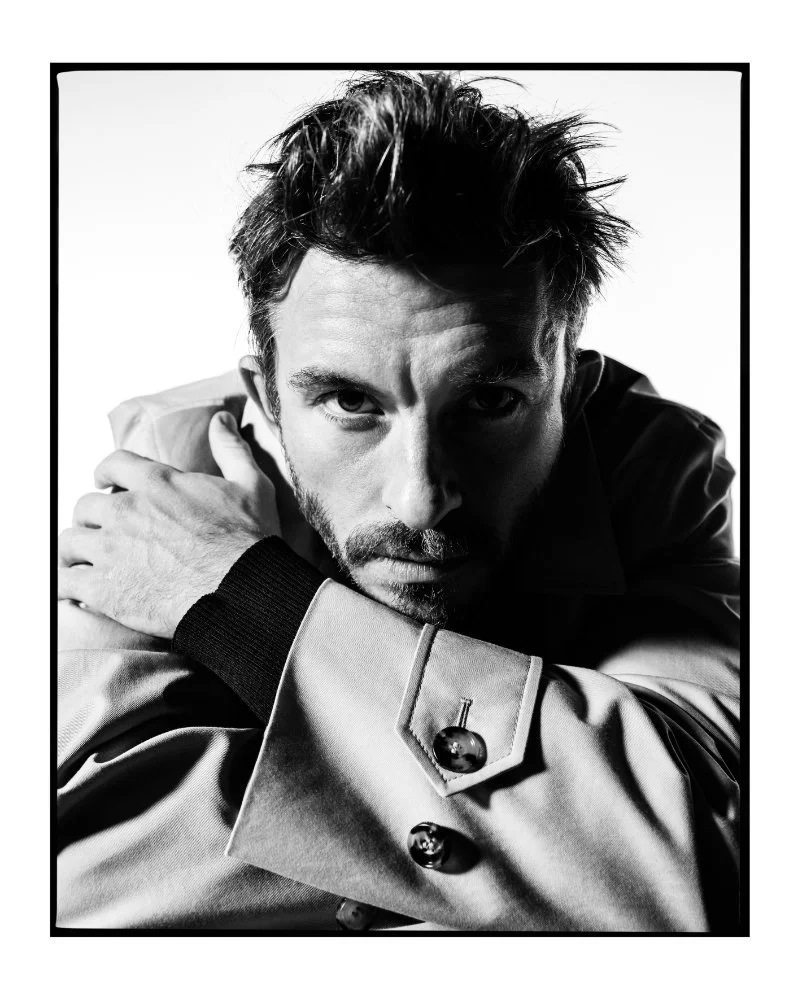
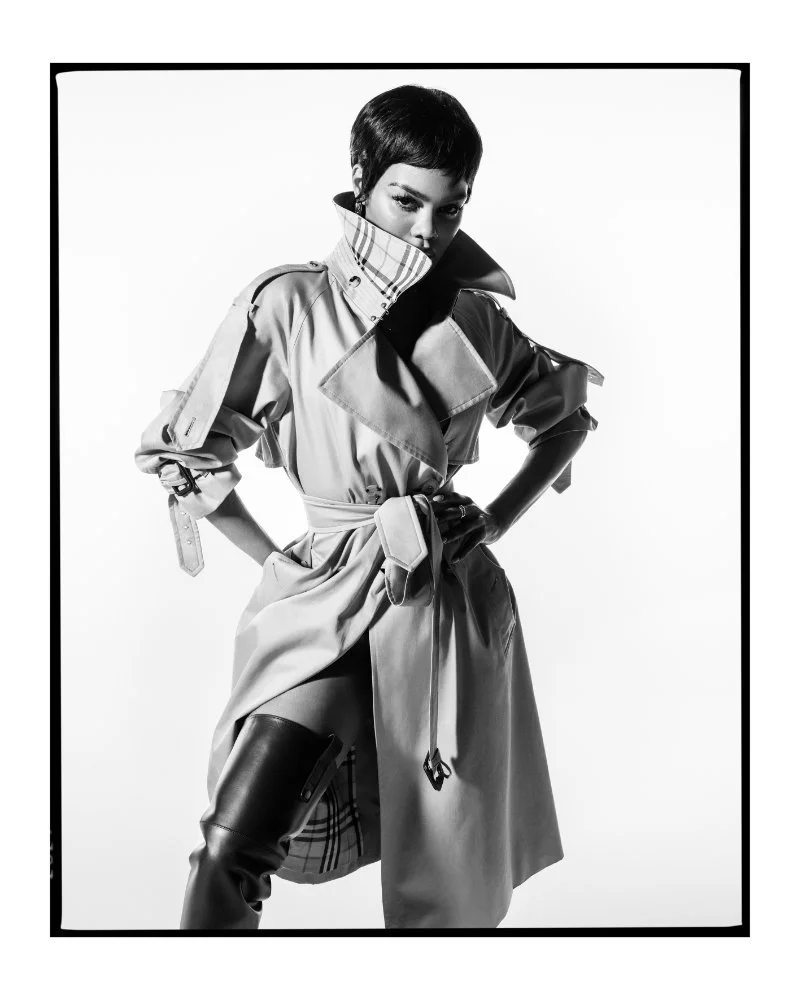
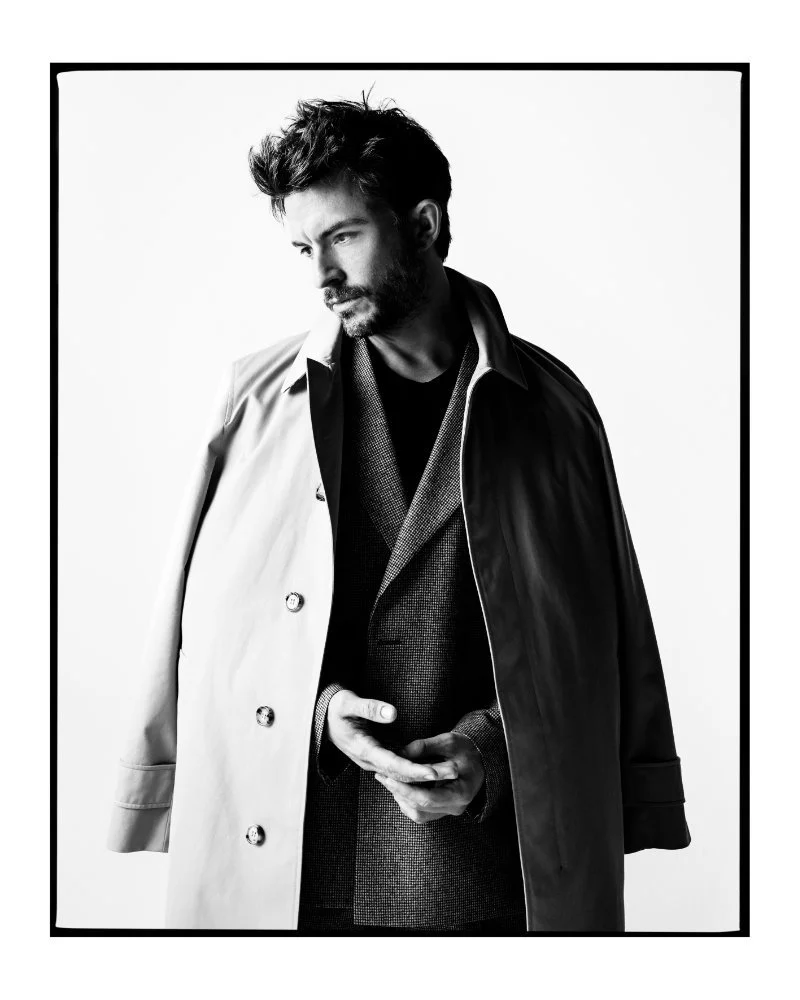
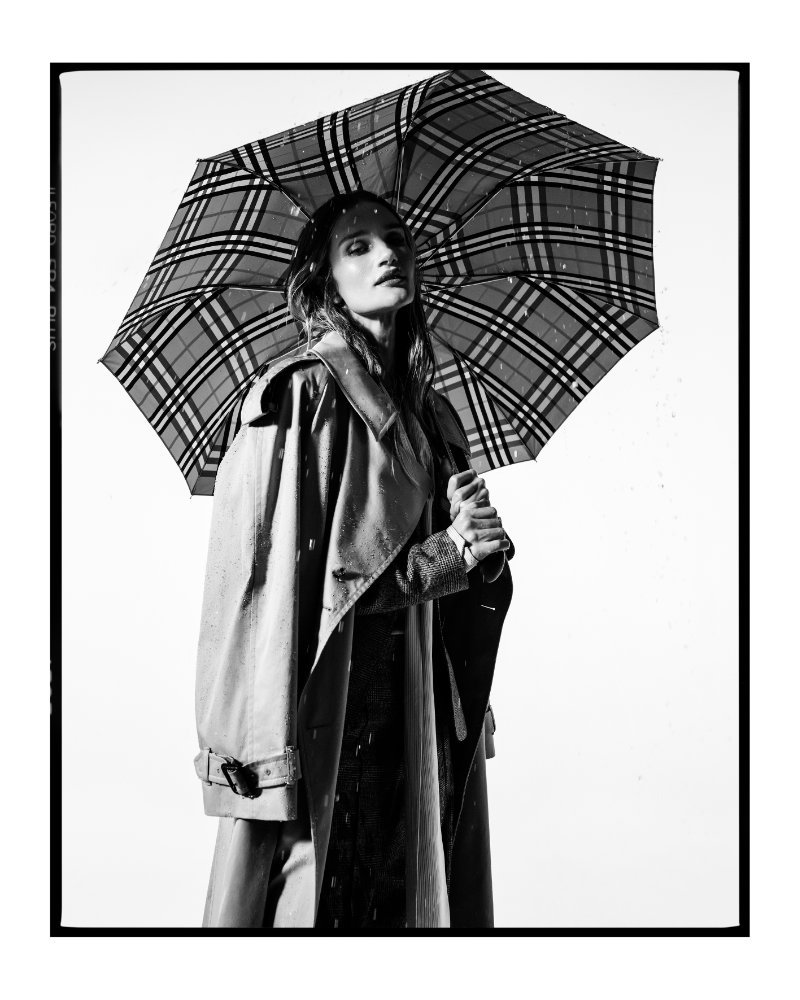
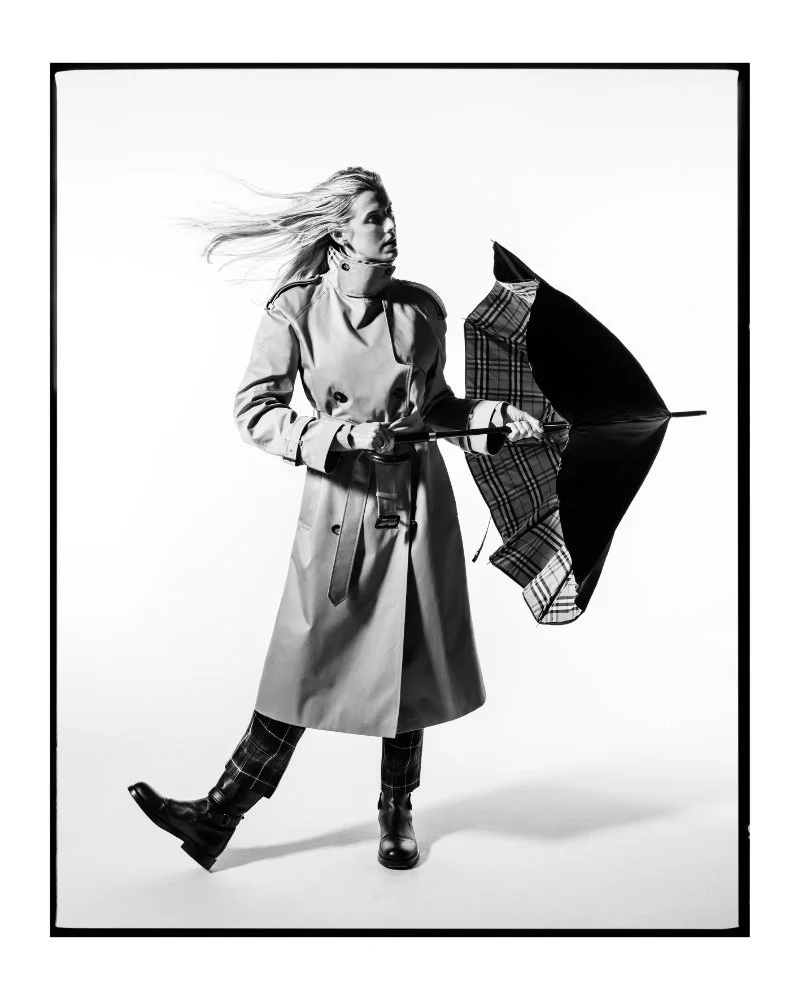
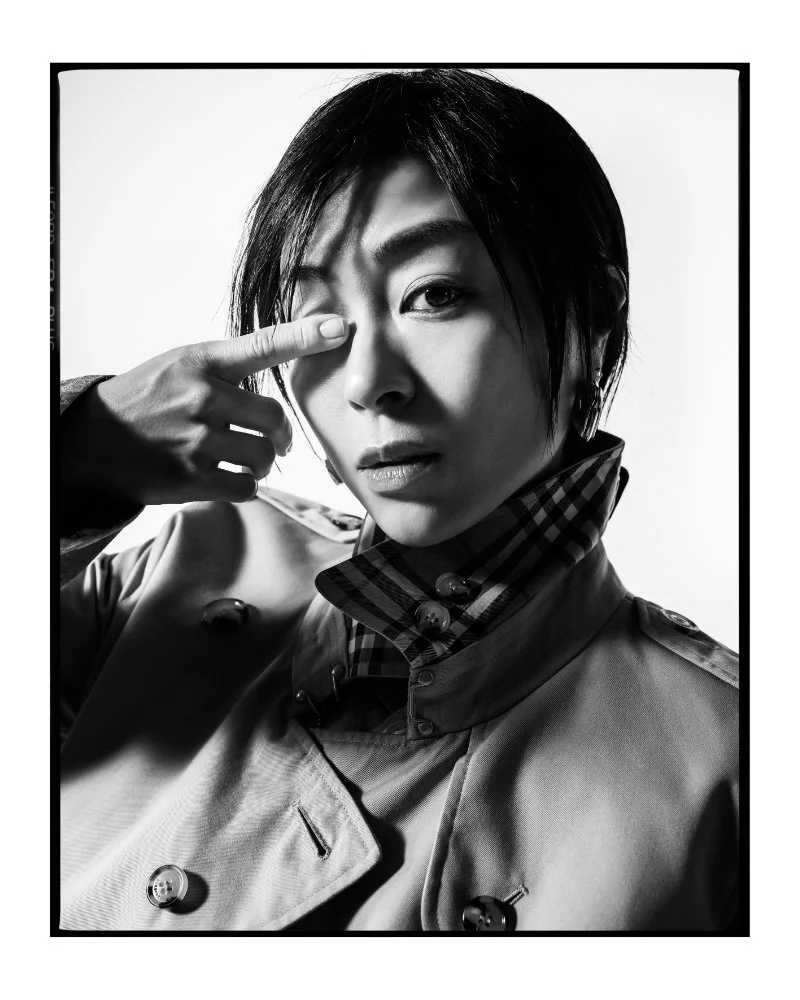
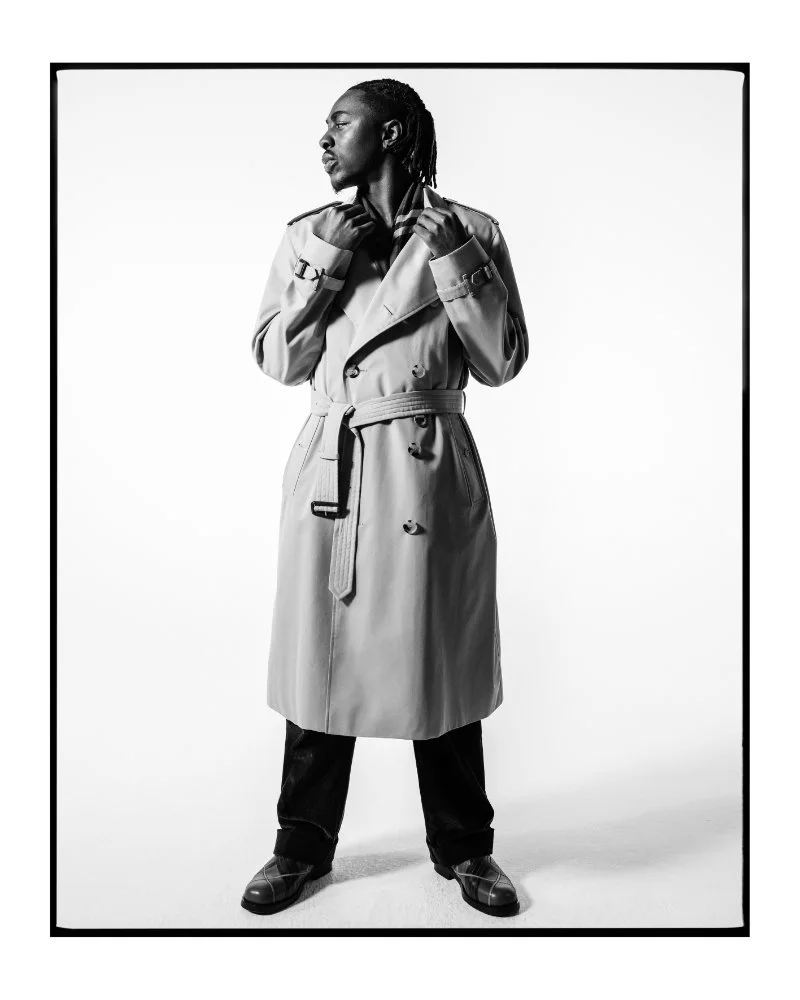
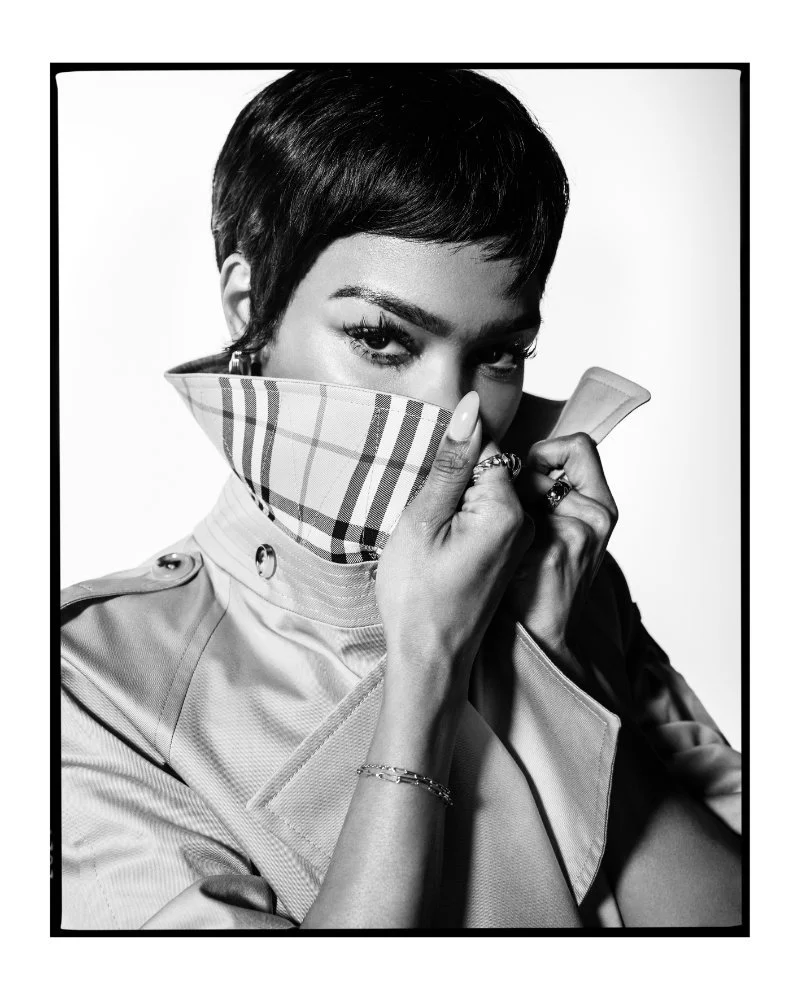
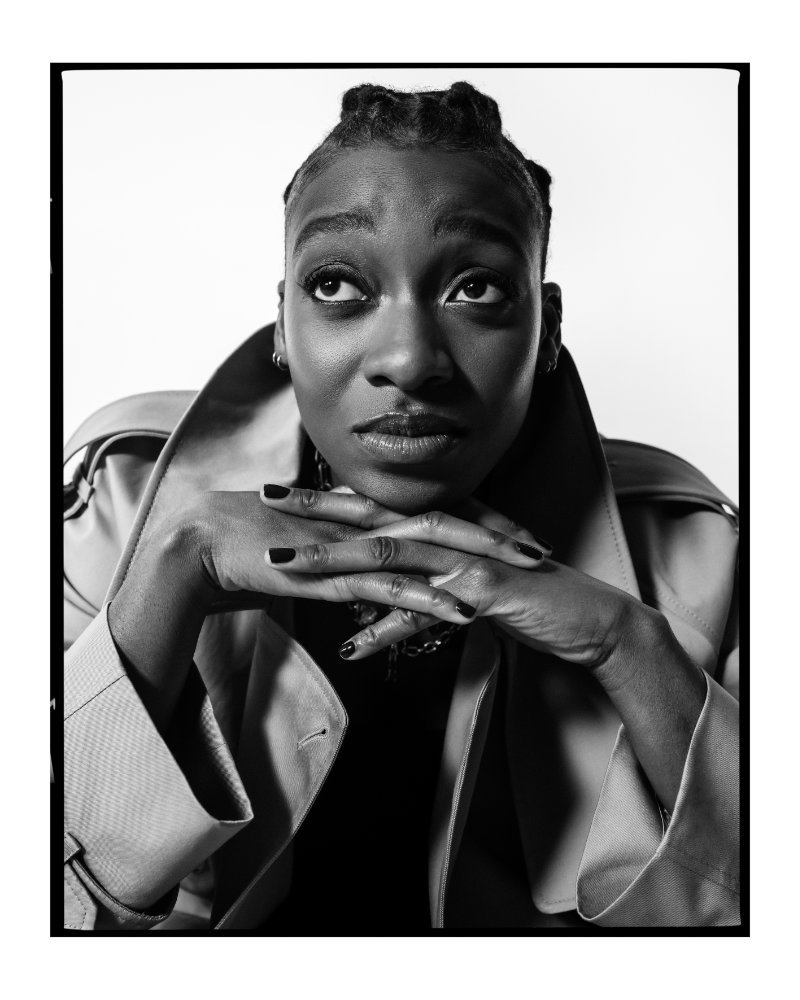
To celebrate its 170th anniversary, Burberry presents The Trench: Portraits of an Icon, a campaign photographed by Tim Walker. The series features 23 cultural figures captured in striking black-and-white portraits, where subtle gestures — a raised collar or loosely tied belt — highlight the effortless attitude the coat brings to its wearer.
Among the participants are Kate Moss, Jonathan Bailey, Kendall Jenner, Kid Cudi, and Teyana Taylor, forming a cross-generational portrait of contemporary culture.
Accompanied by a short film set to music by Blur, the project captures candid moments between cast and crew, celebrating creativity, individuality, and the enduring relevance of the trench — a symbol that continues to define Burberry more than a century later.
Ann Demeulemeester has unveiled a new Milan address at Via Monte Napoleone 22, placing the brand at the center of the city’s luxury quarter. Housed in a former refectory, the boutique becomes the label’s second mono-brand store worldwide, after Antwerp.
Conceived under the direction of creative director Stefano Gallici, the 214-square-meter space unfolds across two levels connected by a staircase, with a private VIP room upstairs. Stripped-back walls, raw plaster, oxidized zinc, and black Italian herringbone wood define a restrained palette of black, white, and grey. The ceiling echoes the geometry of the floor, creating a subtle architectural rhythm.
Custom furnishings reinterpret historical forms with contemporary proportions, balancing weight and emptiness. Black linen seating and soft drapery temper the austerity, while large white canvases frame the collections in quiet focus. The opening coincides with an exclusive preview of Spring/Summer 2026 — Gallici’s latest vision for the house.
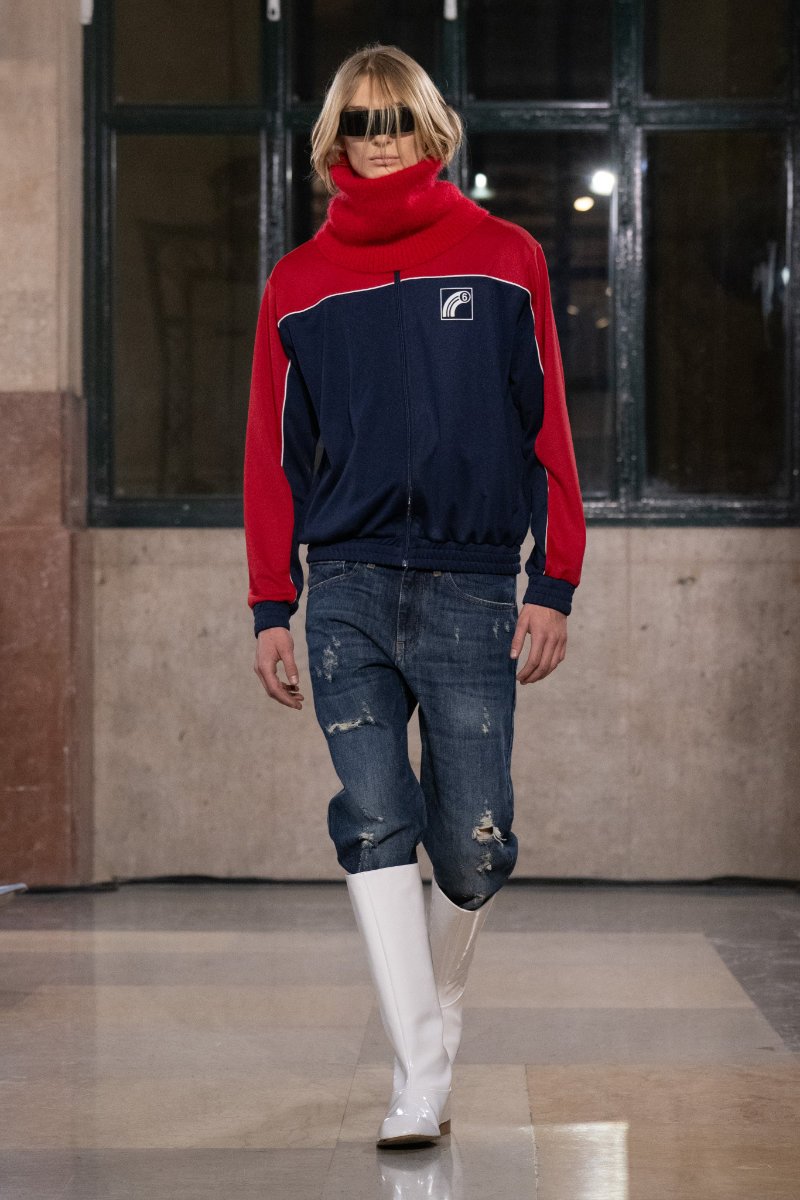
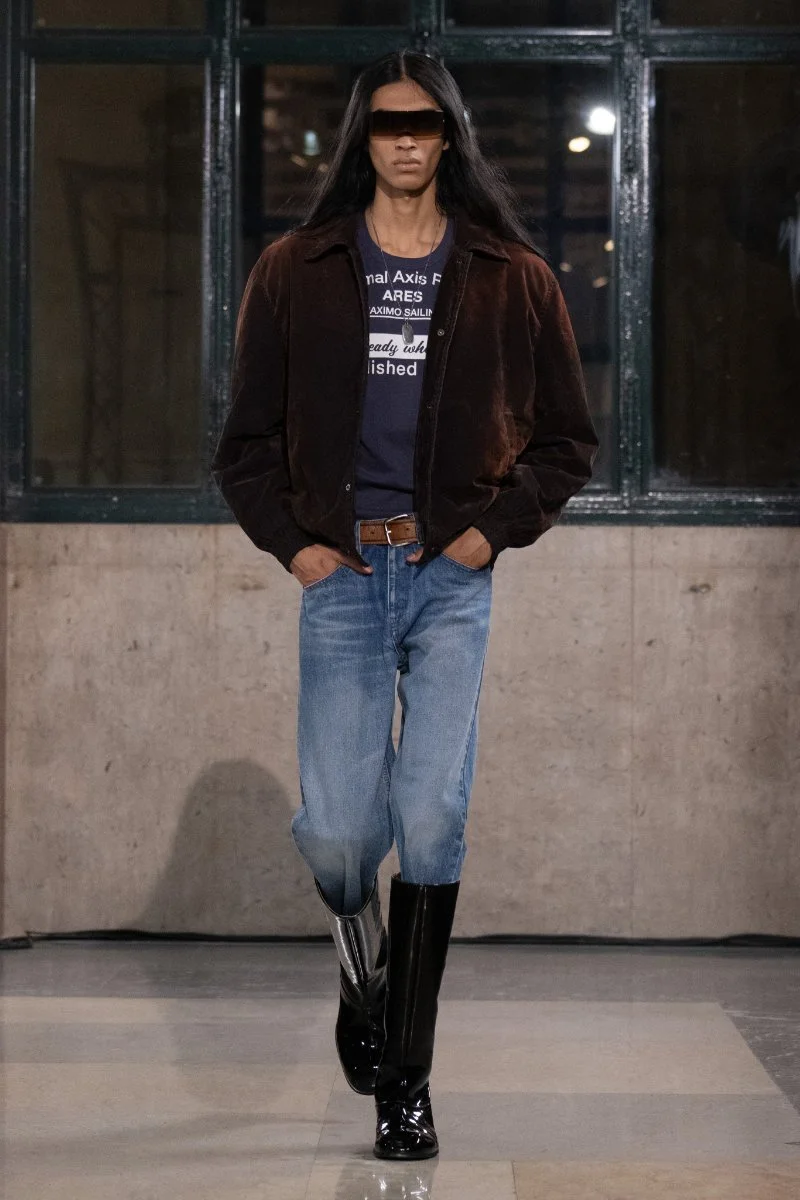
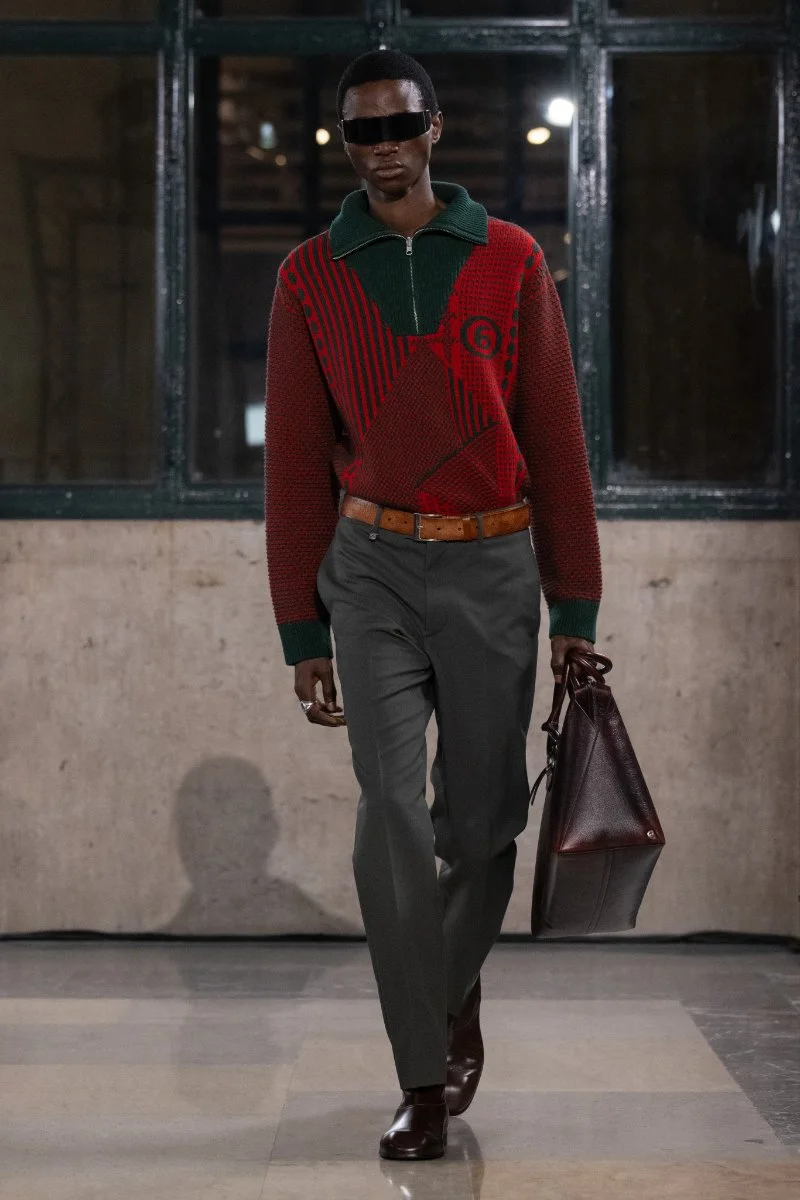
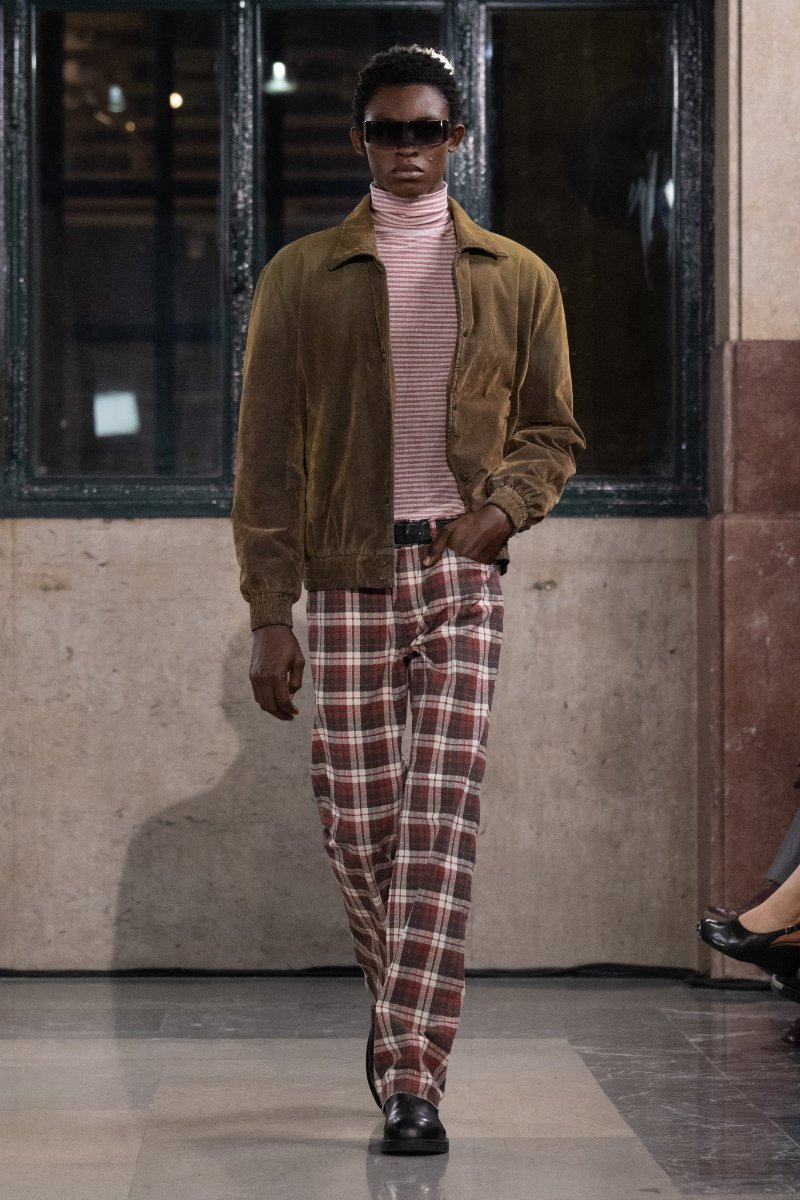
MM6 Maison Margiela staged its Fall/Winter 2026 show inside Milano Centrale, a setting defined by transit and impermanence. It was a space made for departures and arrivals — and the collection leaned into that tension.
The presentation openly embraced its own artifice: a runway framed as everyday life. Commuters drifted through the scene. Some dressed to disappear into the crowd, others styled for attention. Each figure felt familiar yet heightened — characters drawn from reality, sharpened into fashion archetypes. In this in-between place, anonymity and visibility collided, turning the ordinary rhythm of movement into performance.
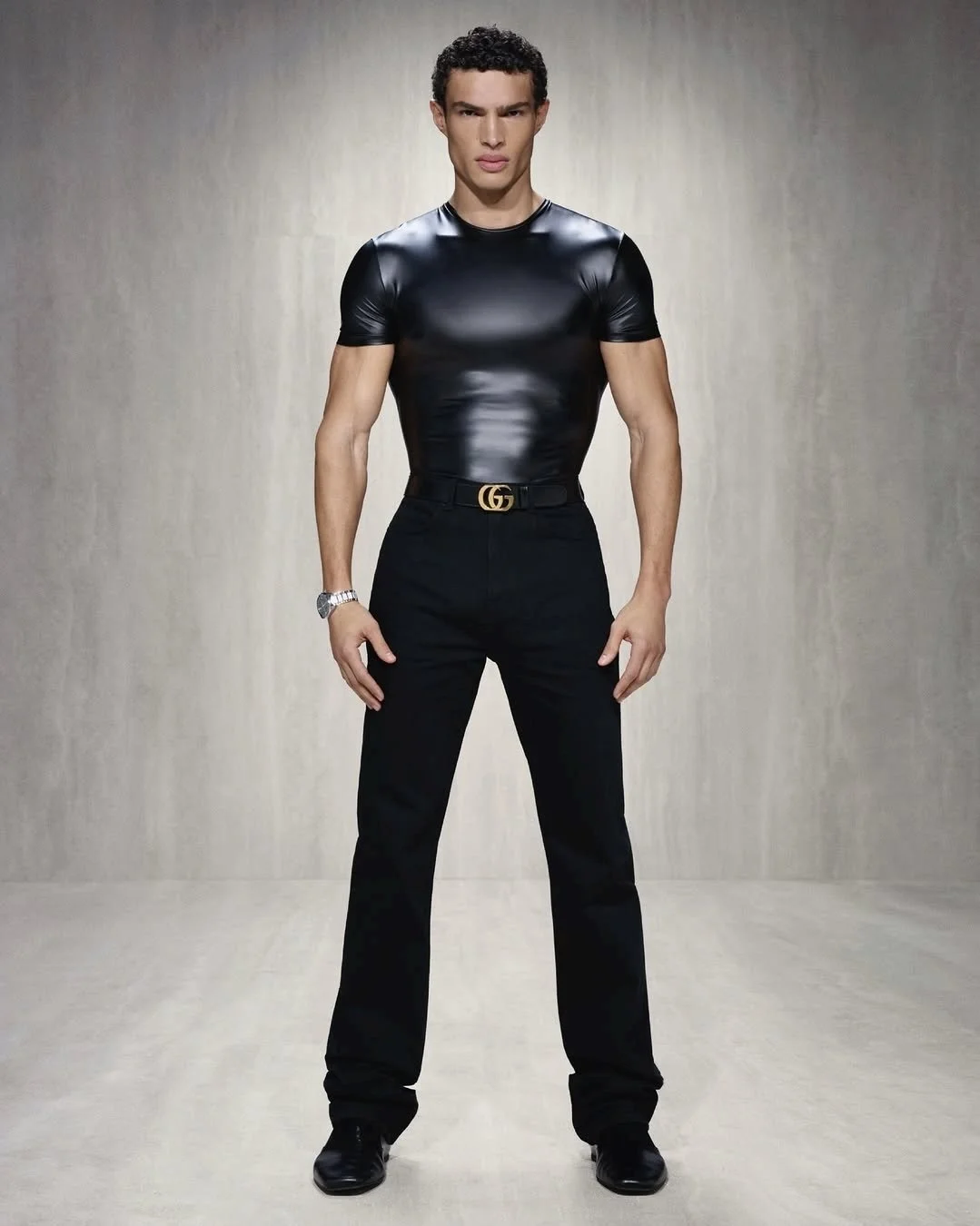
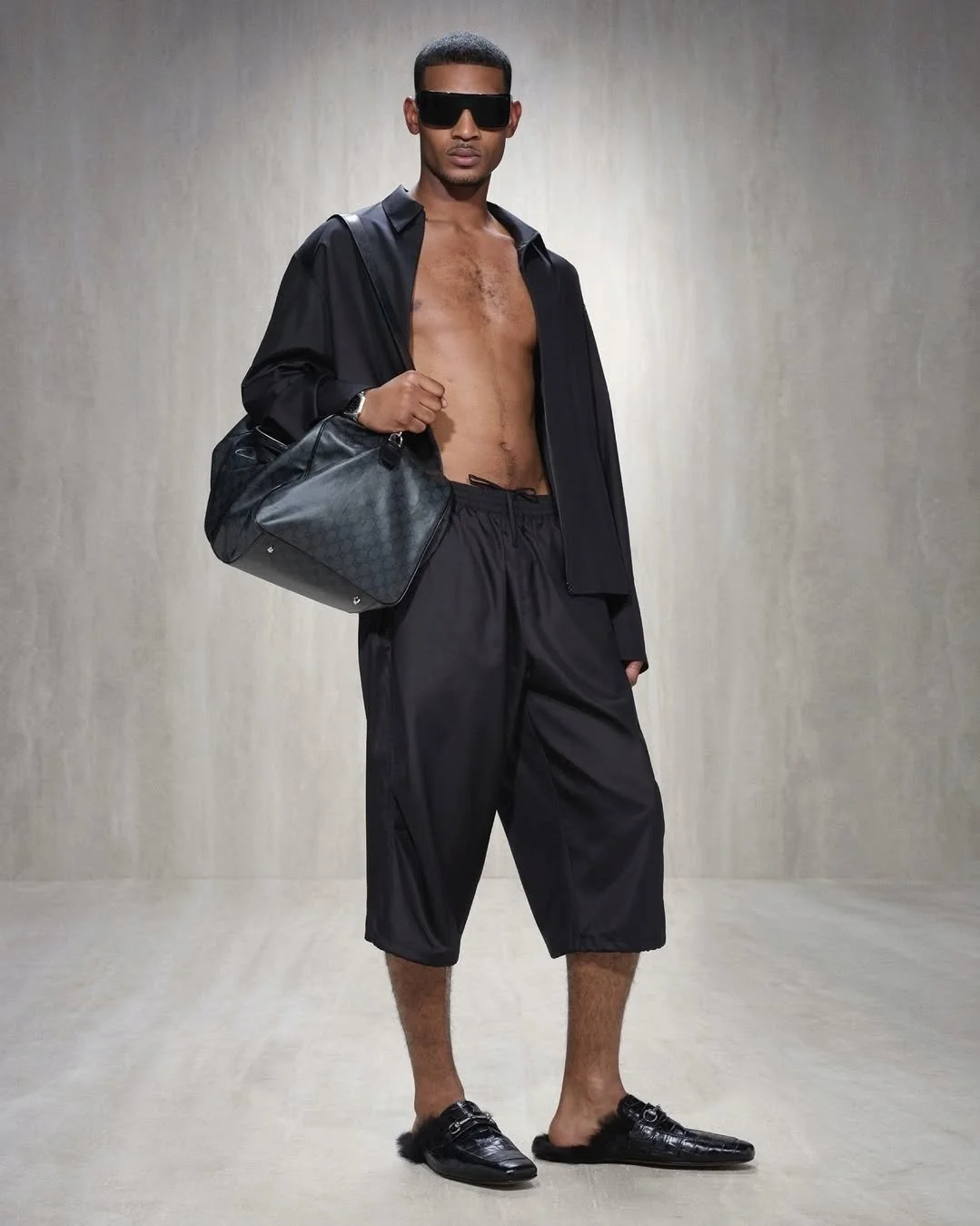
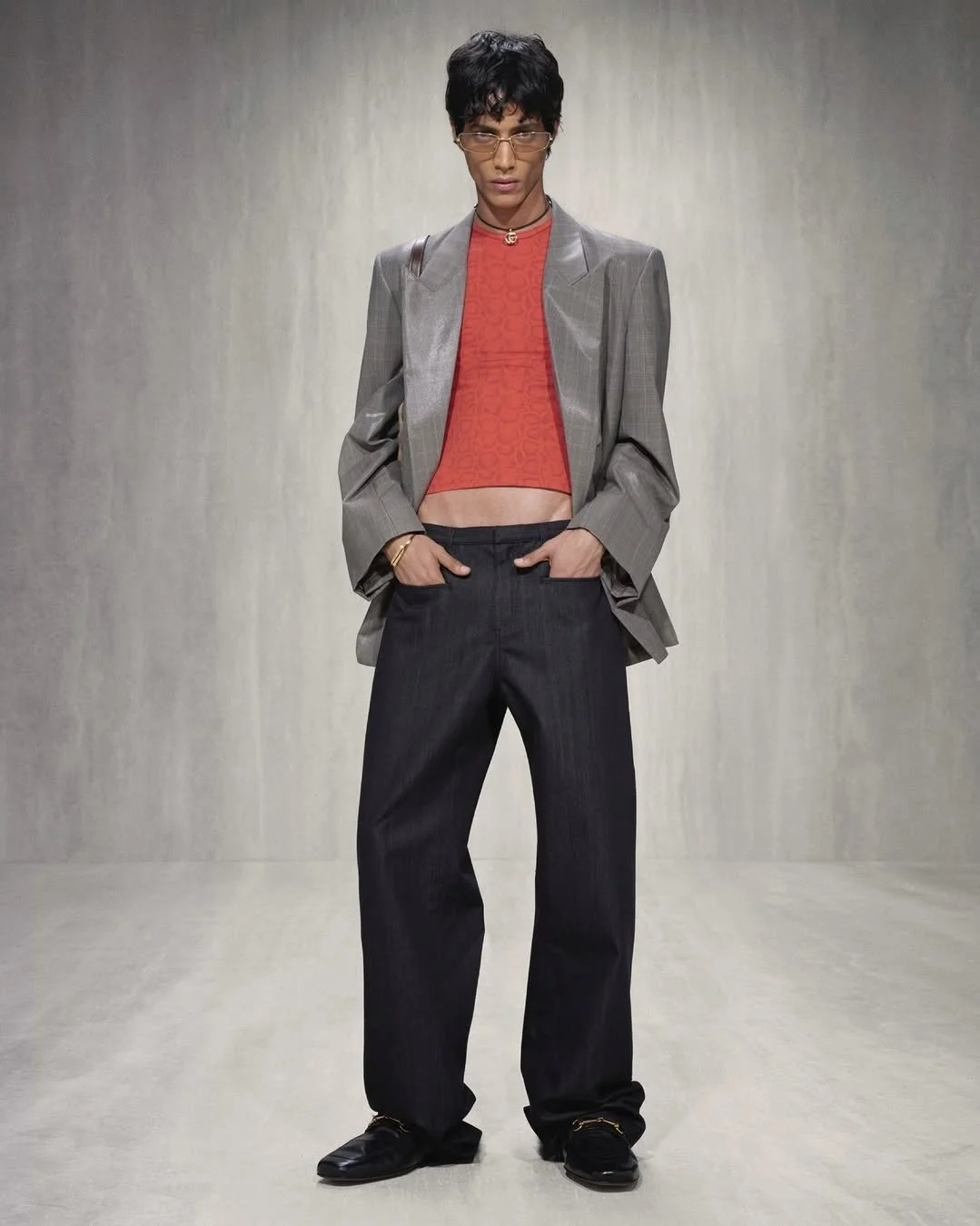
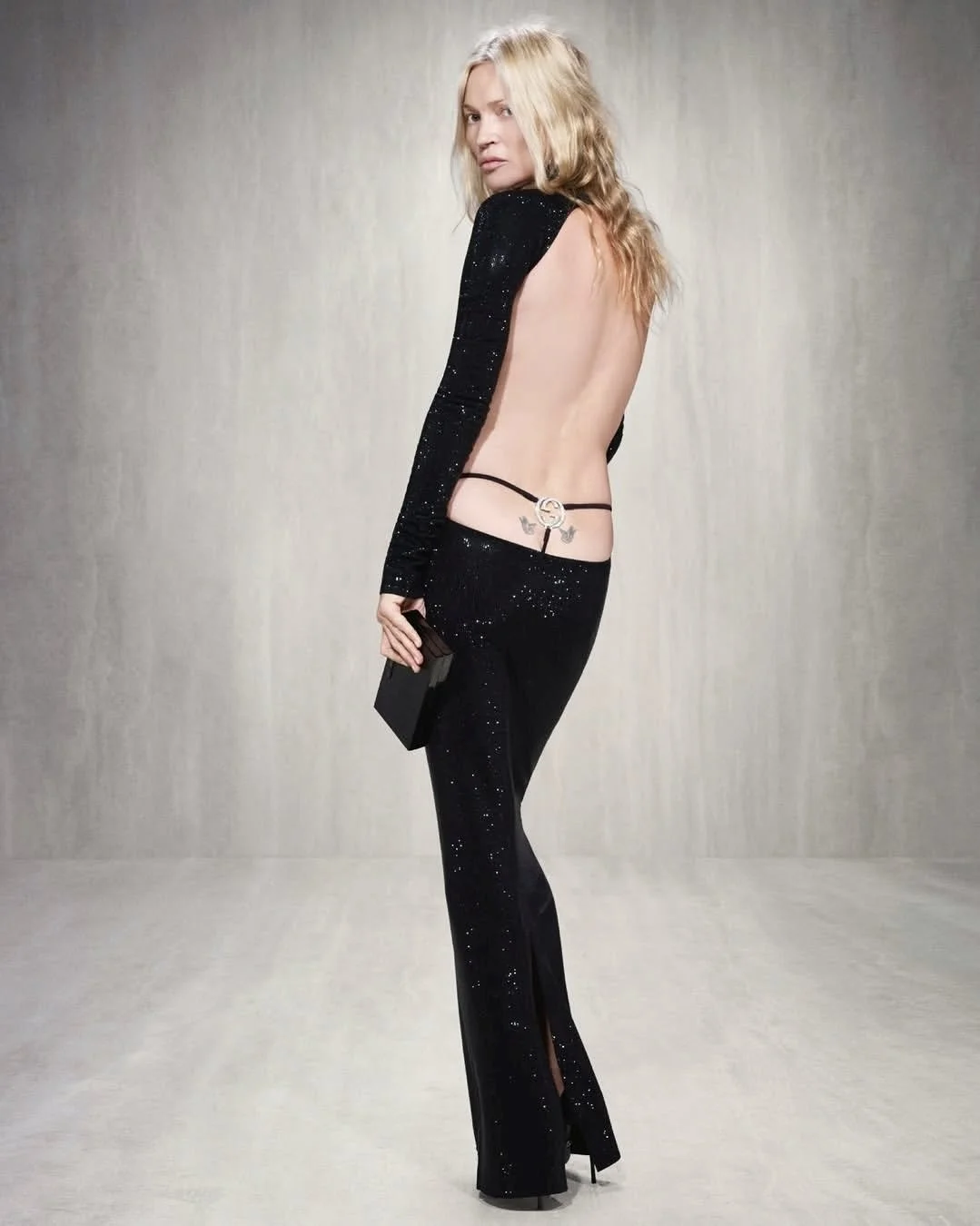
Milan Fashion Week has seen its share of entrances, exits, and expectations. But when Demna takes the reins of a house like Gucci, the industry holds its breath. The Georgian designer, known for redefining luxury through the lens of the everyday, has spent years building a world where a hoodie can carry as much weight as a gown. So what happens when that sensibility meets the marble halls of Italian heritage?
The answer, unveiled in a monumental, museum-like space surrounded by classical statuary, is less a revolution than a recalibration. Demna calls it Primavera, a palette of stylistic propositions for the people Gucci already speaks to, and those he hopes it will speak to next. It is a collection built on pragmatism, on clothes that require no pseudo-intellectual justification. They simply exist to be worn, to be enjoyed.
The clothes are about product. That is what Gvasalia keeps coming back to. Silhouettes, textures, materials. Lightness, ease, comfort. Body-aware shapes. There are seamless garments cut as close to the body as possible. Invisible heat-sealed edges. Engineered curved hems. Jackets appear multiple times. Low-cut jackets and horizontal pockets give things a streetwear posture. New shapes appear. Tracksuits merge into new forms. Leggings fuse with trousers. Jackets and tops become one ultra-fitted piece.
Footwear anchors the collection in the everyday. Manhattan, Demna’s first sneaker for Gucci, combines an ultra-minimal basketball shape with the slip-on ease of a mocassino. The Giovanni and Cupertino loafers erase the stiffness of traditional leather shoes, softening them into something that moves with you rather than against you.
Throughout the presentation, the soundtrack (five distinct genres curated by Loki) mirrors the collection’s juxtapositions. It is classical and contemporary, chaotic and cohesive, much like the mix of archetypes on the runway.
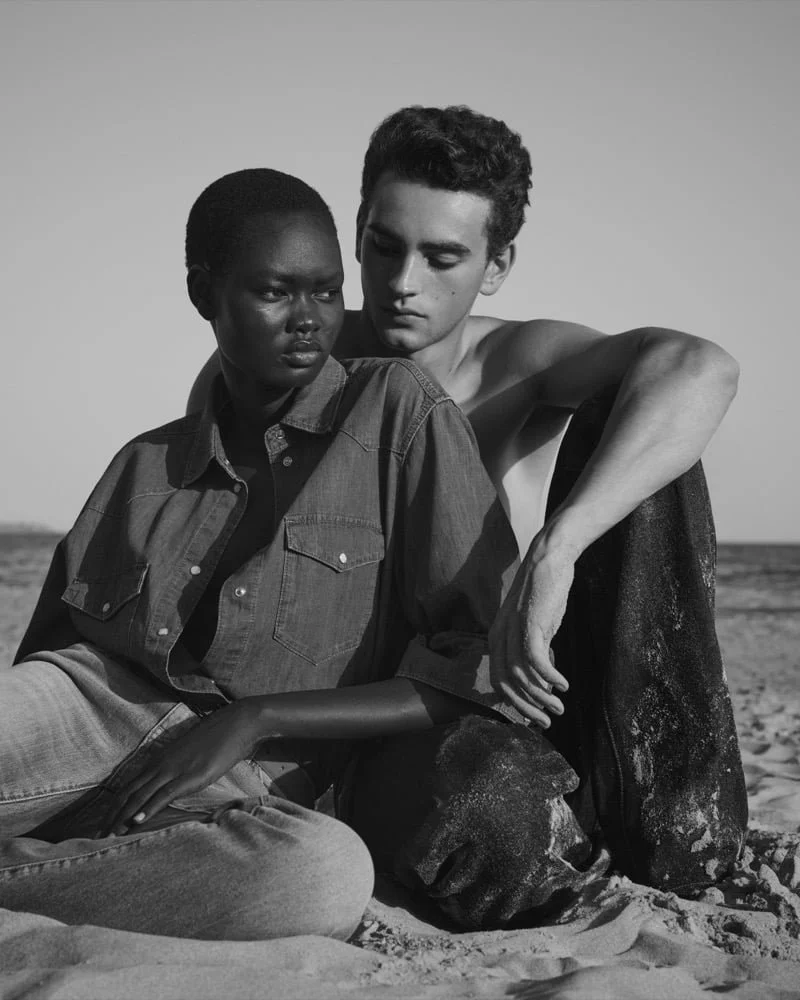
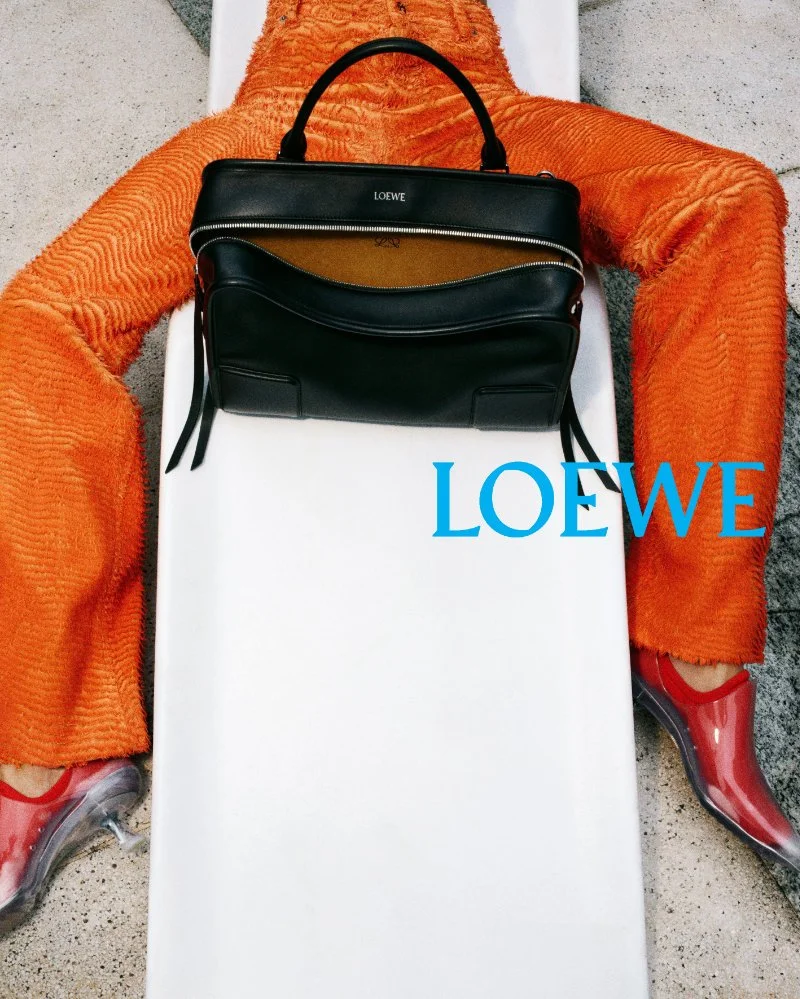
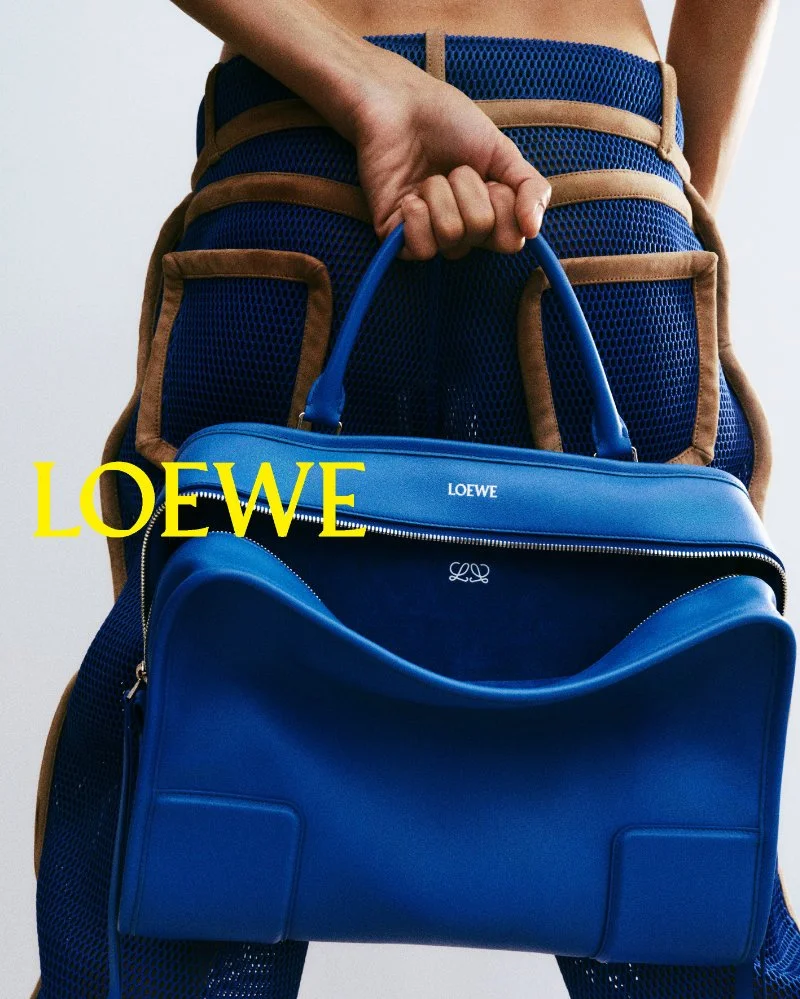
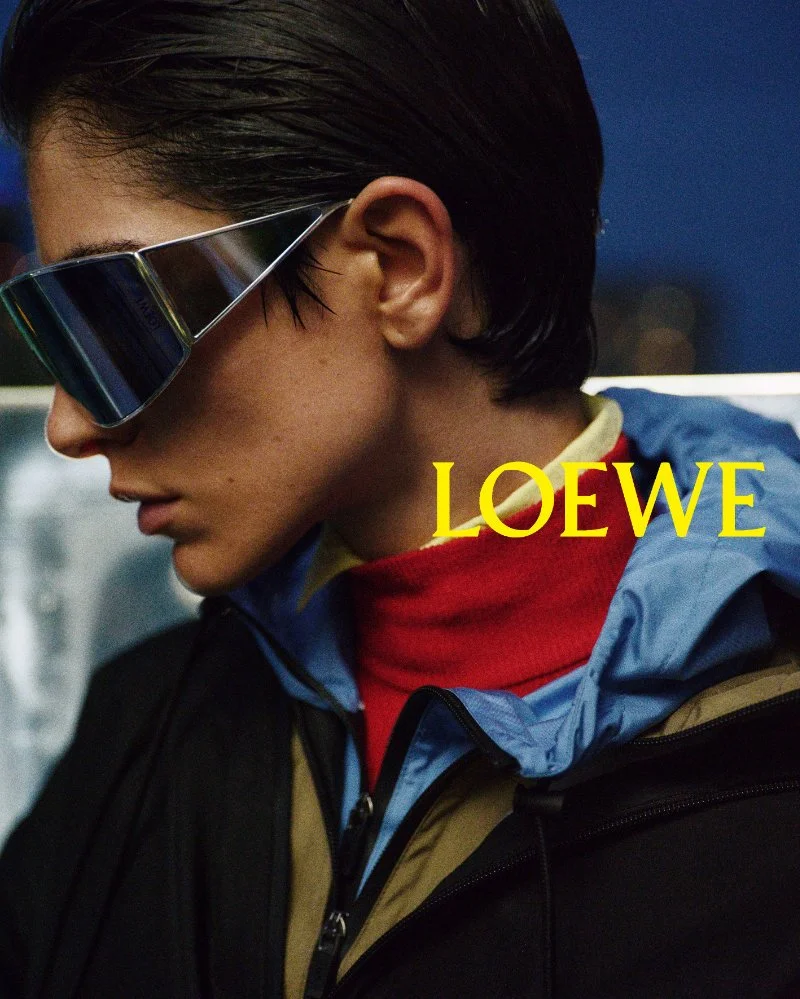
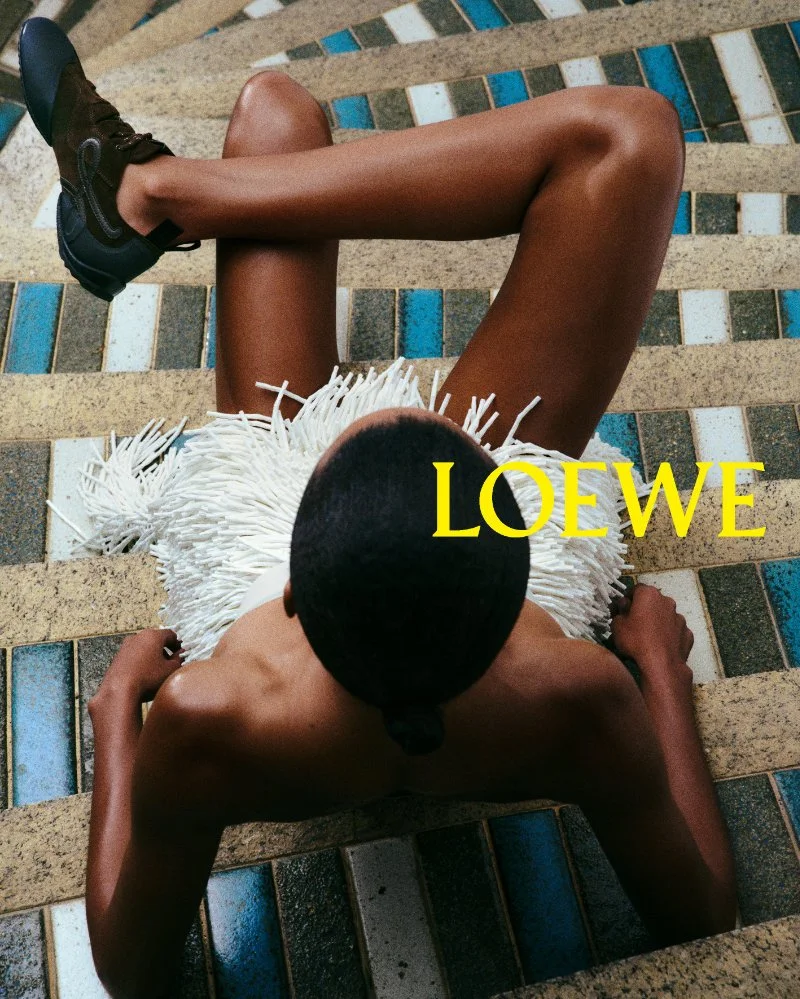
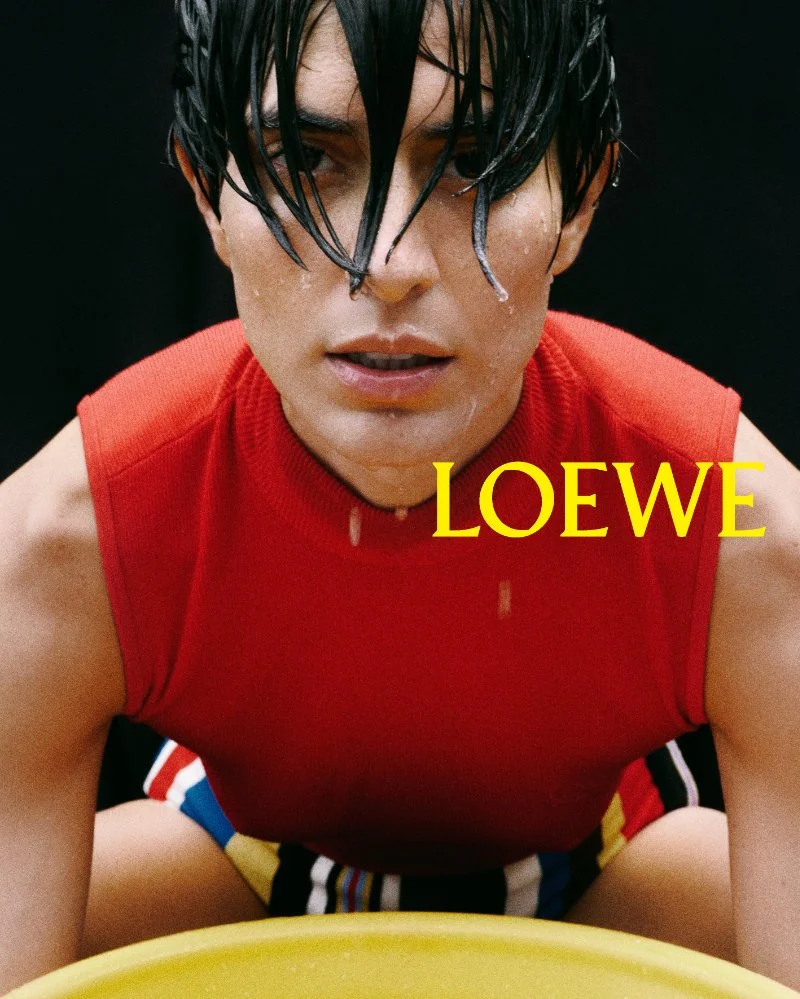
At Loewe, a new chapter begins with striking immediacy. For their first campaign at the house, creative directors Jack McCollough and Lazaro Hernandez introduce a vision that feels instinctive, tactile, and unapologetically physical.
The Spring/Summer 2026 visuals extend the narrative introduced in the teaser images released ahead of their October debut. Captured by photographer Talia Chetrit, the campaign gathers a cast of emerging actors from theatre and cinema — performers trained to treat the body as both medium and message. Their physical awareness becomes central to the story. Every pose feels intentional, every gesture charged.
Shot outdoors under unforgiving sunlight that carves sharp, graphic shadows — and later against the intimacy of night — the images pulse with tactile intensity. Skin meets leather. Light skims across heat-sealed jackets, emphasizing their sculptural edge. Shredded leather jeans invite touch. Vibrant tops appear twisted and placed mid-motion, as if shaped by instinct rather than styling. The garments do not simply dress the body; they react to it. They cling, contour, expose. Fabric and flesh exist in dialogue, each heightening the other.
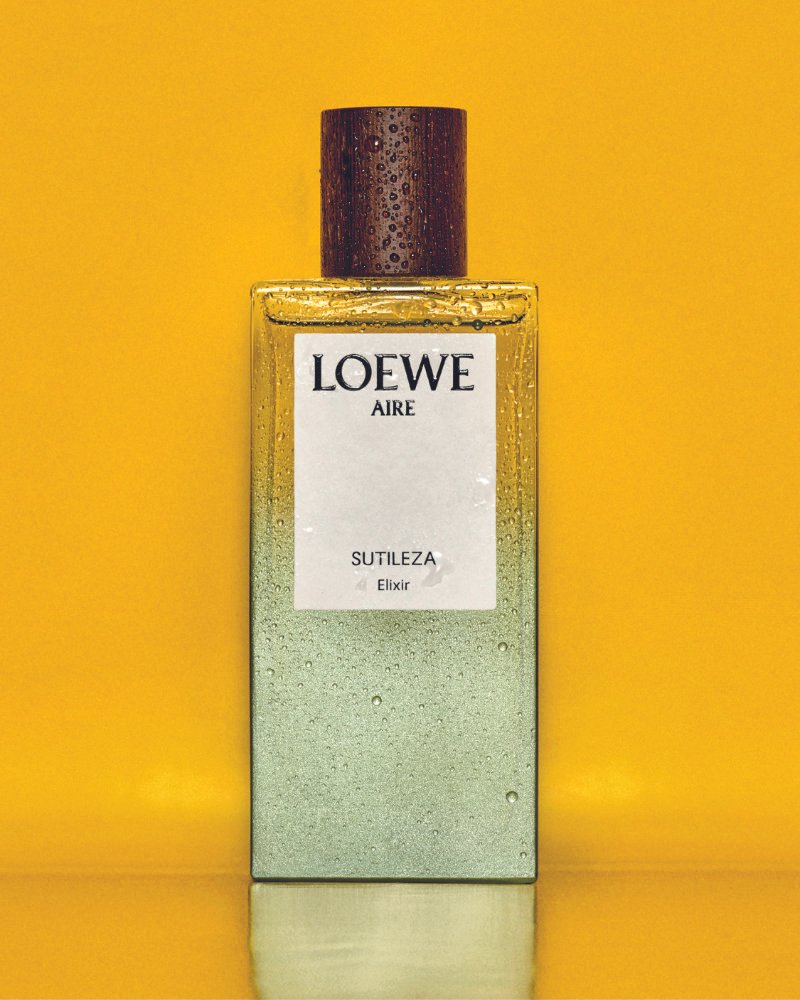
The still lifes echo the same sensual force. The Amazona 180, softened and slouched in its single-handle silhouette, resists rigidity. It feels lived-in, suggestive. A lacquered aqua shoe paired with a sharply contrasting sock amplifies this tactile seduction. Here, material is not passive — it performs. Texture, weight, and surface become instruments of desire.
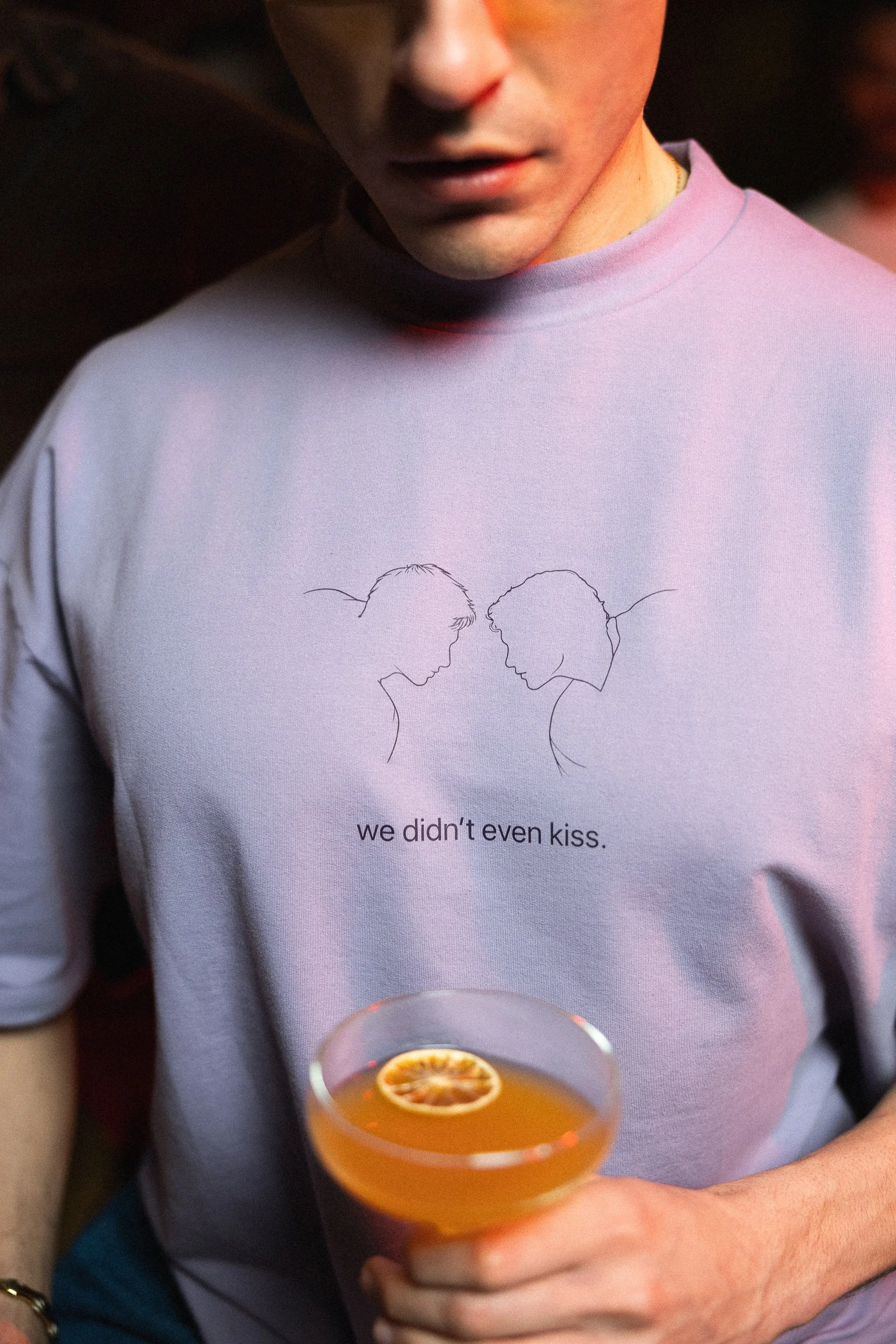
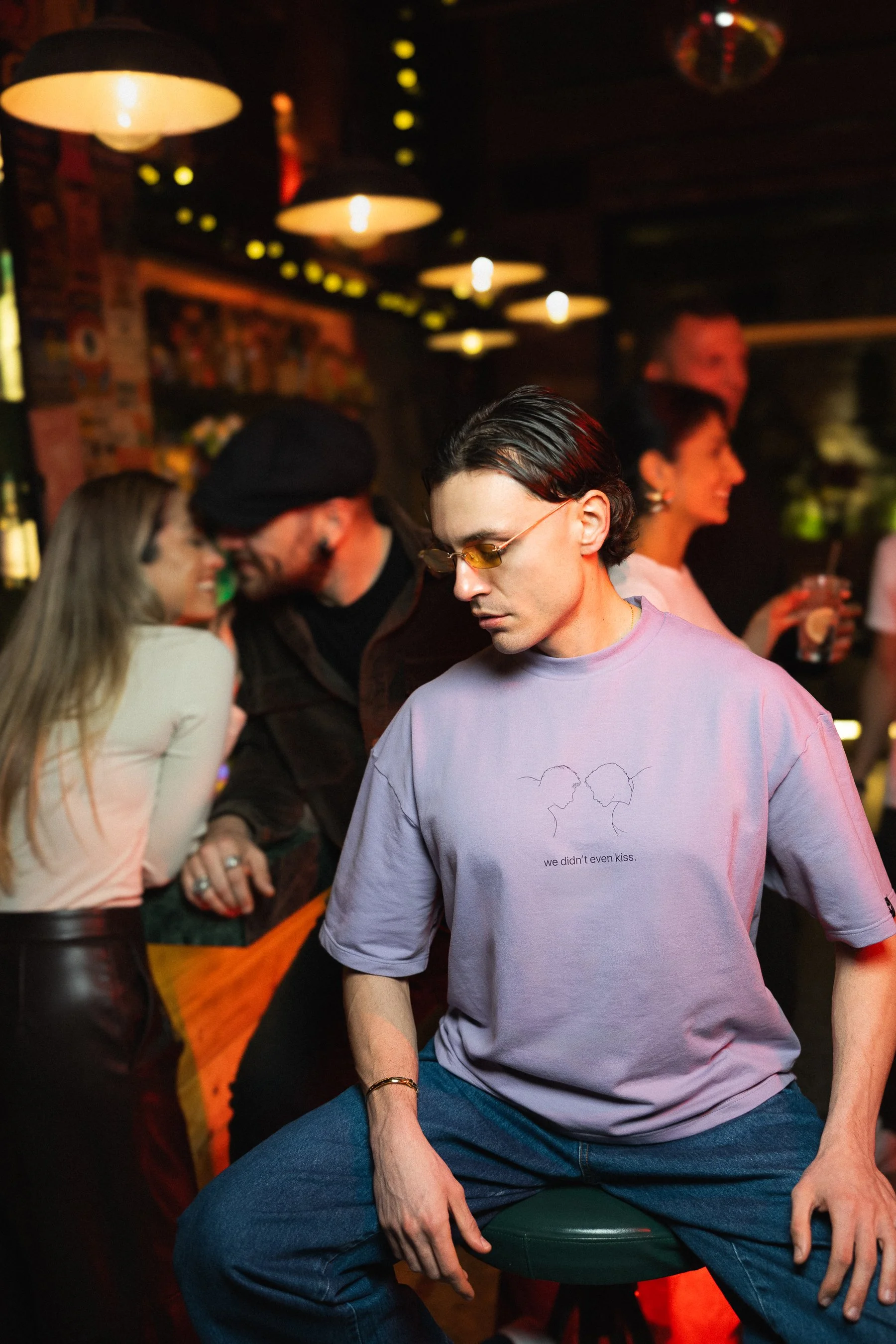
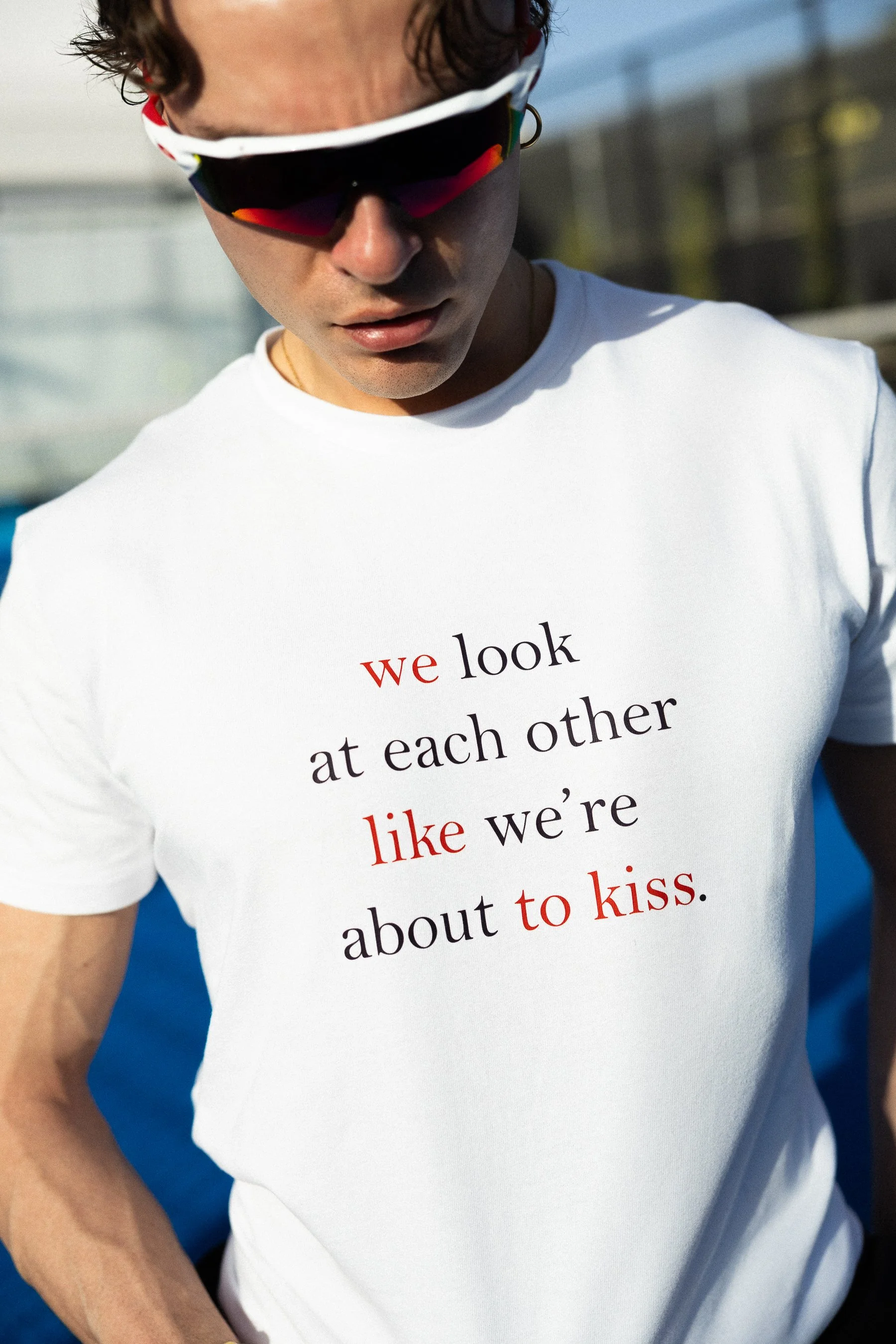
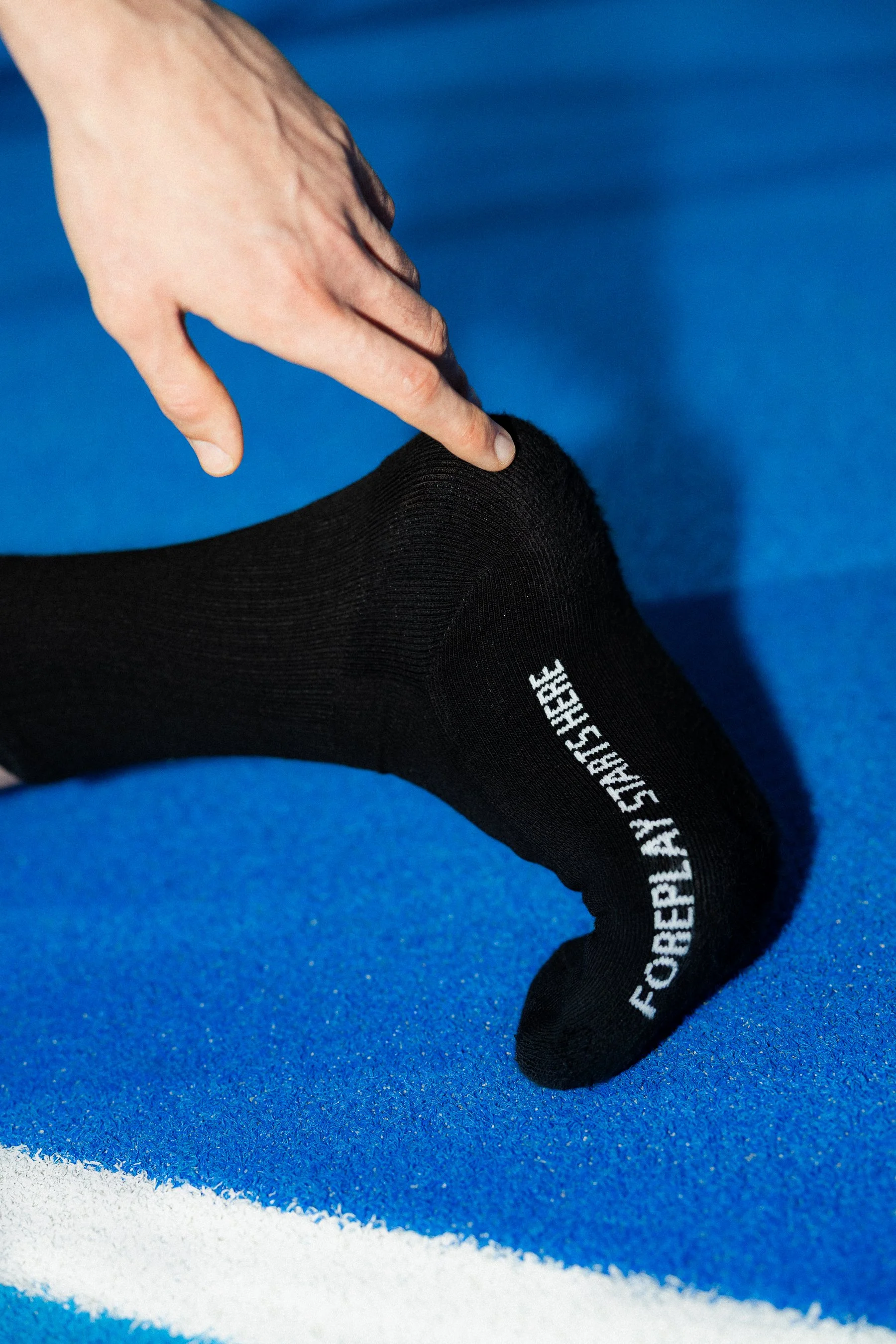
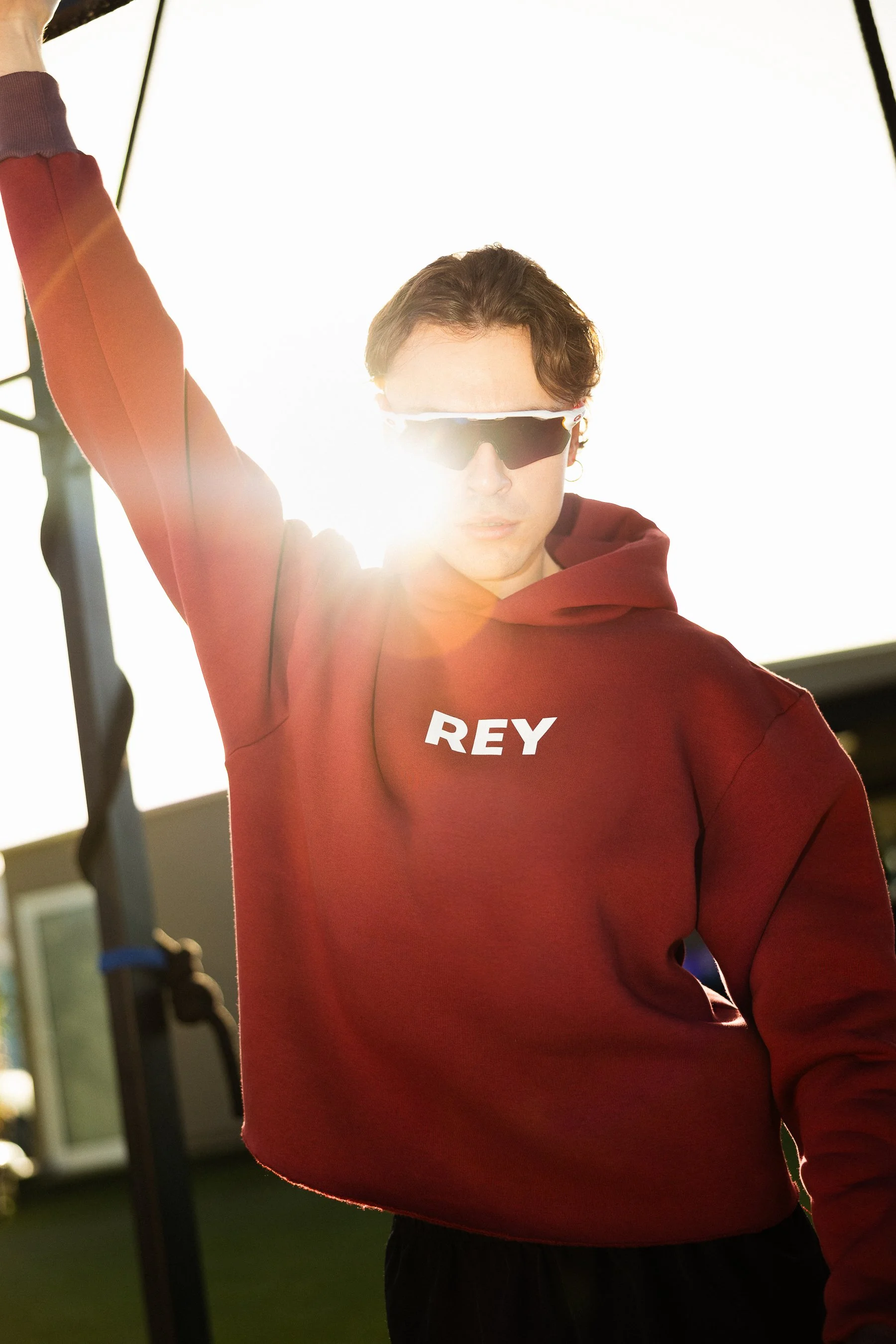
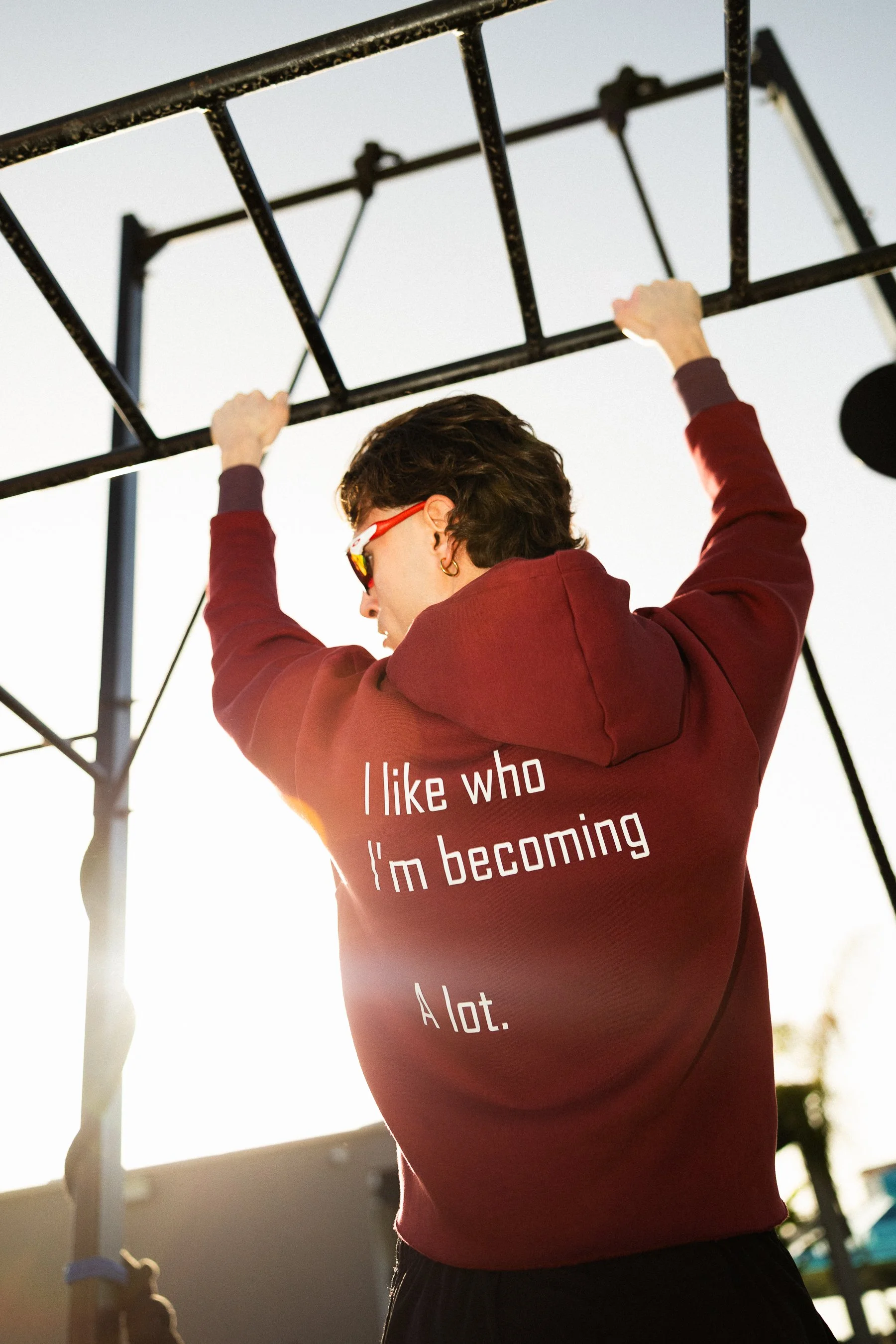
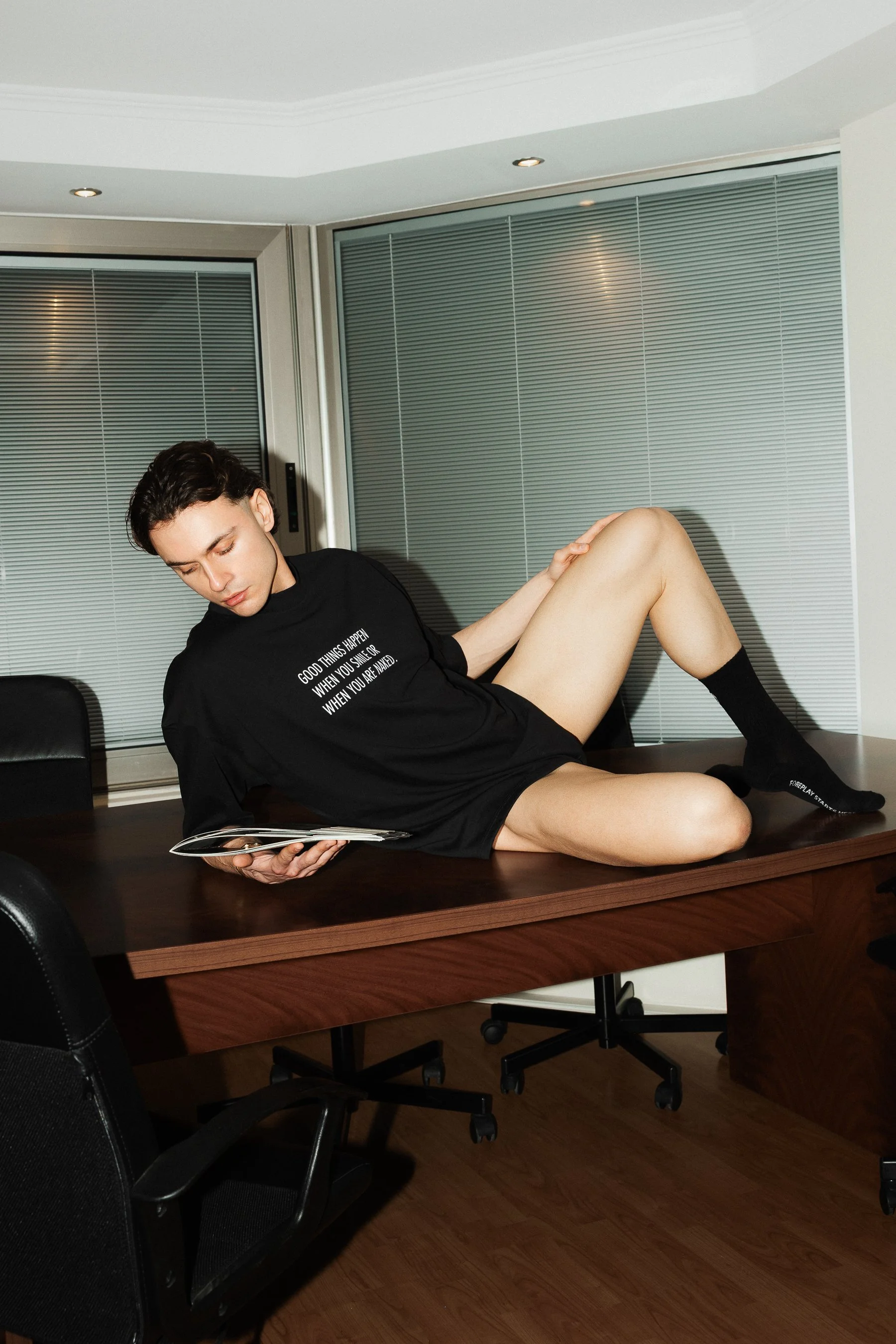
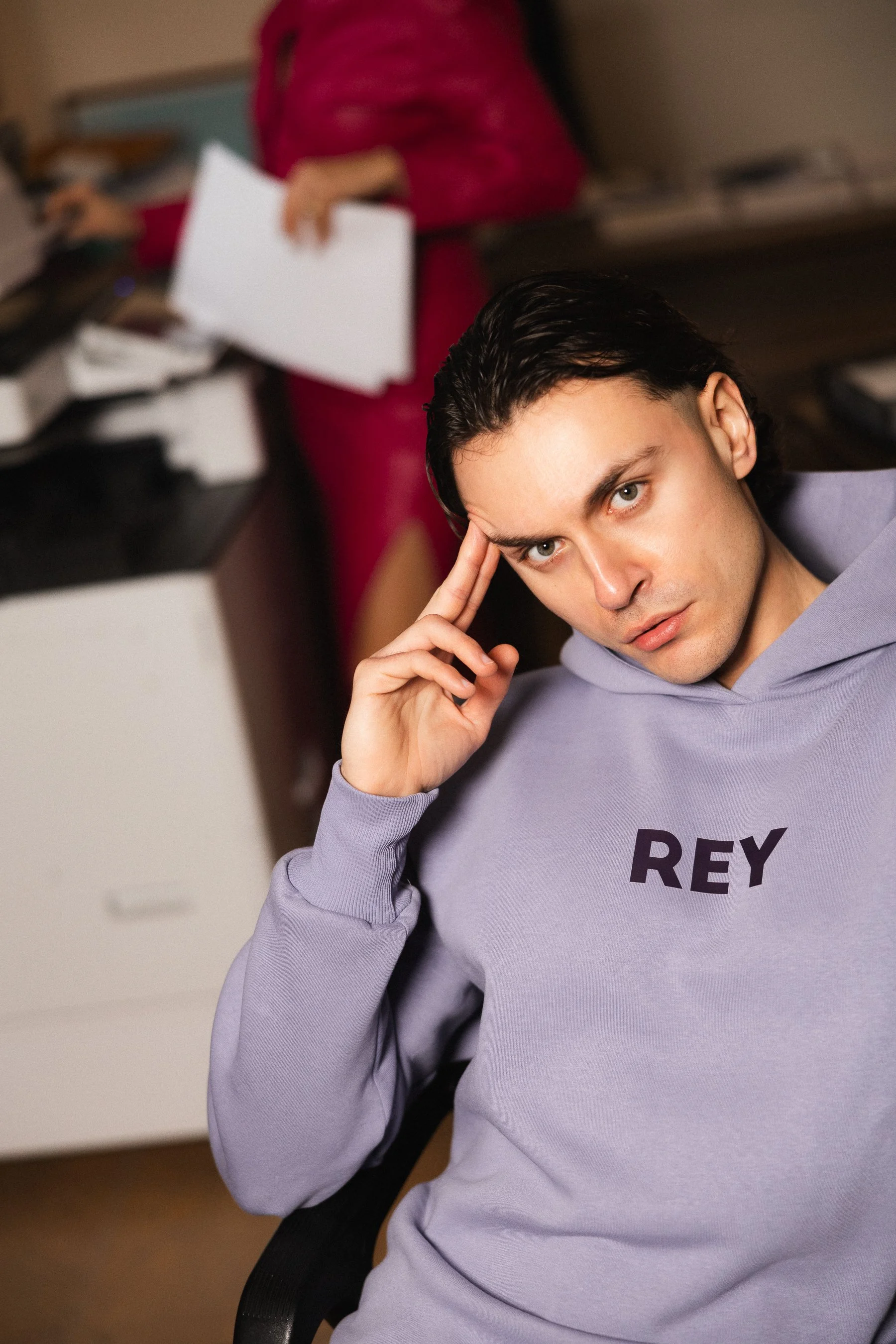
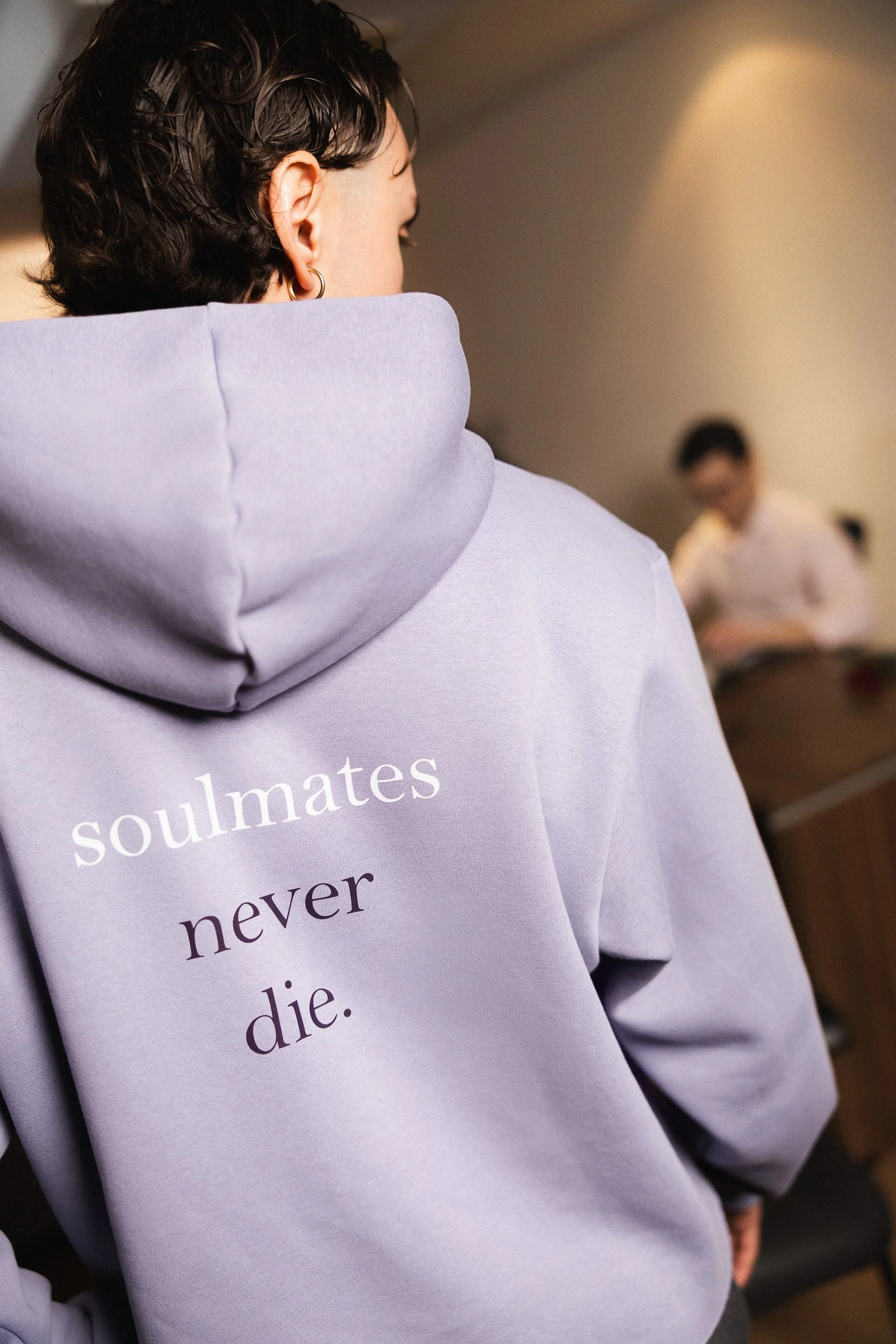
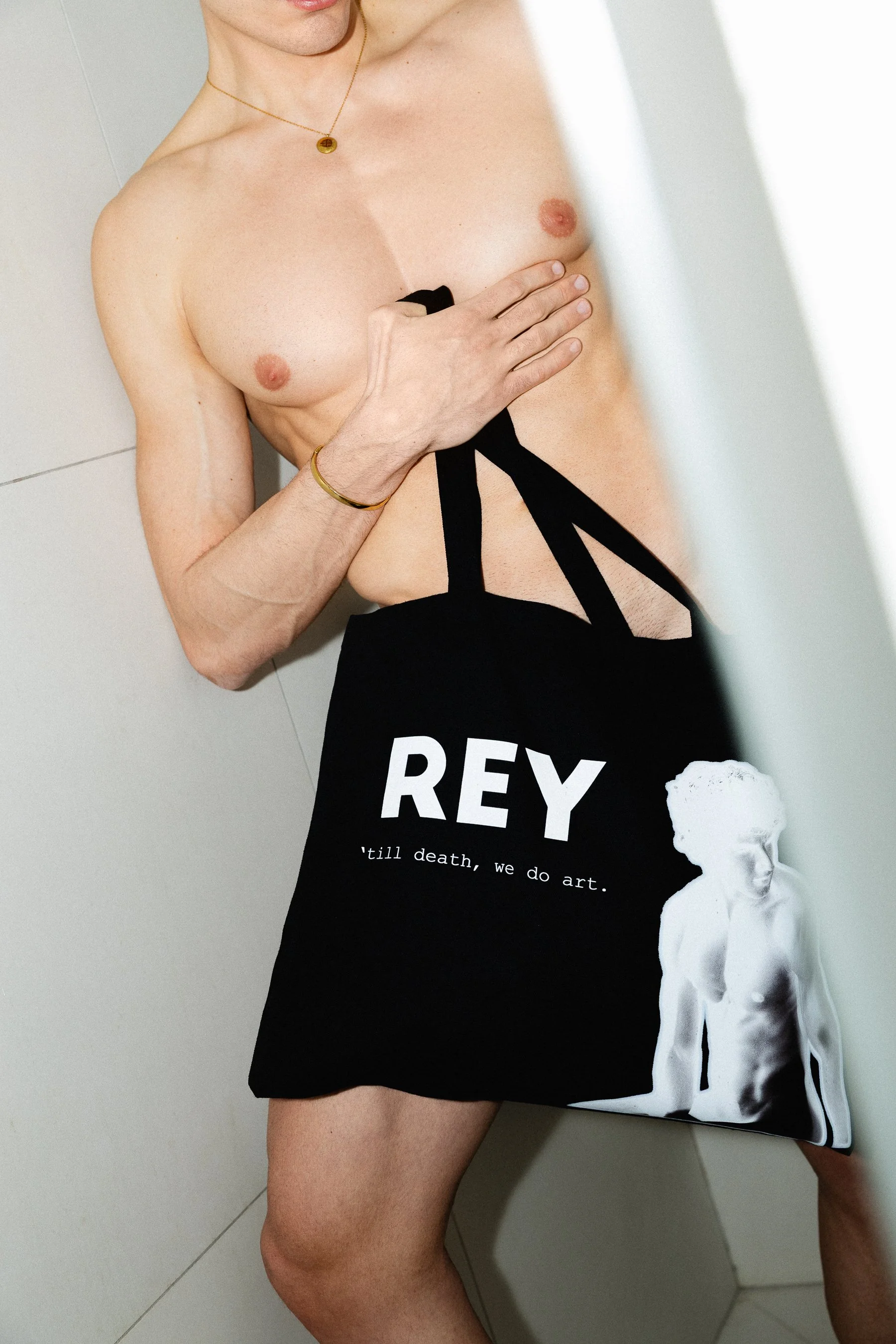
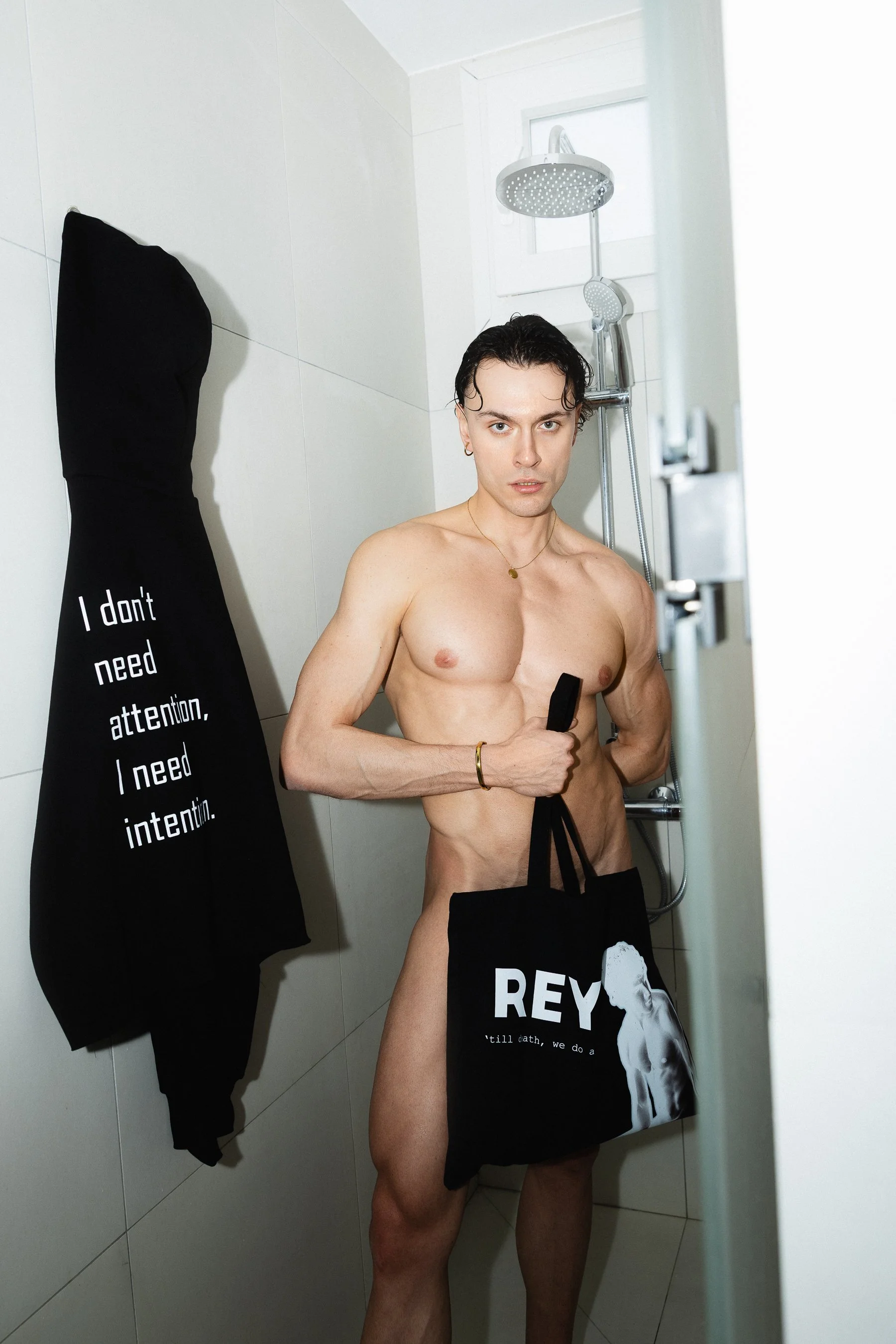
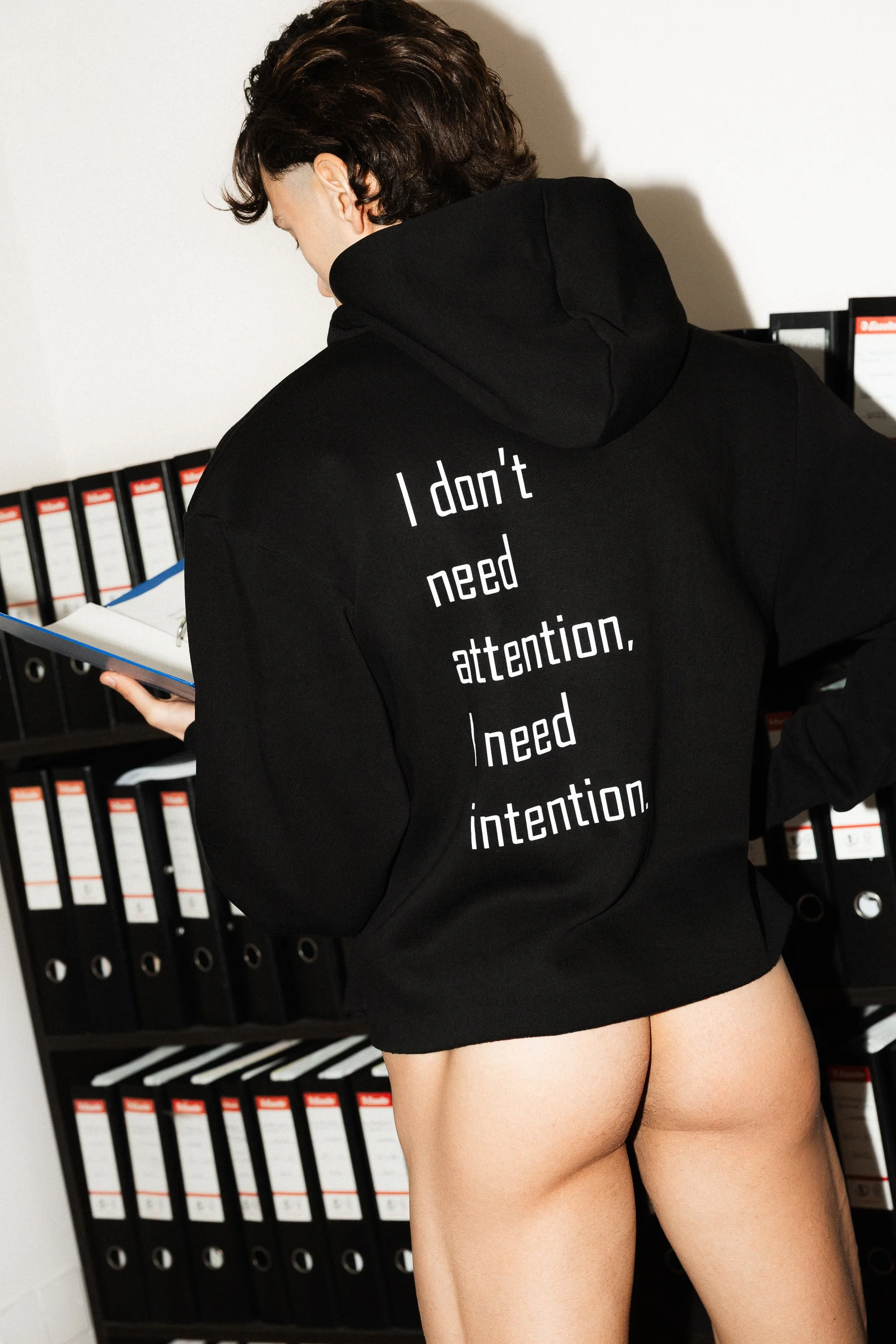
REY introduces Drop 02 of its merch line with The Infinite Love Collection, available now. Built around the idea of love without limits, the collection explores connection in all its forms — romantic love, friendship, self-love, personal bonds, and collective emotion.
Clean silhouettes, intentional details, and a quiet emotional charge define the new pieces, each marked by bold quotes that speak directly to these expressions of love.
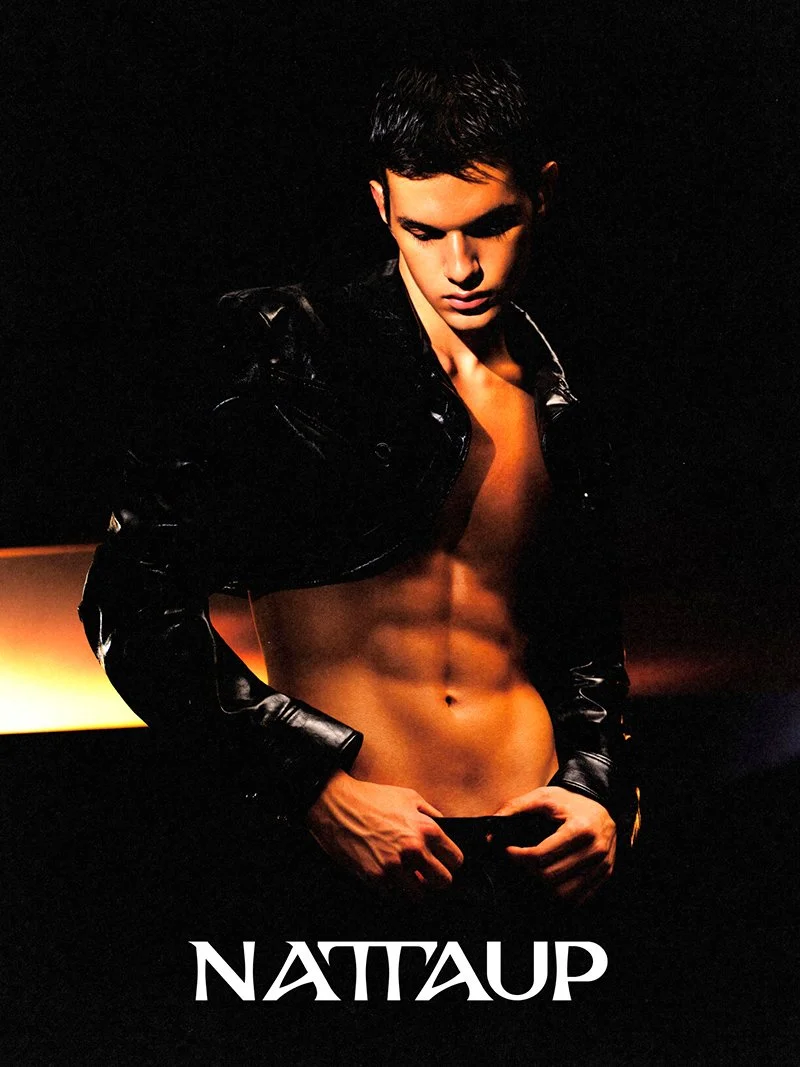
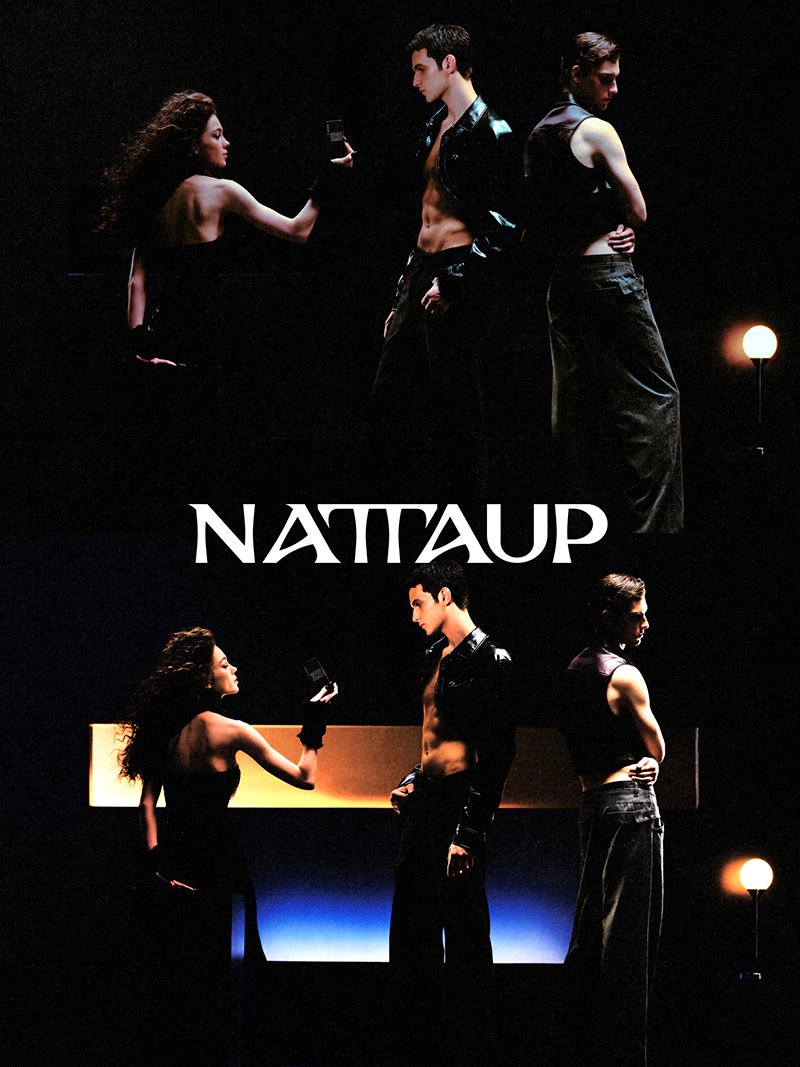
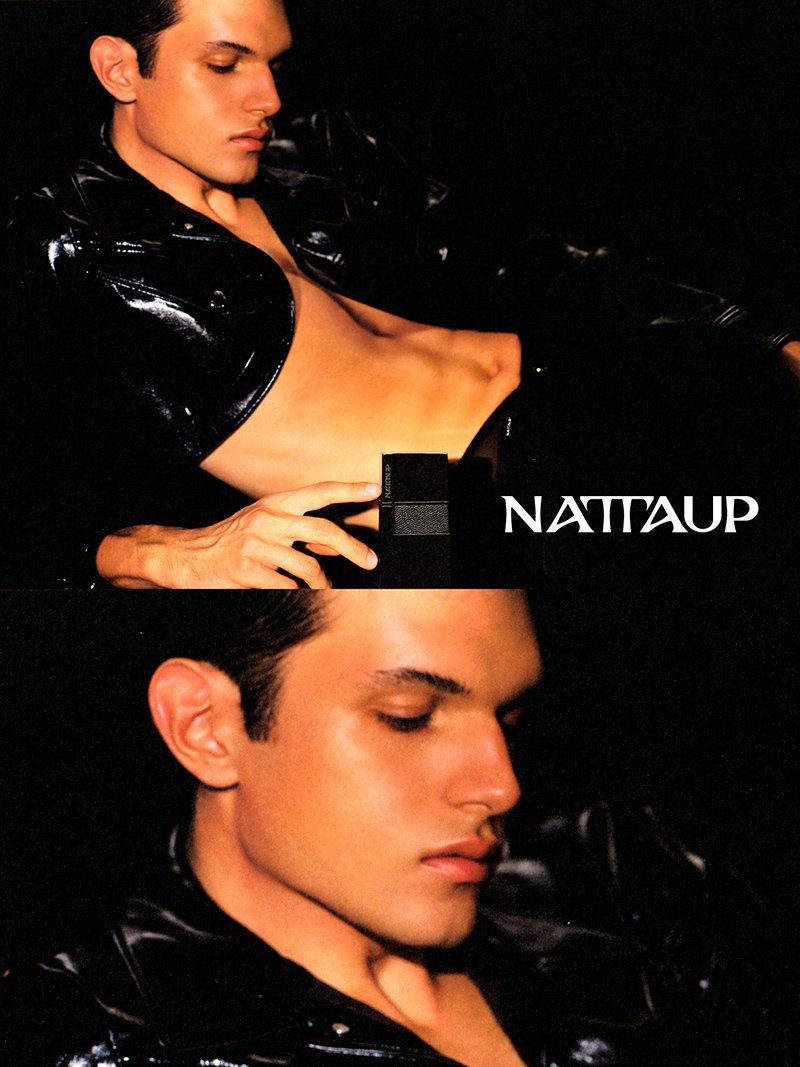
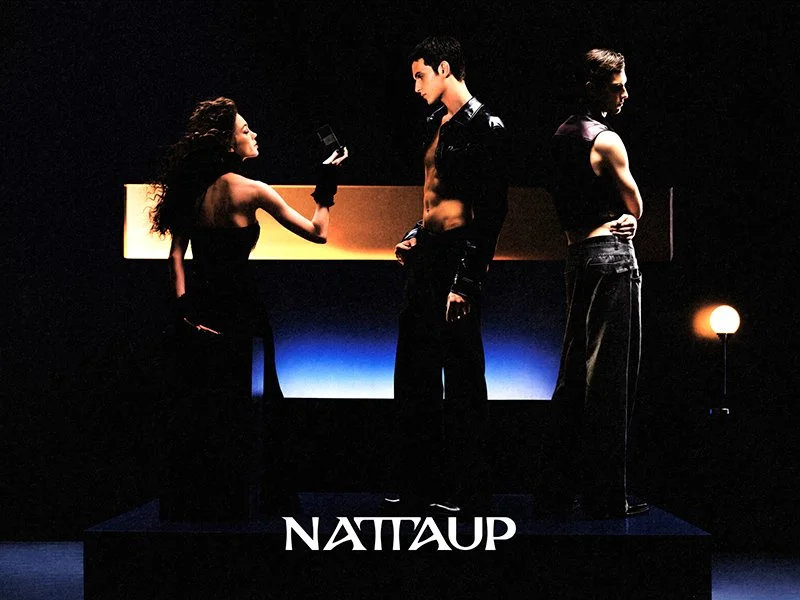
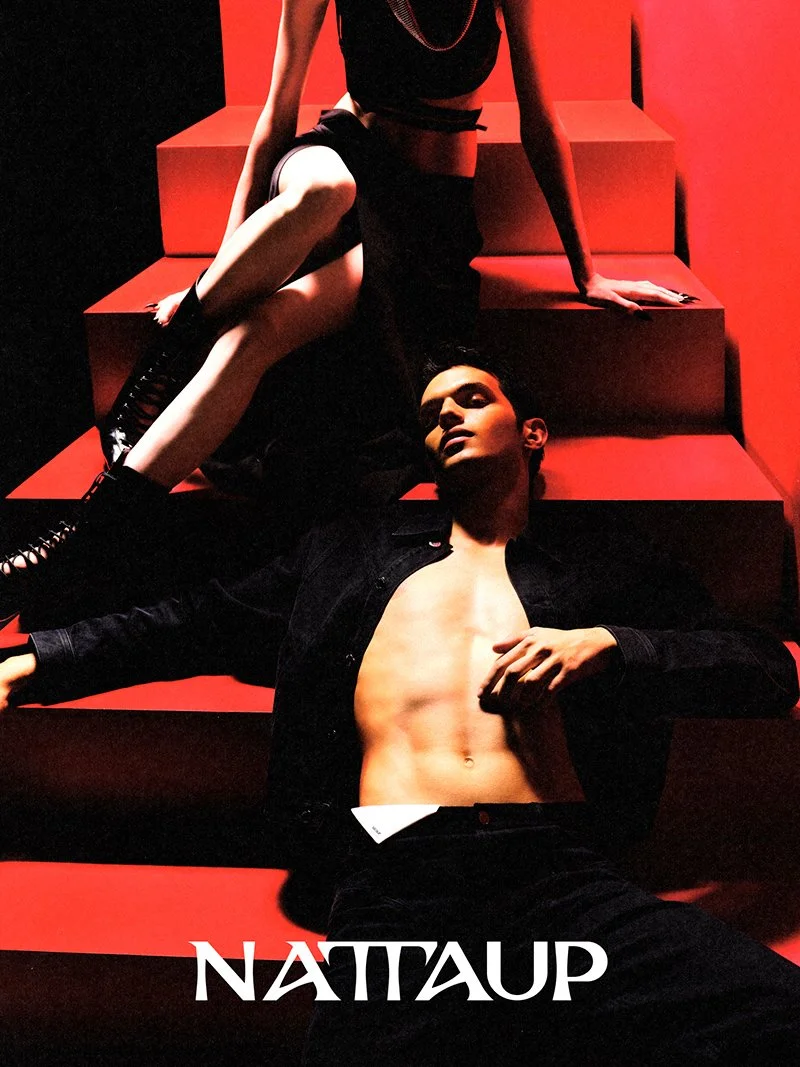
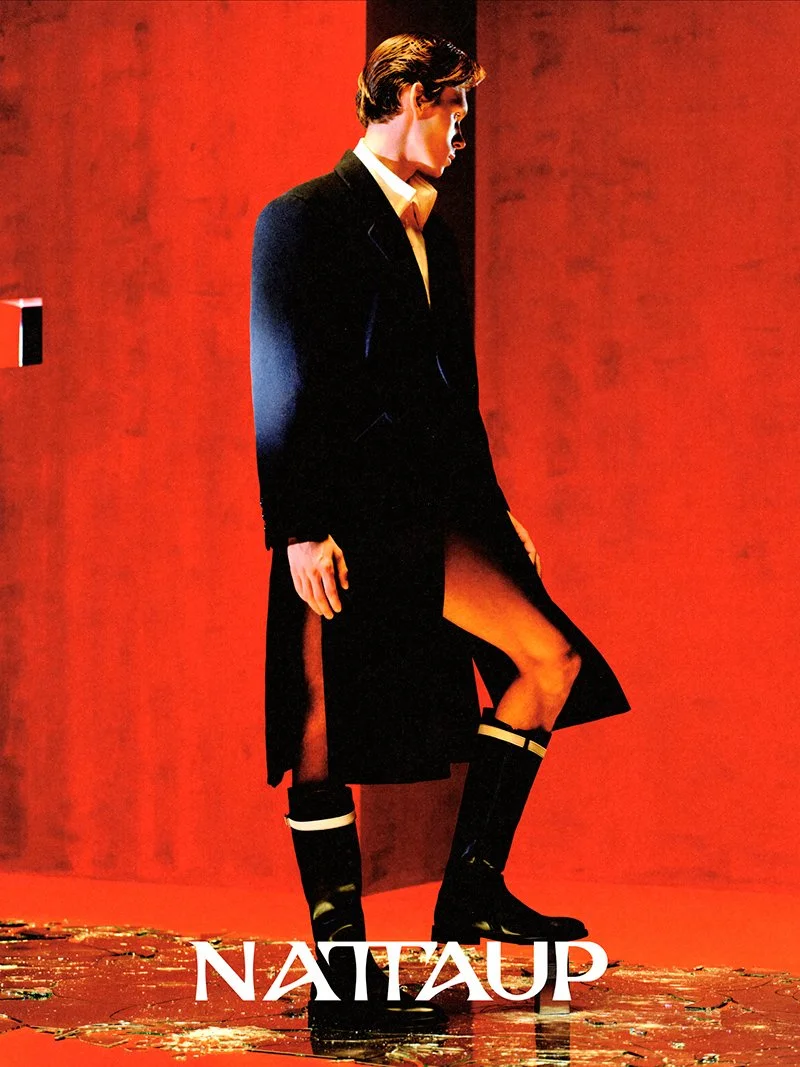
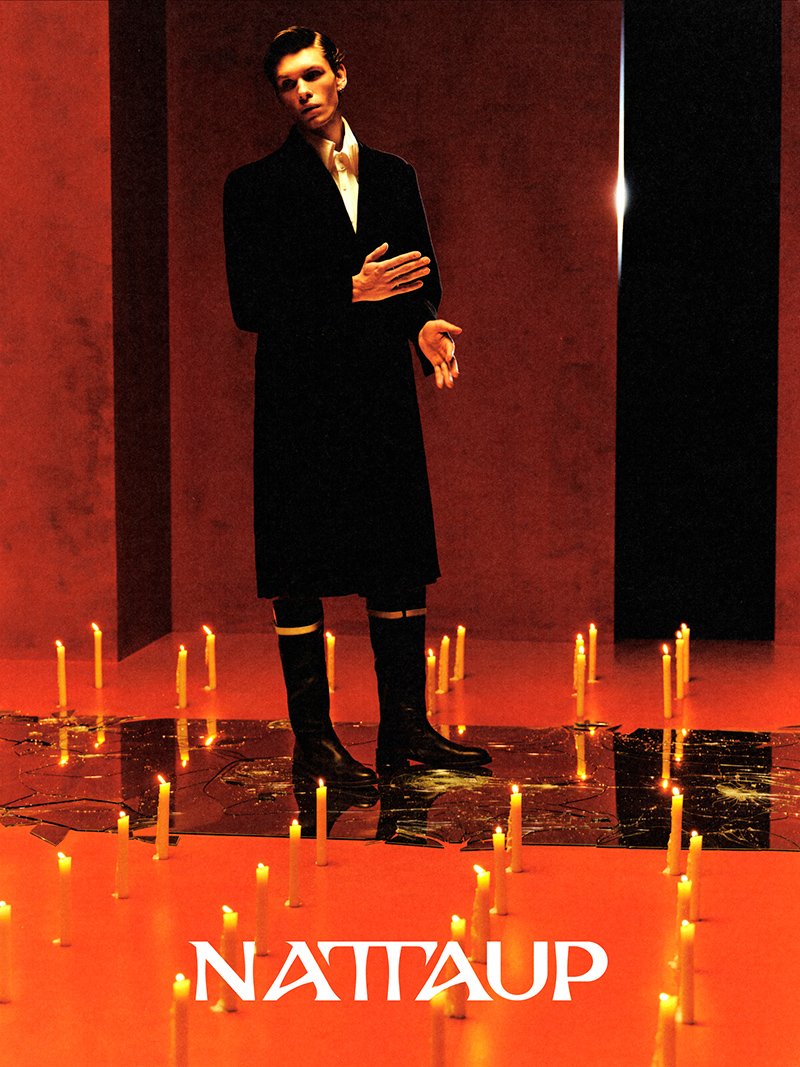
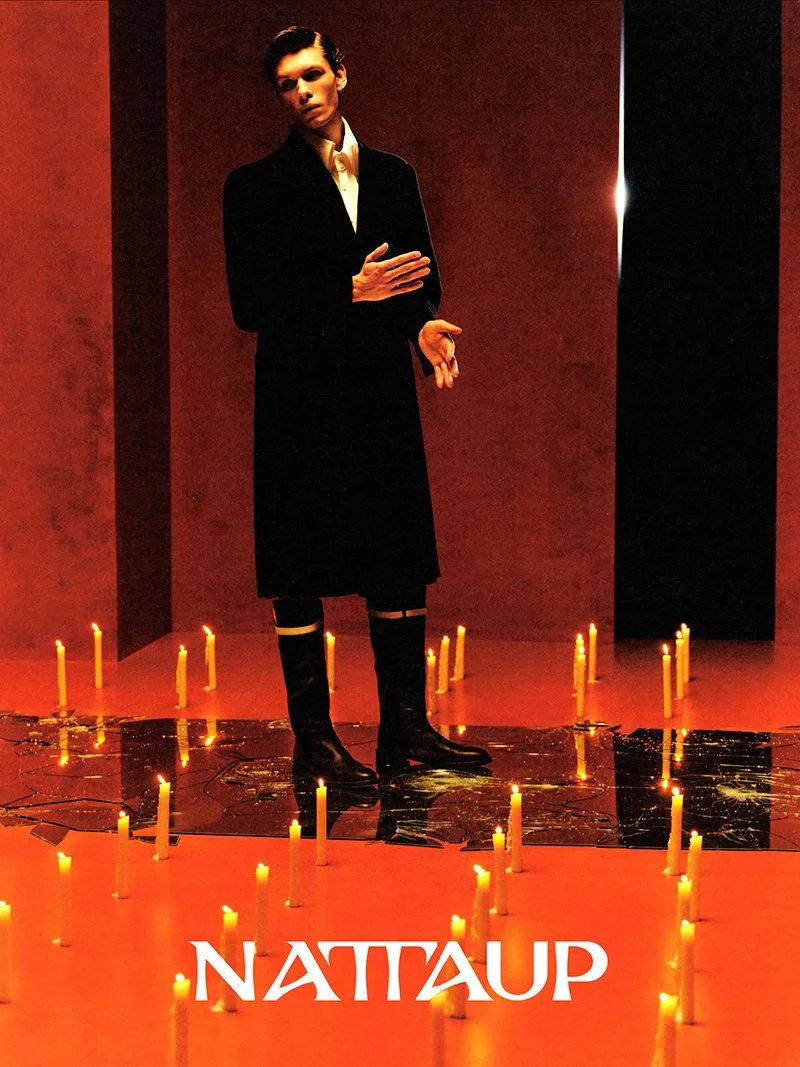
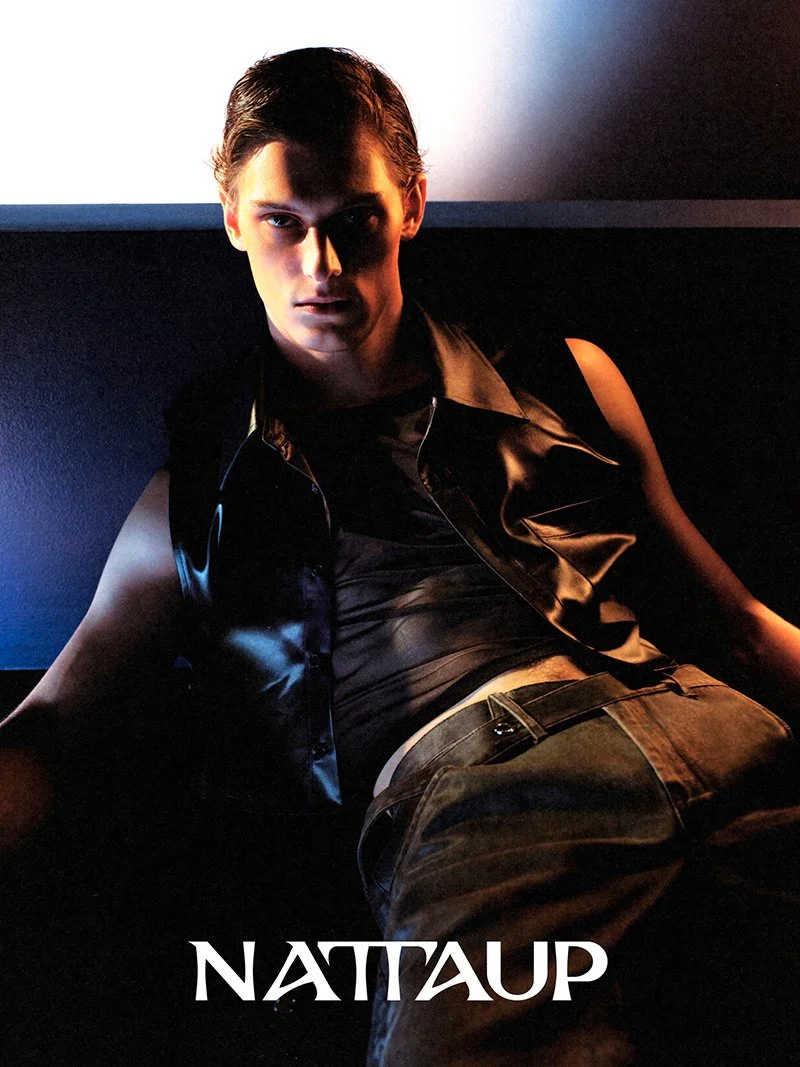
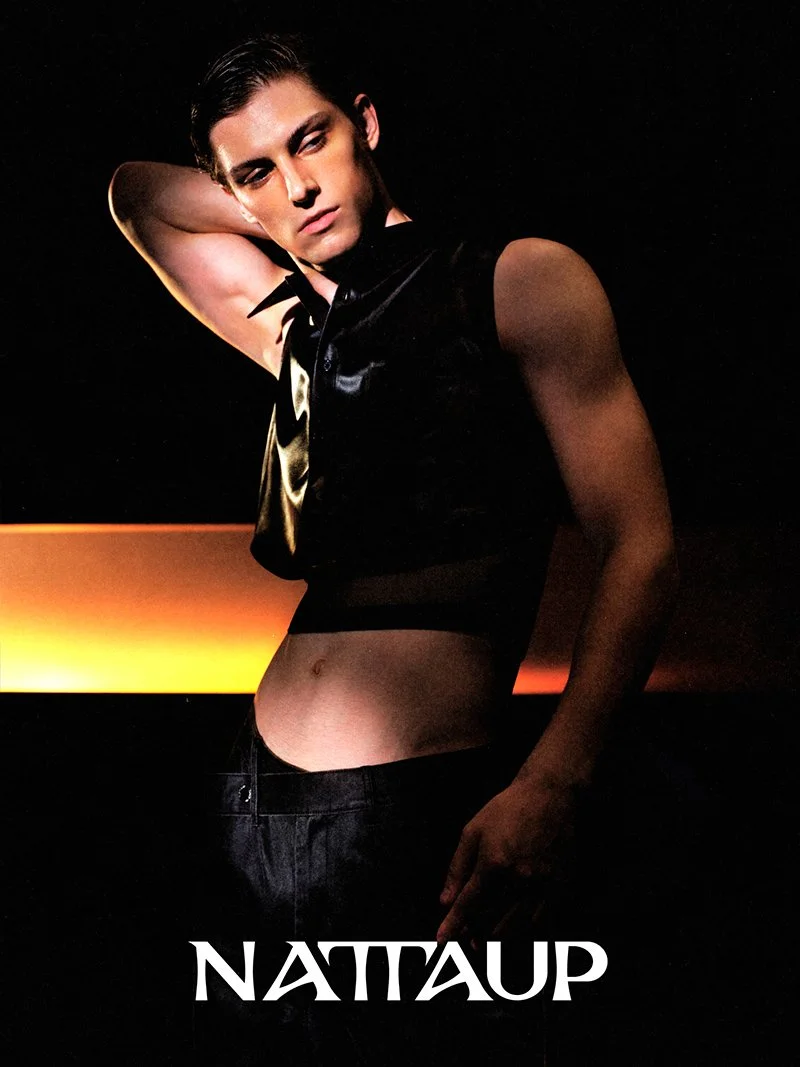
With NATTA SYNTH UP, design is approached as a multisensory dialogue. Visual impact, tactility, and even scent are considered as one continuous experience rather than separate elements. The question is never just how a garment looks, but how it reacts to the body—how fabric rests on skin, how it moves, and how it evolves through repeated wear.
This philosophy directly informs construction. Sustainability is not treated as an afterthought but embedded from the very beginning. Pieces are designed with modularity in mind: components can shift, details can be altered, and elements can be removed or reattached. Instead of being replaced, garments are meant to transform. Longevity here is about adaptability—clothing that grows alongside the person wearing it, responding to different phases, needs, and moments.
Traditional boundaries between categories dissolve. Underwear, outerwear, and accessories are conceived as parts of a single system, connected through function and sensation. Together, they form a deliberate layer between the individual and their surroundings. NATTAUP’s garments operate as an emotional interface—negotiating intimacy and protection, exposure and control—while remaining deeply personal.