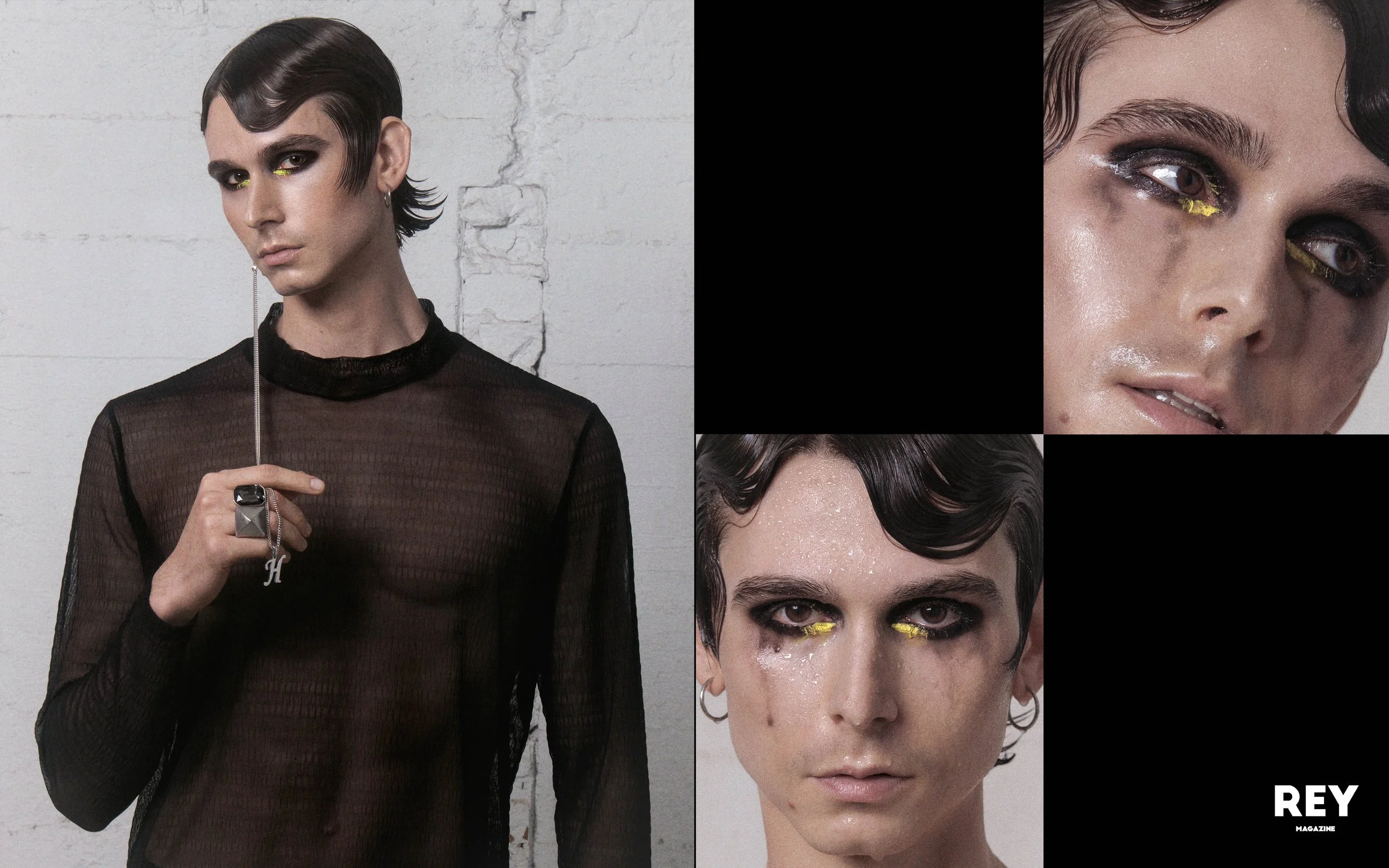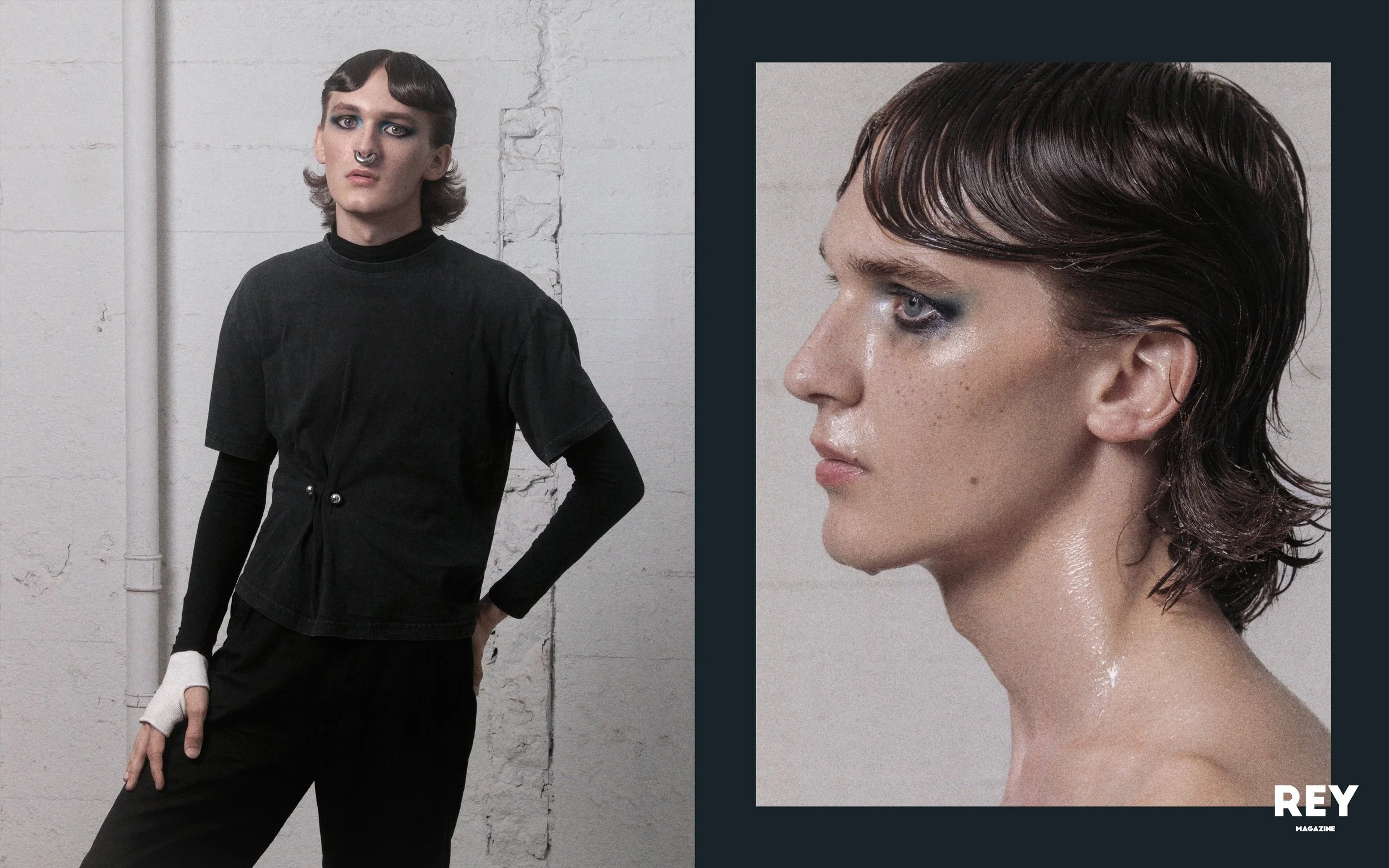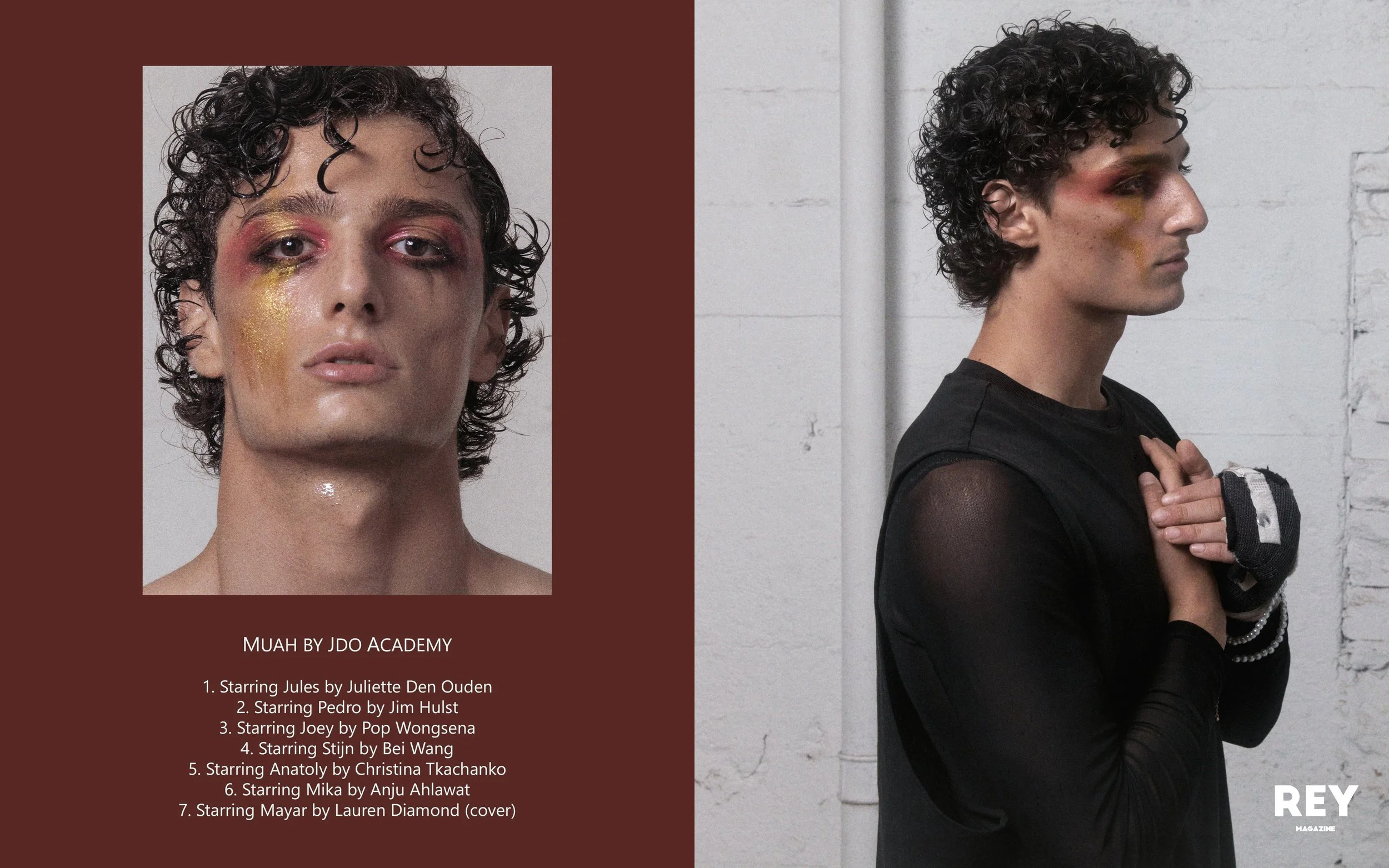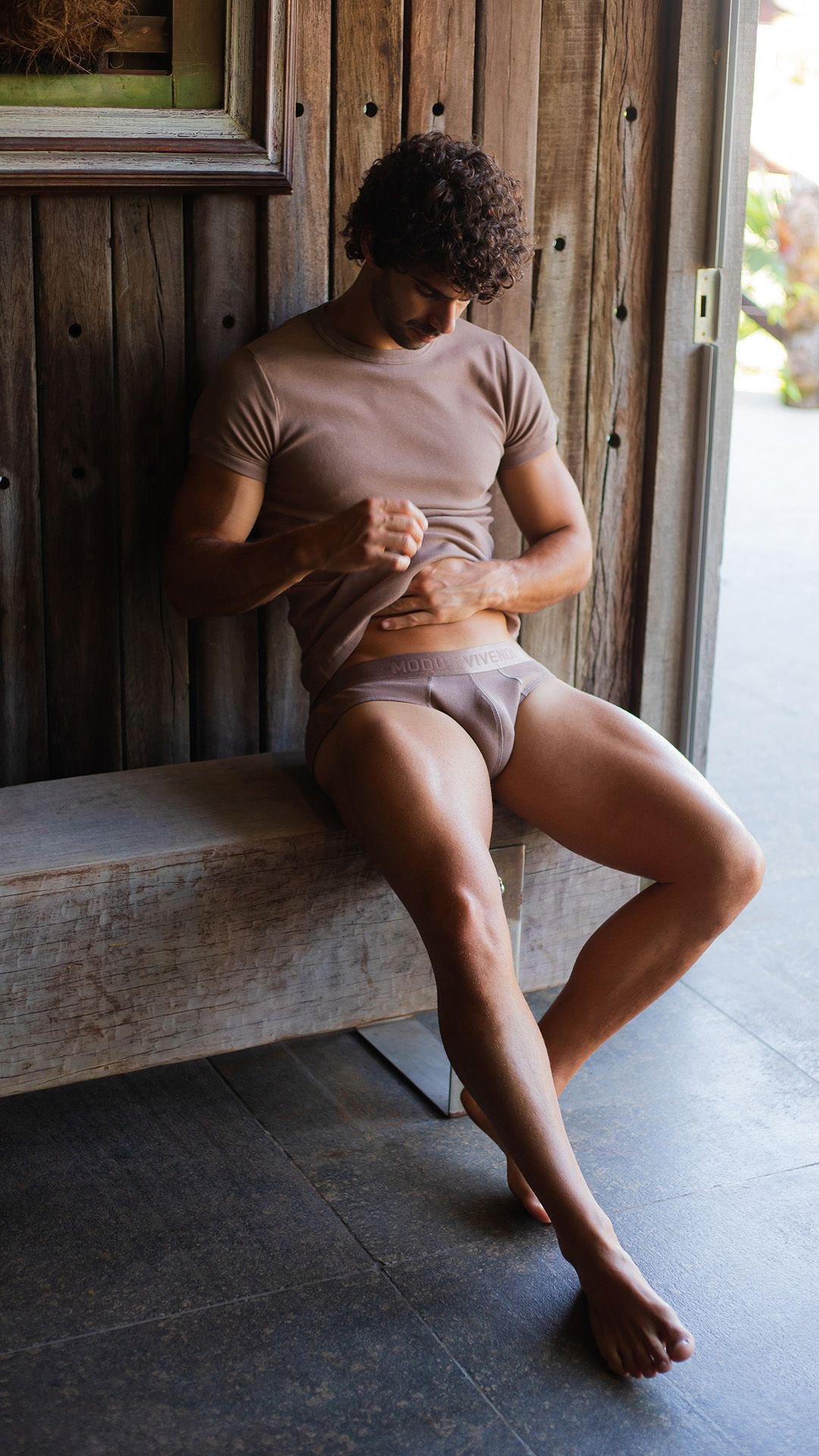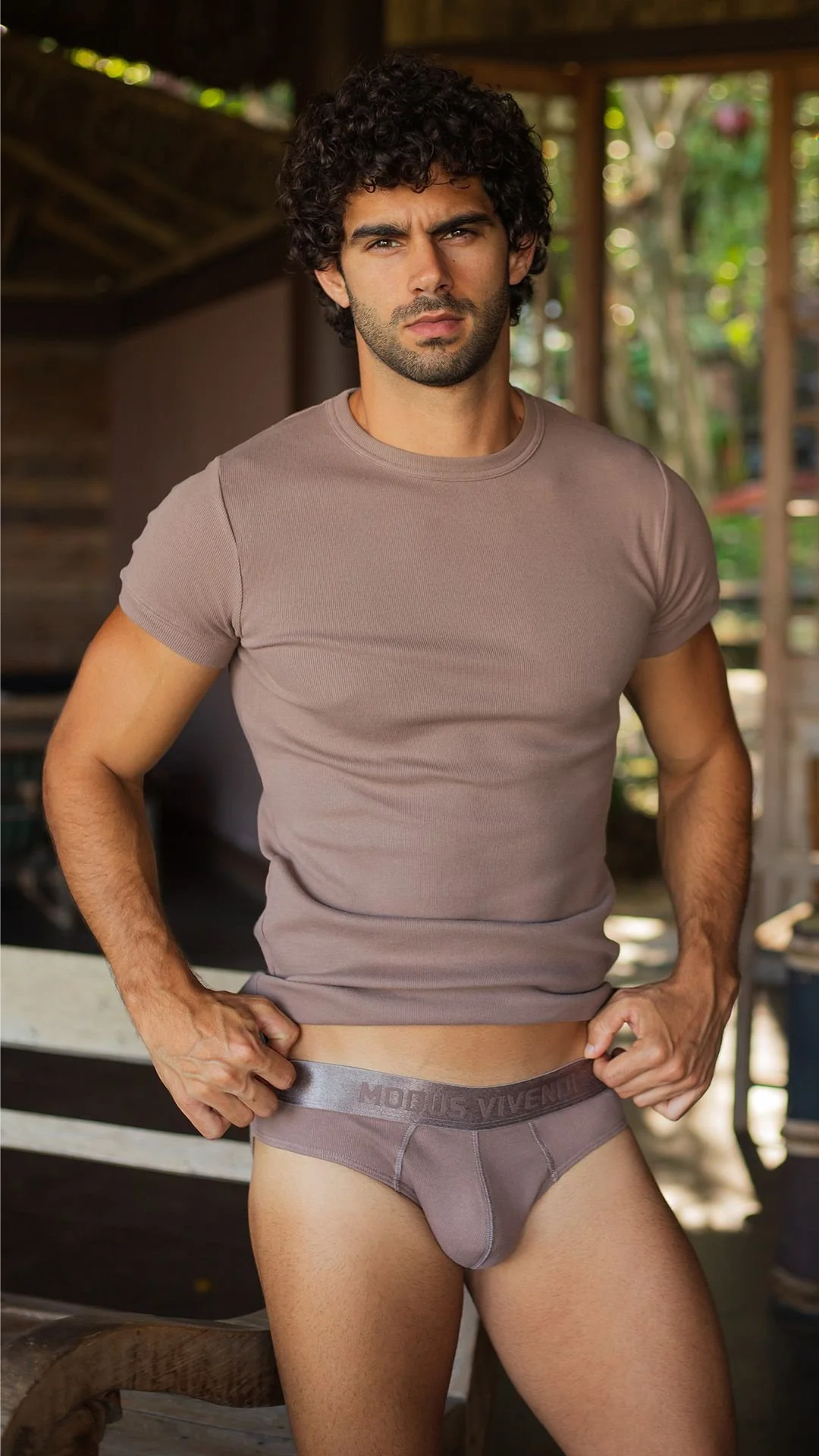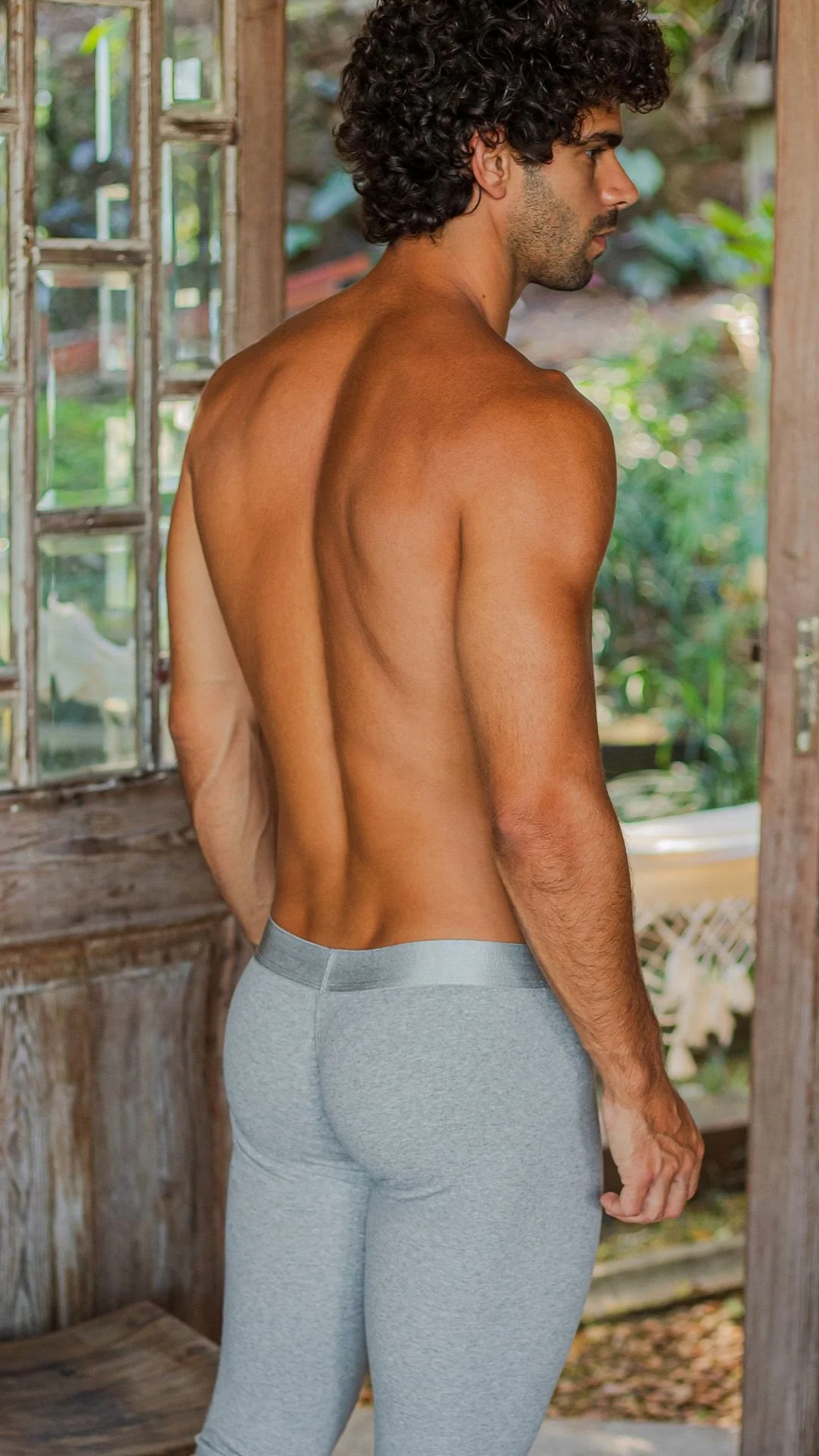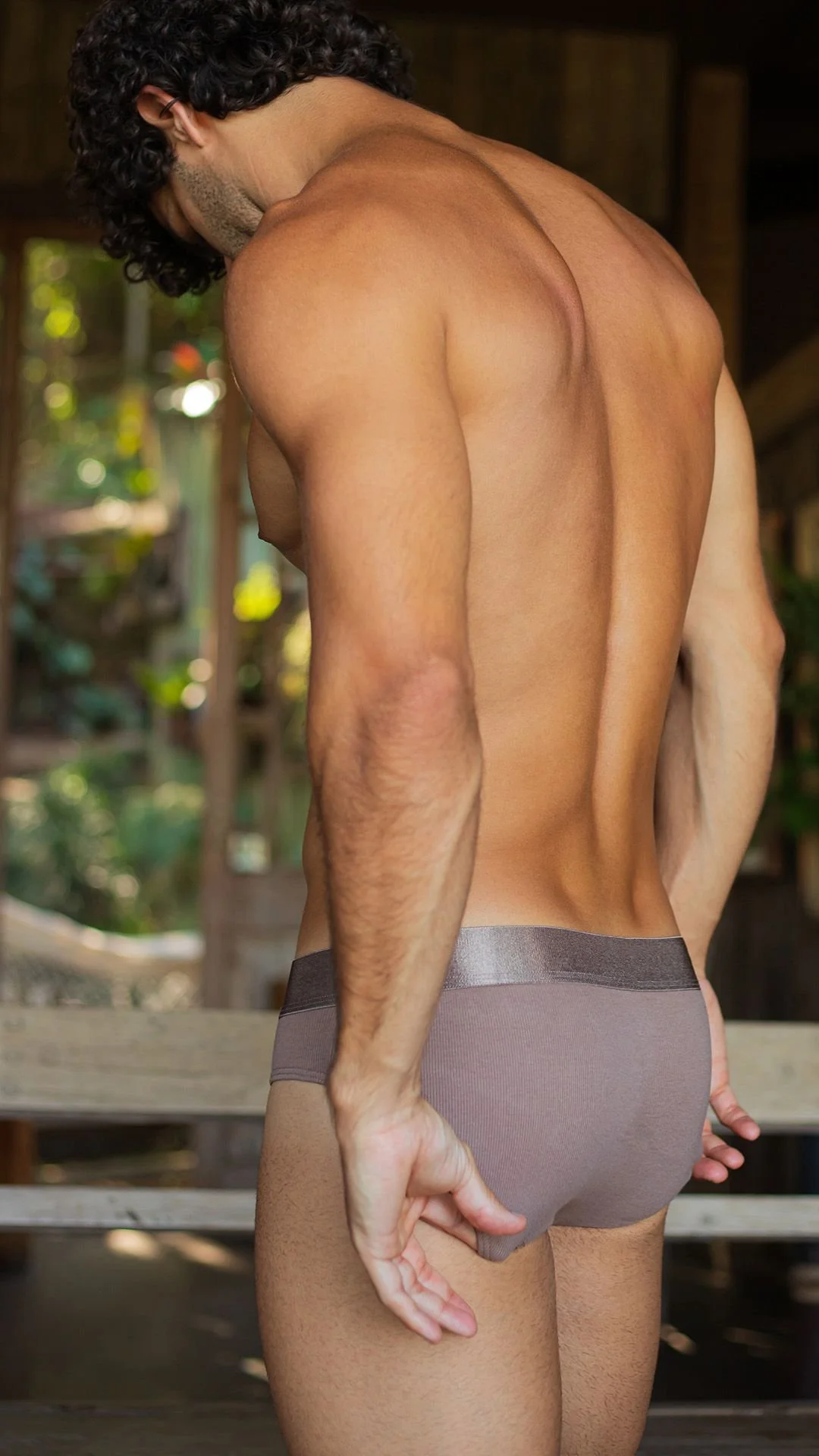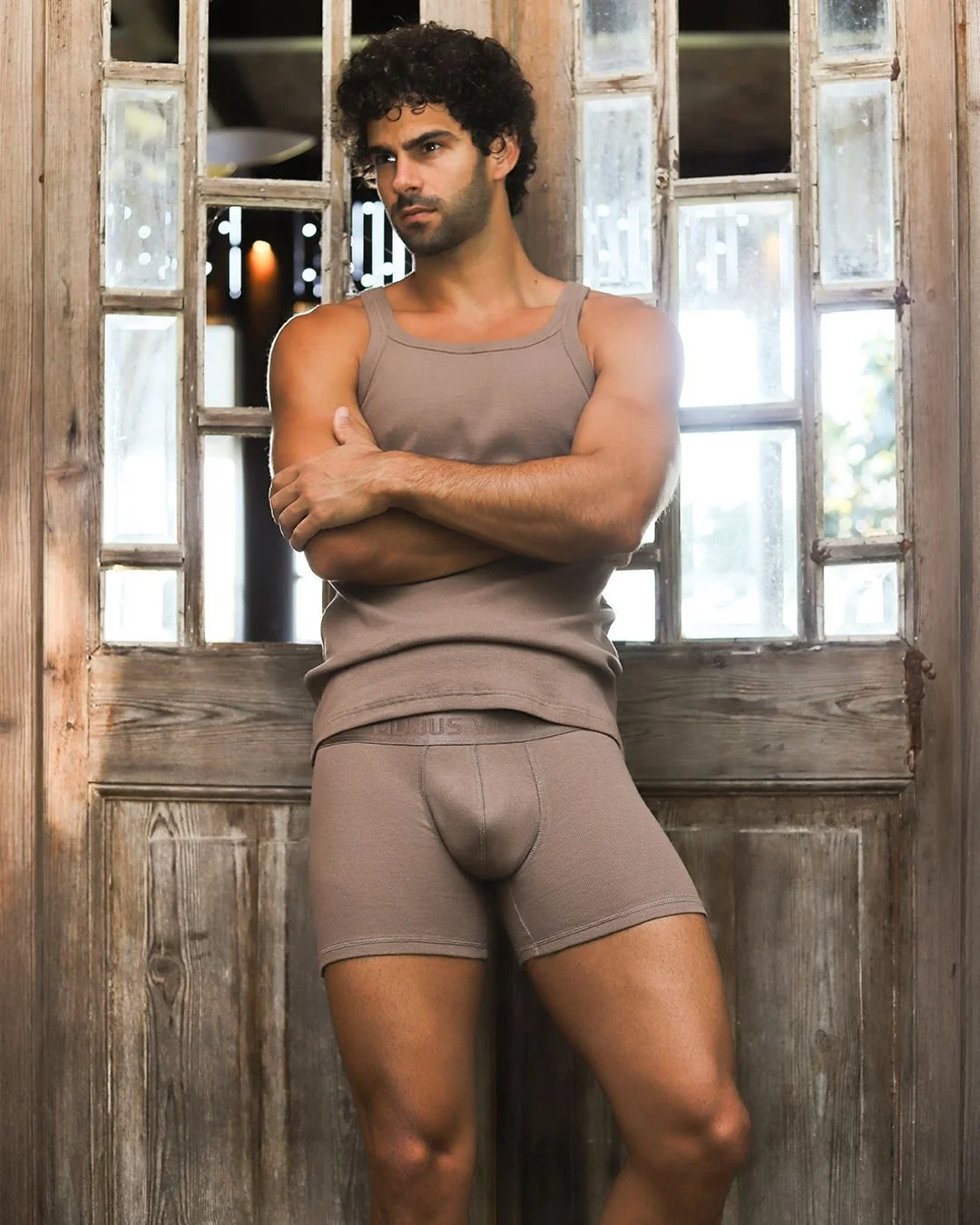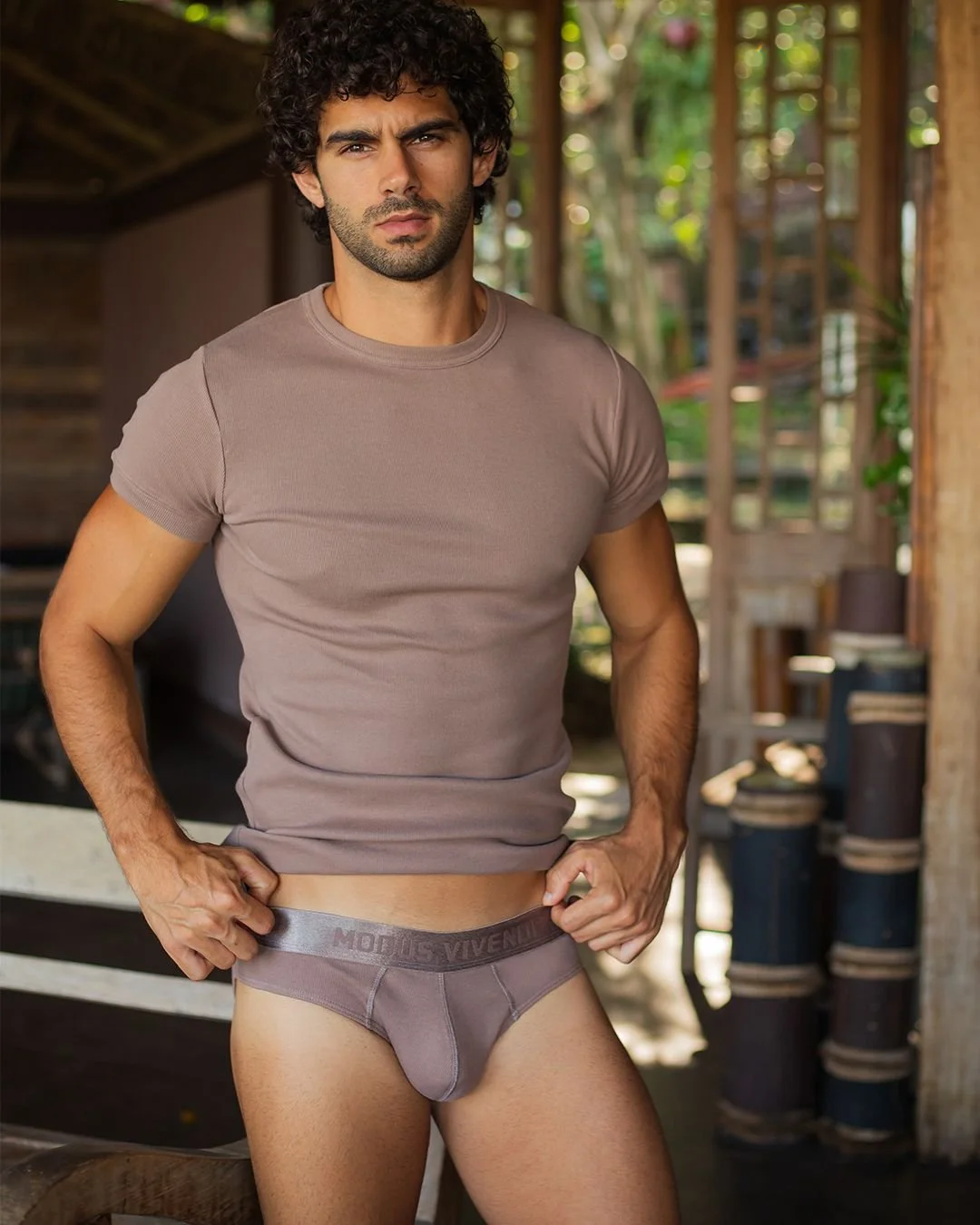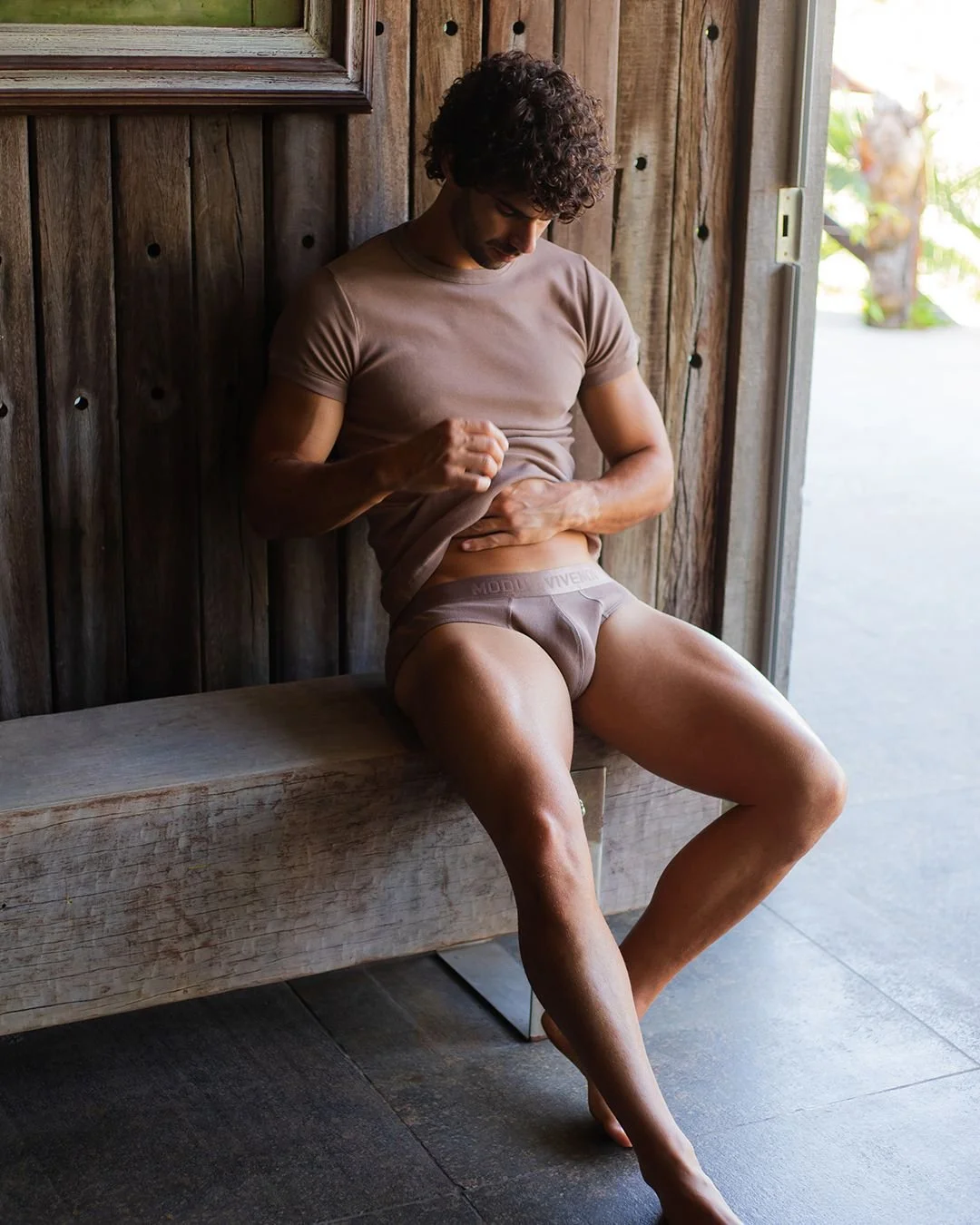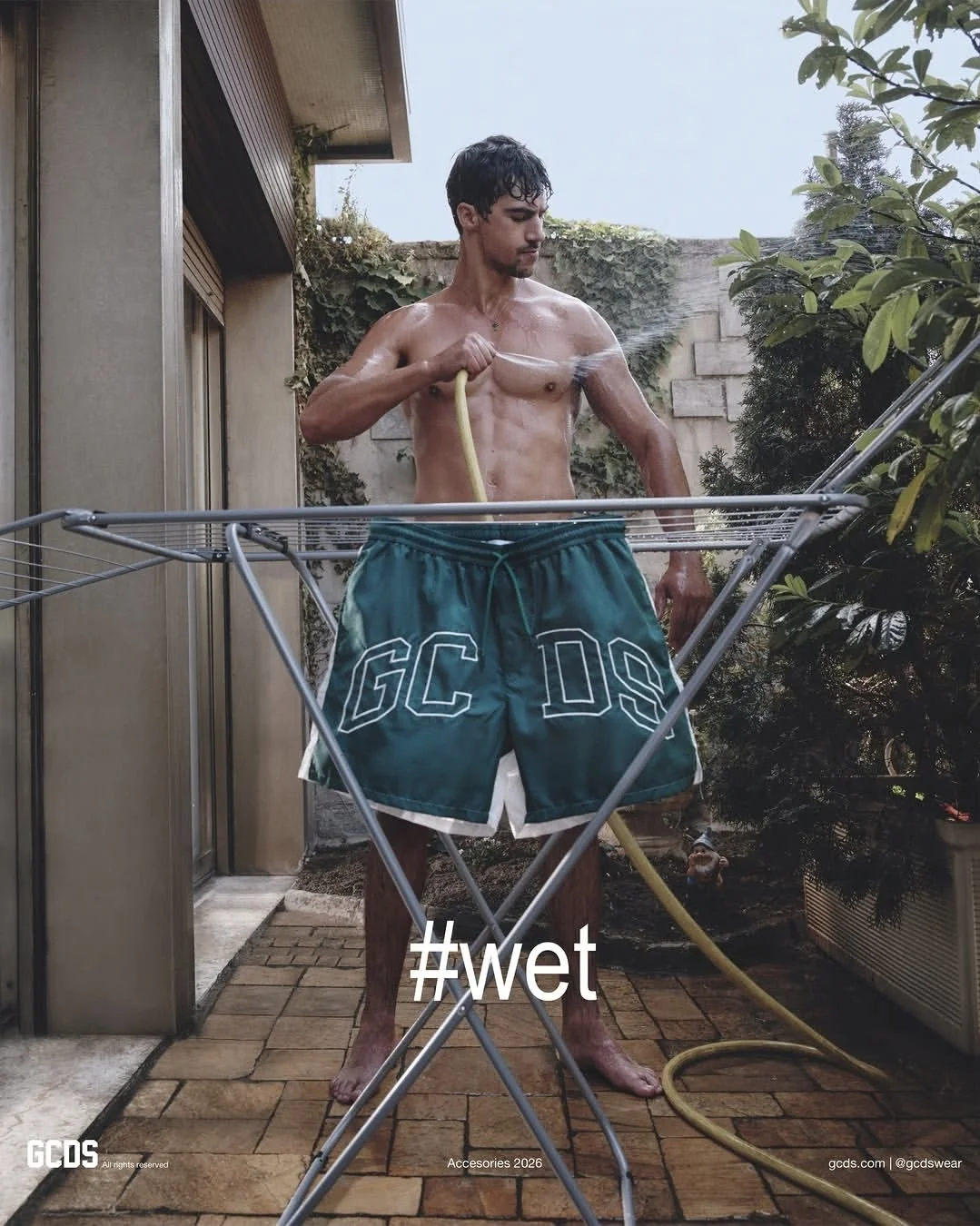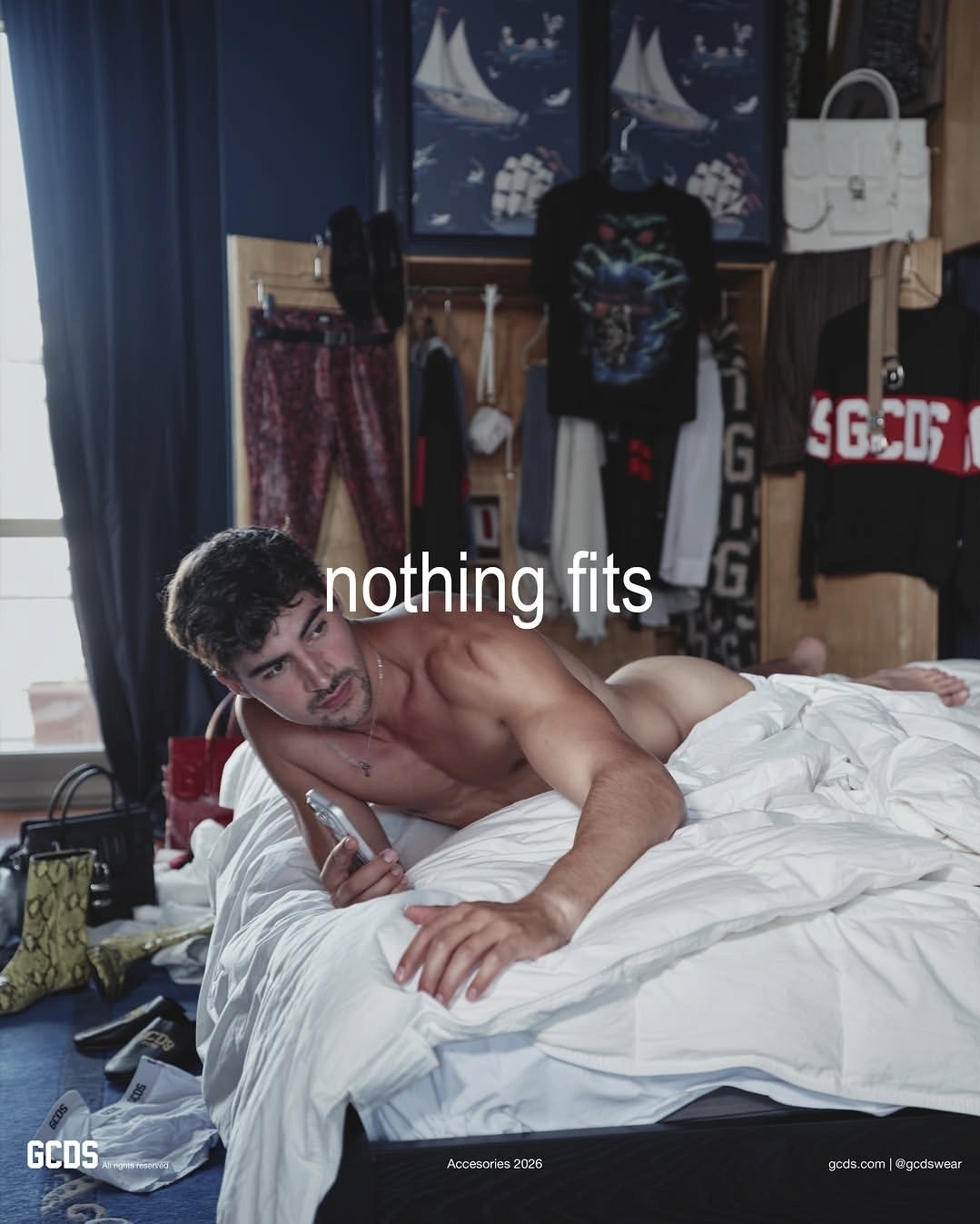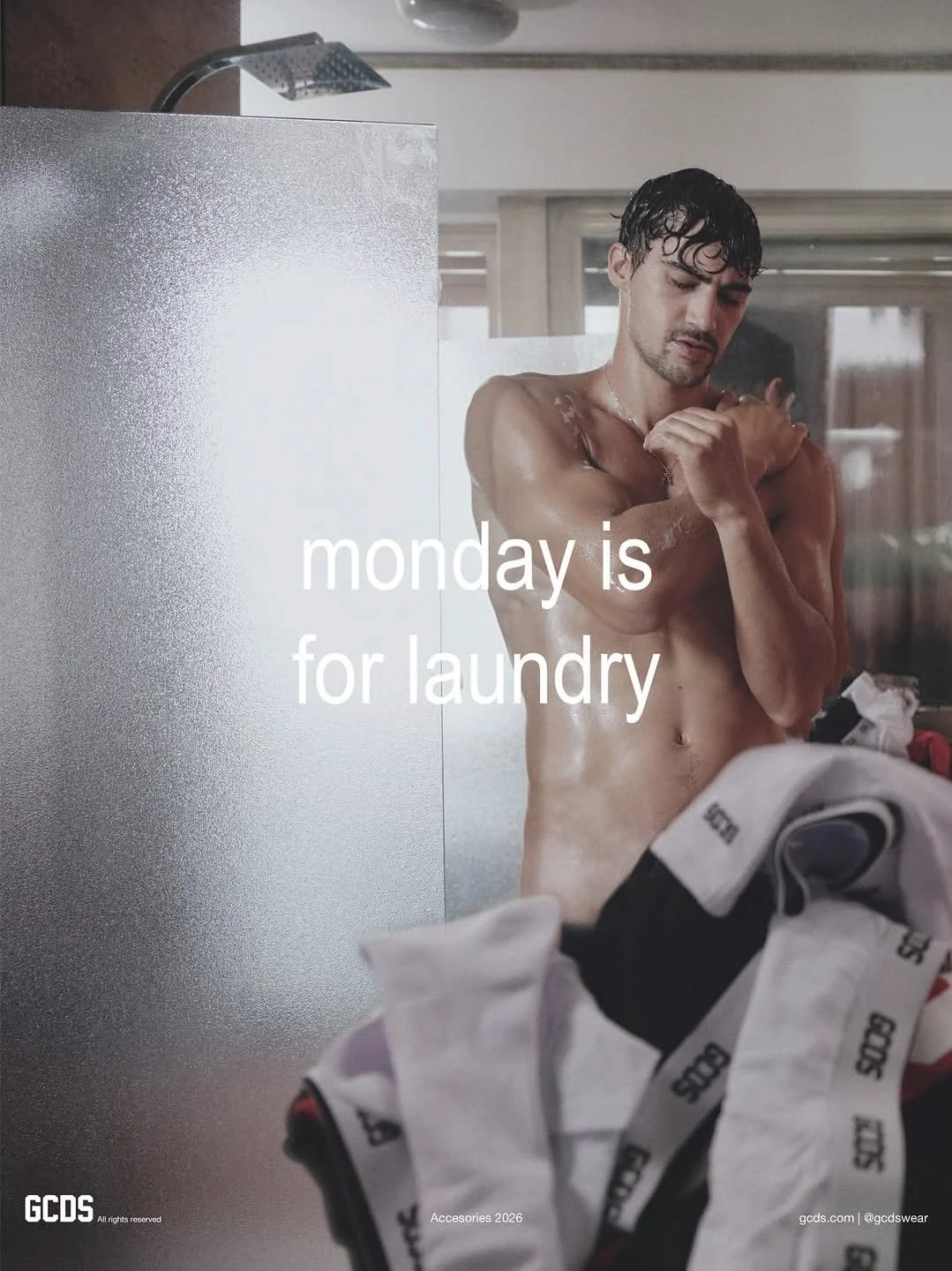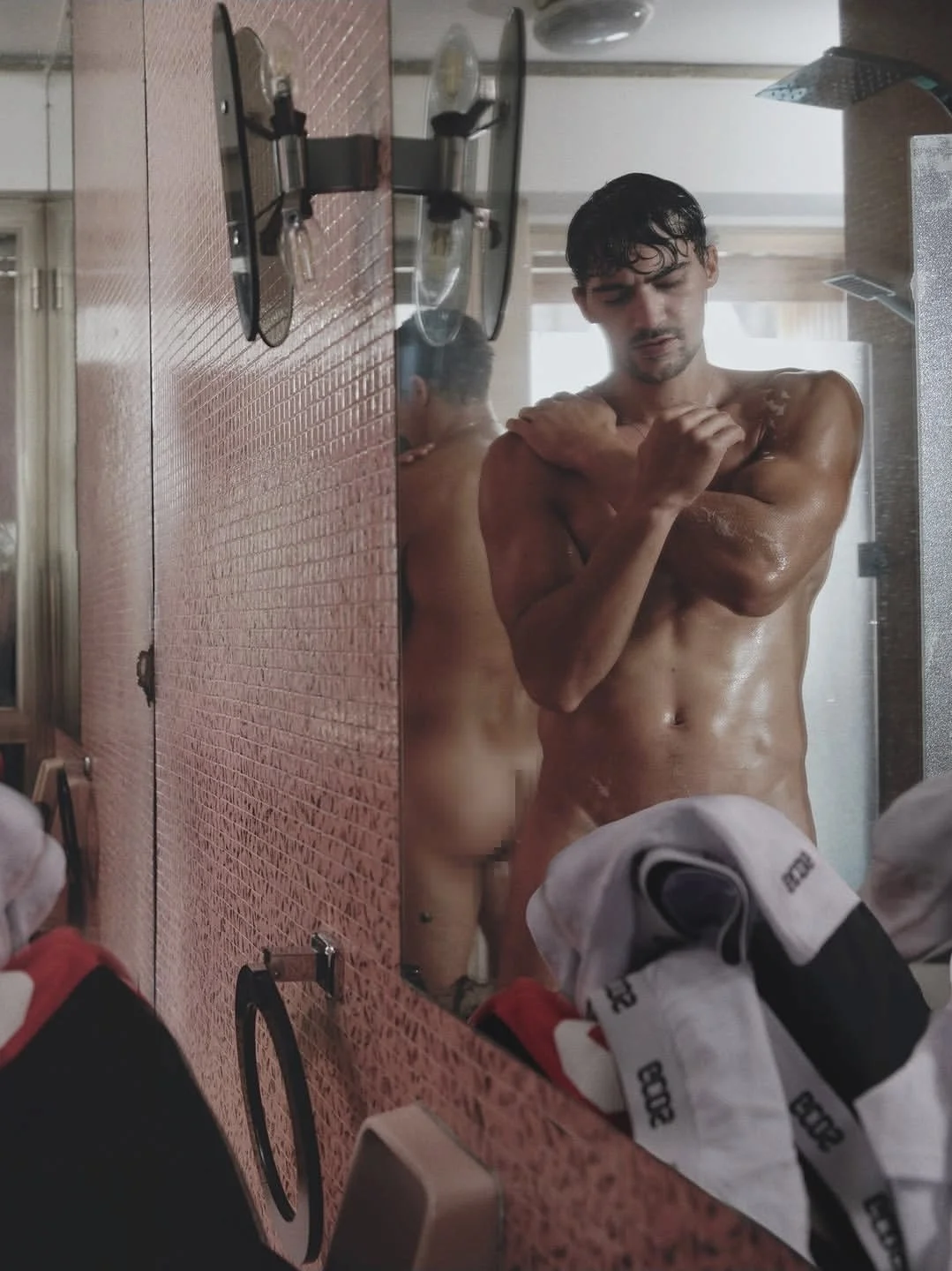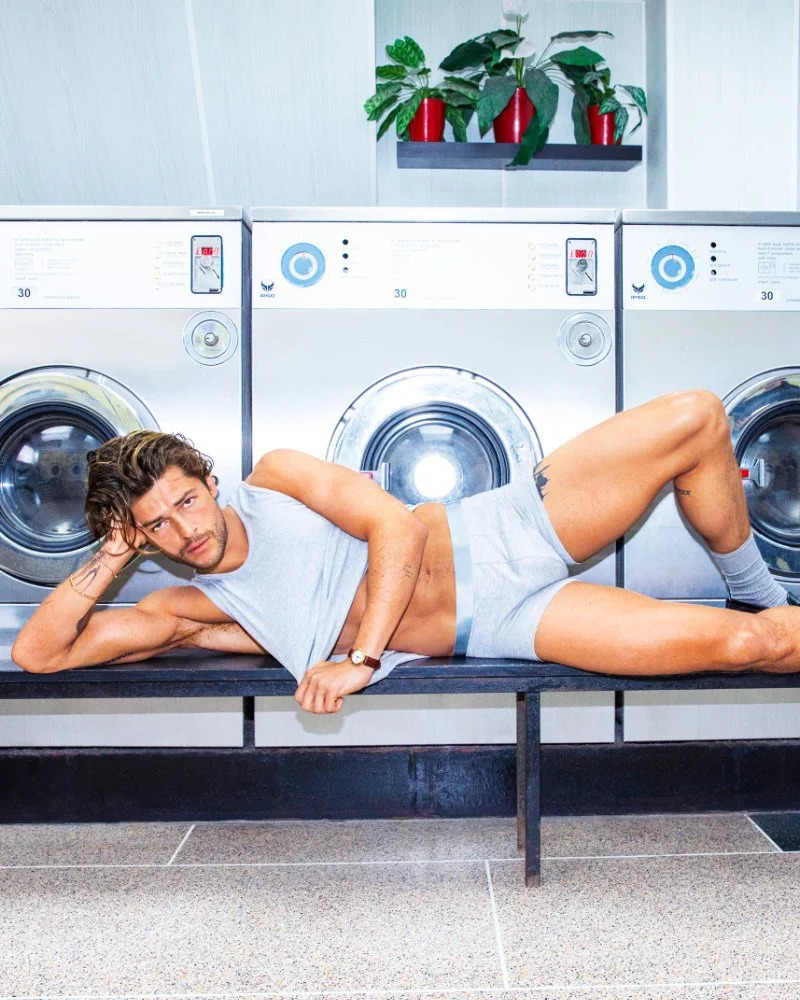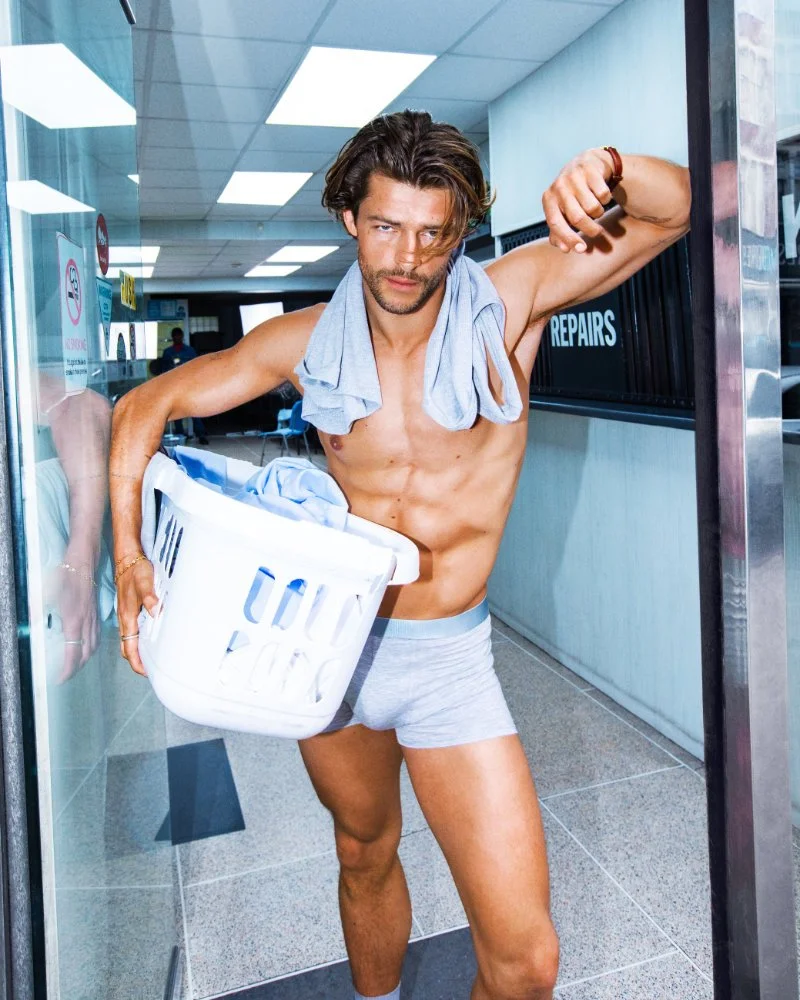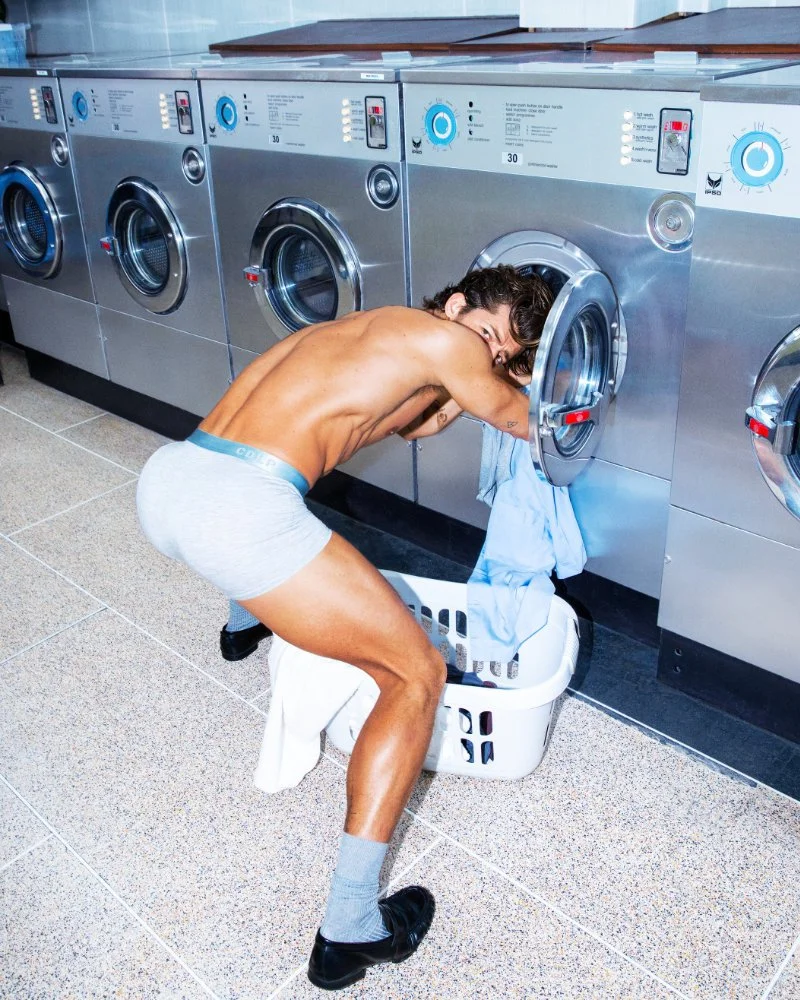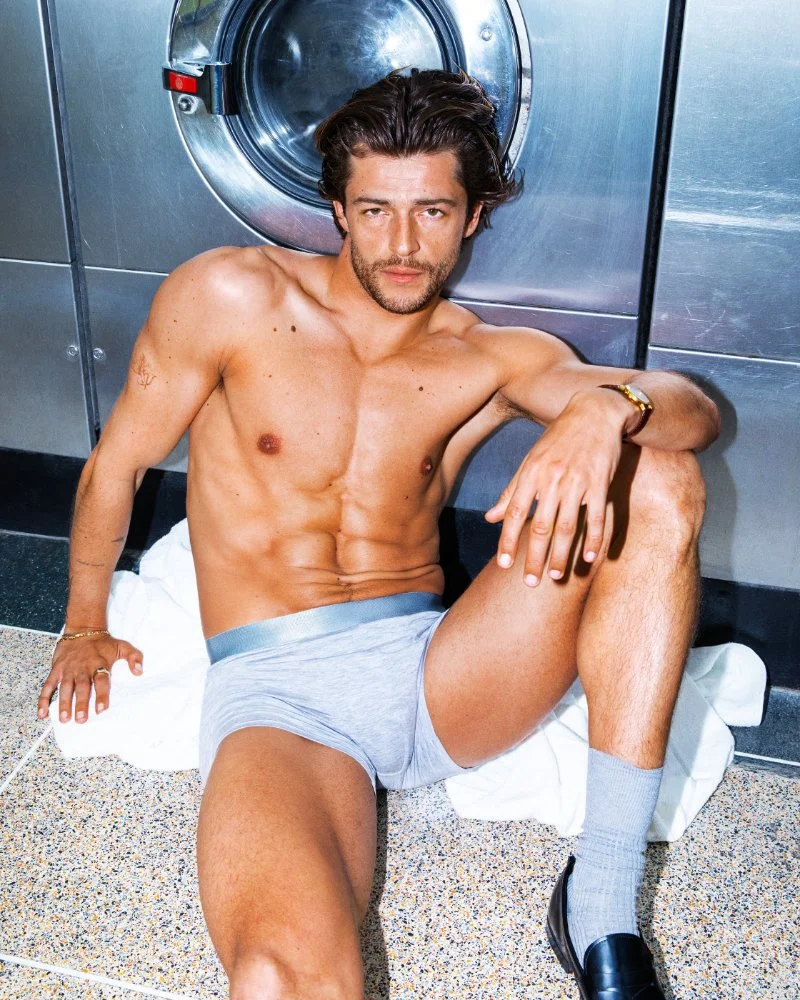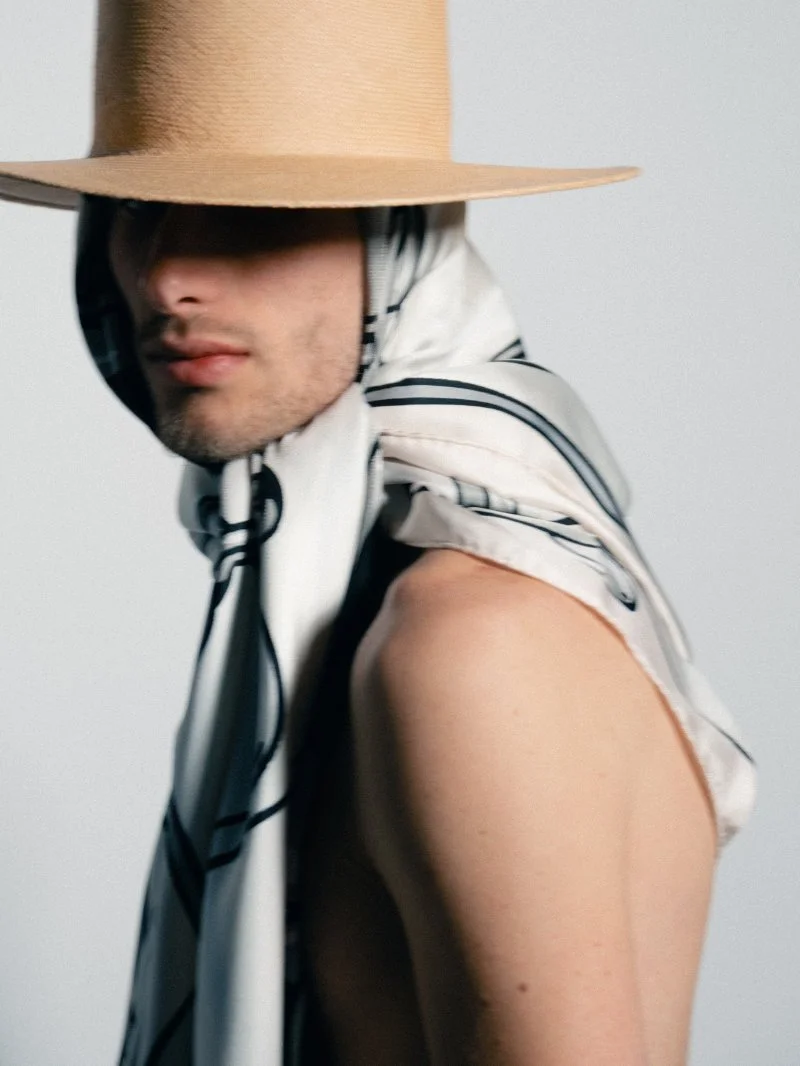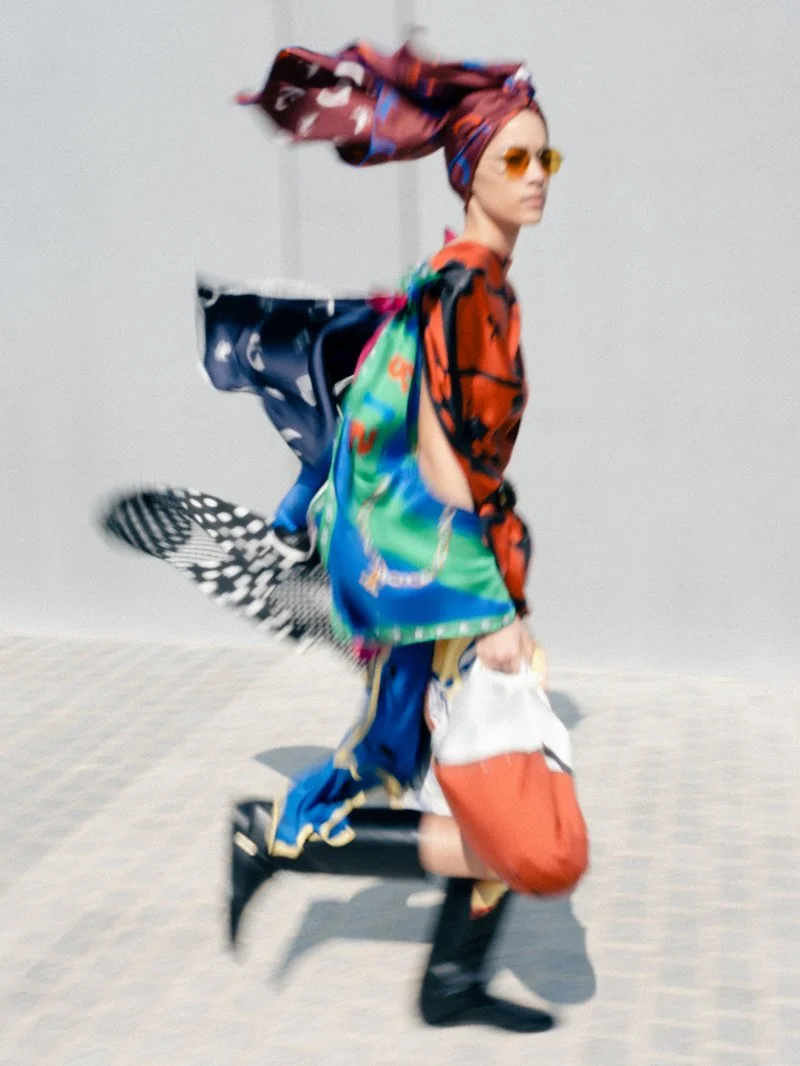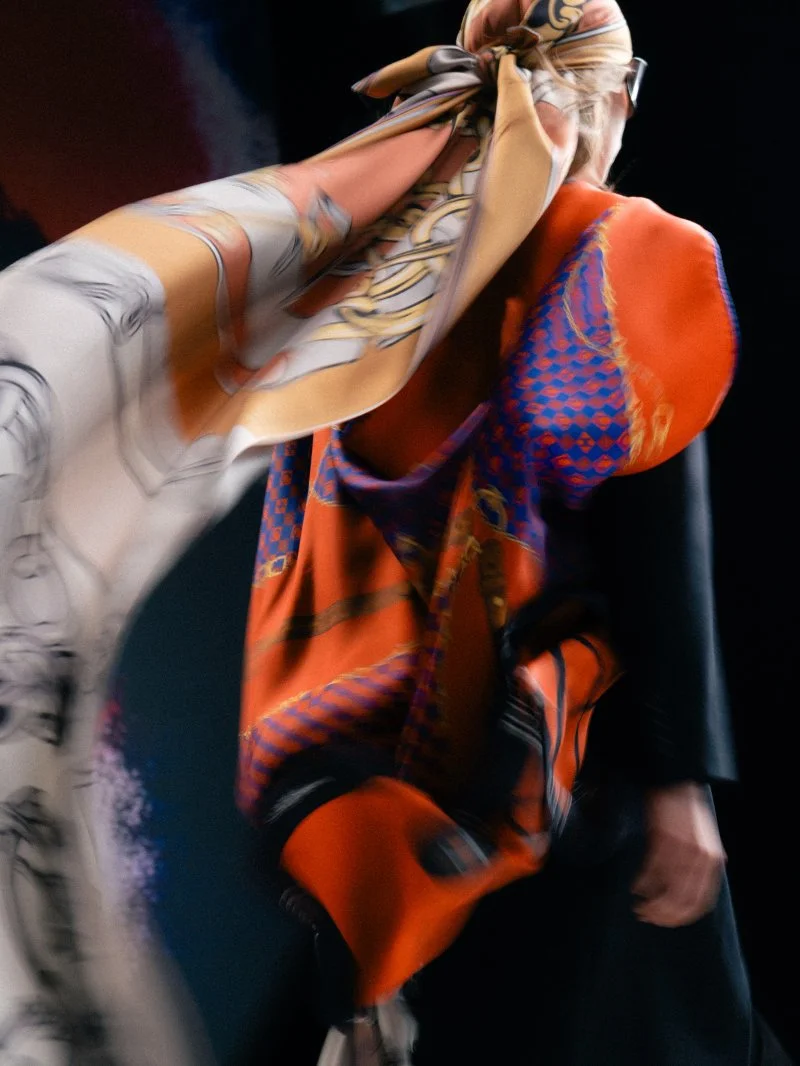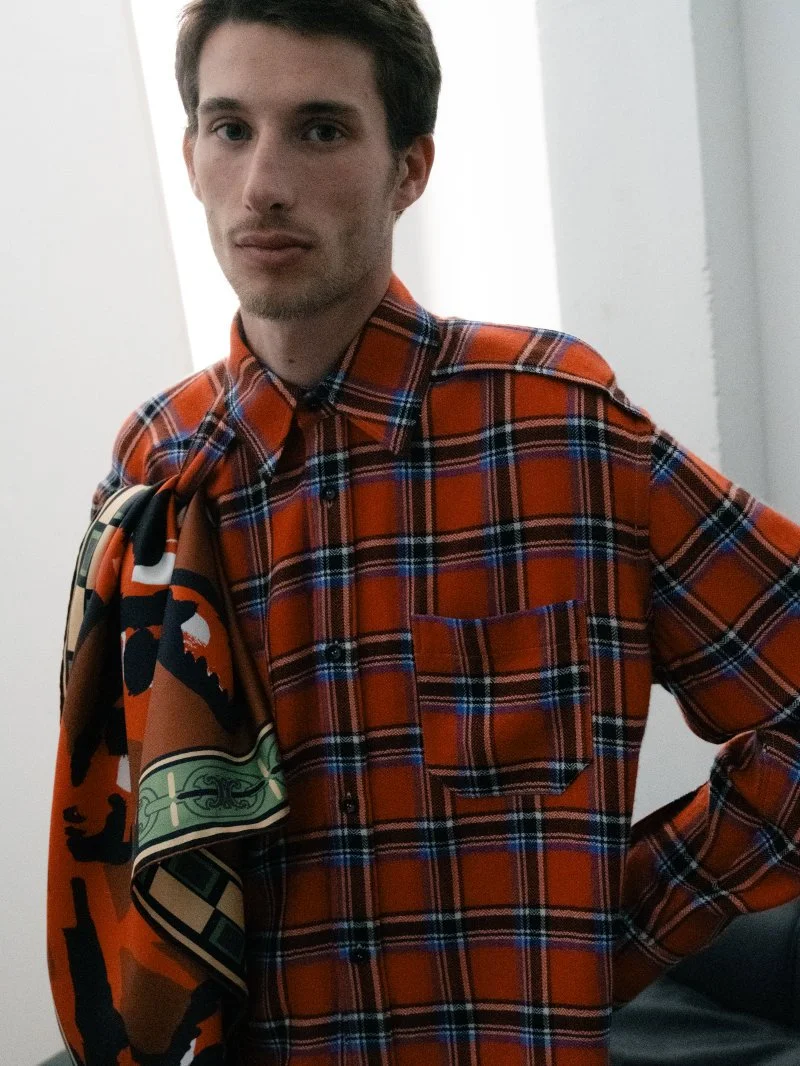
getting ready
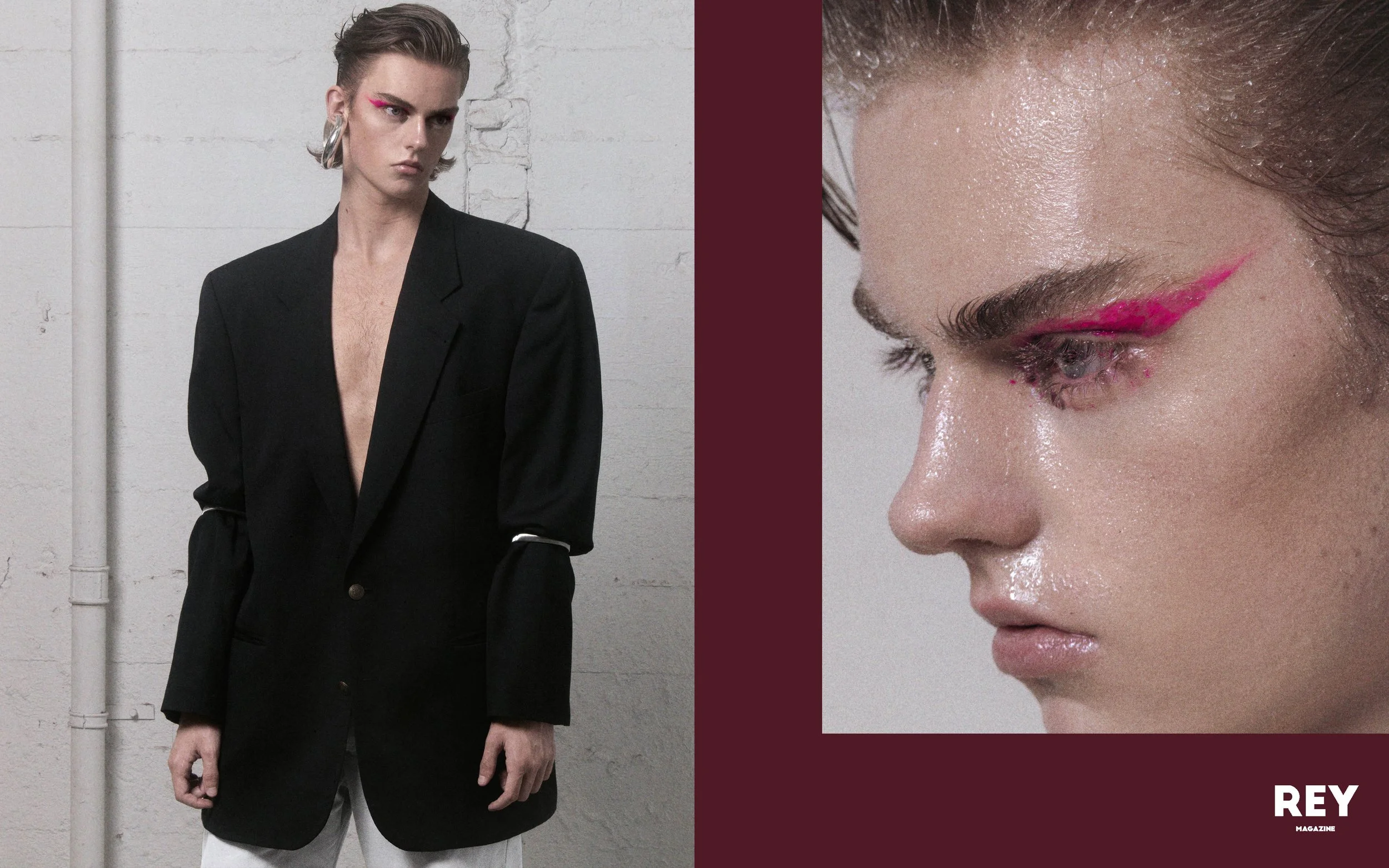
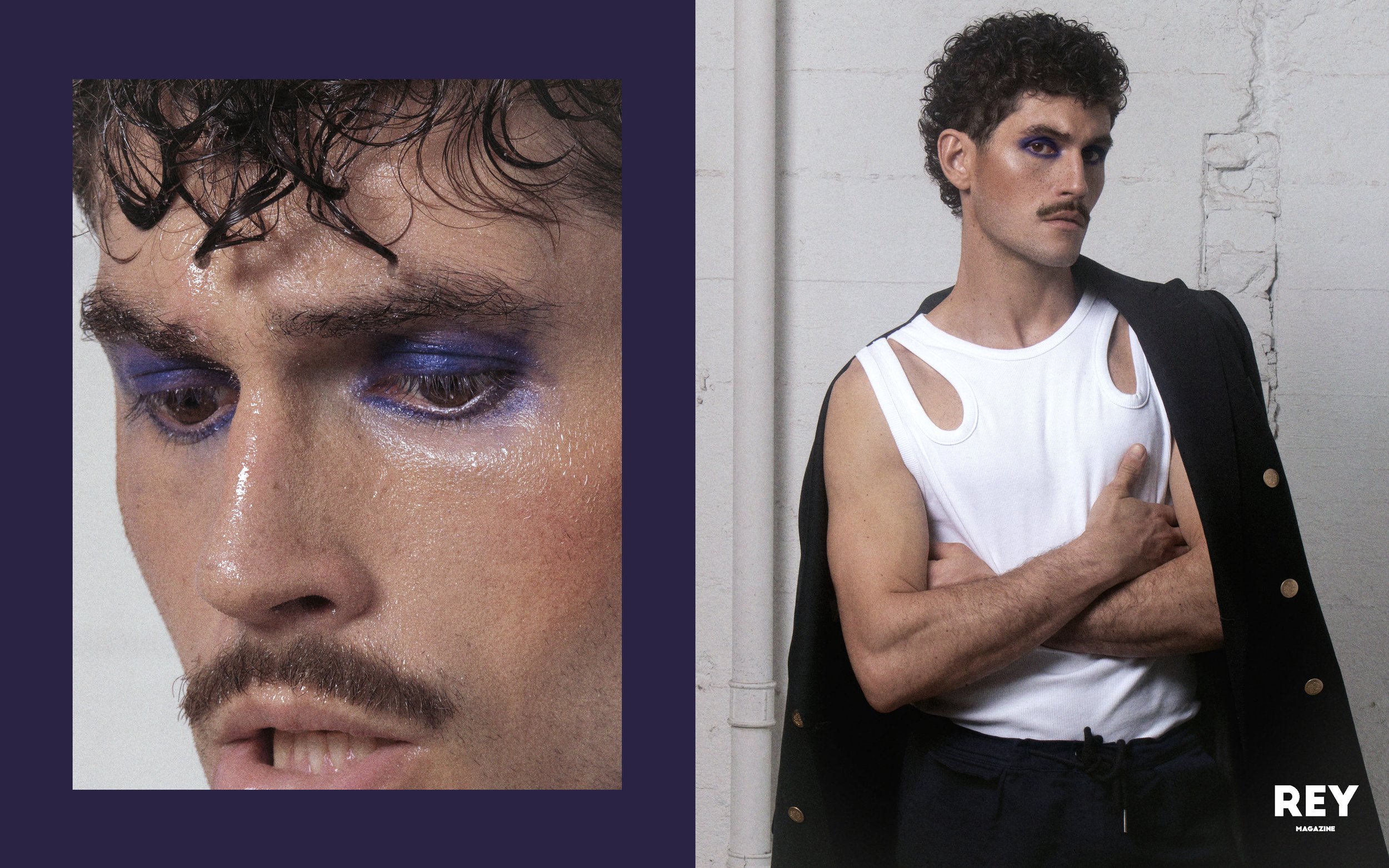
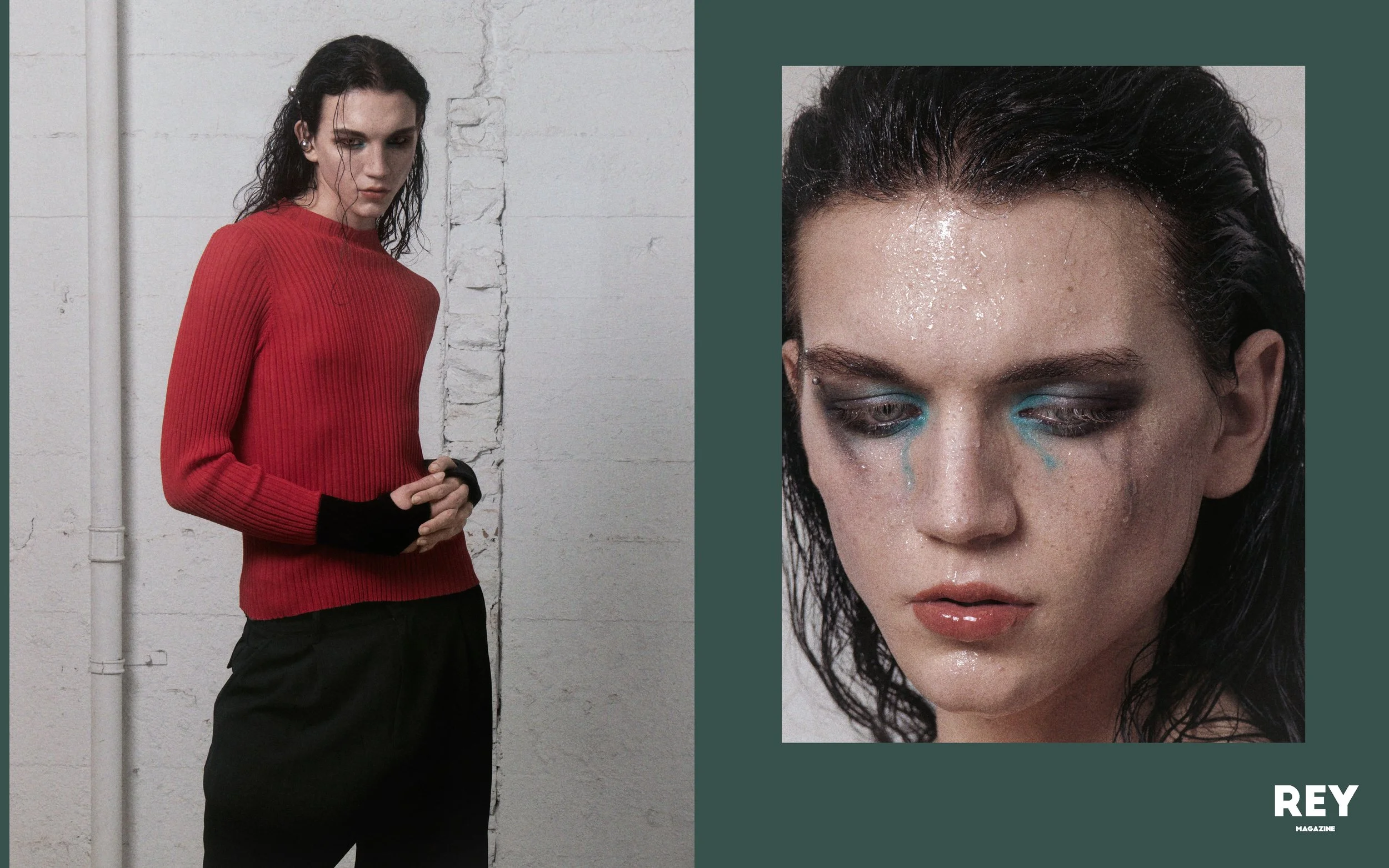
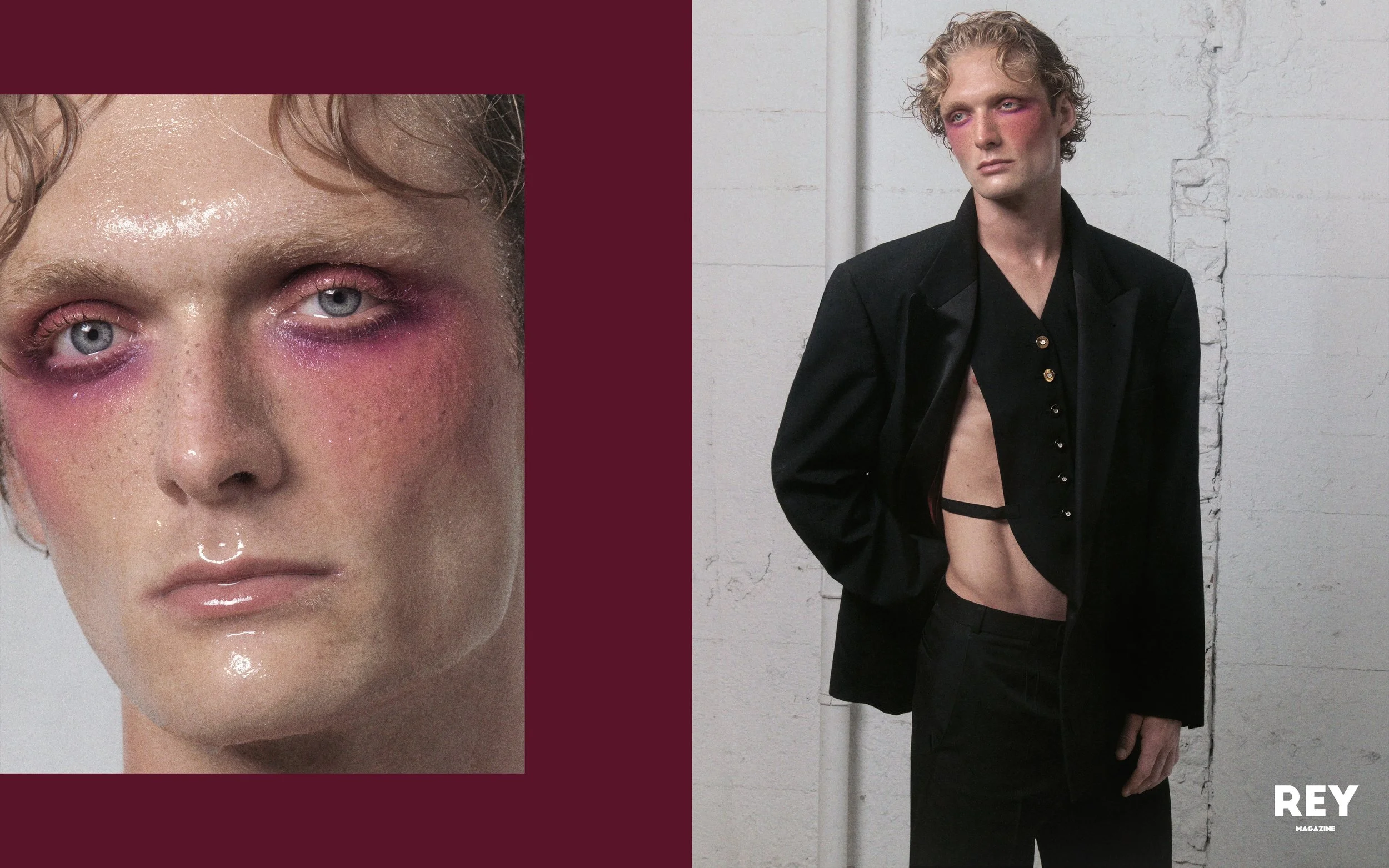
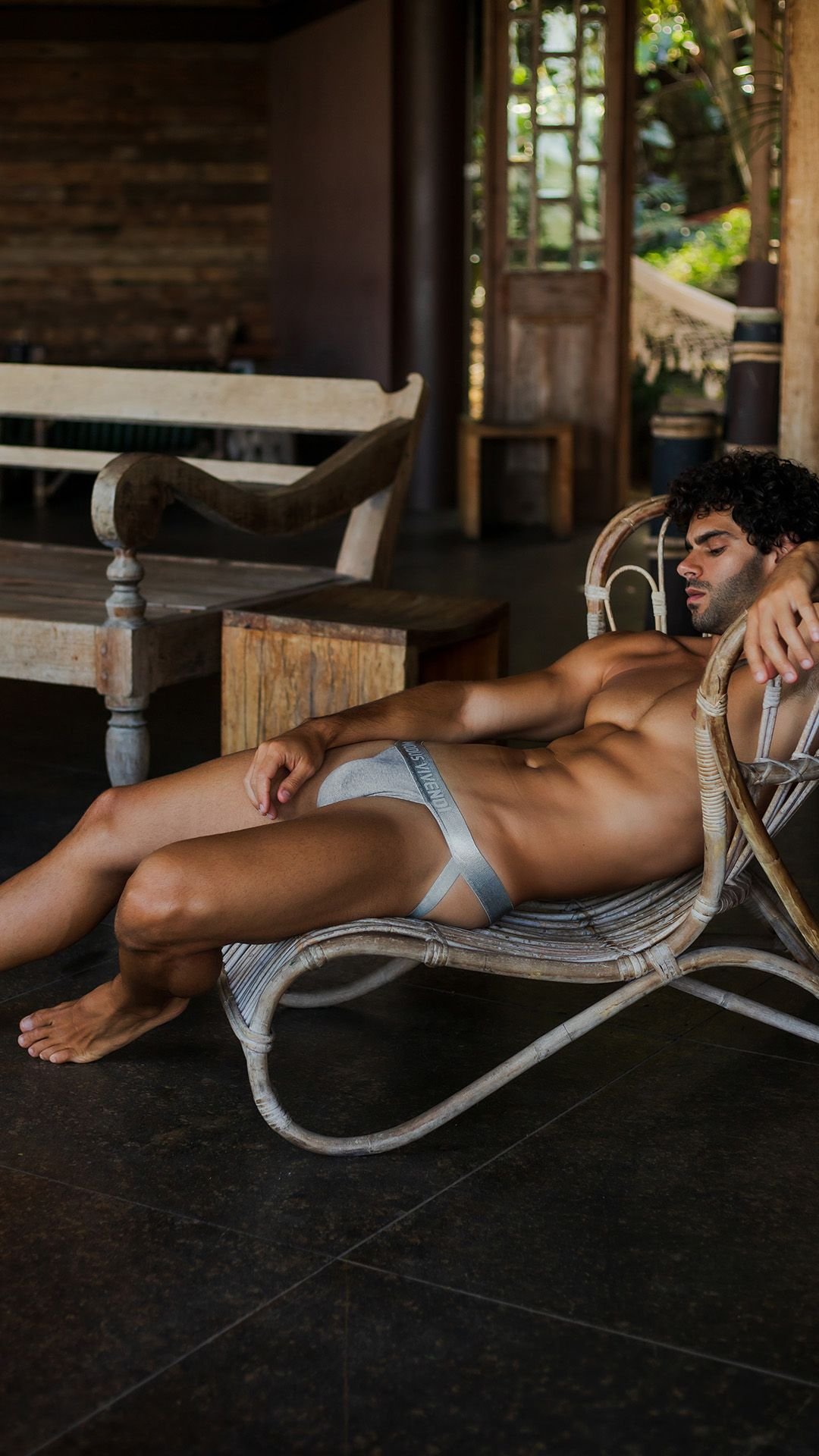
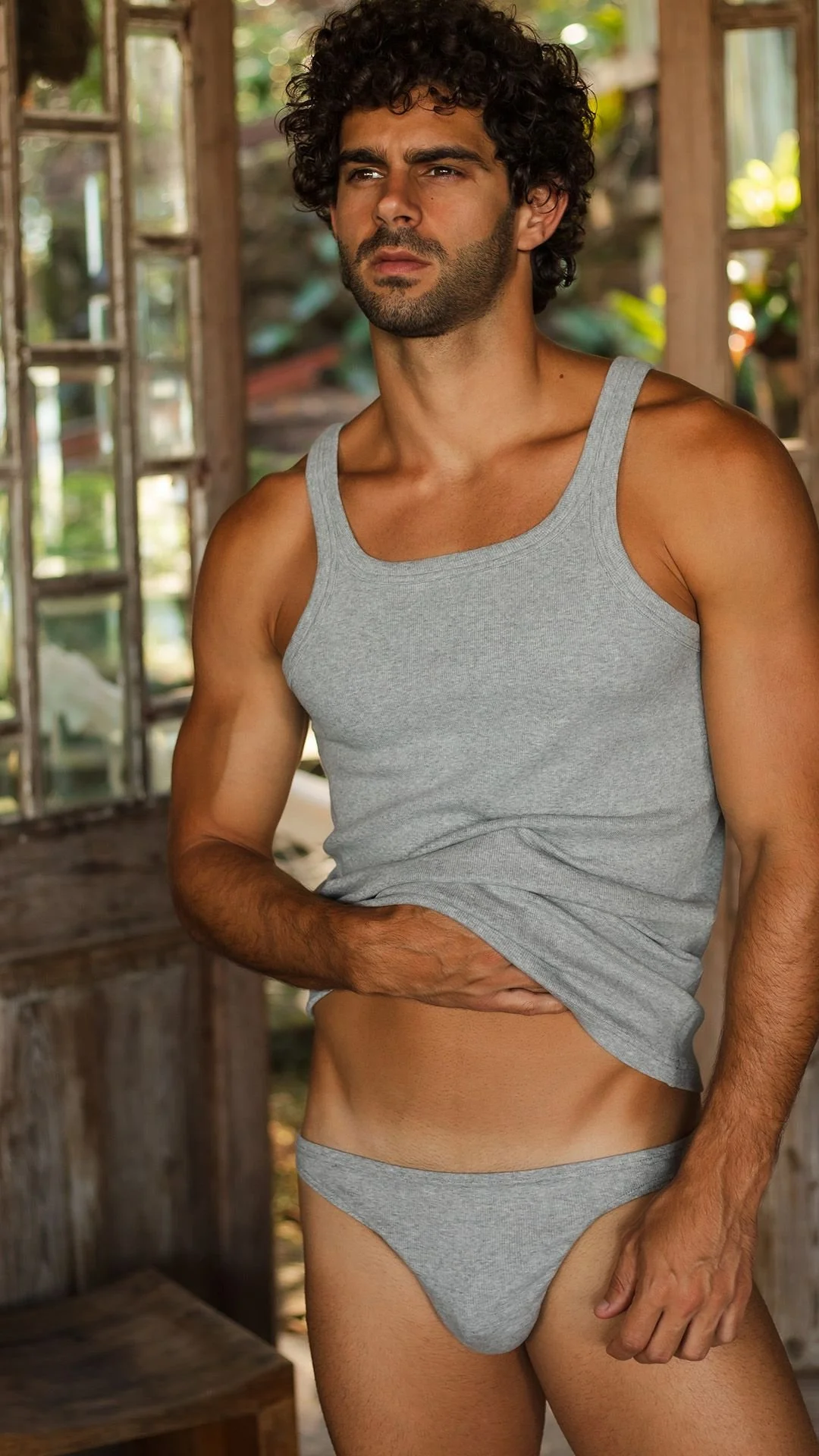
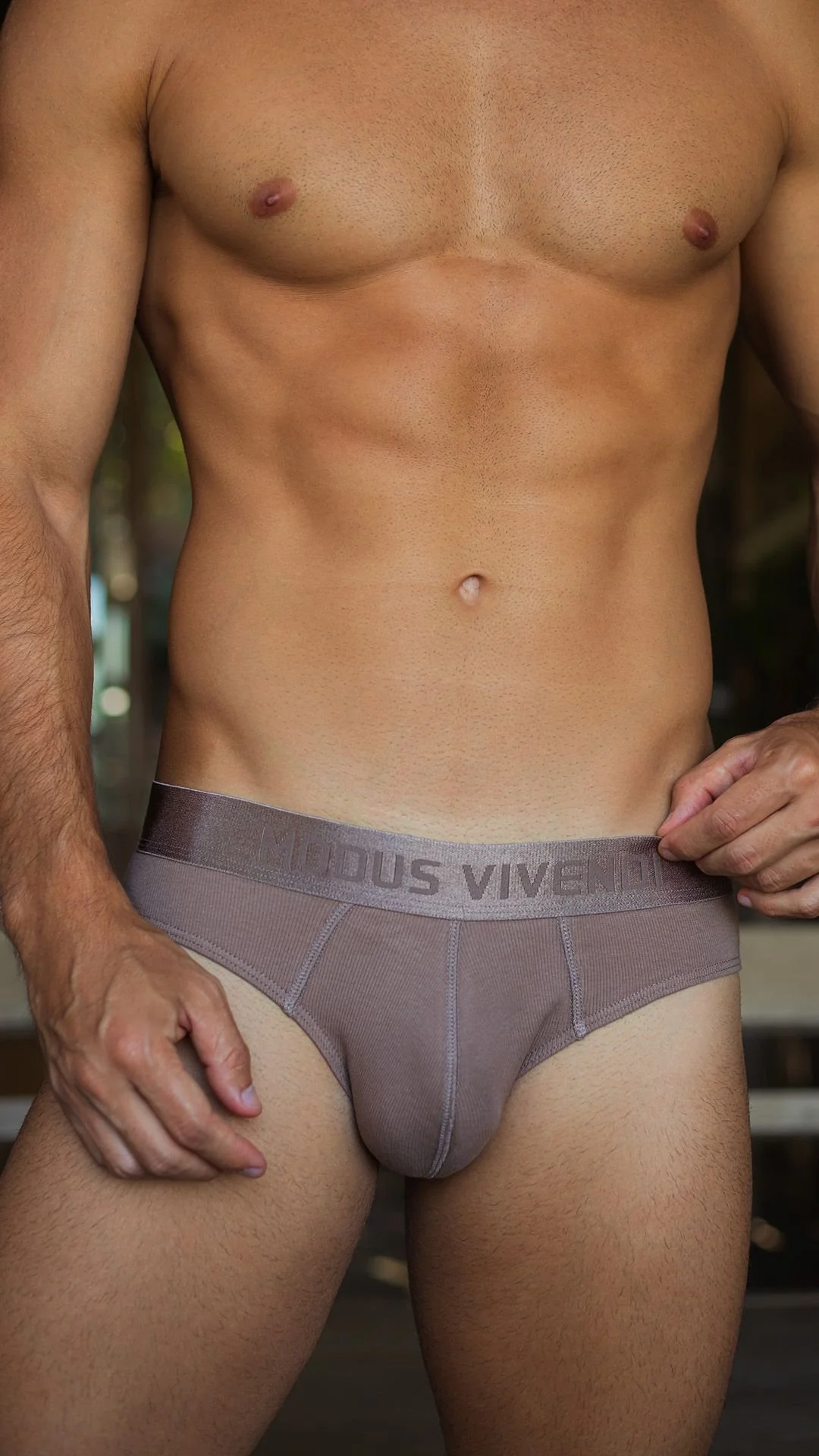
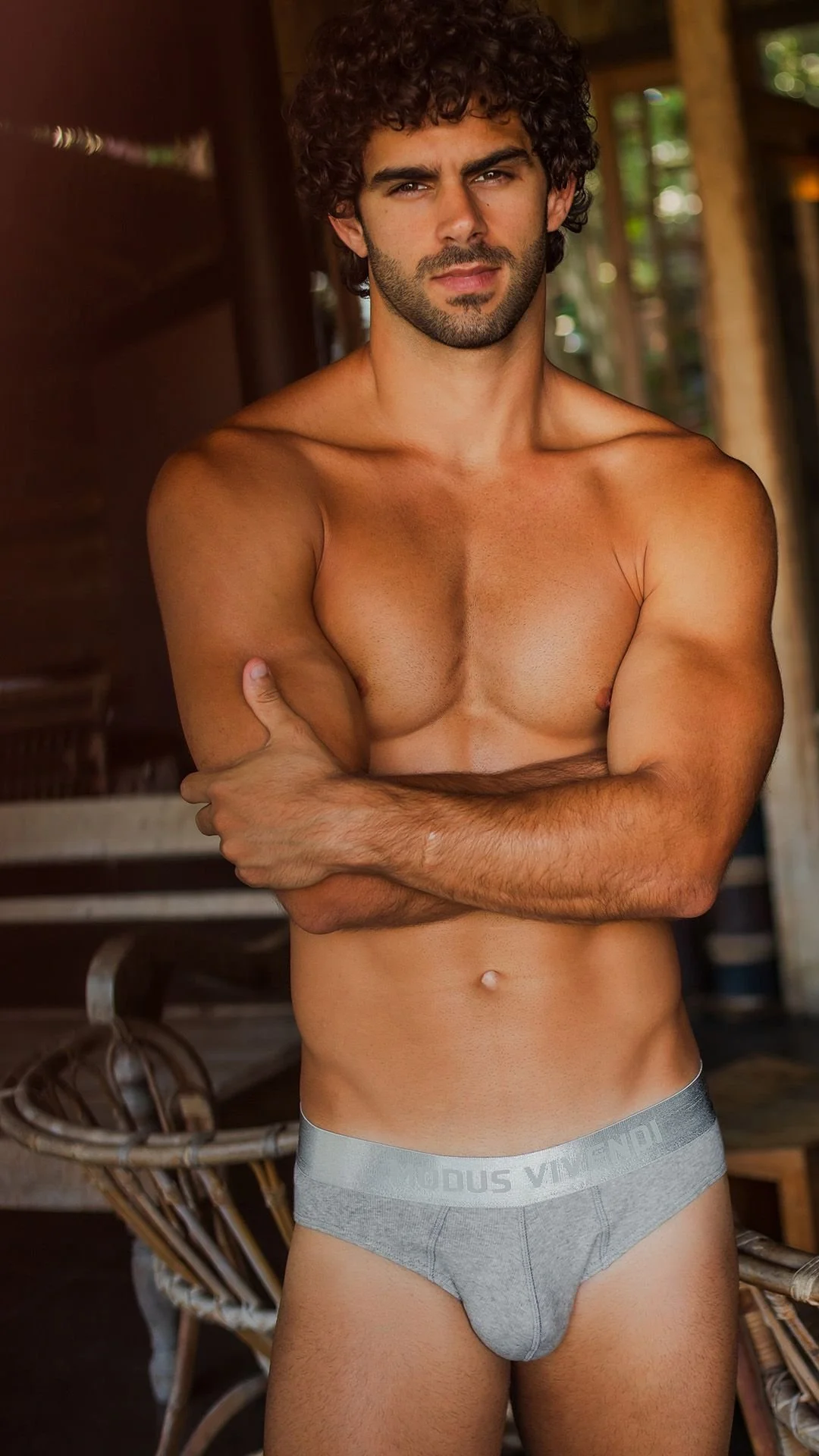
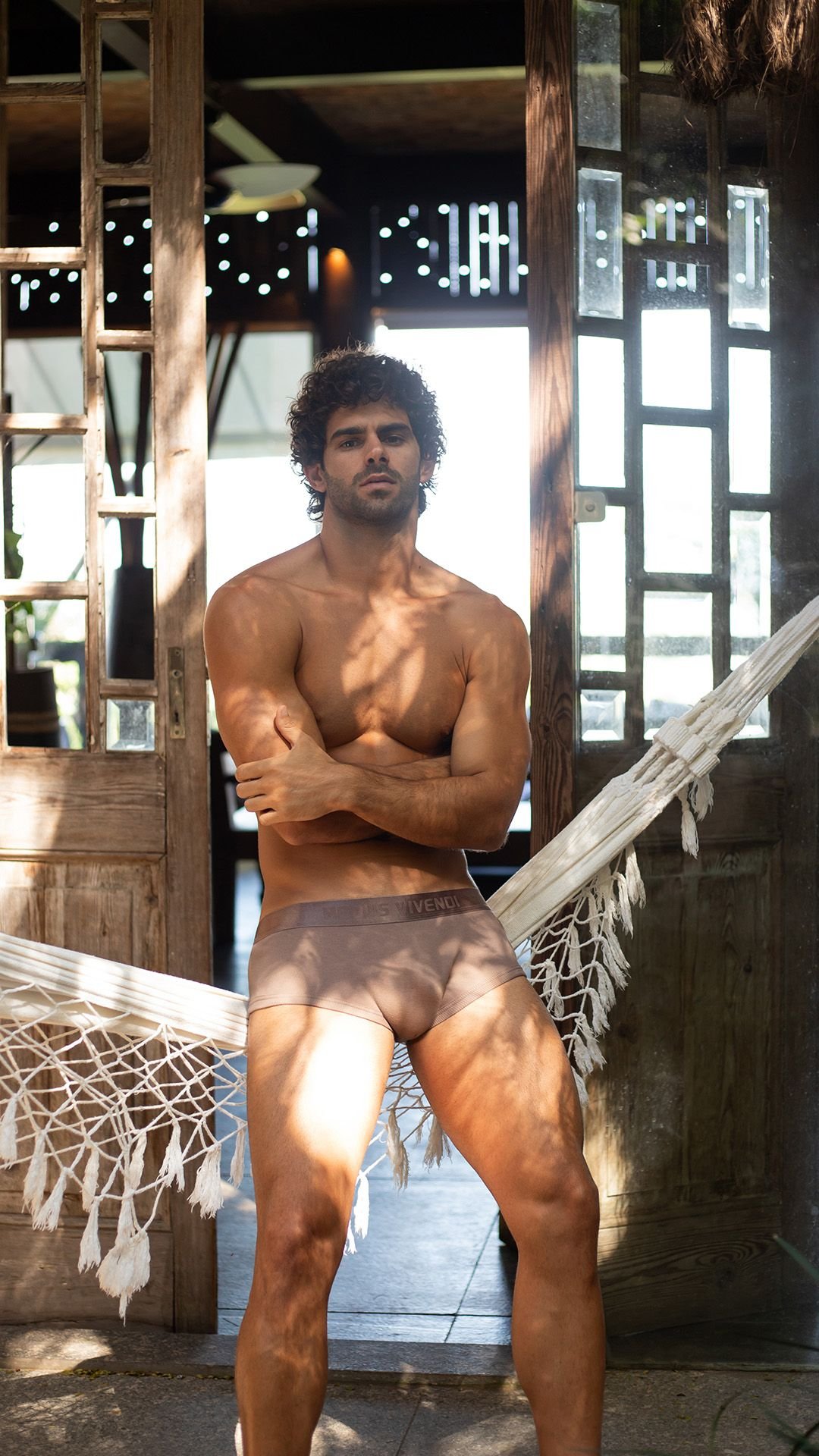
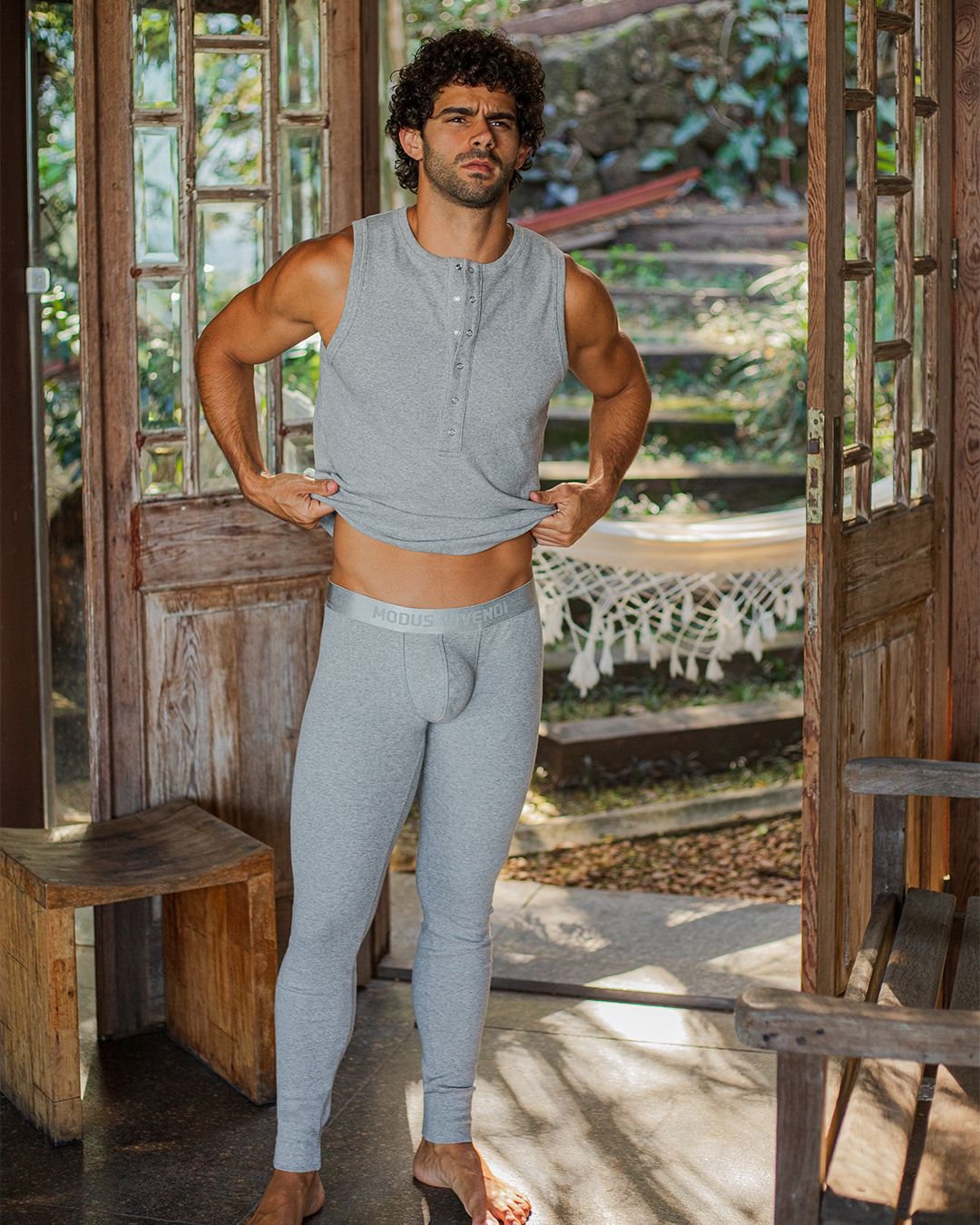
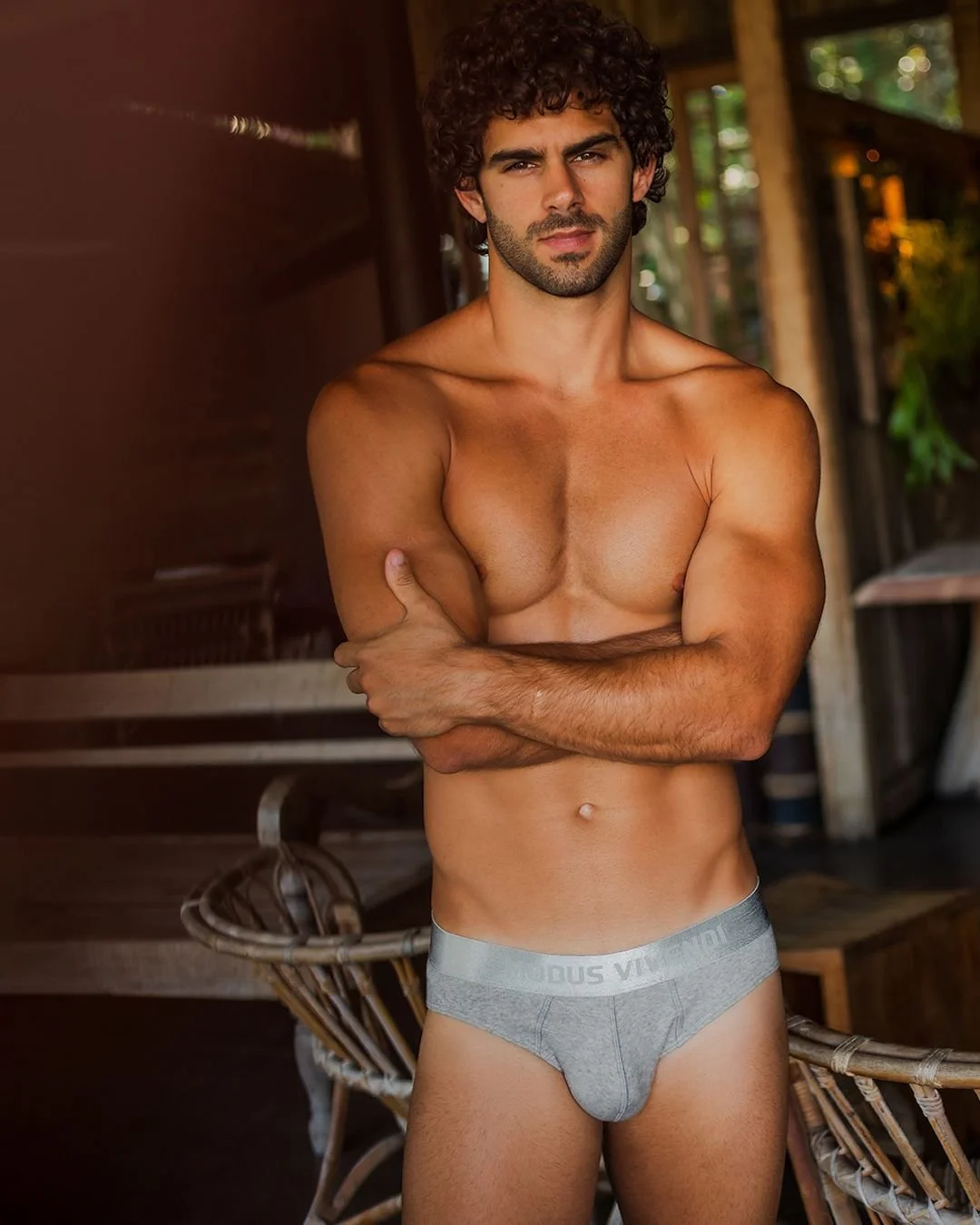
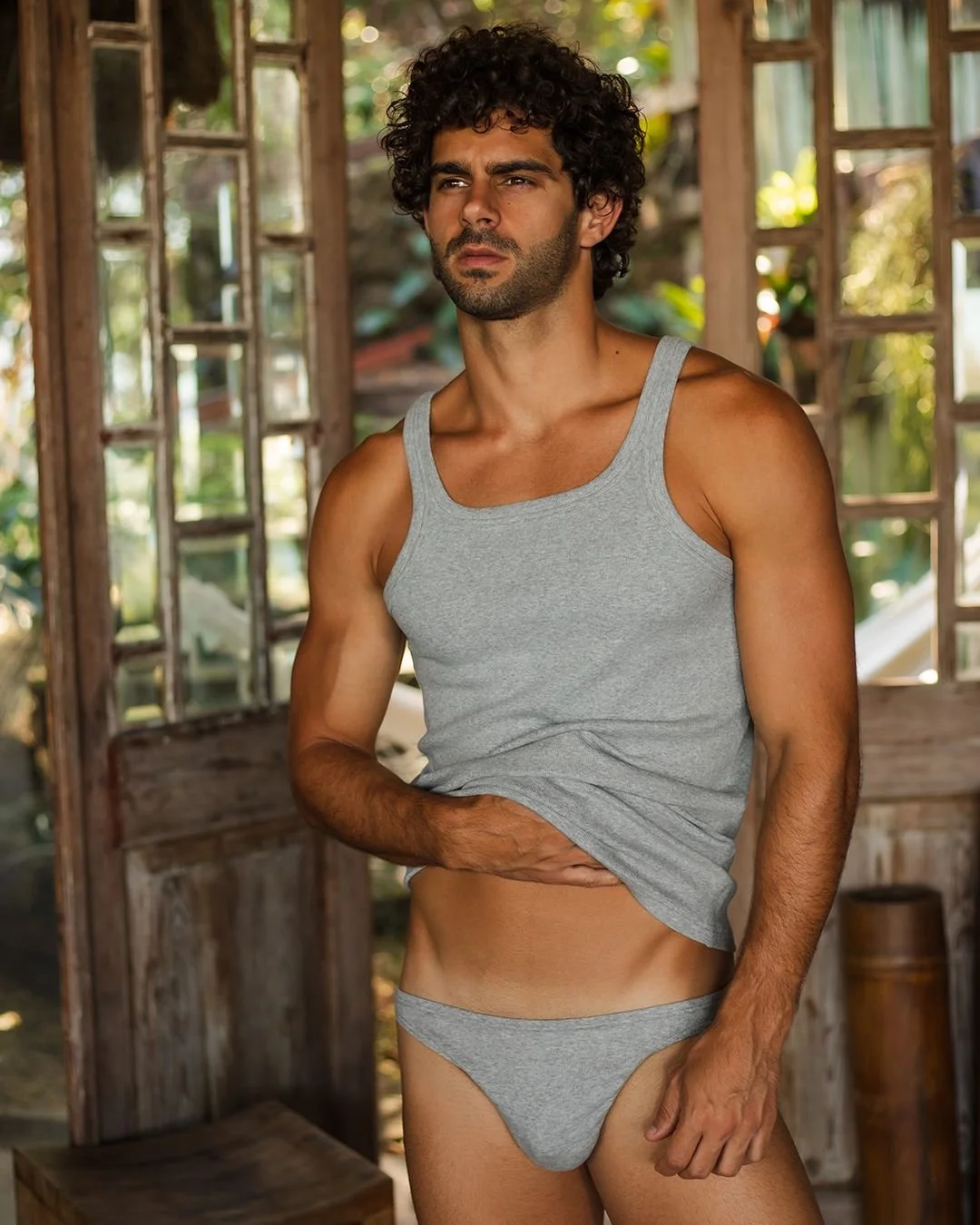
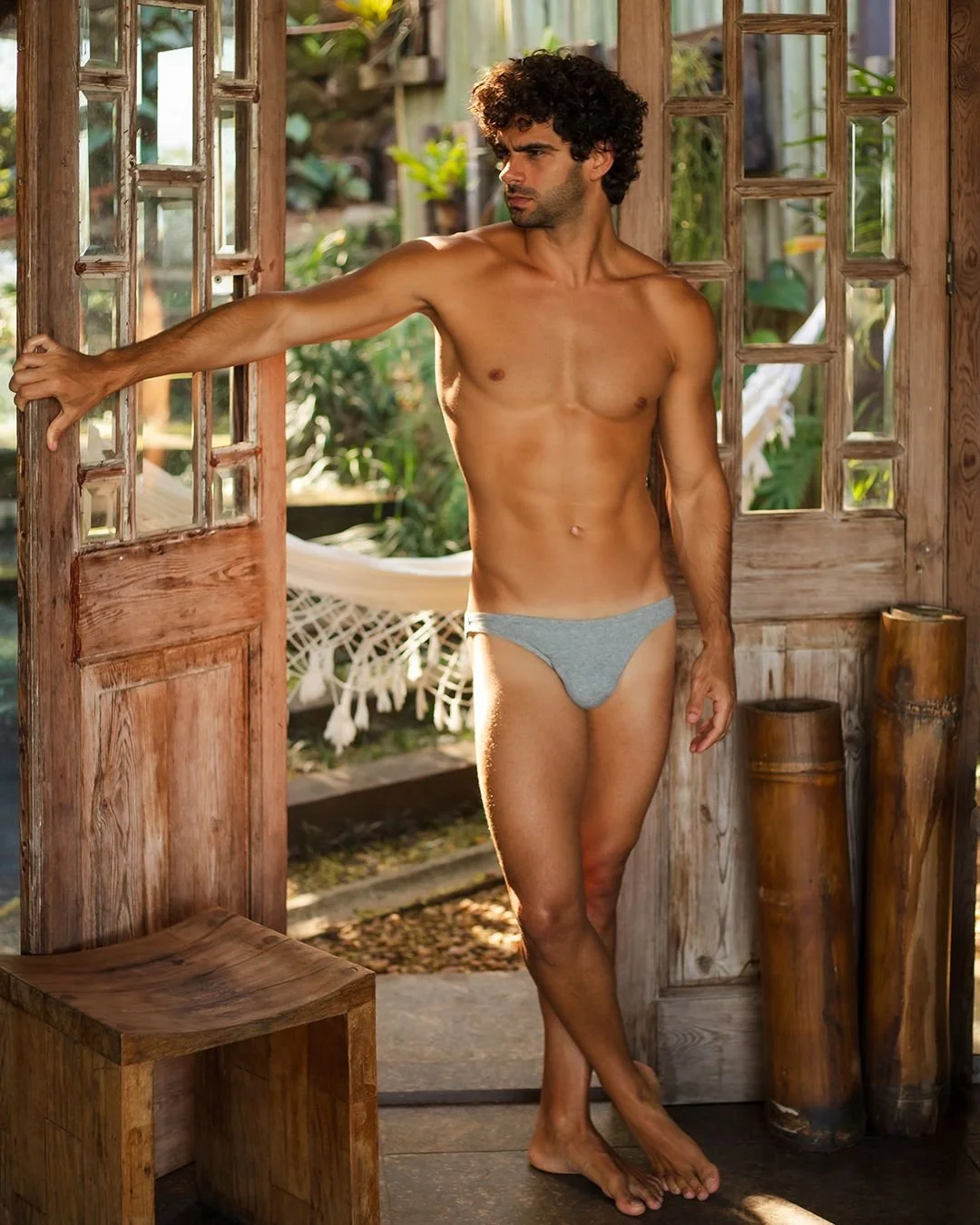
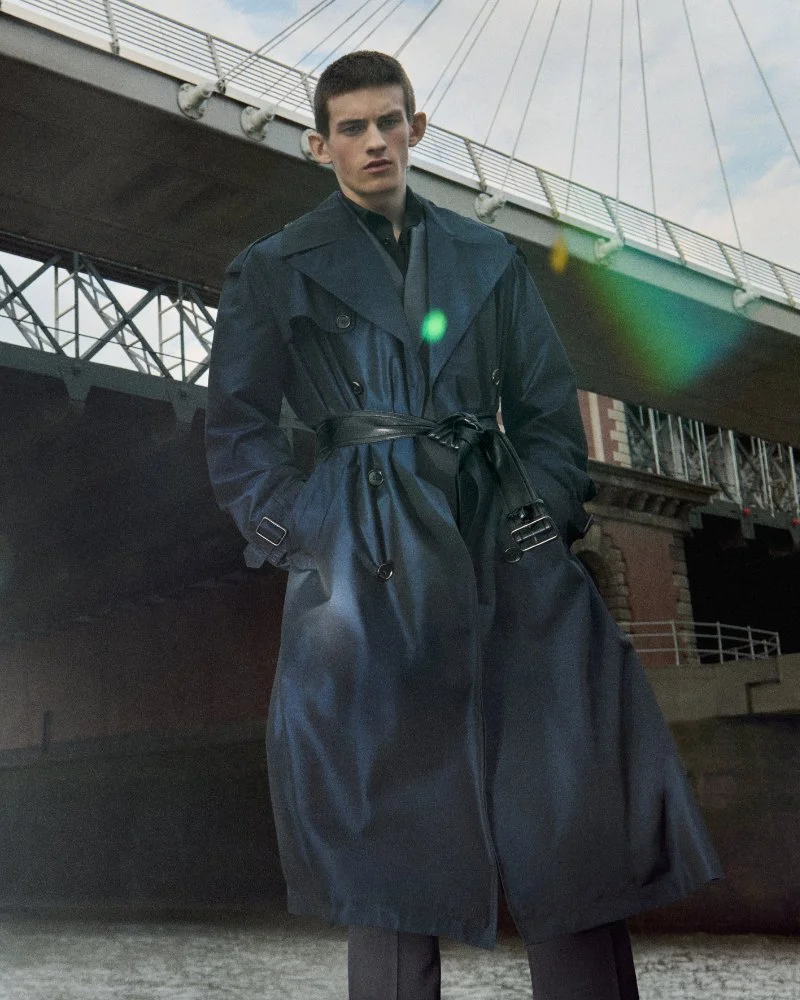
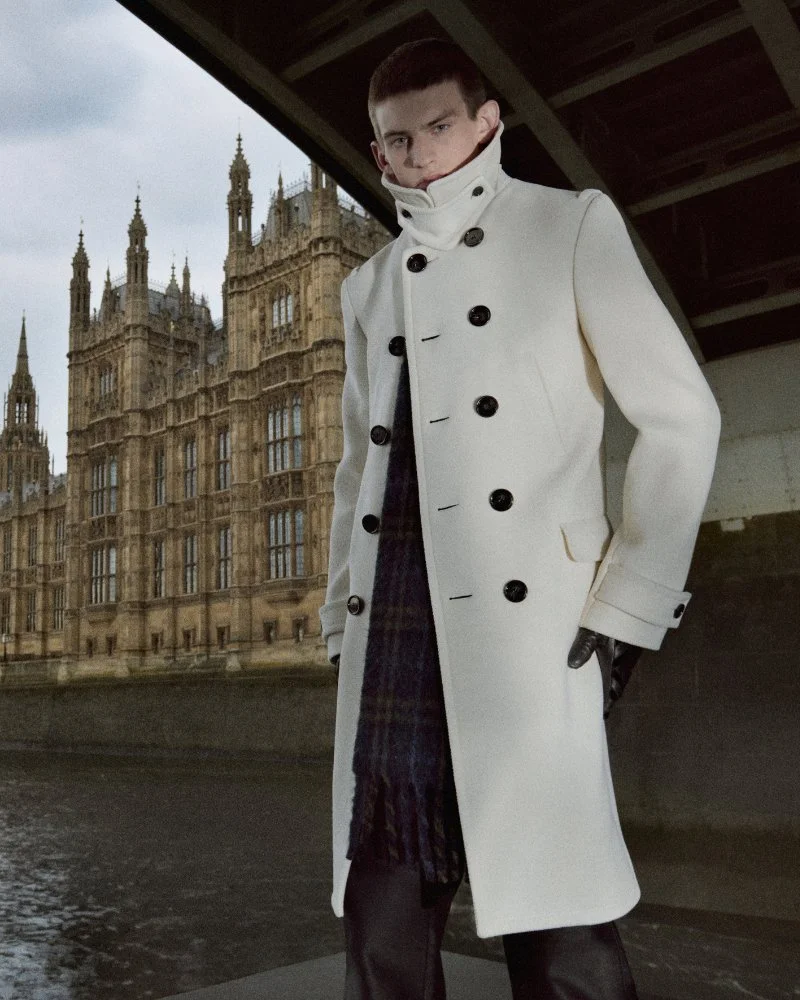
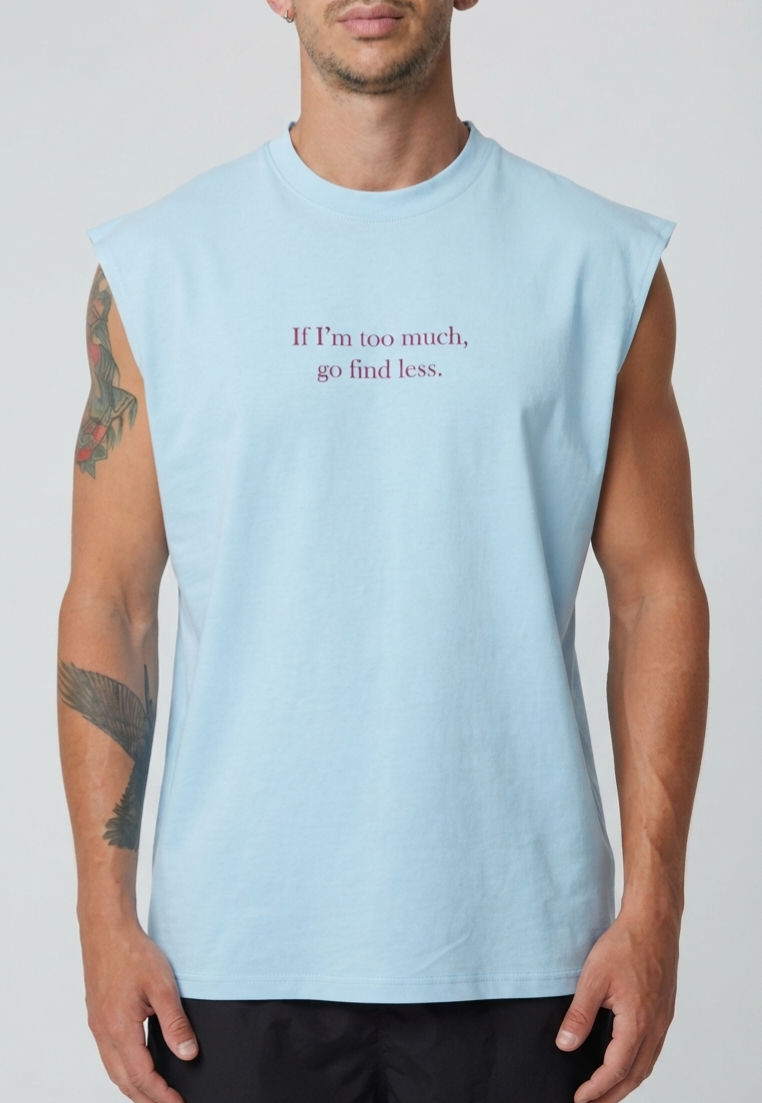
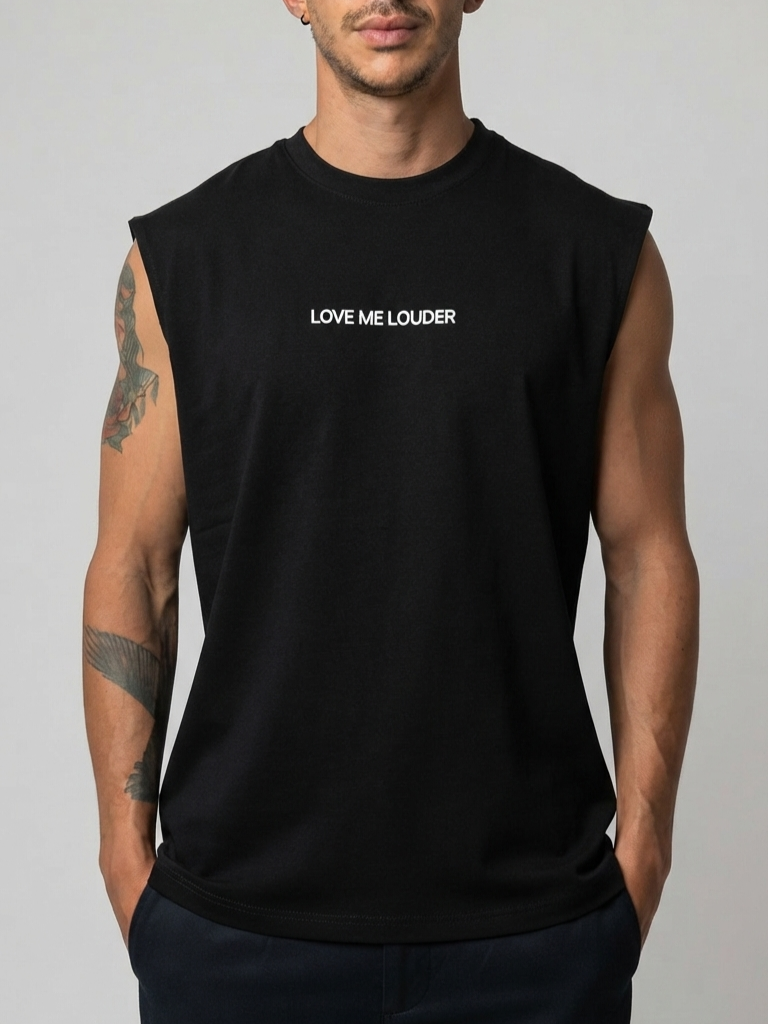
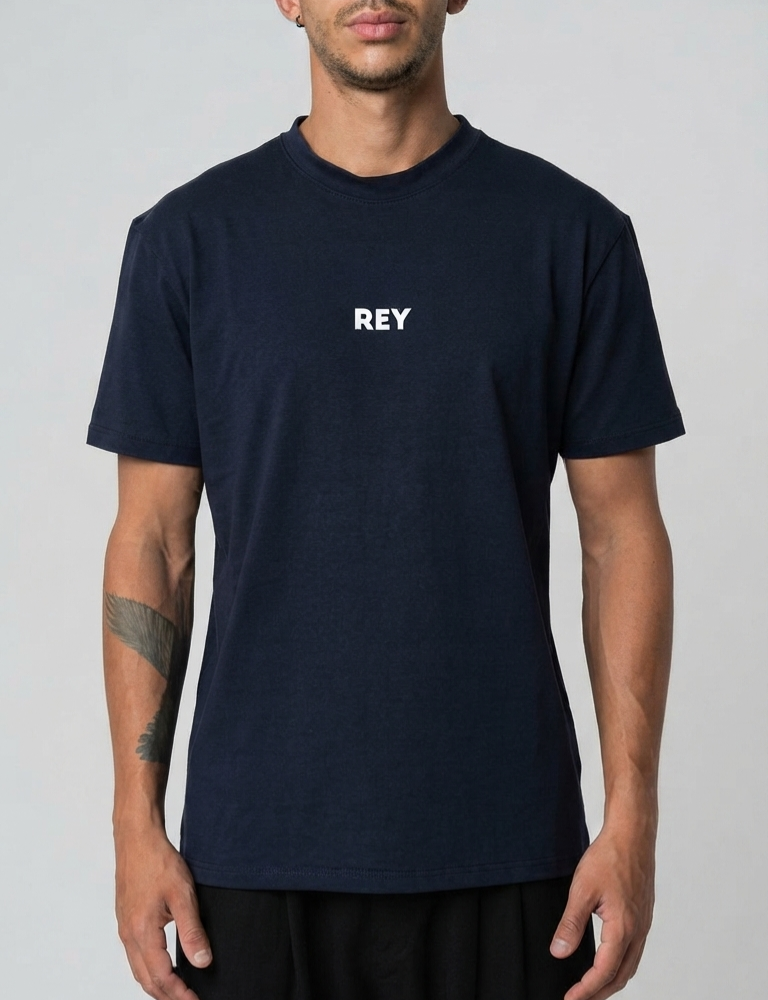
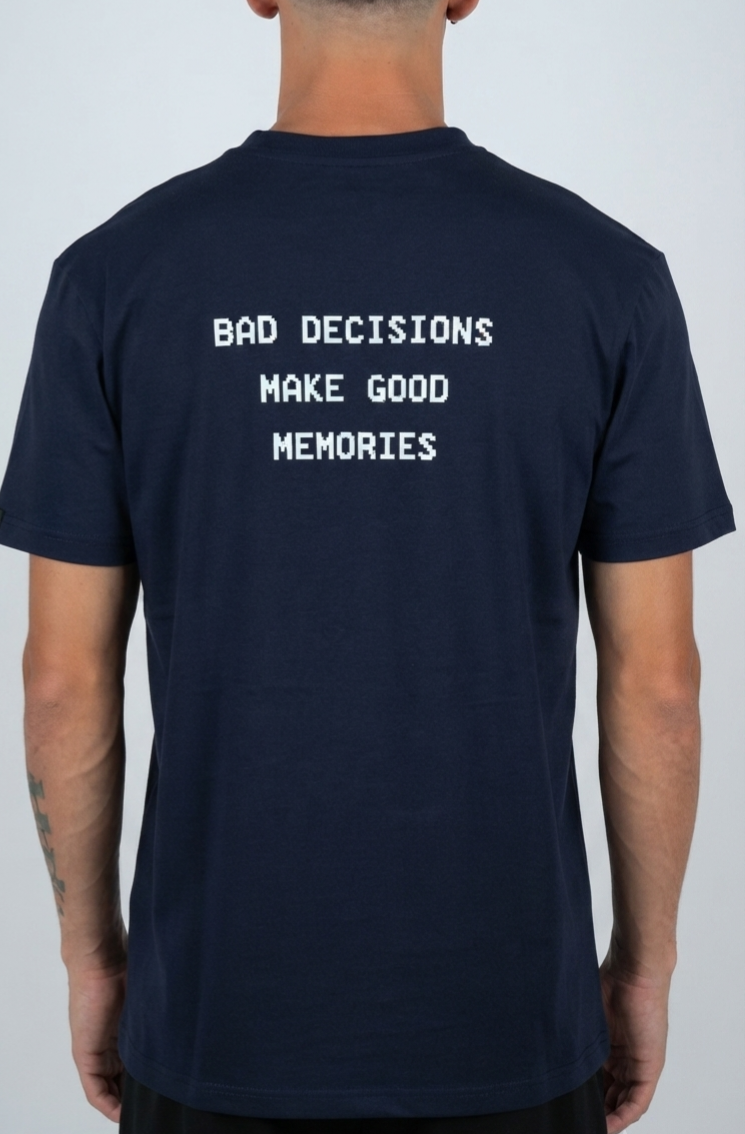
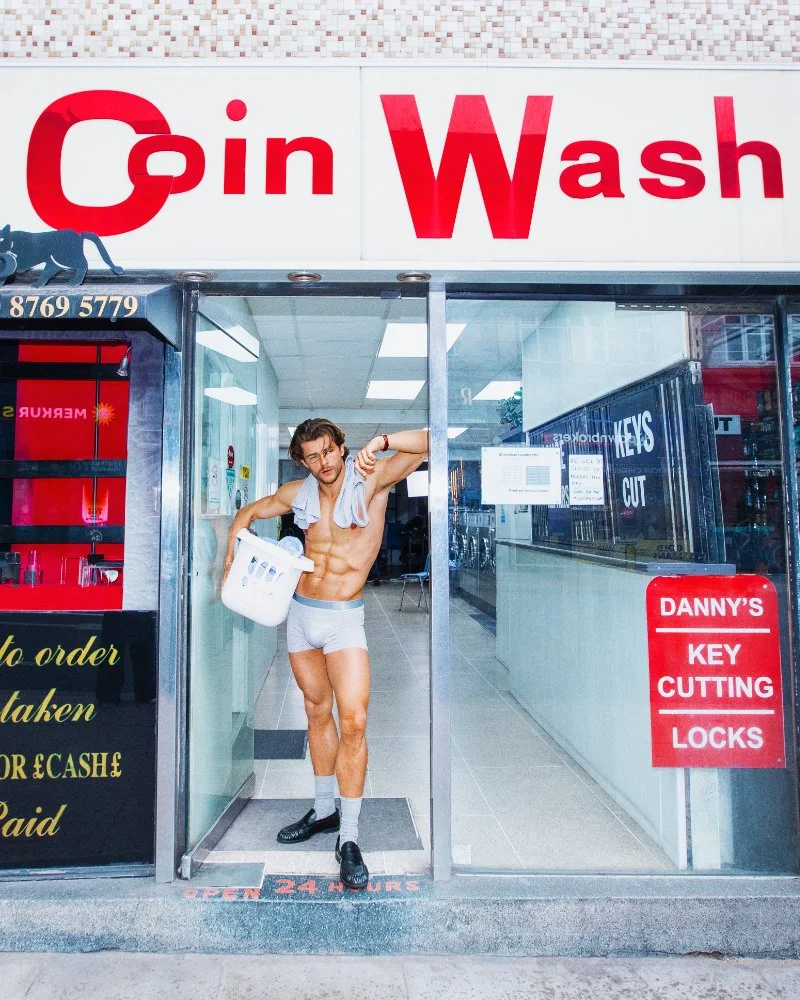
A REY Exclusive Bedtime Story, produced in Berlin, Germany.
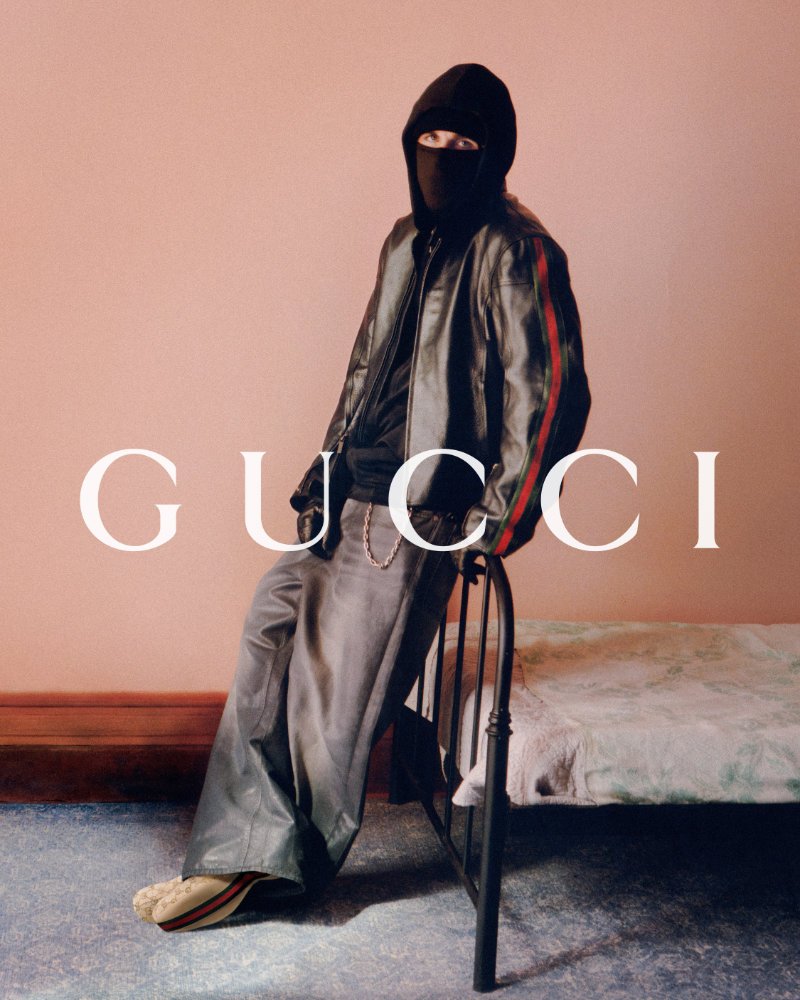
Photographed by Dario Monzione
Starring Robin Riesch
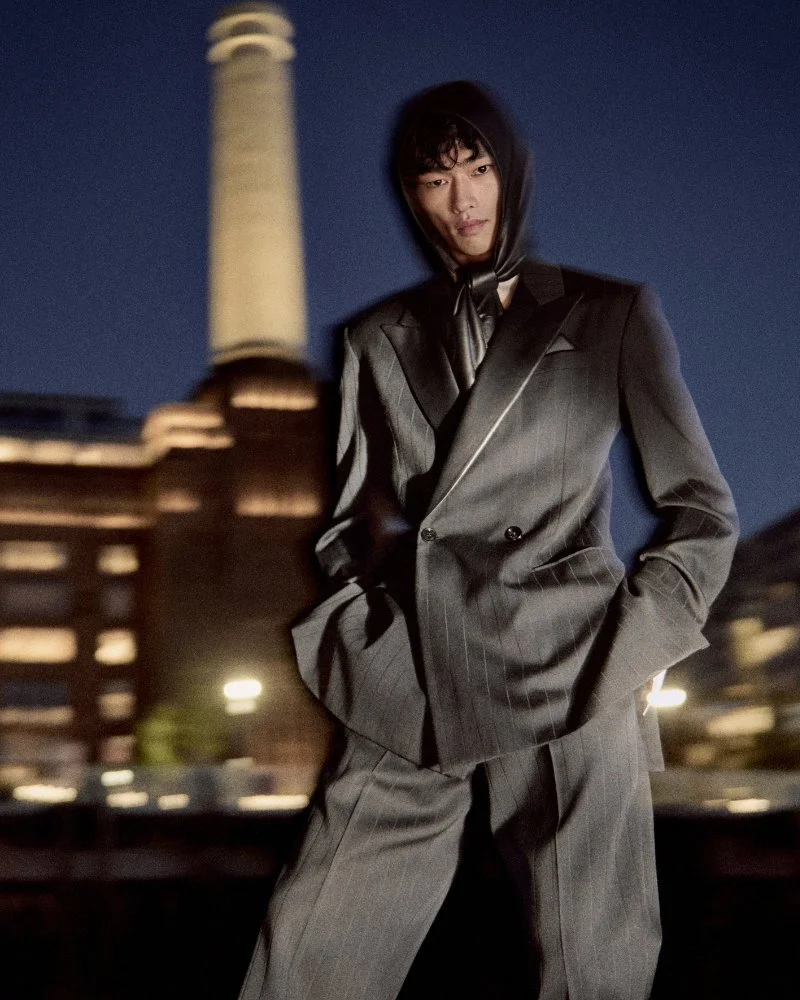
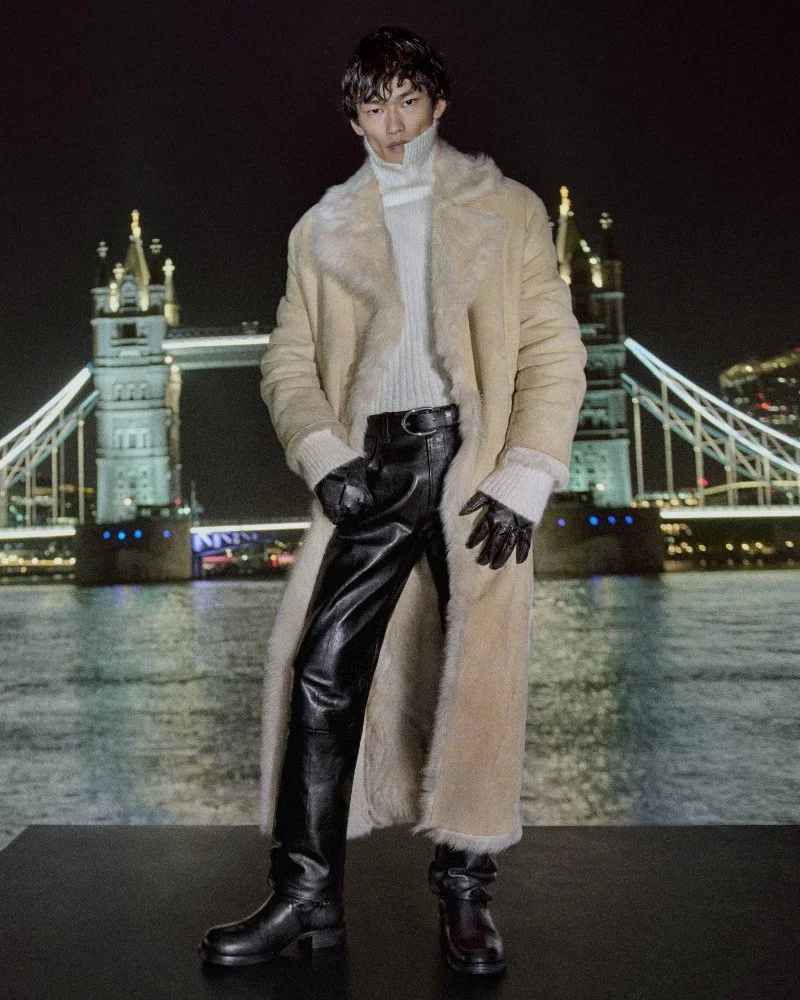
A REY Exclusive Bedtime Story, produced in Berlin, Germany.
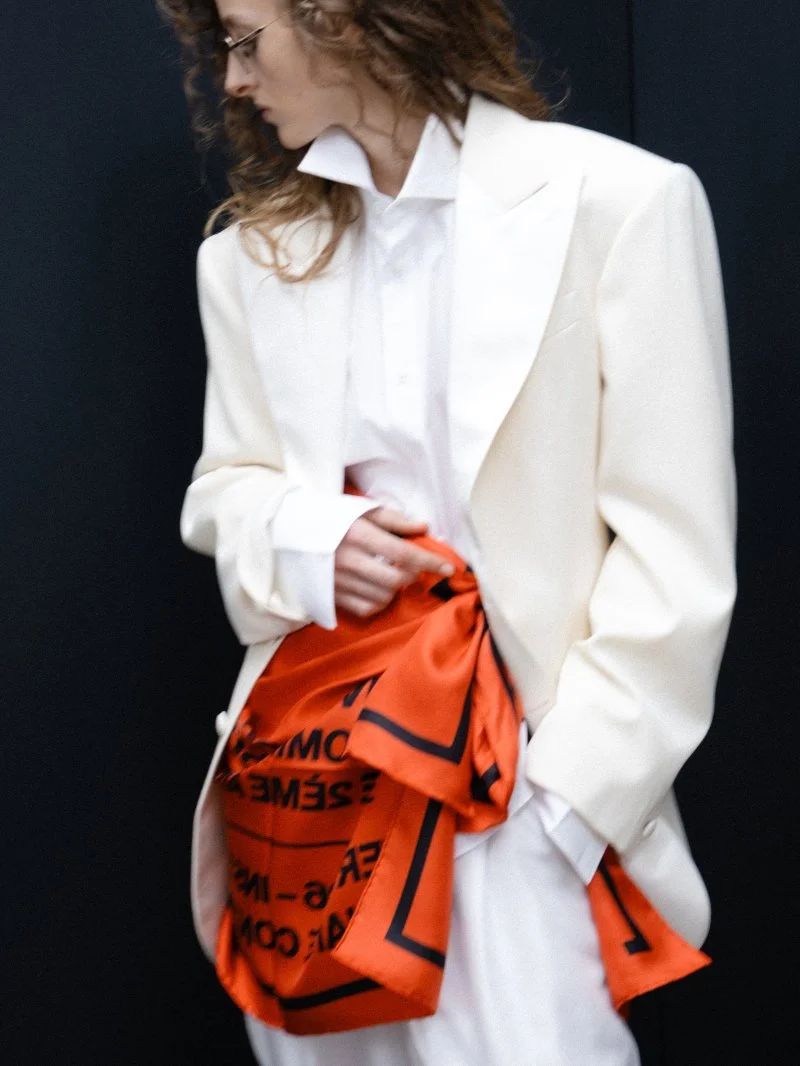
Photographed by Dario Monzione
Starring Robin Riesch
Twenty years in, Mariusz Przybylski isn't looking back—he's pushing forward. Widely recognized as one of Poland's leading fashion designers, Przybylski has built a distinctive design language rooted in impeccable tailoring, contemporary masculinity, and refined craftsmanship. Returning to Berlin Fashion Week, he unveiled KICK OFF, a collection that celebrates two decades of creative evolution while reaffirming the vision that has defined his label since its inception.
Presented at Berlin's newly opened FASHION BLOCK, the show also carried a symbolic significance. More than a decade after debuting on Berlin's international fashion stage, the designer returned to the city that played an important role in his career, this time marking one of the biggest milestones of his journey.
With KICK OFF, Przybylski explored the intersection of classic tailoring and modern sportswear influences, delivering a wardrobe that balances precision with ease. Clean silhouettes, confident proportions, and meticulous construction reflected the designer's signature aesthetic, while contemporary styling introduced a fresh perspective that felt both sophisticated and effortless.
The presentation not only celebrated the 20th anniversary of the brand but also highlighted Przybylski's continued relevance within today's menswear landscape. Rather than revisiting the past, KICK OFF looked ahead, presenting a confident vision of modern dressing that remains true to the designer's identity while embracing the future.
Check out below some of our favourite looks:
Photography by @fashionimages.eu ( marius_przybylski instagram)
Drawing inspiration from iconic basketball sneakers of the mid-1980s, New Balance unveils the 950, a new silhouette that brings archival design into the present. Crafted in leather and suede, the sneaker pairs vintage proportions with refined details, including an oversized toe box, a padded "N" emblem, and a basketball-inspired tongue label. The result is a versatile style created for life both on and beyond the court.
Fronting the global campaign is NBA standout and New Balance ambassador Cooper Flagg, joined by his siblings in a story that celebrates family, connection, and individuality. More than a sneaker launch, the campaign reflects the brand's vision of merging sport, culture, and everyday style.
A REY Exclusive Editorial, produced in Madrid, Spain.
Photography & Creative Direction Dito Oter
Styling Jama
Muah: Diego Vitaller
Starring Guillermo Mate @ Wanted Agency
Assistant & Lightning: Cristhian Valenzuela
Digital Retouch: Alfredo Reybra
One of the most exciting names on the Paris menswear calendar, EGONLAB returned to Paris Fashion Week with its Spring/Summer 2027 collection, Ataraxia, further cementing its reputation as a label to watch. Founded by Florentin Glémarec and Kévin Nompeix, the French brand has built a loyal following through its distinctive blend of sharp tailoring, rebellious energy, and contemporary storytelling.
Presented during Paris Fashion Week Men's Spring/Summer 2027, the collection continued EGONLAB's exploration of modern masculinity, balancing structure with freedom and tradition with experimentation. Signature tailoring was softened with a sense of ease, while one of the season's most talked-about elements came in the form of ultra-short shorts, a bold statement that challenged conventional menswear proportions and reinforced the brand's fearless approach to dressing.
The daring silhouettes felt provocative without losing sophistication, capturing the confidence and individuality that have become central to the EGONlab universe. Combined with precise craftsmanship and a strong artistic vision, the collection demonstrated the label's ability to push menswear forward while remaining distinctly wearable.
While major luxury houses dominated headlines this season, EGONLAB once again proved why it remains one of Paris fashion's most compelling independent voices. With every collection, the brand refines its unique visual language while pushing menswear into new territory — making it one of the standout labels shaping the future of French fashion.
Check out below some of our favourite looks:
Saint Laurent’s Men’s Summer 2027 collection unfolds like a deliberate refusal of excess—an exercise in control, silence, and charged minimalism. Presented during Paris Fashion Week inside Fujiko Nakaya’s immersive Cloud #07156 installation at the Bourse de Commerce, the show dissolved the boundary between clothing and atmosphere, placing the audience in a space where visibility itself felt unstable.
Rather than chasing spectacle, the collection reflects on our cultural addiction to overstimulation—the constant urge for louder statements, faster cycles of attention, and endless exposure. Against that backdrop, it proposes a quieter form of intensity: one rooted in restraint, absence, and precision.
The palette moves through muted greys, grounded browns, deep blacks, softened beiges, and punctuations of orange, ochre, claret, lime, gold, and powder blue. These tones don’t compete; they layer, suggesting emotion through subtraction rather than emphasis.
Under Anthony Vaccarello, tailoring becomes the main language of seduction. Garments sit higher on the body, reshaping proportion with subtle tension. Trousers fall straight or softly pleated, while familiar pieces—ribbed V-neck knits, structured waistcoats, and tailored jackets—are refined into sharper, more distilled silhouettes. The effect is less about reinvention and more about editing down to essence.
There are shows that whisper. And then there is Dolce & Gabbana—a house that has never learned moderation, nor ever needed it.
For Spring/Summer 2027, the Italian duo returned to Milan with Vacanze Siciliane, a collection that did not attempt to reinvent the brand, but instead sharpened its identity until it felt almost architectural. This was not nostalgia. It was reaffirmation. Sicily, once again, was not a theme—it was a law.
Presented inside a cinematic Mediterranean set, the runway unfolded like a heatwave memory: stone terraces, coastal light, and a fantasy of southern escape where tailoring meets sunburnt sensuality. The message was immediate—this is menswear built for exposure, not protection.
The collection oscillated between discipline and indulgence. Tailoring remained sharp, broad, and unmistakably Italian, but it was constantly interrupted by pleasure: laser-cut suits designed for airflow, softened trousers that fell like liquid, and shirts that carried the weight of postcards, citrus prints, and fragmented holiday imagery.
Nothing here was shy. Yet nothing felt chaotic. The balance was deliberate—controlled excess, engineered seduction.
Embroidery became language. Coral-like beading, crystal clusters, and hand-finished surfaces turned garments into tactile surfaces rather than simple clothing. Denim was no longer casual—it was ornamented memory. Knitwear became skin. Even the most structured jackets carried traces of erosion, as if heat itself had softened their edges.
Accessories extended the narrative. Oversized travel bags suggested escape without destination. Footwear leaned into craft rather than statement, woven and sculpted like objects recovered from a Mediterranean past that never fully existed, but feels emotionally accurate.
And then came the white.
The closing sequence dissolved everything into purity—an all-white procession that felt less like an ending and more like erasure. After all the ornament, all the color, all the Sicilian noise, the final gesture was silence in fabric form.
If there is a contradiction at the heart of Dolce & Gabbana, it is this: they design as if restraint is impossible, and then prove it can exist—just heavily decorated.
This season, they did not chase relevance. They doubled down on identity. In an industry obsessed with reinterpretation, Vacanze Siciliane insisted on something far more radical: continuity without apology.
And in that refusal to dilute themselves, they remain exactly what they have always been—unmistakably, uncompromisingly loud.
Watch the full show below:
A REY Conceptual Editorial, photographed in Nicosia, Cyprus.
Photographed by Conchalantt & Nikoletta Assioti
Creative Direction Conchalantt
Starring Constantinos Tsiakkas
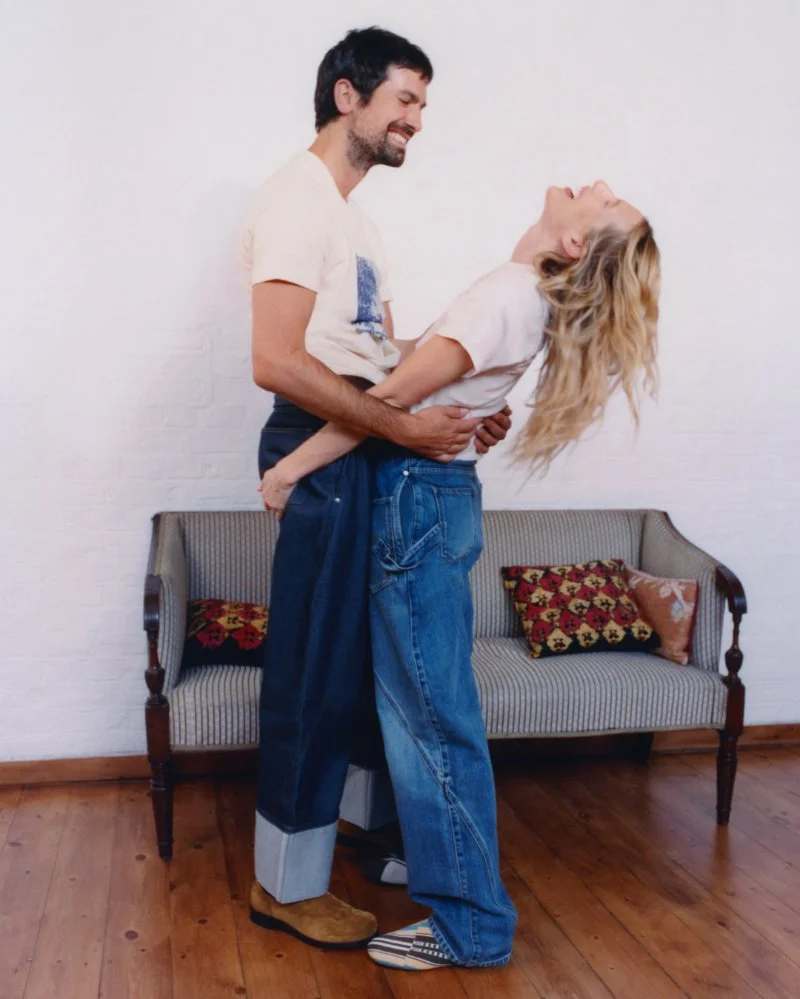
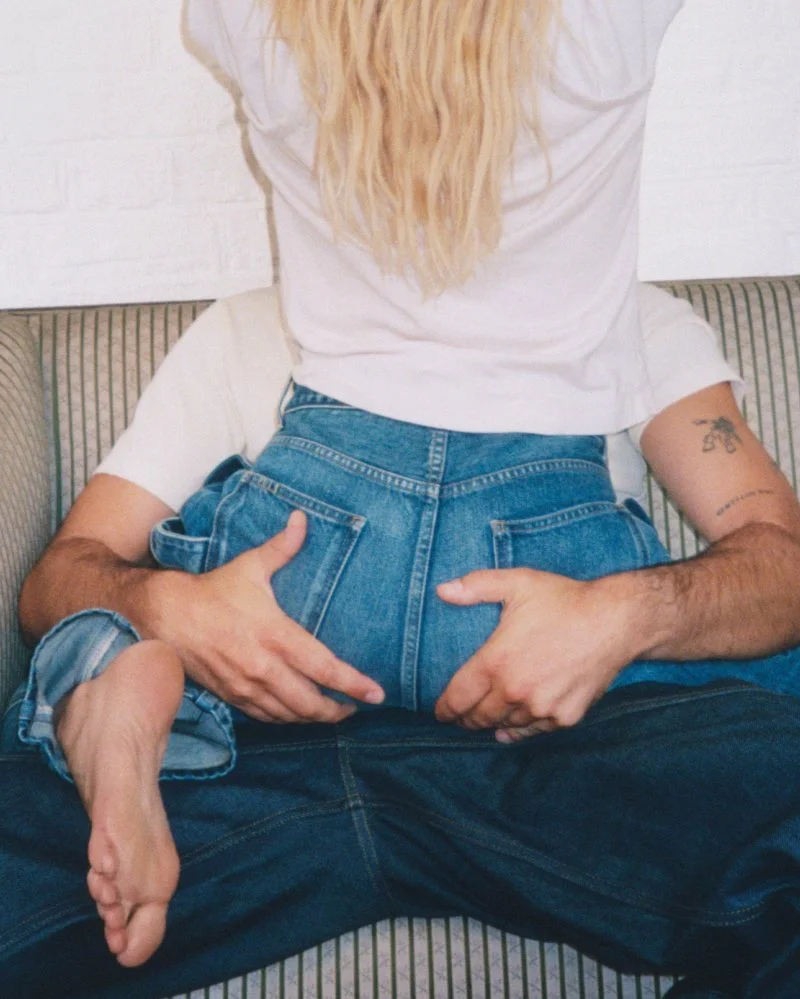
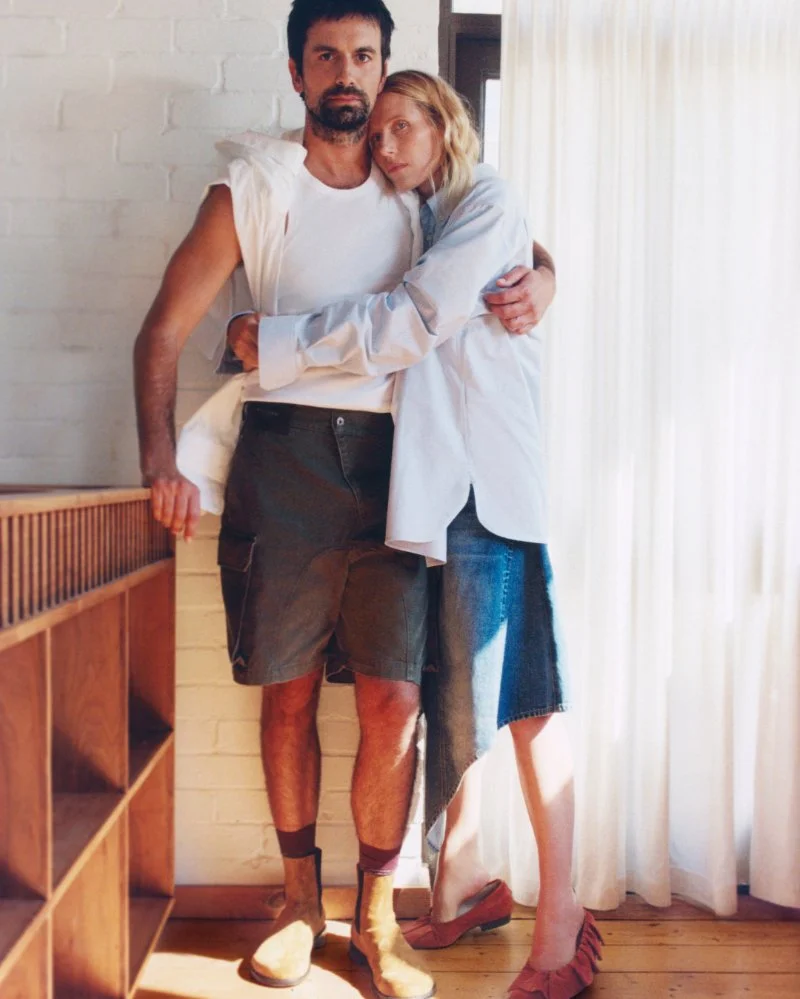
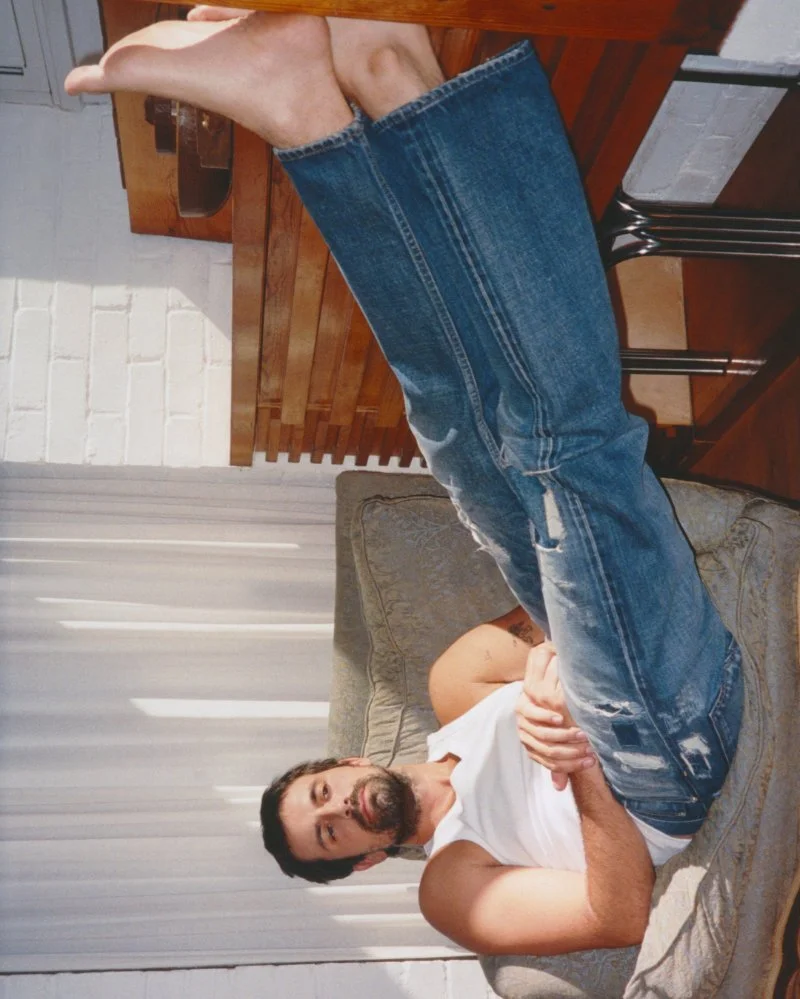
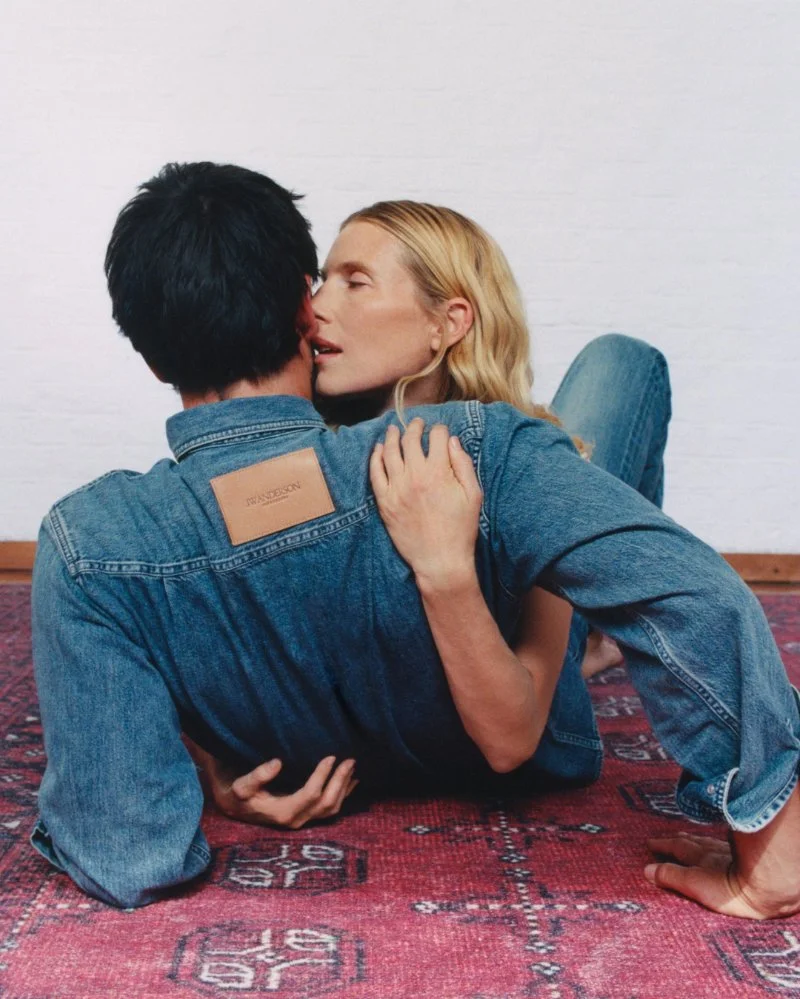
JW Anderson has unveiled its Spring/Summer 2027 lookbook, photographed by Heikki Kaski and styled by Benjamin Bruno. The cast features a close circle of Jonathan Anderson's creative collaborators, including art collector Ivor Braka, ceramicist Akiko Hirai, model Dree Hemingway, and writer Dr James Fox.
The collection revisits signature JW Anderson silhouettes through texture, craftsmanship, and relaxed proportions. Distressed Japanese denim, draped eveningwear, oversized tailoring, and the return of the fold-over trouser and twist jean reflect the house's playful approach to construction. Inspired by the natural world, the palette mixes earthy tones with bursts of color, while knitwear showcases references to Irish heritage, wildflowers, and traditional craftsmanship.
Beyond fashion, the seasonal offering expands into home and garden objects, including handcrafted stools, vintage linen cushions, Wedgwood ceramics, willow hampers, parasols, and artistic collaborations. Blurring the boundaries between fashion, design, and craft, the lookbook celebrates creativity in all its forms.
Ludovic de Saint Sernin continues his annual destination swimwear series with a vibrant new chapter set against the unmistakable backdrop of Rio de Janeiro. Captured by Spanish photographer Jorge Perez Ortiz and styled by Pau Avia, the campaign embraces the city's unique blend of sensuality, freedom, and effortless glamour.
The imagery unfolds across some of Rio's most iconic settings, from an Oscar Niemeyer-designed residence in São Conrado to sun-drenched beaches, rugged coastal rock formations, and the endless blue of the Atlantic Ocean. Each location serves as a natural extension of the collection's spirit, highlighting the intimate relationship between the body, fashion, and the landscape.
For Ludovic de Saint Sernin, Rio was a natural choice. Few cities in the world embody beach culture with such authenticity, where swimwear transcends functionality and becomes a true expression of identity. That philosophy aligns seamlessly with the designer's vision, one rooted in confidence, self-expression, and personal freedom.
The result is a campaign that feels both cinematic and intimate, celebrating the energy of Rio while reinforcing the sensual aesthetic that has become synonymous with the Ludovic de Saint Sernin universe.
Bottega Veneta introduces Alta, a new fragrance collection composed of ten Eau de Parfum expressions. Each scent is composed of a unique Intrecciato duo, weaving together an ingredient from Italy with one carefully selected from across the globe.
Built around the concept of the “Intrecciato duo,” the collection pairs ingredients from Italy with notes sourced from around the world, creating unexpected contrasts between freshness and warmth. Highlights include Ricordami (stracciatella ice cream and oakwood), Always Now (Italian basil and Madagascan vetiver), Montebello (blood orange and neroli), Balliamo (white fig and cedarwood), Bare Morning (talco accord and sandalwood), Slow Rise (late-summer rose and clary sage), Moment After (Italian leather and vanilla), Night Sounds (saffron and benzoin), Velvet Steps (plum accord and labdanum), and Crepuscolo (Fior di Sale and oud), each reflecting Bottega Veneta's vision of craftsmanship, contrast, and sensory storytelling.
Madonna proved once again why she's the undisputed Queen of Pop, turning New York's Times Square into an open-air dance floor during a surprise appearance in partnership with Grindr to kick off Pride Month.
The unannounced event drew 50000+ fans as Madonna took the stage in a striking pink corset look, performing classics from her iconic 2005 album Confessions on a Dance Floor while also unveiling new music from her highly anticipated upcoming album, Confessions II.
Among the biggest moments of the night was the live presentation of brand-new tracks, including the latest single "Love Sensation" and fan-favorite previews such as "I Feel So Free" and "Bring Your Love," her collaboration with Sabrina Carpenter. The album is scheduled for release on July 3 and marks Madonna's reunion with longtime collaborator Stuart Price.
The performance celebrated LGBTQ+ culture and Pride, with visuals honoring queer trailblazers and activists while reinforcing Madonna's decades-long connection to the community. The event was part of her wider collaboration with Grindr, which has been supporting the global rollout of Confessions II.
For one unforgettable night, Times Square belonged to Madonna — and judging by the crowd's reaction, the countdown to Confessions II has officially begun.
Few creatives translate atmosphere across mediums as instinctively as Dimitris Theocharis. Known for constructing images that feel both cinematic and emotionally charged, he now channels that same intensity into sound with The Great Unknown — a two-part electronic concept album that unfolds like a psychological journey.
At REY, we’ve long admired Dimitris Theocharis for his ability to create worlds — and this might be his most personal one yet.
When did you realize this would become a concept album rather than just a collection of tracks?
It wasn’t a single moment but rather a process. It all started while I was refining a track called Game Over in June 2025 which I had originally planned to release as an EP. Whilst I was still in the editing process, new lyrics and ideas for songs started flooding my head, including fragments that would later become In This Life and Post Love. That’s when I realized I was in a creative flow and decided to direct that energy toward a specific concept. Pandora’s Box and the seven deadly sins became loose reference points for the album, as I wanted to write and create songs reflecting both my observations of the world and my own journey through it.
The album moves from external observation to internal transformation. Was that duality something you planned from the start?
Although some of it was intentional, it also emerged naturally. In contrast to my first album, which was more spiritual and up in the ether, I wanted to get my hands dirty, so to speak and engage with the current state of the world, its systems, contradictions and inevitably my own journey and life experiences. The shift from the external to the internal felt honest.
The themes of excess, desire, and control feel very current. Were you reflecting society, or something more personal?
Primarily the societal structure we’ve inherited and continue to perpetuate. It’s built around control and manipulation. Nothing new, but nowadays it feels far more evident in almost every aspect of our lives. The “watchful eye of God” has now become an algorithm that tracks and analyses every step. The question is to what end? How is the access to every small detail of our lives being used? Is there a way out? Are we eventually going to be subscribing to freedom? Could living off-grid become a utopia? Or is utopia a state of mind? Desire has been reduced to swiping left or right, to momentary satisfaction that leads nowhere and ultimately means nothing, as expressed in Pleasure on Repeat, a song partly inspired by gay club culture and chemsex parties. It comes from a very real need for human connection, yet there’s something deeply ephemeral and addictive about the way we deal with desire that resembles a quick fix, void of emotional depth. I quite like how this song exists in two versions within the album. The electronic version feels innocent and fragile whereas the acoustic version feels more mature, sung from experience, almost with hindsight and wisdom. Then Money starts with the question: how much does your life cost? A very strong statement derived from the expression “time is money.” If time is money, then a lifetime has a price. That’s a disturbing conclusion, but as abrupt as it sounds, we live in a society that is addicted to consumption on every level and the pursuit of wealth.
The Sanskrit message, “it is never enough,” feels like the spine of the project. Why was that the idea that anchored everything?
Because it’s universal. It cuts through culture, time, and identity. That endless cycle of wanting more is both the cause of suffering and the force that drives change. It drives everything forward, but it also traps us. Once that became clear, everything else aligned around it.
Utopia is a clear turning point. What does that moment represent for you creatively and emotionally?
Utopia is a state of mind. It’s a pause. A bridge. Up until that point, everything is outward-facing and observational. Utopia breaks that momentum and demands stillness. It represents the desire, or perhaps the need, to escape from everything negative happening around us. It asks us to stop for a moment, breathe, and reconnect with what still exists: the sun, the sea, nature, ourselves. When all the noise stops, the senses awaken again. But underneath that stillness, the storm is always near. The lingering fear of war, destruction and collapse remains.
The second half of the album feels more vulnerable. Was it harder to create than the first?
Not really. The first half was actually harder because it’s more controlled. The political, philosophical, and existential themes pushed me technically as a writer and forced me to experiment more with genre, sound and structure. The second half required letting go of that control. I was more exposed, less protected by the concept itself, but I was entering a more familiar territory as I’ve always been drawn to emotionally charged and introspective music. The real challenges were Illusive Reality, Eternal Youth, Dominion, and Post Love. For example, with Post Love, I didn’t want it to become melodramatic or fall into the typical clichés that come with breakup songs. I wanted it to remain honest, dignified, minimal, and personal, while still open enough for listeners to project their own experiences. Those songs were difficult to finish. I probably wrote several hundred variations.
Tracks like Money and Dominion feel powerful and confrontational, while Post Love and Vein feel intimate. Do you approach them differently when producing?
Yes, the approach shifts with intention. The wording is always carefully considered, but the complexity, structure and nuance differ significantly. Money moves between the ridiculous yet very real demands and expectations of modern life, expressed through a climactic rap that builds toward the anxiety of chasing money to meet those demands. The melodic, almost mantra-like chorus softens that tension and creates a playful balance between fixation and release. Dominion is more restrained, almost void of melodic elements, yet sonically very cinematic, as I was attempting to recreate a sonic war zone. By reinterpreting quotes from the Book of Genesis as a gender-neutral intro and outro, I created parentheses within which I could reflect on our systems’ obsession with dominance and power, and ultimately the destructive nature of that. Post Love is a deconstructed verse-chorus song. I flipped the structure around, using the first verse as a fragile, poetic and melodic intro, while transforming the initial spoken “dear diary” intro into the central section of the track, concluding with a mantra-like ode to love where past, post, lost, last and new love merge into one. Vein works more instinctively, something that unfolds rather than being consciously constructed. It reads as a love song, but was in fact inspired by the treatments I received related to a health issue I faced last year. I kept it in its pure acoustic form, as I felt the emotional weight was amplified through its simplicity. Technically, the process differs, as does the mindset. However, each track reveals a different part of the same story.
Do you have a favorite track, or one that feels closest to who you are right now?
Possibly Vein. It was probably the easiest song to write because it came very naturally, however, each track is dear to me. Right now I’m trying to decide which track to remix next. I’m somewhere between Pleasure on Repeat and Dominion. Any suggestions?
The soundscape is constantly shifting. How do you balance experimentation with cohesion?
By staying anchored to the emotional and conceptual core. The sound can evolve, but the intention remains consistent. Utopia also plays an important role in that balance, as it shifts the perspective of the album. Cohesion doesn’t necessarily come from repetition. It can also emerge through progression, juxtaposition, or clarity of purpose. I think the album creates a sonic arc where the listener moves through different genres and emotional states while still remaining connected to the main idea.
As a fashion photographer, your work is highly visual. Do you “see” your music in images as you create it?
Most of the time, yes. Whilst putting the album together, I kept visualizing the tracks as part of a dark, dystopian, futuristic musical, with my fictional heroine Domina moving through the various stages and emotional states of the album. The opening track acts as both an introduction to adulthood and an entry point into the space of The Great Unknown - Earth? the human mind? Or perhaps both - where everything is possible…
Is there a direct dialogue between your photography and your music, or do they exist as separate expressions?
There is definitely a dialogue between them, but I believe each medium ultimately stands on its own merits.
If The Great Unknown had a visual campaign, what would it look like?
I had several visual ideas for the first seven tracks, mostly inspired by a twisted post-apocalyptic, dystopia, decayed luxury, and fragmented human connection. Unfortunately, I didn’t have the time to fully explore that direction this time.
How does fashion influence your sound, if at all?
Fashion deals a lot with identity, projection, and transformation. Those ideas are deeply embedded in my approach to music.
What’s next for you, are you leaning more into music, or continuing to merge both worlds?
The goal isn’t to choose one over the other, but to explore how both forms can coexist and eventually merge more deeply. That intersection is where things could become more interesting for me.
And for REY, anything exclusive you can share about what’s coming next?
There’s definitely more music coming soon. Alongside that, I’m working on my photography book and exhibition.
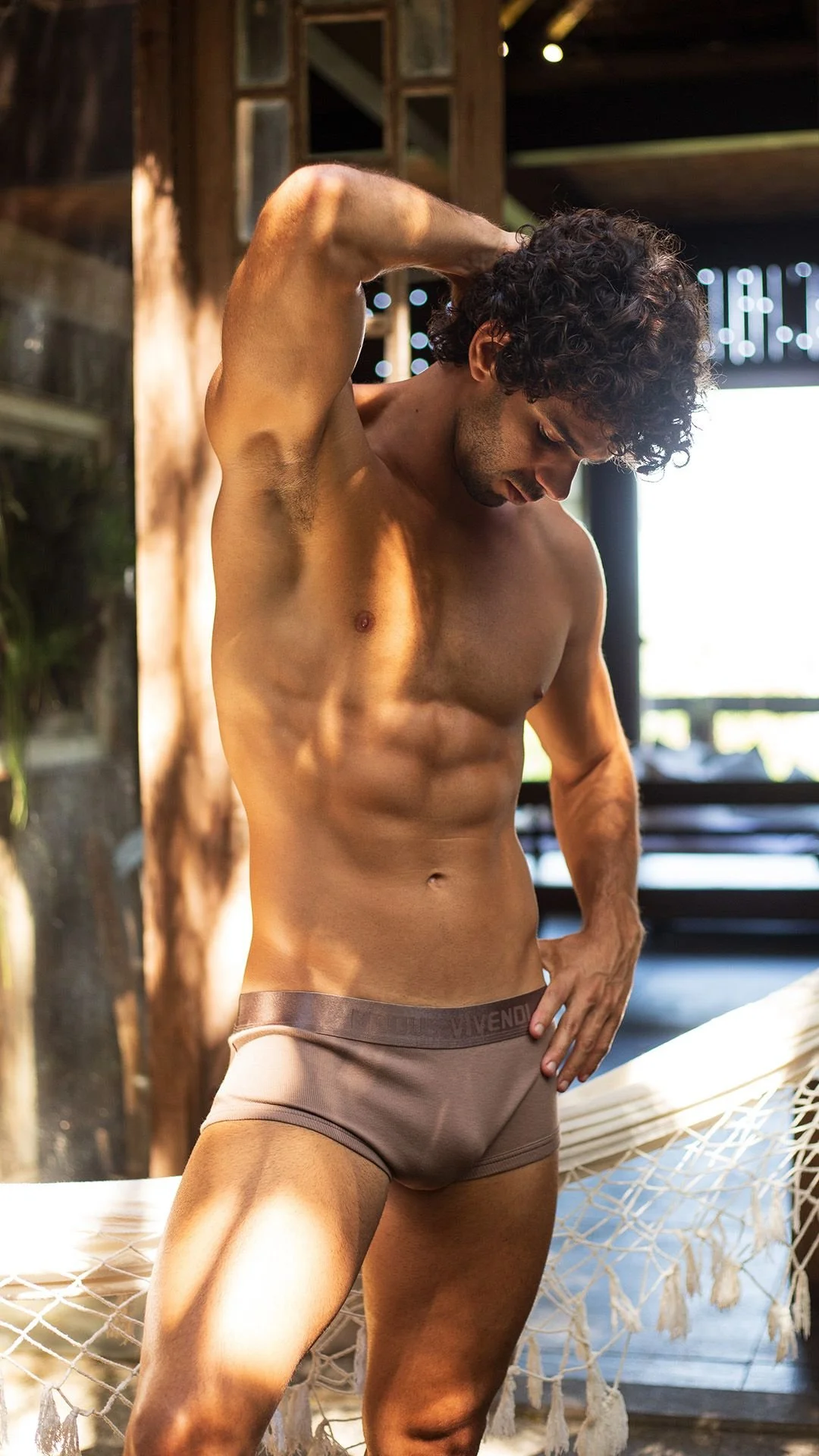
London-based dancer Sam Salter steps into the spotlight for the new Calvin Klein Pride Collection campaign, bringing movement, confidence, and modern edge to one of the brand’s most iconic silhouettes.
Captured in the label’s signature cotton underwear, Salter embodies the campaign’s message of freedom in motion—every frame driven by instinct, energy, and self-expression. The limited-edition collection reimagines Calvin Klein essentials in refreshed colorways created for Pride, blending minimal design with bold cultural meaning.
“Every move, unleashed” becomes the visual language of the campaign, as Salter’s choreography translates intimacy and strength into pure expression. The result is a stripped-back but powerful portrait of identity, where performance and fashion meet without restraint.
The campaign is part of Calvin Klein’s ongoing evolution of its iconic underwear line, available via calvinklein.com
A REY Exclusive Fashion Editorial produced in Madrid, Spain.
Produced and Photographed by Juan Carlos Toledo
Starring Dancer Kino Luque
Location is Juanito Estudio
LOEWE unveils its Fall/Winter 2026 pre-collection campaign through the lens of photographer Talia Chetrit, set against the volcanic landscapes of Tenerife. The imagery continues the evolving visual identity shaped by creative directors Lázaro Hernández and Jack McCollough — instinctive, tactile, and quietly undone.
Starring Eva Victor, Levon Hawke, Seydou Sarr, and brand ambassador Isla Johnston, the campaign balances ease with precision. Leather dominates through relaxed trousers, oversized outerwear, and cropped silhouettes, while sportswear pieces — from anoraks to wraparound Speed Shield sunglasses — are reworked through LOEWE’s experimental approach.
Accessories remain central to the story. The Amazona 180 returns in new proportions, accompanied by the Layer Flamenco clutch, the Scarf bag, and the mini Cala bag — each reinforcing the house’s focus on craftsmanship as both function and form.
For Hernández and McCollough, Tenerife’s raw volcanic energy mirrors the spirit behind the collection itself: instinctive, sensory, and alive with contrast.
A REY Exclusive Editorial, photographed in Graz, Austria.
Photographed by P.C.P Fotografie
Starring Tobias.
Phillip notes:
"Between Light and Skin" is a visual exploration of intimacy, silence, and the relationship between body and space.
Set in the soft natural light of a quiet interior, this series reflects vulnerability, strength, and the beauty of unguarded presence.
The human body becomes both subject and architecture — shaped by shadow, framed by windows, and suspended between exposure and privacy.
Tommy Hilfiger dives into Summer 2026 with a swimwear campaign that feels effortless, sun-soaked, and unmistakably classic Americana. Photographed by Misha Taylor and styled by Géraldine Saglio, the story unfolds against a cinematic backdrop of cypress-lined gardens, white stone architecture, and a pool shimmering in Hockney-blue tones.
Fronted by Francisco Henriques, Hamid Onifadé, and Kai Paula, the campaign captures the relaxed rhythm of summer through pieces designed for movement and ease. Short-cut swim trunks, elastic waists, and lightweight silhouettes keep the mood uncomplicated and wearable.
A mint pair embroidered with the iconic logo, yellow striped shorts, and navy diamond-print swimwear define the collection’s core palette — playful without losing the brand’s polished identity. Signature details, like the red baseball cap stamped with the flag logo, ground the campaign in unmistakable Tommy codes.
Rather than staging perfection, Tommy Hilfiger focuses on atmosphere: friends by the pool, sunlight on skin, and the kind of summer that feels spontaneous rather than styled.
JW Anderson leans into tropical escapism for its latest Summer Series — but in true Jonathan Anderson fashion, the result is less obvious resortwear and more an exercise in texture, proportion, and playful precision. Set inside a lush greenhouse and captured by photographers Tanya and Zhenya Posternak, the campaign trades beachside clichés for something more intimate and tactile.
At the center is a collection built around craft. Cropped knits, glossy shorts, raffia textures, woven leather, and crochet detailing create a layered summer wardrobe that feels both whimsical and sharply considered. Tropical references appear throughout, from citrus and chameleon charms to botanical-inspired accessories that bring a surreal edge to otherwise polished silhouettes.
Accessories steal the spotlight. Sculptural woven bags, beaded details, and the now standout leaf-shaped slides push the collection into signature JW territory — where utility meets irreverence, and craft becomes statement.
What makes this capsule resonate is its restraint. Even at its most playful, Summer Series never slips into costume. Instead, Jonathan Anderson turns tropical dressing into something smarter: a study in surface, silhouette, and summer reimagined through texture.
For Summer 2026, Dior returns to the Mediterranean with a new chapter of Dioriviera — this time trading postcard-perfect Riviera fantasy for something quieter, moodier, and far more cinematic.
Shot by Gray Sorrenti, the campaign unfolds with a slower rhythm, balancing refined interiors against the raw beauty of the French landscape. The result feels intimate and self-possessed, capturing summer less as spectacle and more as atmosphere.
The collection itself stays rooted in house signatures: fluid tailoring, Breton stripes, Dior Oblique details, and a palette of dusty rose and azure blue. Accessories ground the story, with oversized messenger bags and espadrilles adding a travel-ready ease that feels distinctly Dior.
What makes this Dioriviera chapter stand out is its restraint. There’s no rush for escapist glamour, no overworked fantasy. Instead, it lingers in stillness — proving that for Dior, summer luxury is most powerful when it whispers.